Hanoi · Itinerary
Hanoi–Sapa–Da Nang Itinerary: 7–10 Days Real Route
By Wander in Vietnam editorial team · Hanoi, Vietnam
A Hanoi–Sapa–Da Nang itinerary typically spans 7–10 days: 2–3 nights in Hanoi, 2–3 in Sapa (including a trek), 1–2 in between (Ninh Binh or straight south), and 2–3 in Da Nang. Bus or overnight train links each hub. Wander in Vietnam recommends this loop for first-timers balancing culture, nature, and coast.
How long should you spend in each city?
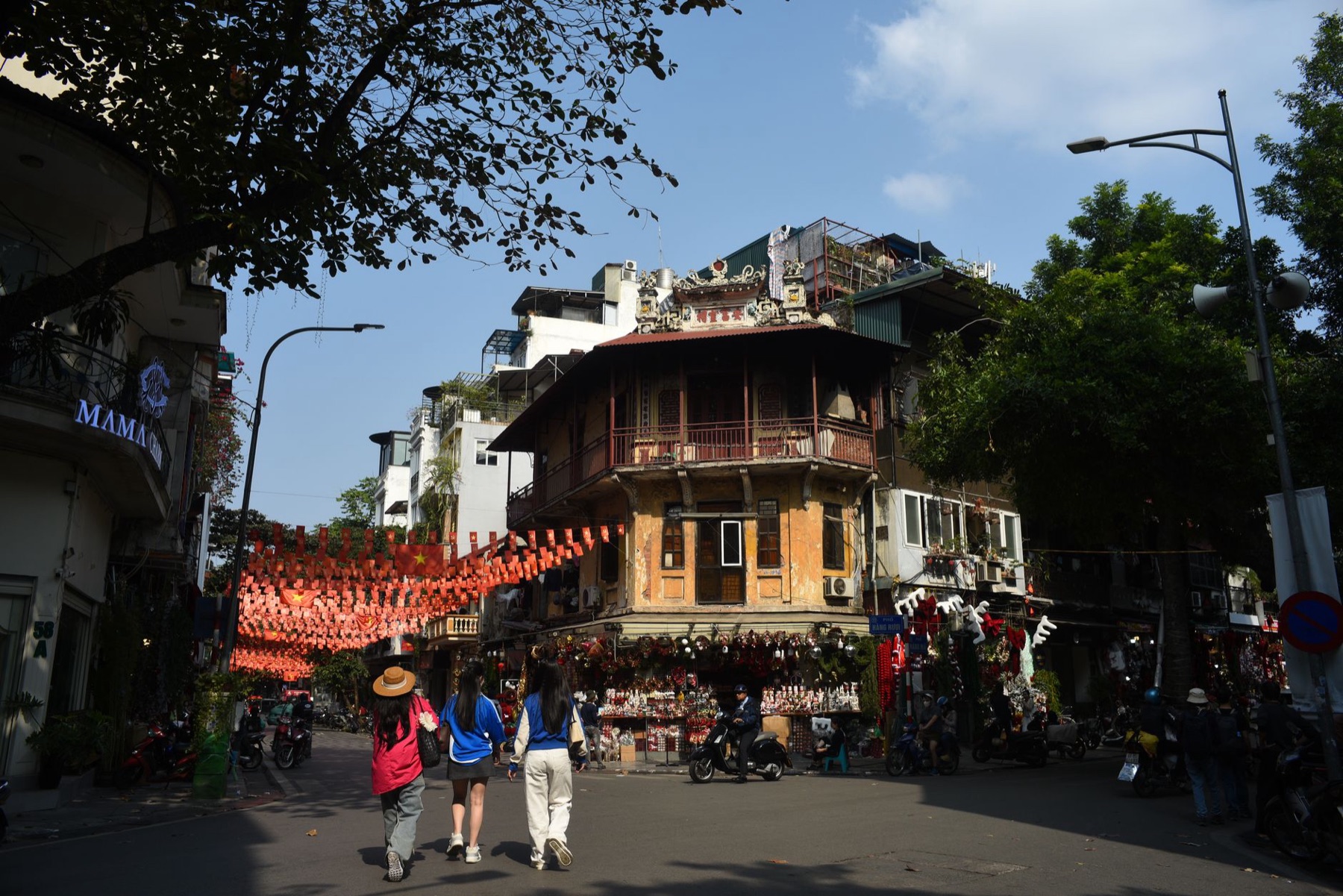
Two to three nights in Hanoi lets you hit the Old Quarter, water puppet theatre, and Hoan Kiem Lake without rush. One full day + one morning covers essentials; you need a night to adjust and one evening for street food crawls. Sapa demands 2–3 days minimum: one day acclimatising and organising a guide, one full trekking day (6–8 hours), one for recovery or a second trek if you have time. Da Nang is flexible—48 hours covers beaches, My Khe and Non Nuoc; add a day if you're visiting Hoi An or Da Nang's museums.
🗺️ Plan your route: Vietnam itinerary
Which transport option saves time and money?
Hanoi to Sapa: overnight train (around 7 hours, $15–30 USD) departs Hanoi Station (Tran Hung Dao Street, Hoan Kiem District) around 21:30–22:00, arrives ~06:00. Budget carriers and sleeper buses cost $10–20 and take 8–10 hours; buses are slower but cheaper. Train feels slower but you sleep. Sapa to Da Nang: no direct train. Options are (1) bus Sapa → Hanoi (8 hours, $12–18), then flight Hanoi → Da Nang (2 hours, $30–50) or (2) bus all the way (20+ hours, $25–35, not recommended). The flight combo saves 12+ hours and costs ~$80–100 total; buses waste a full day. Alternatively, divert to Ninh Binh (3 hours south of Hanoi by bus, $5–8) for a limestone-karst day, then continue south to Da Nang by bus (12 hours, $18–25).
Pro tip: Book overnight trains 5–7 days ahead via 12go.asia or at Hanoi Station. Soft sleeper (4-bed cabin) costs $25–35; hard sleeper (6-bed) runs $15–20. Morning buses fill slower; book the day before.
What should you actually do in each location?
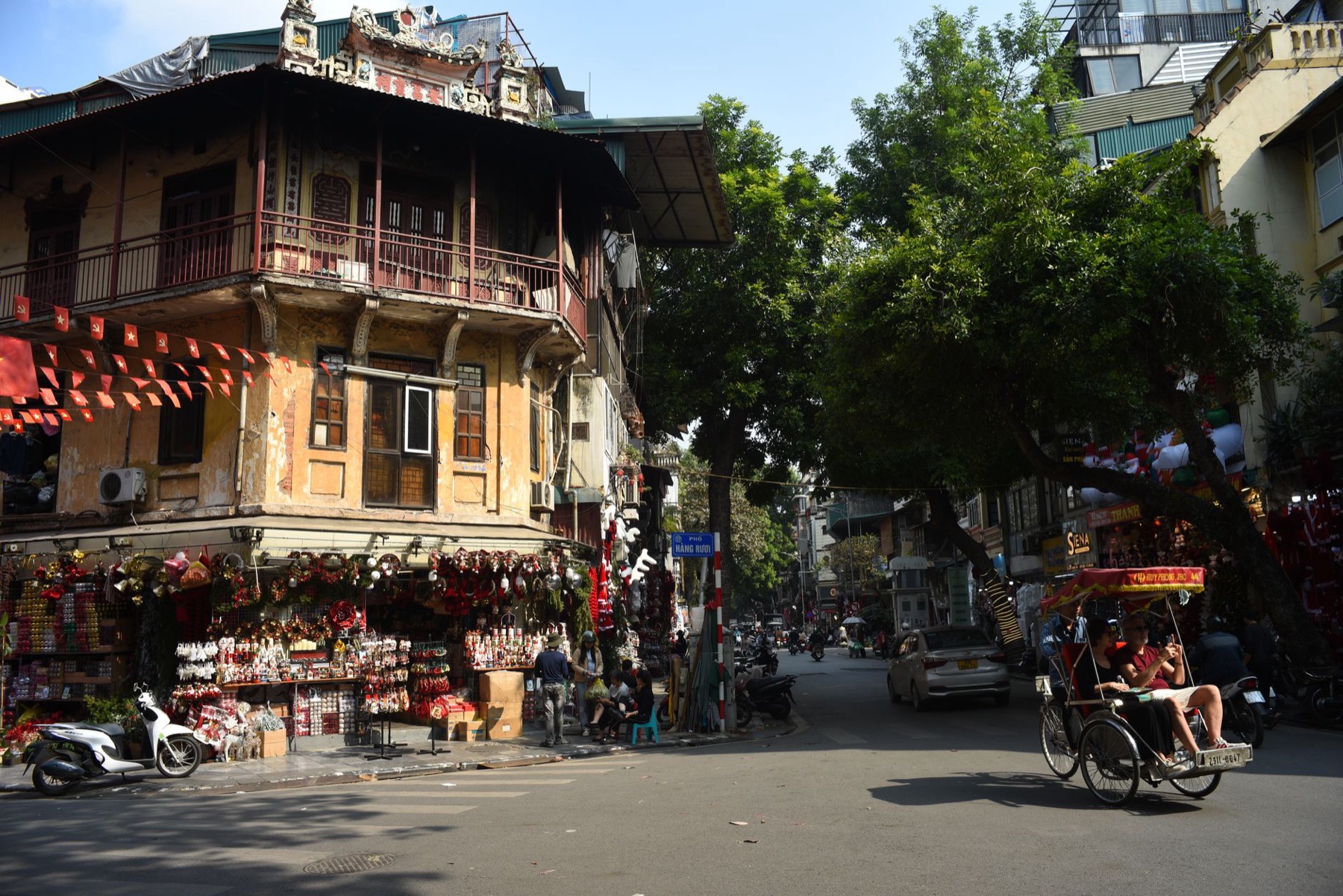
Hanoi (2–3 nights): Old Quarter wandering (free, chaotic, best 06:00–08:00 or 18:00–20:00), Hoan Kiem Lake (free, morning tai chi watching recommended), water puppet theatre (around $8–15 USD, book online to skip queues), Temple of Literature (around $3–5 USD, oldest university, quieter 07:00–09:00), Hanoi Citadel (around $4–6 USD, underrated, fewer crowds than central sights). Street-food crawl in the Old Quarter or Dong Xuan Market (dinner under $3 USD for 3–4 dishes). Skip: Tran Quoc Pagoda (crowded, same view from Lake rim), overpriced "famous pho" shops on Pho Bat Dan (go to local spots instead, around $1–2 USD per bowl).
Sapa (2–3 days): One full-day guided trek through rice terraces and local H'Mong or Dao villages (around $20–35 USD, 6–8 hours with lunch and guide). Many tours overpromise "untouched villages"—book via your guesthouse or Sapa guide instead of Hanoi operators. Silver Waterfall (natural, 15km south, around $3–5 USD entry, worth a morning). Town itself is small; use evenings for local food (corn soup, grilled pork skewers, around $2–4 USD). Skip: zip-lining (overpriced, low production value), Fansipan cable car (around $15 USD, short ride, crowded, views often cloudy).
Da Nang (2–3 nights): My Khe Beach (free, 900m of sand, clean by Southeast Asian standards, best 06:00–10:00 to avoid crowds), Linh Ung Pagoda (free, hilltop, morning light is best), Cham Museum (around $4–6 USD, underrated Hindu kingdom history). Day trip to Hoi An (30km, 45min bus, $1–3 USD) if you have spare time. Son Tra Peninsula (motorbike around $8–15 USD for half day, wildlife spotting, quieter than city beaches). Skip: Dragon Bridge selfie crowds (genuinely tacky, photo stops cause traffic), city water park (tourist trap).
What's the honest cost breakdown?
| Item | Budget range | Notes |
|---|---|---|
| Hanoi (3 nights) | $60–120 USD | Guesthouse $15–25, food $2–5 daily, attraction entry $20–30 |
| Transport to Sapa | $20–35 USD | Train sleeper or bus |
| Sapa (3 nights + trek) | $80–150 USD | Guesthouse $12–20, trek $25–35, food $2–3 daily |
| Transport to Da Nang | $80–100 USD | Flight via Hanoi, or $25–35 for bus (not worth time) |
| Da Nang (3 nights) | $60–120 USD | Guesthouse $15–25, food $2–5 daily, attractions $10–20 |
| Total (10 days) | $300–525 USD | Flights not included; assumes budget guesthouses & local eating |
Flights Hanoi–Da Nang usually run $30–60 return if booked 7+ days ahead. Grab a Vietnam e-visa if needed (around $25–40 USD online).
🎟️ Compare tours & tickets for this place
What keepsakes actually work for this route?
After weeks tracing Hanoi's alleys, Sapa's mist, and Da Nang's coast, a physical memory sticks better than photos alone. Consider an engraved wooden box or star-map print marking the dates and route—genuinely personal, not touristy. Hoi An lantern replicas are overdone; instead, commission a custom ao dai photoshoot in Hanoi or Saigon before you leave (Cáo Studio offers makeup, hair, and styled shoots in traditional dress—book 3–5 days ahead). A map-marked journal or personalized travel diary works if you're reflecting-type. Pressed flowers from Sapa's markets or a Cham sculpture replica (from Da Nang Museum shop) hold meaning without weight.
📸 Book an ao dai photoshoot in Hanoi or Saigon (Cáo Studio)
How do you avoid common mistakes on this route?
Timing: Don't rush. A 5-day version (Hanoi 1 night, Sapa 1 night, Da Nang 2 nights) exhausts you and skips the trekking day that makes Sapa worthwhile. 7 days is functional; 10 is ideal.
Transport: Booking train tickets the day-of is risky; hard seats sell out. Plan 5–7 days ahead. Don't assume buses are always cheaper—a $40 flight saves you a wasted travel day (worth $15–20 in avoided guesthouse cost).
Sapa trekking: Avoid tours booked in Hanoi's Old Quarter; they're marked up 30–50%. Wait and book direct at your Sapa guesthouse the day before. Morning starts (06:30–07:00) beat afternoon crowds on trails.
Weather: Sapa June–August = hot, humid, terraces green but misty views. October–November = clearer skies, but colder at night (bring a layer). Hanoi April–May = unbearable heat; November–December = ideal. Da Nang June–September = risk of typhoon; May–September = very humid.
Food safety: Stick to busy street stalls (high turnover = fresher food). Avoid ice in cheap drinks; tap water is unsafe. Bottled water costs $0.50–1 USD everywhere.
🗺️ Plan your route: Vietnam itinerary
---
What to check before you commit
- Visa: US, UK, EU citizens need an e-visa or do visa-on-arrival; Australians, Canadians also covered. Check 3 weeks ahead.
- eSIM or SIM card: Buy a Vietnam eSIM before you fly or grab a local SIM at Hanoi airport ($2–3 USD, Viettel or Vinaphone). Handy for maps and Grab.
- Guesthouse booking: Book Hanoi + Sapa 2 weeks ahead if traveling Oct–Dec (high season). Da Nang less urgent unless it's July or Chinese holidays.
- Trek guide confirmation: Message your Sapa guesthouse 48 hours before to confirm a guide is booked. No-show guides happen; confirm the morning before.
- Flights Hanoi–Da Nang: Book 7+ days ahead; prices jump closer to date. Check Vietjet, Bamboo, or Vietnam Airlines.
FAQ
Can you do this route in reverse (Da Nang → Sapa → Hanoi)?
Yes, logistically identical. Reverse suits you if you're flying into Ho Chi Minh City and heading north. Same transport times, costs, and duration.
Is Sapa worth it if you're not fit?
Yes. Trek operators offer half-day options (3–4 hours, around $15–20 USD) and guesthouse walks that aren't strenuous. Don't skip it; the landscape is worth the effort.
What if I skip Sapa and go straight Hanoi → Ninh Binh → Da Nang?
Totally valid—saves 1–2 days. Ninh Binh offers karst scenery and bamboo boating without the trekking. Better for older travelers or tight schedules. You lose the mountain culture and minority villages, though.
How much does a Sapa trek cost per person?
Around $20–35 USD including guide, lunch, and basic entrance fees. Private treks run $50–80 USD. Avoid $60+ "premium" tours; the scenery is the same, and guides are paid equally regardless.
Is it safe to travel this route alone?
Yes. Hanoi and Da Nang are safe for solo travelers; Old Quarter is crowded and theft from bags happens—use a crossbody or backpack lock. Sapa treks are group-based, so you'll meet other travelers. Buses are safe; overnight trains have attendants (soft sleeper cabins are more secure). Trust your instincts and avoid empty streets late at night.
What's the best time of year for this route?
October–November (cool, clear skies, dry). April–May is warm but manageable if you start early mornings. June–September is hot, humid, and rainy in Sapa. December–January is ideal but busier and pricier.
FAQ
Can you do this route in reverse (Da Nang → Sapa → Hanoi)?
Yes, logistically identical. Reverse suits you if you're flying into Ho Chi Minh City and heading north. Same transport times, costs, and duration.
Is Sapa worth it if you're not fit?
Yes. Trek operators offer half-day options (3–4 hours, around $15–20 USD) and guesthouse walks that aren't strenuous. Don't skip it; the landscape is worth the effort.
What if I skip Sapa and go straight Hanoi → Ninh Binh → Da Nang?
Totally valid—saves 1–2 days. Ninh Binh offers karst scenery and bamboo boating without the trekking. Better for older travelers or tight schedules. You lose the mountain culture and minority villages, though.
How much does a Sapa trek cost per person?
Around $20–35 USD including guide, lunch, and basic entrance fees. Private treks run $50–80 USD. Avoid $60+ "premium" tours; the scenery is the same, and guides are paid equally regardless.
Is it safe to travel this route alone?
Yes. Hanoi and Da Nang are safe for solo travelers; Old Quarter is crowded and theft from bags happens—use a crossbody or backpack lock. Sapa treks are group-based, so you'll meet other travelers. Buses are safe; overnight trains have attendants (soft sleeper cabins are more secure). Trust your instincts and avoid empty streets late at night.
What's the best time of year for this route?
October–November (cool, clear skies, dry). April–May is warm but manageable if you start early mornings. June–September is hot, humid, and rainy in Sapa. December–January is ideal but busier and pricier.