Hanoi · Itinerary
Hanoi Sapa Itinerary 4 Days: Real Routes & Honest Tips
By Wander in Vietnam editorial team · Hanoi, Vietnam
Most travelers block out 4 days thinking they'll see everything: Hanoi, rice terraces, ethnic villages, the works. Reality? Two days vanish on the overnight train. Plan honestly from the start, and you'll actually enjoy the mountains instead of sprinting through them.
Here's what 4 days actually looks like, broken down by the real bottlenecks and decisions you'll face.
How much time do you need on the Hanoi-Sapa train?
The overnight train from Hanoi to Sapa departs around 21:30–22:00 and arrives 05:30–06:30, depending on the operator and season. You're losing an evening in Hanoi and half a morning to grogginess in Sapa. Budget Day 1 for a quick Hanoi stop (Old Quarter lunch, evening wander) and a rest before boarding. Don't try to cram the Hoan Kiem Lake sunset, Hang Dao Street shopping, and a temple visit into 4 hours—you'll feel rushed and remember nothing.
Train tickets cost around 1.2–2 million VND ($50–80 USD) for a soft sleeper (4-bed cabin, reasonable) or up to 2.5 million VND ($100 USD) for a private 2-bed sleeper. Book 10–14 days ahead via online agents or at Hanoi Railway Station (Ga Hanoi, 120 Tran Hung Dao, Hoan Kiem District). Don't book on arrival day unless you're flexible on dates—summer and weekends sell out fast.
🗺️ Plan your route: Vietnam itinerary
What's the honest trekking reality in Sapa?
Arrive 06:00–07:00, grab coffee, shower at your hotel by 08:30, and you've got maybe 5 hours of daylight-quality trekking left. Most agencies sell full-day treks (7–8 hours with guide and lunch), which works if you start early. Skip the pre-booked Hanoi agency trek—you'll pay 3× the price and be herded with 20 tourists. Instead, sleep until 08:00 (you've earned it), walk downhill to Sapa town center, and hire a guide directly at one of the trekking shops near the main square.
Local guides charge around 500,000–800,000 VND ($20–32 USD) per person for a half-day trek (4 hours) to nearby Cat Cat Village or Ham Rong Mountain, or around 1–1.5 million VND ($40–60 USD) for a full day with homestay lunch. The homestay meal is authentic—rice, greens, pork or chicken from the family's own yard—and included. You'll meet the Hmong or Tay family running it. Tip the guide 50,000–100,000 VND ($2–4 USD) if they're good; it matters to them.
Day 3 : early trek, lunch, rest. Day 4 (morning): optional short walk or market visit, then catch the 12:00–14:00 bus or minivan back to Hanoi (around 350,000–500,000 VND / $14–20 USD, 5–6 hours), or the 18:00–19:00 train if you want one more night. Most travelers choose the afternoon bus to catch the evening train home at 22:00.
Which neighborhoods in Hanoi are worth the time you have?
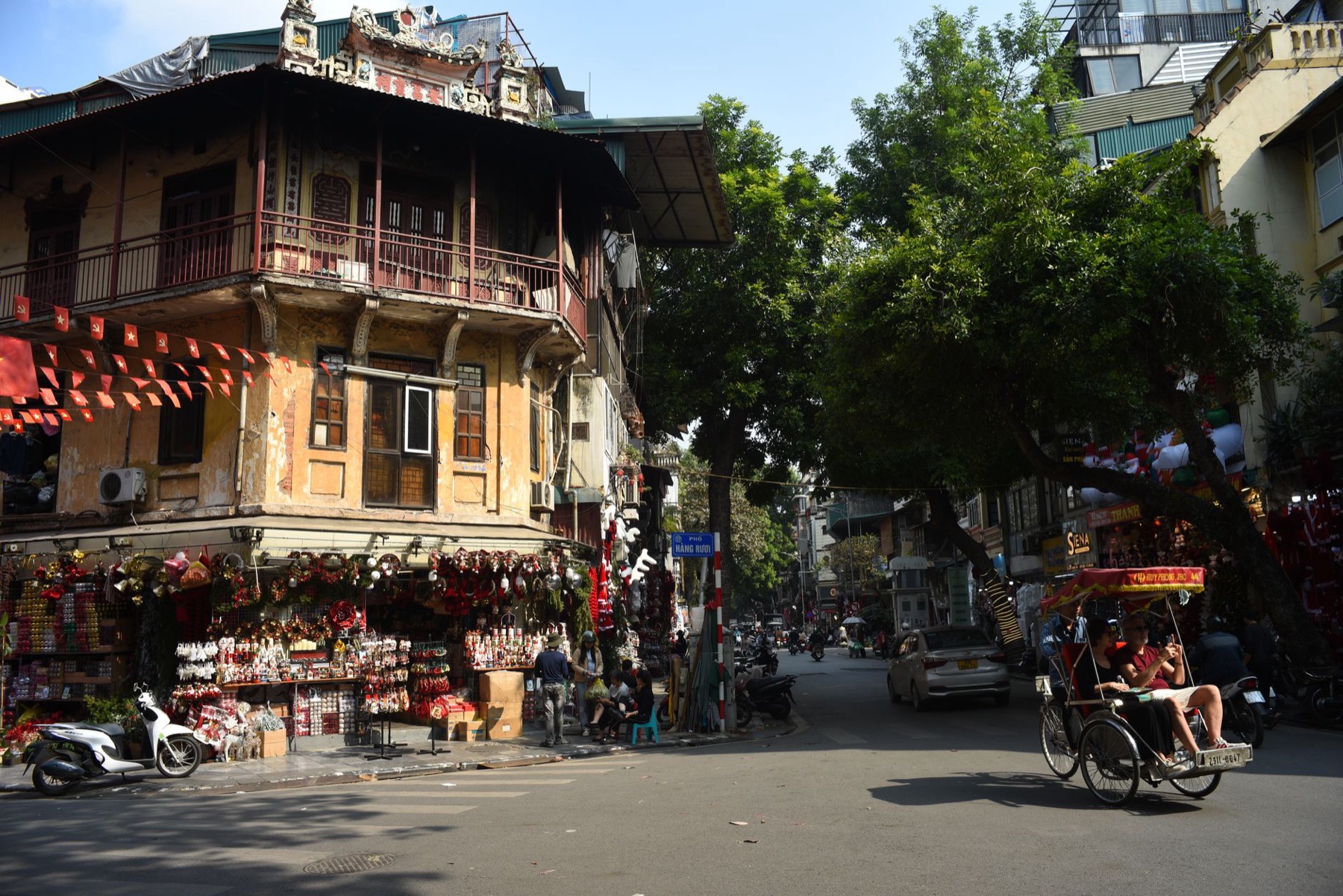
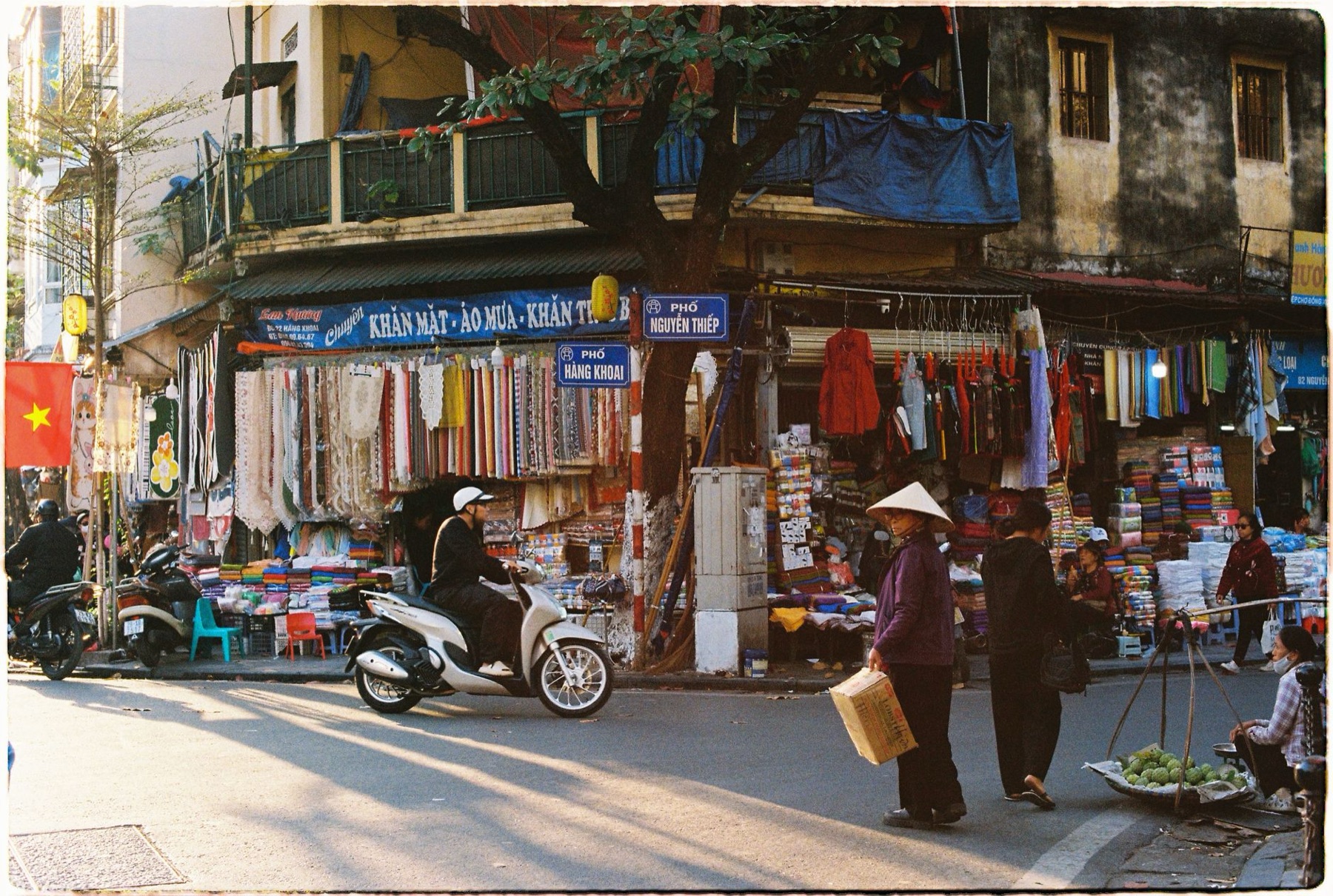
If you arrive Day 1 afternoon and leave Day 1 evening, stick to Old Quarter (Hoan Kiem District, around Hang Dao, Hang Gai streets): chaotic, noisy, touristy, but iconic. Walk 15 minutes, eat pho or bun cha at a street stall (around 40,000–80,000 VND / $1.60–3.20 USD), sit by Hoan Kiem Lake at sunset. Don't expect quiet reflection; it's a memory, not a retreat.
If you have a full morning (arriving early or staying the night before departure), add French Quarter (Ba Dinh District, around Ly Thai To, Trang Tien streets): calmer, tree-lined, colonial villas, softer light. Grab a coffee at a French-Vietnamese café (around 30,000–60,000 VND / $1.20–2.40 USD), walk past the Ho Chi Minh Mausoleum (if interested—it's a complex, mixed reviews). Both areas are walkable; no guide needed, just a phone map offline (download before you go).
Skip: Temple of Literature if you're short on time (it's quiet, educational, but absorbs 90 minutes). Hang Dao Street shopping (it's underwhelming for most visitors; prices aren't lower than regular shops, and crowds are suffocating).
When should you book the homestay in Sapa?
Book homestay 7–10 days ahead through local Sapa agents (Sapa town has dozens: signs in English on the main street). Expect around 200,000–400,000 VND ($8–16 USD) per bed for a basic Hmong or Tay family house with shared bathroom, or 300,000–600,000 VND ($12–24 USD) for slightly more comfort. Do not expect hot water, WiFi, or privacy; do expect authenticity and generosity.
Many travellers book expensive Hanoi agency packages (2–3 million VND / $80–120 USD for 2 nights + treks), thinking it's safer. It's not—it's just expensive and removes you from meeting locals. A local Sapa booking for 400,000 VND ($16 USD) + a hired guide at 500,000 VND ($20 USD) per person costs less than half and gives you real autonomy.
Red flags: if the Sapa agent pressures you into a combo (homestay + guide + meals + transport) before you've walked around town, walk out. Prices are negotiable; guides are plentiful.
How do you avoid the obvious scams and letdowns?
| Issue | What to check | Cost impact | How to dodge it |
|---|---|---|---|
| Fake train tickets (rare but happens) | Buy direct at Hanoi Railway Station or use Traveloka/12Go (verified apps) | 1–2 million VND ($40–80 USD) wasted | Don't buy from hotel staff or random street vendors; verify QR code at station before boarding |
| Overnight bus "sleeper" instead of train | Train: sleeper berth & shelter; bus: cramped recliner & noise | Same price, utterly different comfort | Explicitly ask for "tàu hỏa" (train), not "xe buýt" (bus); check ticket before paying |
| Trekking guide doesn't speak English, cancels trek due to weather | You're stuck with a non-English guide or lose the day | Already paid, no refund | Confirm language and cancellation policy in writing (or screenshot text); pick overcast days, not rainy ones |
| Homestay "full", rerouted to pricier hotel | You arrive, told homestay is booked, forced into a 1+ million VND resort | 2–3× expected cost | Book 7–10 days ahead, not same-day; get booking confirmation on phone before arriving |
| Sapa "free" hill tribe tour, high-pressure buy-in afterward | Starts as a friendly walk, ends with pressure to buy souvenirs at inflated prices | Usually 500,000–1 million VND ($20–40 USD) if you cave | Don't join strangers offering free tours; hire a guide through an agent and agree on the itinerary upfront |
The biggest trap: booking everything in Hanoi. A Hanoi agency selling a Sapa package takes 40–50% markup. Book transport and homestay separately, hire a guide in Sapa. You'll spend less, meet locals, and keep your choices open.
📸 Book an ao dai photoshoot in Hanoi or Saigon (Cáo Studio)
What should you pack and prepare before you go?
- Phone & offline maps: Download Hanoi and Sapa on Google Maps offline (no signal in mountains). Get a Vietnam eSIM at the airport or in Hanoi Old Quarter (around 100,000–200,000 VND / $4–8 USD for 3–5 GB, lasts 30 days). Check eSIM options for reliability.
- Visa: If required, apply for a Vietnam e-visa 1–3 days before departure (online, cheaper than airport).
- Cash: ATMs in Hanoi and Sapa town; villages do not have them. Bring 2–3 million VND in mixed denominations. Most homestays accept cash only.
- Clothes: Comfortable hiking shoes, rain jacket (even if forecast is clear—mountains are unpredictable), layers (mornings are cold at 1,000 m altitude). Avoid bright neon; it looks out of place.
- Timing: Don't go June–August (peak rain, slippery treks, tours booked solid). April–May or September–October are ideal (cool, clear, trekking safe).
What gifts or mementos make sense from this trip?
If you're visiting during Sapa's market days (Saturday, Sunday) or meeting families in homestays, consider bringing small, lightweight gifts from Hanoi: pens, notebooks, or candy. Don't buy souvenirs for yourself in tourist Sapa shops; prices are inflated and quality is weak. Instead:
- Collect homestay contact details; send thank-you messages later with photos.
- Buy a small handwoven textile directly from a family you meet (negotiate fairly: 100,000–300,000 VND / $4–12 USD for scarves, not 1 million VND like the shops ask).
- Consider a personalized engraved keepsake box or star map print capturing the date and coordinates of your trek—it's a thoughtful way to remember the mountains and the people you met.
For gifts to send to people at home, explore curated Vietnam-themed collections that ship internationally (5–10 days to US/Europe, free over $35 USD). A small memento from your trip, shipped ahead, lands better than a rushed souvenir.
🎟️ Compare tours & tickets for this place
Before You Finalize Your Booking
- Confirm train operator: Check your ticket for Sapa Train Company or Vietnam Railway (they differ slightly on comfort and punctuality; Vietnam Railway is more reliable).
- Lock in homestay 7–10 days early: Day-of bookings mean higher prices or poor placement.
- Set trekking expectations: Half-day trek = 4 hours, moderate fitness. Full day = 7–8 hours, bring water and snacks.
- Budget realistically: Hanoi 1 day (food & transit) ~500,000 VND ($20 USD); train ~1.5 million VND ($60 USD) each way; Sapa 2 nights (homestay + guide + meals) ~2 million VND ($80 USD). Total: 4–5 million VND ($160–200 USD) excluding airfare to Hanoi.
- Don't over-book: Leave space to rest, chat with locals, and respond to how you actually feel on Day 2 after the train.
Learn more: Hanoi travel guide | Sapa deep-dive guide
FAQ
Is the overnight train comfortable enough to sleep?
Most people sleep 5–7 hours on a soft-sleeper ticket (4-bed cabin). It's not luxury, but it's real sleep. Hard seats are cheaper (200,000 VND extra savings) but genuinely miserable—not worth it on a 10-hour ride. Bring a pillow or use a rolled jacket.
Can I do this itinerary in reverse (Sapa first, then Hanoi)?
Yes, but it's less natural. You'd need a 4-day Hanoi block at the end, which feels anticlimactic after mountains. Better: fly into Hanoi, 1 day acclimatize, then Sapa, then 1 full day back in Hanoi before flying out.
What if I'm traveling solo and want a guide, not just wandering?
Hire a guide in Sapa town (they also handle homestay logistics). Solo travelers often share guides with other backpackers to split cost—guides know this and can match you. Figure 250,000–400,000 VND ($10–16 USD) per person for a shared group.
Are there other towns near Sapa worth visiting?
Lao Cai town (15 km away) is the train hub but not a destination. Bac Ha (90 km, 3 hours by shared minivan) has a larger ethnic market (Sunday) and fewer tourists. If you add Bac Ha, you're looking at 5–6 days minimum. For a 4-day itinerary, stick to Sapa.
Can I cancel the homestay if I don't like it after arriving?
Most homestays refund 50–75% if you cancel same-day; a few don't. Confirm the cancellation policy (screenshot or ask them to text it to you in English) before paying. If the place is unsafe or actively misleading, escalate to the booking agent; they sometimes cover you.
What if I get altitude sickness?
Sapa is 1,600 m elevation; altitude sickness is rare. You'll feel tired—that's normal. Drink plenty of water (boiled, from homestay), skip alcohol Day 2, and rest. If you feel dizzy or very unwell, descend to Lao Cai (15 km, 30 min) or return to Hanoi. Travel insurance should cover this.
FAQ
Is the overnight train comfortable enough to sleep?
Most people sleep 5–7 hours on a soft-sleeper ticket (4-bed cabin). It's not luxury, but it's real sleep. Hard seats are cheaper (200,000 VND extra savings) but genuinely miserable—not worth it on a 10-hour ride. Bring a pillow or use a rolled jacket.
Can I do this itinerary in reverse (Sapa first, then Hanoi)?
Yes, but it's less natural. You'd need a 4-day Hanoi block at the end, which feels anticlimactic after mountains. Better: fly into Hanoi, 1 day acclimatize, then Sapa, then 1 full day back in Hanoi before flying out.
What if I'm traveling solo and want a guide, not just wandering?
Hire a guide in Sapa town (they also handle homestay logistics). Solo travelers often share guides with other backpackers to split cost—guides know this and can match you. Figure 250,000–400,000 VND ($10–16 USD) per person for a shared group.
Are there other towns near Sapa worth visiting?
Lao Cai town (15 km away) is the train hub but not a destination. Bac Ha (90 km, 3 hours by shared minivan) has a larger ethnic market (Sunday) and fewer tourists. If you add Bac Ha, you're looking at 5–6 days minimum. For a 4-day itinerary, stick to Sapa.
Can I cancel the homestay if I don't like it after arriving?
Most homestays refund 50–75% if you cancel same-day; a few don't. Confirm the cancellation policy (screenshot or ask them to text it to you in English) before paying. If the place is unsafe or actively misleading, escalate to the booking agent; they sometimes cover you.
What if I get altitude sickness?
Sapa is 1,600 m elevation; altitude sickness is rare. You'll feel tired—that's normal. Drink plenty of water (boiled, from homestay), skip alcohol Day 2, and rest. If you feel dizzy or very unwell, descend to Lao Cai (15 km, 30 min) or return to Hanoi. Travel insurance should cover this.