Hanoi · Things to do
Hanoi Things to Do: 13 Real Activities Beyond Tourist Traps
By Wander in Vietnam editorial team · Hanoi, Vietnam
Hanoi moves on its own clock. Most travelers hit Hoan Kiem Lake, the Old Quarter's three-narrow-streets-in-a-row, then leave. The city's real texture—the one you'll actually remember—lives in its rhythms: the 5am flower vendors at Nhat Tan, the lunchtime scramble at pho stalls on Tong Duy Tan, the evening weight-lifters under flickering lights near Thanh Cong Lake.
We've spent time in every district. Here's where to find genuine Hanoi.
Why Do Locals Skip Tourist-Heavy Spots?
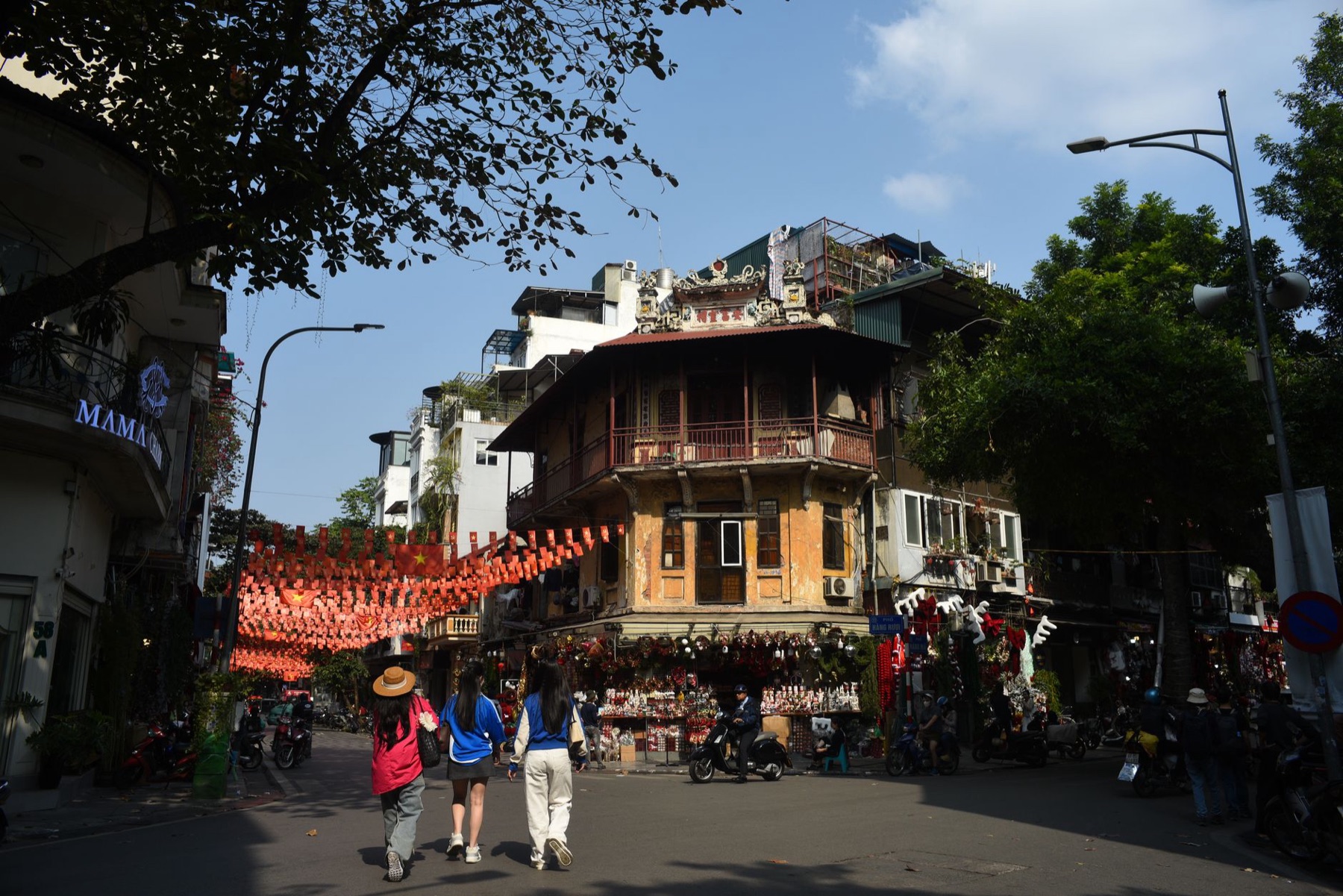
The Old Quarter sells itself on cobblestone romance, but it's now 70% souvenir shops and tourist-priced bia hoi (draught beer). Hoan Kiem Lake draws crowds from 9am onward. Neither is bad—but neither shows you Hanoi. Locals instead walk West Lake's quiet west shore, shop at Hang Be Market before 8am when vendors still have space to move, or spend an afternoon in Tay Ho district where French villas meet modern apartments and no one's selling you anything. The real city lives in those pockets.
Where Should You Start If You've Only Got Three Days?
Day one: arrive early, skip Old Quarter for now. Head to Hang Be Market (Hoan Kiem District, near Red River) around 6:30am. Watch vendors unload fish, fruit, and herbs. Grab a coffee at one of the plastic-stool spots near the market edge—around 25,000–30,000 VND ($1.20–$1.45 USD). Walk north through Hang Dao Street (textiles, silks, old-school shops), then to Long Bien Bridge. Rent a bicycle from a guesthouse (50,000–80,000 VND/$2.40–$3.85 USD for the day) and pedal across.
Day two: West Lake by sunrise (tai chi circles, locals jogging, no tourists yet). Breakfast at a pho stall on Thanh Nien Road. Visit Tran Quoc Pagoda (oldest temple in Hanoi, Tay Ho District, free entry, arrive by 7:30am before tour groups). Spend the afternoon in Hoi An—wait, no: spend it in Hang Gai Street's craft galleries and a hidden coffee shop on an upper floor. Eat dinner at a working-class com tam (broken rice) joint on Au Co Street; rice plus three sides, around 40,000–50,000 VND ($1.92–$2.40 USD).
Day three: French Quarter (Ba Dinh District) in the morning—walk Phan Boi Chau, Ly Thuong Kiet, soak in the tree-lined calm. Visit Ho Chi Minh Mausoleum complex if that interests you (free, but dress respectfully: covered shoulders, knees). Lunch near Hoan Kiem. Afternoon temple hunt: Jade Island Temple (Hoan Kiem Lake's red bridge, small but atmospheric). Evening: cyclo tour through Ba Dinh's side streets with a driver who speaks your language (book through a guesthouse, 300,000–500,000 VND/$14.40–$24 USD for an hour).
🗺️ Plan your route: Vietnam itinerary
What Does a Typical Hanoi Food Tour Really Cost?
Street food tours marketed to tourists run 800,000–1.2 million VND ($38–$58 USD) for three hours. They're fine if you want a guide; they're less fine if you can navigate Google Maps and eat where locals do. Here's the honest split:
| Experience | Who it's for | Cost (VND) | Cost (USD) | What you get |
|---|---|---|---|---|
| Solo street eating (5–6 stops) | Independent, time-rich | 150,000–250,000 | $7.20–$12 | Real portions, real pace, real prices |
| Guided food tour (group, 3 hrs) | Safety-first, want stories | 800,000–1.2M | $38–$58 | Guide handles language, curated stops, faster |
| Cooking class + market (half-day) | Hands-on learners | 1.2–1.8M | $58–$87 | Learn technique, take notes, eat what you made |
| Midnight pho crawl (solo) | Night owls, adventurous | 100,000–200,000 | $4.80–$9.60 | Pho, bia hoi, local crowd, 9pm–midnight |
If you speak zero Vietnamese, a guide adds value. If you're patient and willing to point at food, go alone—you'll spend less, eat when you're hungry, and meet other diners instead of tour-group people.
📸 Book an ao dai photoshoot in Hanoi or Saigon (Cáo Studio)
Which Neighborhoods Are Worth Half a Day Each?
Ba Dinh District (French Quarter): Tree-lined streets, colonial architecture, quiet cafes. Walk Ly Thuong Kiet and Phan Boi Chau. Best time: 7–10am or 4–6pm. Eat com tam on Cau Dien Street.
Tay Ho (West Lake): Richer, slower-paced. Morning tai chi at West Lake's waterfront, mid-century French villas, modern apartment blocks. Cafe culture strong. Avoid weekends (too many motorbikes and families). Sunrise walk, then breakfast pho.
Dong Da District (Central Hanoi): Red House Street (Pho Hang Tre area) has independent boutiques, vintage shops, young professionals. Less touristy than Old Quarter. Lunch at a packed com tam stall.
Hoan Kiem Lake edges (Old Quarter acceptable in early morning only): If you must go, arrive by 6:30am, walk the east shore toward Ngo Sy Lien and Hang Trong. Leave by 9am. Egg coffee at a corner stall (50,000 VND/$2.40 USD).
Hang Gai and Hang Bong Streets (Hoan Kiem District): Galleries, craft shops, silks. Quieter than the main tourist drag. Afternoon wander. Avoid 11am–1pm lunch rush.
What Temples and Spiritual Sites Actually Matter?
Tran Quoc Pagoda (Tay Ho District, near West Lake): Hanoi's oldest (11th century). Riverside location, real working monastery, monks in residence. Arrive 6–7am or after 3pm. Free. Small donation expected for shoes if you remove them. Misty mornings best.
One Pillar Pagoda (Ba Dinh District): Tiny, odd architecture, less crowded than expected. 15 minutes max. Free. Next to Ho Chi Minh complex if you're doing both.
Hanoi Old Cathedral (Hoan Kiem District, Nha Chung Street): French colonial, still active, beautiful. Open daily but mass times vary (check notices on door). No fee, quiet interior, peaceful.
Den Tran Vuong (Ba Dinh District, Mac Dinh Chi Street): Less touristy, local worship space, modest entry (free or tiny donation). Morning worship active, atmospheric.
Skip: Thay Pagoda (an hour's drive, over-touristy now) unless you're doing a full-day village tour.
How Do You Actually Meet Local Hanoi People?
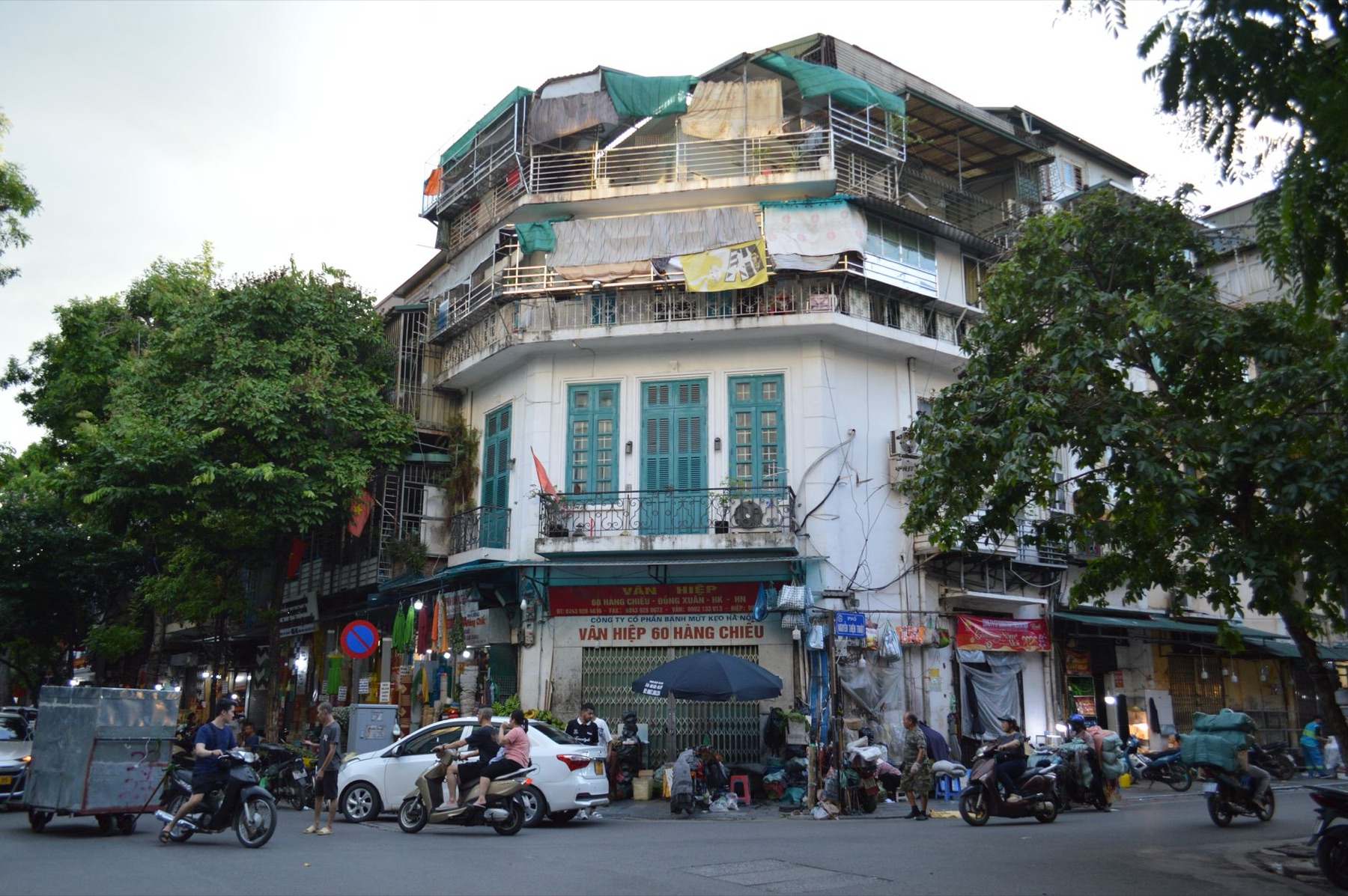
Cooking classes work. Sign up for a morning market + evening class (1.2–1.8 million VND/$58–$87 USD, half-day). You'll cook with the instructor, usually a retired home cook or small-restaurant owner, eat together, ask questions. Real conversation happens.
Tai chi sunrise at West Lake (free, just show up around 5:45am on a weekday near the waterfront on Thanh Nien Road). Locals are used to foreigners joining; do the moves roughly and smile.
Motorbike taxi (Grab or local "xe om" stand) to neighborhoods with no English signage, eat breakfast standing up at a pho stall. Chat via translation app. Hanoi commuters are warm once you're trying.
Coffee culture: sit in a hole-in-the-wall ca phe sua da (iced milk coffee, 20,000–30,000 VND/$0.96–$1.44 USD) in Ba Dinh or Tay Ho for an hour. Locals linger. You can too.
🎟️ Compare tours & tickets for this place
What Should You Bring Home (Beyond Souvenirs)?
Memories matter more than objects, but thoughtful gifts preserve them:
Hand-painted ceramics or pottery: Galleries on Hang Gai sell work by Hanoi artisans—small bowls, cups, vases. Prices start around 200,000–400,000 VND ($9.60–$19.20 USD). Choose something you'd actually use at home. Wrap carefully if flying; ceramics break.
Silk scarves or fabrics: Hang Dao Street. A quality scarf runs 300,000–600,000 VND ($14.40–$28.80 USD). Bargain slightly but not aggressively; vendors know their margins. Touch the fabric—real silk feels alive.
Coffee: Vietnamese coffee is strong, acidic, usually robusta. Buy roasted beans from a small roaster (avoid tourist-trap packaged stuff). Cost: 100,000–250,000 VND ($4.80–$12 USD per 500g). Stores on Hang Be Street or Ba Dinh have good options. Ask the shopkeeper how they roast.
Lacquerware: Plates, boxes, trays with intricate designs. Prices spike for tourist areas (Old Quarter). Better value: smaller galleries in Ba Dinh. Ranges 400,000–2,000,000 VND ($19.20–$96 USD). Lacquer cracks if dropped; handle as fragile.
Ao dai: The traditional tunic. If you want one tailored, budget 1–2 million VND ($48–$96 USD) for a quality fit. Alternatively, book an ao dai photoshoot with professional styling and makeup—captures the garment and you in Hanoi context.
Personalized gifts: Star map prints (specific date you visited Hanoi), engraved boxes, or custom photo prints preserve the exact moment. These work because they're yours, not mass-made. Browse personalized gift collections for ideas.
Learn more about thoughtful keepsake options
What Scams Actually Happen (and How to Dodge Them)?
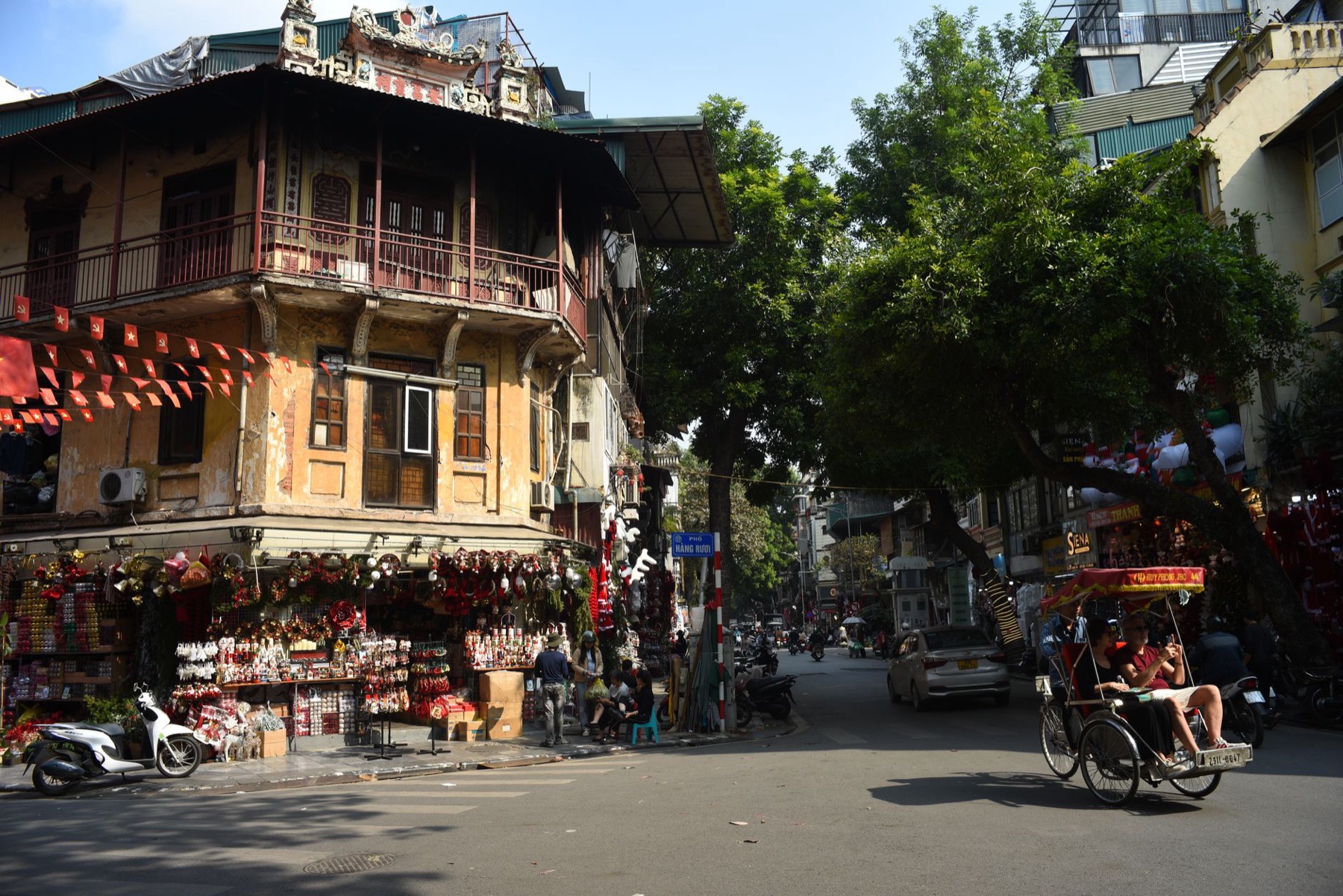
Cyclo overcharges: Agree on price before entering. 300,000–500,000 VND ($14.40–$24 USD) for 1 hour is fair. If a driver says 1 million, walk away; ten others will take 400,000.
Fake meters in taxis: Use Grab (app-based, price locked in advance). If you flag a taxi, use Vinasun or Mai Linh (reputable brands). Never hail a random taxi on the street. Meter should start at 10,000 VND ($0.48 USD); it should tick up fairly. If the meter jumps weirdly, ask the driver to stop and pay only what seems fair.
Drink spiking in Old Quarter bars: Stick to busy, lit venues. Don't accept drinks from strangers. Order from the bartender directly, watch your glass. Avoid tiny "hidden bars" unless you're with locals who vouch.
Gem/silk scams: A "local" befriends you, suggests a "factory tour," pressures you to buy. The "factory" is a shop; prices are triple market rate. Ignore these people entirely.
Overpriced pho for tourists: Pho in the Old Quarter near Hoan Kiem runs 60,000–100,000 VND ($2.88–$4.80 USD) in tourist spots, 35,000–50,000 VND ($1.68–$2.40 USD) one block away. Walk three blocks inland; prices drop.
Photo scams: Street photographers offering "free" prints, then charging 500,000+ VND. Don't engage. Use professional ao dai photoshoots if you want quality portraits.
Before You Book or Buy: Check This
For tours: Verify the company has recent reviews (Tripadvisor, Google, Trustpilot—not site reviews). Ask: "Will there be a guide who speaks English?" and "What's your cancellation policy?" Deposit should be 50% max; full payment only on arrival.
For artisan goods: Look for imperfections—they mean handmade. Flawless ceramics are often molds. Touch textiles to confirm fiber (silk has a particular slip). Ask the seller, "Did you make this?" or "Who made it?" A real answer (even via translation) is good. Vague answers suggest resale.
For food tours: Check group size. Under 8 people = better experience. Over 12 = rushing. Dietary needs? Email ahead. Don't book street-food tours if you have severe food allergies.
For photoshoots: Ask for examples of previous work in Hanoi. Check makeup quality and ao dai selection. Book Cáo Studio if you want consistency and skill in one place.
For flights/transport: Book eSIM before you arrive (Vietnam eSIM) so you can Grab without SIM card delays. E-visa if needed (Vietnam e-visa).
For longer stays: Check full Hanoi neighborhood guide and Vietnam itinerary planner to extend your trip thoughtfully.
---
Hanoi rewards slow movement. A rushed three-day blur hits the highlights; a week lets you find rhythm. Eat where you're the only foreigner, get lost on purpose, sit still for an hour in a cafe. That's Hanoi.
FAQ
Is it safe to walk Hanoi at night alone?
Yes, in most neighborhoods. Old Quarter and Ba Dinh are well-lit. Avoid walking solo in very quiet side streets after midnight. Use Grab rather than flagging taxis late. Women travelers report feeling safe on main streets and busy cafe areas; trust your instincts.
What's the best time of year to visit?
October–November (autumn) and March–April (spring). September–May overall is comfortable. June–August is hot, humid, rainy. December–February can be cold and grey. Avoid Lunar New Year (late January/early February) if you want fewer crowds; it's also low-tourist season, many restaurants close family hours.
Do I need a guide or can I go solo?
Solo is absolutely fine if you have a smartphone, Google Maps, and patience. Guides add value only if you want stories or don't speak Vietnamese. Budget travelers often skip guides; cultural learners often book them for depth.
How much should I budget daily for food?
Street food and local restaurants: 150,000–300,000 VND ($7.20–$14.40 USD) per day eats well. Western cafes and mid-range restaurants: 500,000–1 million VND ($24–$48 USD) per meal. Tourist-trap Old Quarter restaurants: 300,000–800,000 VND ($14.40–$38 USD) for a subpar dish. Eat where locals queue; it's always cheaper and better.
What should I definitely not miss?
An early morning at a neighborhood market (Hang Be, Nhat Tan, or Xuan Phuong). One temple at sunrise. Real pho at a 50-year-old stall. A cyclo ride through Ba Dinh. One afternoon losing time in a back alley on purpose. These five things beat ten famous sights rushed.
FAQ
Is it safe to walk Hanoi at night alone?
Yes, in most neighborhoods. Old Quarter and Ba Dinh are well-lit. Avoid walking solo in very quiet side streets after midnight. Use Grab rather than flagging taxis late. Women travelers report feeling safe on main streets and busy cafe areas; trust your instincts.
What's the best time of year to visit?
October–November (autumn) and March–April (spring). September–May overall is comfortable. June–August is hot, humid, rainy. December–February can be cold and grey. Avoid Lunar New Year (late January/early February) if you want fewer crowds; it's also low-tourist season, many restaurants close family hours.
Do I need a guide or can I go solo?
Solo is absolutely fine if you have a smartphone, Google Maps, and patience. Guides add value only if you want stories or don't speak Vietnamese. Budget travelers often skip guides; cultural learners often book them for depth.
How much should I budget daily for food?
Street food and local restaurants: 150,000–300,000 VND ($7.20–$14.40 USD) per day eats well. Western cafes and mid-range restaurants: 500,000–1 million VND ($24–$48 USD) per meal. Tourist-trap Old Quarter restaurants: 300,000–800,000 VND ($14.40–$38 USD) for a subpar dish. Eat where locals queue; it's always cheaper and better.
What should I definitely not miss?
An early morning at a neighborhood market (Hang Be, Nhat Tan, or Xuan Phuong). One temple at sunrise. Real pho at a 50-year-old stall. A cyclo ride through Ba Dinh. One afternoon losing time in a back alley on purpose. These five things beat ten famous sights rushed.
More: Hanoi guide · Things to do in Hanoi