Hanoi · Things to do
Hanoi Things to Do: Real Guide Beyond Tourist Traps
By Wander in Vietnam editorial team · Hanoi, Vietnam
Hanoi rewards residents and visitors equally—if you skip the Instagram checkboxes. Most people waste time at Hang Buom Street cafés and overpriced "authentic" restaurants in Hoan Kiem District. Real things to do cluster in neighbourhoods most travel blogs ignore: the craft quarter around Hang Gai, the morning lakeside ritual at Tay Ho, the university cafés where Hanoians actually sit.
We've walked these streets often enough to know which activities justify your time and which drain it. Here's what actually works, where to do it, and what to avoid.
What's worth doing in Hanoi's Old Quarter?
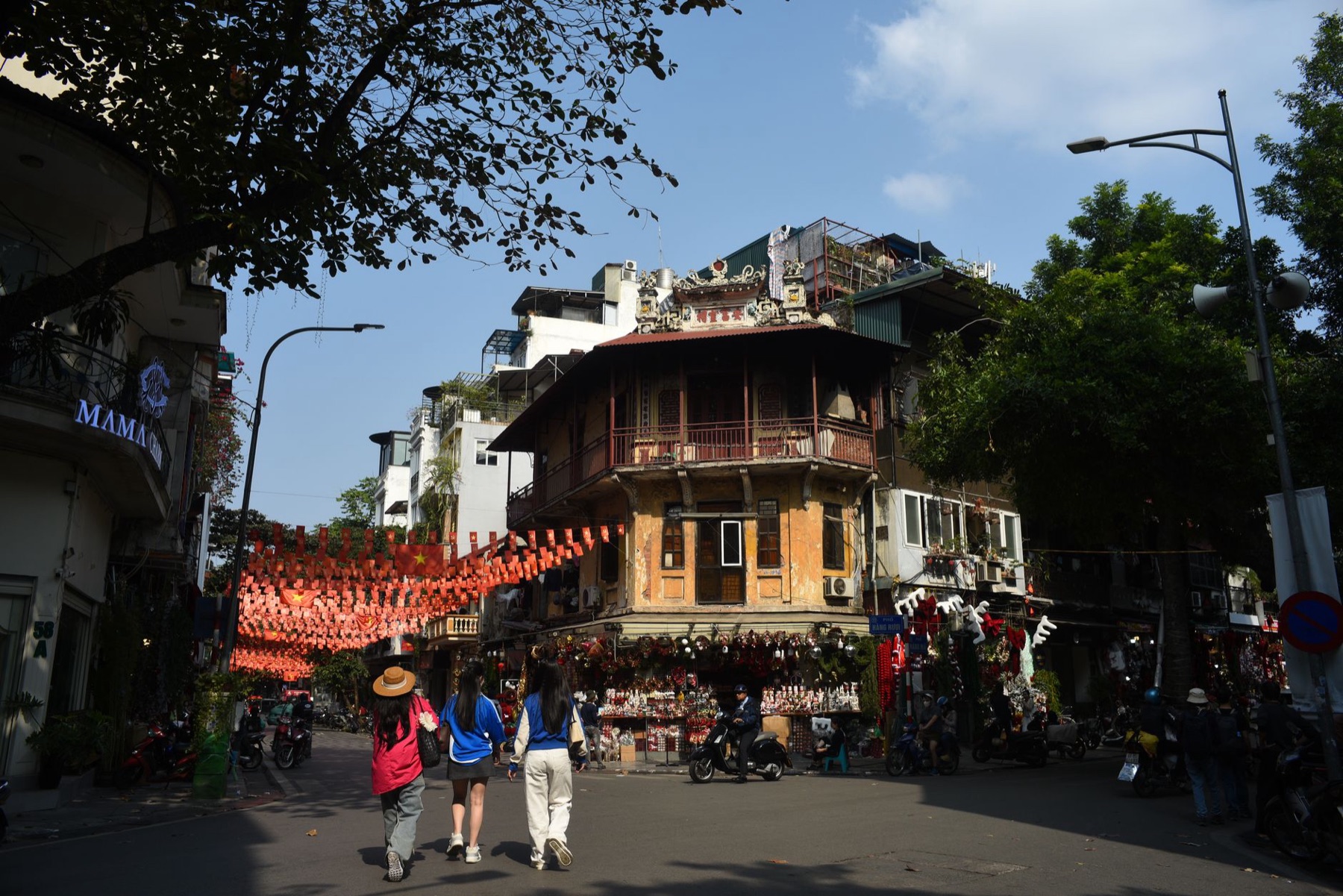
The Old Quarter (36 Streets area, Hoan Kiem District) feels chaotic because it is chaotic—intentionally. Each street once specialised in one craft: Hang Gai (silk), Hang Buom (sail-makers), Hang Dieu (fans). That structure still exists if you look. Walk Hang Gai in morning (6–8am) when shop owners sort stock. Duck into ground-floor workshops to watch silk weavers or leather workers. Most won't mind; some may offer tea.
Skip the tourist trap restaurants on Hang Buom. Instead, find a plastic stool at a street-level pho stand—look for queues of motorbike riders—and eat for around 40,000–60,000 VND ($1.60–$2.40 USD). The pho there tastes identical to restaurants charging 150,000 VND, minus the fake "charm."
Night-time Old Quarter walking is overrated. It's loud, crowded, and you'll bump elbows with 400 other tourists. Morning walks or late afternoon (4–6pm) work better. Bring a small day pack, wear shoes you can walk in, and accept that you'll get lost. That's the point.
🗺️ Plan your route: Vietnam itinerary
Where should I see temples and pagodas?
Ba Dinh District holds the temples Hanoians actually visit: Tran Quoc Pagoda (on a small island in Tay Ho Lake, founded 541 AD) and One Pillar Pagoda (near Ho Chi Minh Mausoleum). One Pillar draws crowds before 10am and after 3pm; visit 10:30–2pm for breathing room. Entry is free but donation bowls are standard (around 20,000–50,000 VND if you choose).
Tran Quoc Pagoda charges no entry fee. It's less crowded than One Pillar, has water views, and feels less performative. Go early morning (6–7am) to see monks doing chanting. Dress respectfully: covered shoulders and knees; remove shoes when entering main halls.
Van Mieu – Quoc Tu Giam (Temple of Literature, Dong Da District) is where Hanoi's royal family studied. It's UNESCO-listed and genuinely beautiful, not overrun until 11am. Entry around 30,000 VND. The courtyards are real; the gift shop is fake. Guides patrol offering tours; their information is standard, not worth the price.
Avoid mid-day temple visits (11am–3pm). Go early, bring water, wear sun protection.
Which lakes and parks have the best early-morning energy?
Tay Ho Lake (northwest of Old Quarter) hosts tai chi sessions around 5:30–7am along the western shore near Quang Ba flower market. You'll see elderly locals and visiting expats moving in unison. No cost, no booking. Just show up and stand at the edge. It's meditative and real.
Hoan Kiem Lake (Hoan Kiem District) has a dawn running and walking crowd. The circuit is flat, about 1.6km. Sunrise here (around 5:15am in summer, 6:30am in winter) is worth the early alarm. Coffee stands open at 5am around the southeast corner.
Thong Nhat Park (Ba Dinh District, near Ho Chi Minh Mausoleum) is massive and underused. Locals bike and jog here; tourists rarely arrive before 9am. Entry is free. The southern end has a small lake and shaded seating.
Skip these lakes during peak heat (12–3pm). Morning visits pay off; sunset visits get crowded fast.
📸 Book an ao dai photoshoot in Hanoi or Saigon (Cáo Studio)
How do I experience street food correctly?
Street food in Hanoi isn't an activity—it's survival. Eat standing up, point at what you want, pay when finished. Don't ask for recommendations from other tourists. Watch where Hanoians queue and join them.
Bun cha (grilled pork with noodles, eaten at lunch) lives in Ba Dinh and Dong Da districts. Expect 50,000–80,000 VND per bowl. Banh mi (filled baguette) costs 25,000–40,000 VND. Cha ca (fish cake specialty, Hoan Kiem District on Cha Ca Street) runs 100,000–150,000 VND for a full plate but portions are huge.
Egg coffee is real and overrated. Tourists flock to Egg Coffee shops in Hoan Kiem charging 50,000–80,000 VND. Local coffee shops serve identical drinks for 20,000–30,000 VND without the queue.
| Dish | Best area | Price (VND) | When to eat |
|---|---|---|---|
| Pho | Old Quarter, Ba Dinh | 40,000–60,000 | Breakfast (6–9am) |
| Banh mi | Everywhere | 25,000–40,000 | Lunch or snack |
| Cha ca | Cha Ca Street | 100,000–150,000 | Lunch (11am–2pm) |
| Bun cha | Ba Dinh, Dong Da | 50,000–80,000 | Lunch |
| Com tam | Scattered stands | 30,000–50,000 | Lunch, early dinner |
Eat at peak eating times (7–8am for breakfast, 11:30am–1pm for lunch). Avoid isolated street stalls late at night. Food hygiene varies wildly; stick to busy, turnover-heavy vendors.
Should I take a day trip from Hanoi?
Hanoi itself doesn't justify more than 3 days. Most visitors spend 2–3 days walking and eating, then leave. Day trips are where Hanoi region shines.
Ninh Binh (90km south, 2–2.5 hours by motorbike) has limestone mountains, boat rides through flooded caves, and bicycle routes through rice fields. Hire a motorbike and driver from your hostel (around 500,000–800,000 VND for full day, split with others) or book a group tour. Stay overnight if you can; day-tripping is rushed.
Ha Long Bay (160km northeast, 3 hours by car) is iconic and visibly degraded. Overnight cruise booking is standard. Book directly with operators in Hanoi's Cat Ba Street area (Hoan Kiem District) rather than through agencies; you'll pay 30–40% less. Most cruises are mid-range; avoid the cheapest "party boats."
Sapa (380km northwest, 6–8 hours by vehicle or overnight train) is cooler, hillier, and best visited in clear weather. Guides will offer trekking; hire locals directly in town rather than pre-booking. Homestays in nearby villages (Lao Cai Province) cost less and feel more authentic than Sapa town hotels.
Read our full guides to each destination: Ninh Binh, Ha Long Bay, and Sapa for detailed breakdowns.]
🎟️ Compare tours & tickets for this place
What experiences should travellers skip?
Water puppet theatre (Thang Long Theatre, Hoan Kiem District) is cultural and touristy simultaneously. Tickets around 100,000–200,000 VND. It's not bad—puppetry is genuinely skilled—but you're sitting with 300 other tourists and the English-language show adds no depth. Go if you have time, skip if you don't.
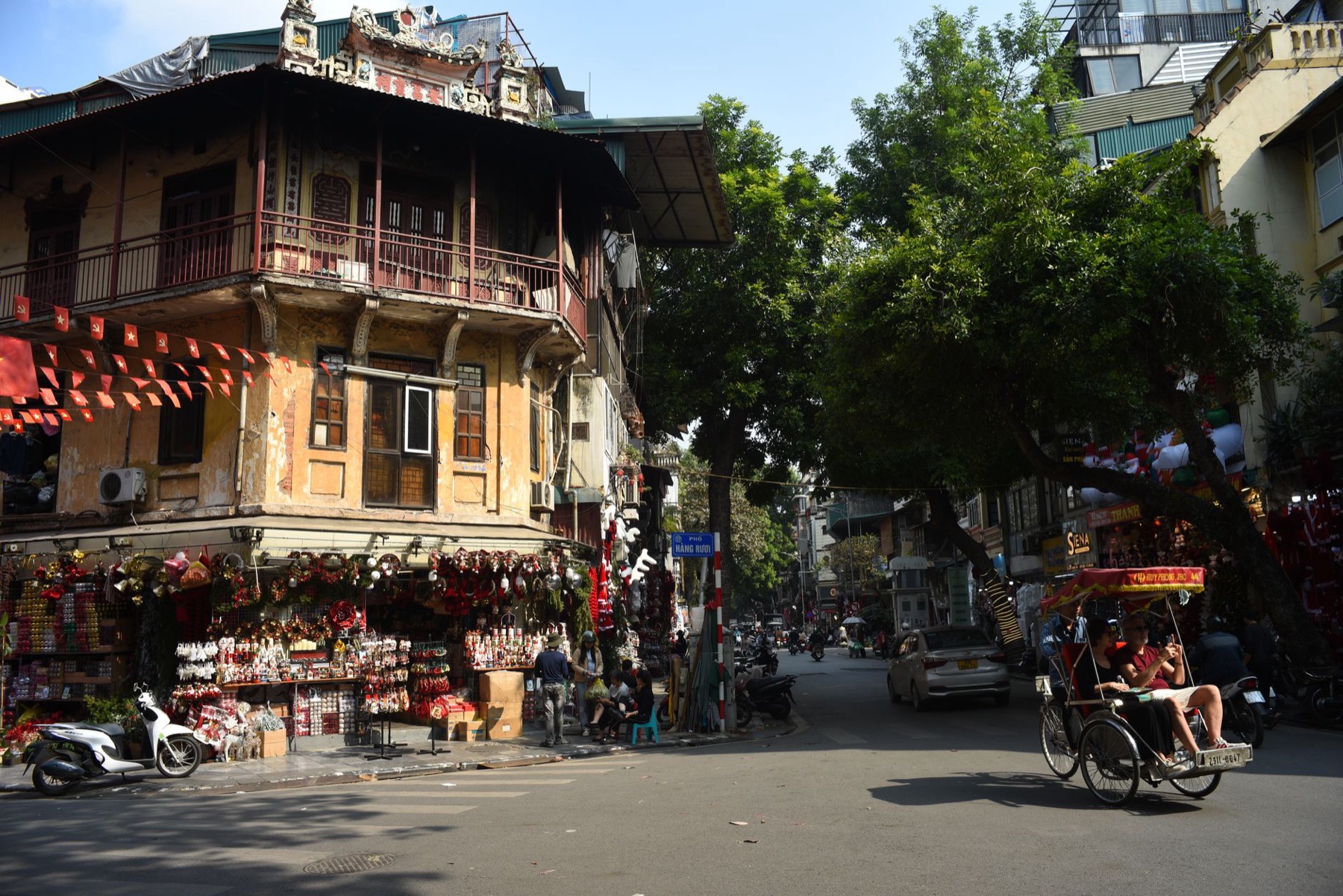
Cyclo rides through the Old Quarter feel romantic and are almost always overpriced. Negotiate hard (50,000–100,000 VND for 30 minutes, depending on distance). Many cyclos are unmaintained; request a sturdy one with good brakes if you proceed.
Hanoi's "French Quarter" (around Hoan Kiem and Ba Dinh) is exaggerated. Colonial buildings exist but aren't concentrated enough to justify a dedicated tour. Walk it casually while doing other things; don't time-block it.
Rickshaw museums and fake "authentic workshops" are tourist traps. Skip them entirely.
What to check before you book tours or activities
- Book locally in Hanoi, not online. Pre-booked tours cost 50–100% more than walking up to a hostel booking desk or finding an operator in person.
- Verify timing. Temple visits, markets, and tai chi sessions have narrow time windows. Confirm opening hours and crowd patterns the day before.
- Test food stalls once before eating full meals. A small order tests hygiene and taste; reduces regret and digestive risk.
- Bring cash and small bills. Many Old Quarter food stands don't accept cards. Bring 200,000–500,000 VND in mixed denominations.
- Check the weather forecast. Hanoi's heat (April–September) is brutal. Afternoon activities (1–5pm) are nearly impossible without heat exhaustion. Plan shade and water breaks.
- Walk with a basic offline map app. Google Maps works inconsistently; download an offline map or use Maps.me.
For meaningful keepsakes, consider items tied to Hanoi's craftwork—silk scarves, lacquerware, or ceramics. Browse our handcrafted collections to find thoughtful gifts that support local artisans.
📸 Book an ao dai photoshoot in Hanoi or Saigon (Cáo Studio)
---
Real Hanoi isn't a checklist. It's slow coffee, morning walks, wrong turns, and eating where you're the only foreigner. The best things to do here cost nothing and require only time and curiosity. Spend 3 days minimum; 5 days is better. Skip the major "attractions" if you're short on time; they'll still exist next year.
Heading north to the mountains or south to the Mekong? Check our Vietnam itinerary planner for routing and timing tips across regions.
FAQ
Is Hanoi safe to visit?
Hanoi is safe for tourists. Petty theft and bag-snatching from motorbikes occur, especially in Old Quarter at night. Keep valuables secured, avoid displaying phones or cameras carelessly, and stick to main streets after dark. Violent crime against tourists is rare. Negotiate prices with motorbike taxis and cyclos before boarding.
How many days should I spend in Hanoi?
Plan 3–4 days minimum. Two days covers Old Quarter and lakes superficially. Three to four days allow slower exploration, temple visits, and one day trip. Five days lets you visit Ninh Binh or Ha Long Bay without rushing. Most visitors spend 2–3 days and leave unsatisfied because they tried to see too much.
When is the best time to visit Hanoi?
October–November and March–April offer cool, dry weather ideal for walking. December–February is cold but clear (15–20°C). April–September is hot and humid (30–35°C+); indoor activities and early morning/late evening outings work better. Avoid Lunar New Year (late January–early February) when the city shuts down and prices spike.
What should I avoid in Hanoi?
Avoid Hang Buom Street restaurants, overpriced cyclo rides, fake water puppet shows, and mid-day outdoor activities in summer. Don't buy from aggressive street vendors without confirming prices first. Skip solo motorbike rentals if inexperienced; hire drivers or join group tours instead. Avoid isolated areas after 11pm.
Do I need a visa for Hanoi?
Most visitors need a Vietnam visa. Apply online via Vietnam e-visa (approval 3–5 business days) or arrange on arrival at Noi Bai Airport. Citizens of ASEAN nations, Russia, South Korea, Japan, and a few others get visa-free entry. Check requirements before booking flights.
How do I get around Hanoi?
Walk for short distances (Old Quarter, lake circuits). Use Grab (ride-hailing app) for longer trips—reliable, cheap (around 30,000–80,000 VND for 5km), and fare-metered. Buses exist but are confusing for new visitors. Rent a motorbike only if experienced in chaotic traffic. Skip taxis; Grab is safer and cheaper.
FAQ
Is Hanoi safe to visit?
Hanoi is safe for tourists. Petty theft and bag-snatching from motorbikes occur, especially in Old Quarter at night. Keep valuables secured, avoid displaying phones or cameras carelessly, and stick to main streets after dark. Violent crime against tourists is rare. Negotiate prices with motorbike taxis and cyclos before boarding.
How many days should I spend in Hanoi?
Plan 3–4 days minimum. Two days covers Old Quarter and lakes superficially. Three to four days allow slower exploration, temple visits, and one day trip. Five days lets you visit Ninh Binh or Ha Long Bay without rushing. Most visitors spend 2–3 days and leave unsatisfied because they tried to see too much.
When is the best time to visit Hanoi?
October–November and March–April offer cool, dry weather ideal for walking. December–February is cold but clear (15–20°C). April–September is hot and humid (30–35°C+); indoor activities and early morning/late evening outings work better. Avoid Lunar New Year (late January–early February) when the city shuts down and prices spike.
What should I avoid in Hanoi?
Avoid Hang Buom Street restaurants, overpriced cyclo rides, fake water puppet shows, and mid-day outdoor activities in summer. Don't buy from aggressive street vendors without confirming prices first. Skip solo motorbike rentals if inexperienced; hire drivers or join group tours instead. Avoid isolated areas after 11pm.
Do I need a visa for Hanoi?
Most visitors need a Vietnam visa. Apply online via [Vietnam e-visa](/vietnam/visa) (approval 3–5 business days) or arrange on arrival at Noi Bai Airport. Citizens of ASEAN nations, Russia, South Korea, Japan, and a few others get visa-free entry. Check requirements before booking flights.
How do I get around Hanoi?
Walk for short distances (Old Quarter, lake circuits). Use Grab (ride-hailing app) for longer trips—reliable, cheap (around 30,000–80,000 VND for 5km), and fare-metered. Buses exist but are confusing for new visitors. Rent a motorbike only if experienced in chaotic traffic. Skip taxis; Grab is safer and cheaper.
More: Hanoi guide · Things to do in Hanoi