Hanoi · Things to do
Hanoi Travel Guide 2026: Neighborhoods, Eats & What to Skip
By Wander in Vietnam editorial team · Hanoi, Vietnam
Hanoi doesn't photograph like Hoi An or feel as easy as Da Nang—that's the point. The capital rewards curiosity and punishes rigid itineraries. We've navigated its contradictions long enough to know which cafés stay open late, which markets close by noon, and when a "friendly" cyclo driver is actually angling for a scam. This guide cuts past the Instagram spots and tells you what actually works.
🗺️ Plan your route: Vietnam itinerary
Which neighborhoods should you actually spend time in?
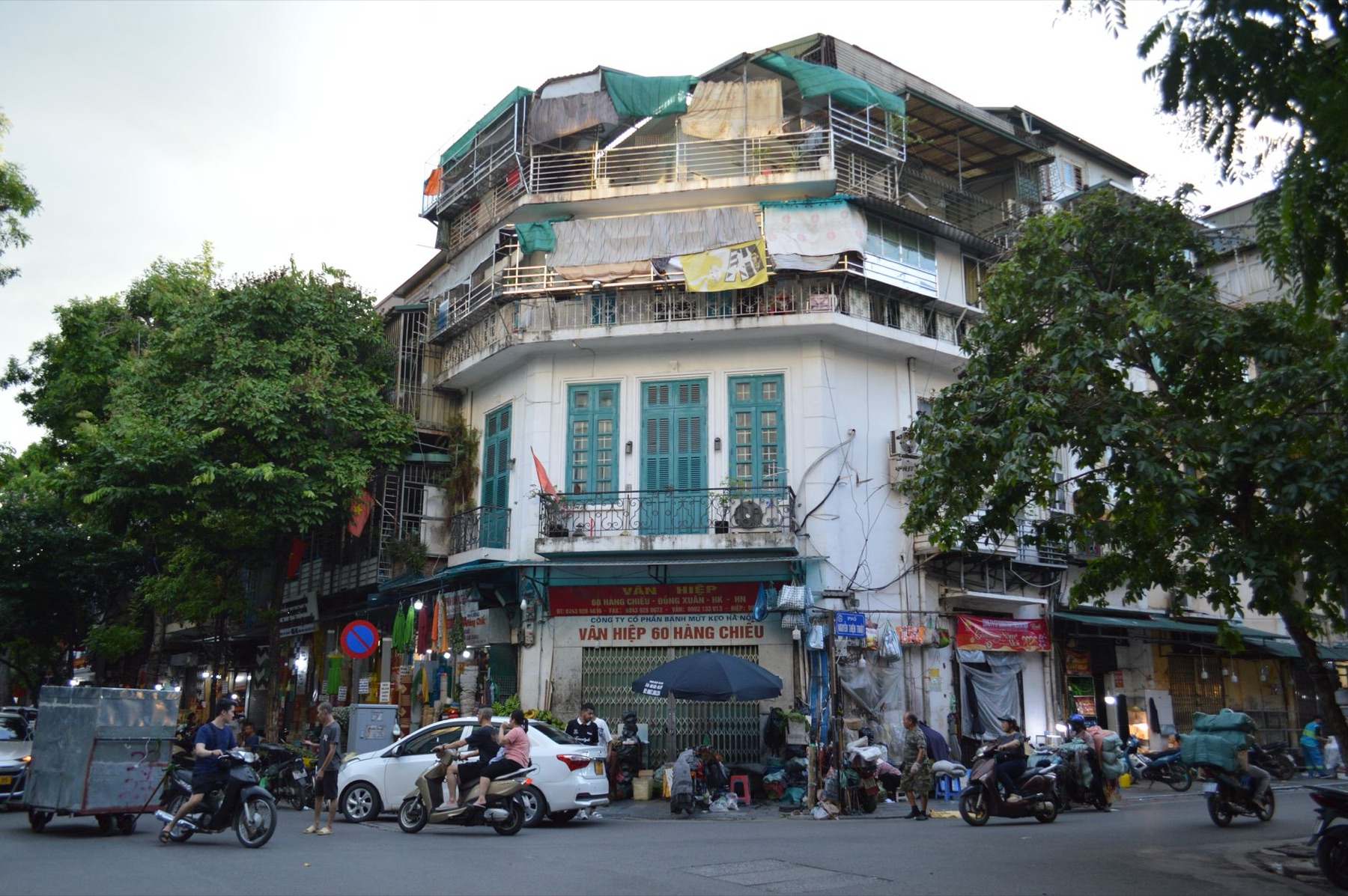
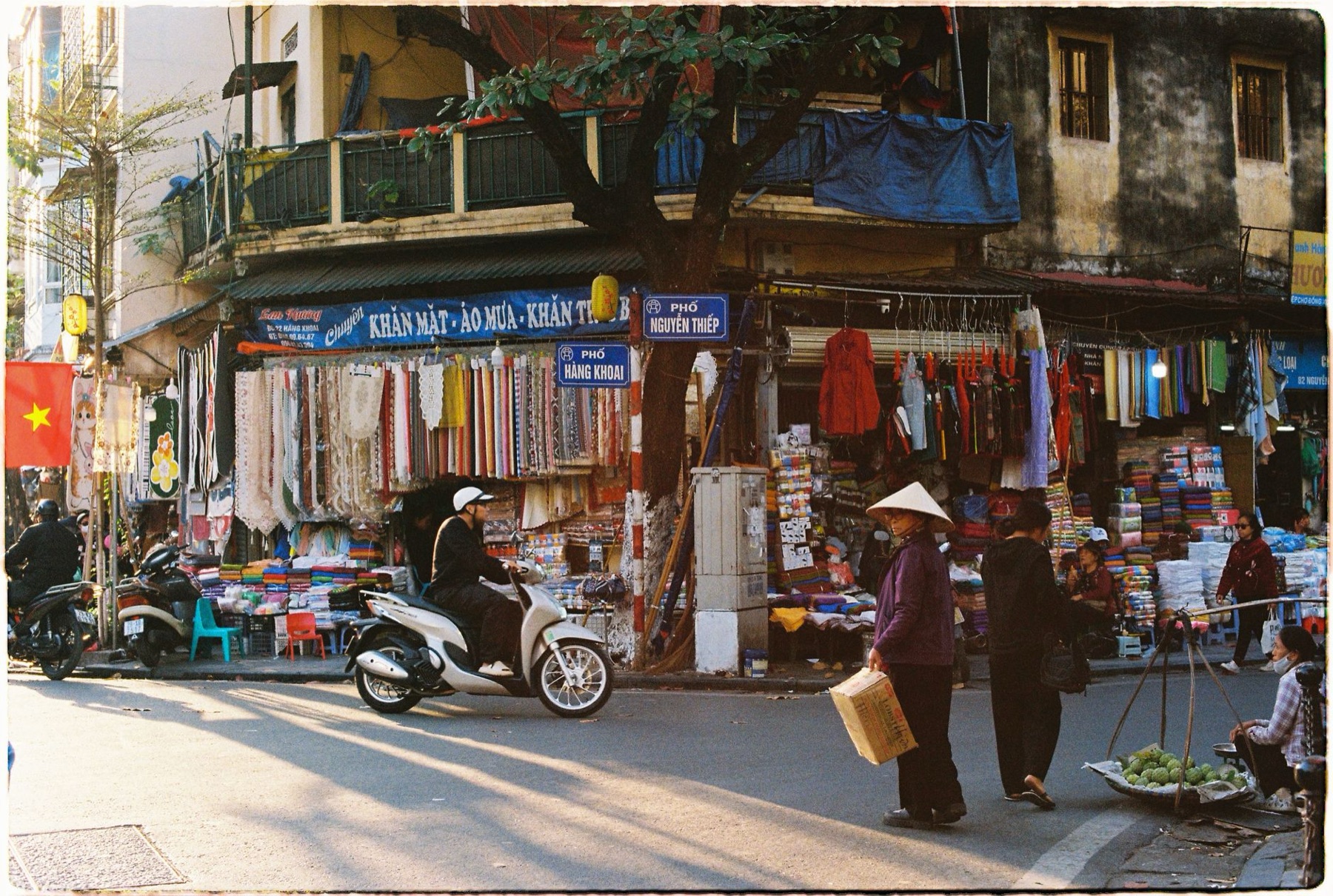
The Old Quarter (Hoàn Kiếm district) feels like sensory overload—motorbike horns, street food smoke, silk scarves piled in shop windows. It's cramped, loud, and necessary for at least one or two nights to understand Hanoi's soul. Avoid Tạ Hiện Street after 9 p.m. unless you want beer bucket chaos; walk Hàng Bè, Hàng Gai, and Hàng Nón instead for quieter versions of the same atmosphere.
West Lake (Tây Hồ district) is where locals live, work, and eat properly. The waterfront is overdeveloped with bland cafés, but venture inland—Yên Phú ward, Quảng An—and you'll find family restaurants serving turtle soup (if you eat it), fresh crab, and noodle dishes tourists never find. Sunset here beats the Old Quarter by miles, and a beer costs around 30,000–50,000 VND ($1.50–2.50) instead of 150,000 ($7.50) near the lake's main drag.
Ba Dinh (Ba Đình district) holds the Ho Chi Minh Mausoleum, Presidential Palace gardens, and the Temple of Literature. If temples and museums matter to you, spend half a day here. Arrive by 7:30 a.m. to avoid queues at the Mausoleum; it closes midday and weekends are mobbed. The neighborhood itself is quiet, tree-lined, and feels like Old Hanoi—worth a walk even if the formal sites don't appeal.
Tây Hồ (lakeside villas, expat cafés) and Thủ Lệ (hipper galleries, craft beer) suit afternoon or evening walks. Don't plan a full day—they're supplements, not main events. Đống Đa and Thanh Xuân are purely residential unless you're hunting a specific market or staying in an Airbnb.
What street food should you eat, and where?
Pho is not breakfast in Hanoi; it's dawn food. Roll out of bed by 6:30 a.m. and walk to a pho stall in the Old Quarter, Ba Dinh, or near your hotel. A bowl costs around 40,000–60,000 VND ($2–3). Sit on a plastic stool, order broth and rice noodles, add herbs from the plate on the table, pay cash. Phở Thin on Mã Mây Street is famous and decent, but the real magic is the unnamed cart on a side street that moves when it sells out.
Bún chả (grilled pork patties, noodles, dipping sauce) is lunch food. Hunt for it in the Ba Dinh or Hoàn Kiếm districts around 11 a.m.–1 p.m. A plate costs around 50,000–80,000 VND ($2.50–4). Đồn Núi quarter near Hoàn Kiếm Lake has a small strip known for it.
Bánh mì is a bus-station food and tourist trap most of the time. If you must eat it, grab it from a woman with a cart near Hàng Gai or Hàng Bè at midday, around 20,000–30,000 VND ($1–1.50). Avoid shop versions.
Egg coffee at a Tây Hồ or Hoàn Kiếm café is worth trying once, around 45,000–70,000 VND ($2–3.50). The whipped egg foam is silky and the ritual is charming, but one cup is enough; don't loop back to six different cafés for the same drink.
Crab at a street-level restaurant in Tây Hồ or Old Quarter is memorable. A plate with beer runs around 150,000–300,000 VND ($7.50–15), but sharing drops the per-person cost. Avoid tourist-zone restaurants; walk inland and ask your hotel staff for a real spot.
Bún cua (crab noodle soup) and mít chiên (fried jackfruit) are underrated and cheap (30,000–50,000 VND / $1.50–2.50). Look for these at morning and lunch carts, not evening restaurants.
🎟️ Compare tours & tickets for this place
How do you navigate the Old Quarter without getting trapped?
The Old Quarter's 36 streets each historically sold one product—silk, tin, silk, spice—but now mix tourist trinkets, tailors, and restaurants. The grid is logical once you map it: Hàng Bông runs east–west through the center; Hàng Gai and Hàng Nón run parallel north; Tạ Hiến is the beer-bucket strip at the north edge.
Use offline Google Maps; mobile signal is fine but apps need pre-loading. Get a local SIM card or rent an eSIM before you land—Vietnam eSIM plans cost far less than roaming and let you call a taxi in real-time if you're lost.
Walk the backstreets, not the main drags. Hàng Bề, Lương Ngọc Quyến, and Chợ Gạo are narrower, quieter, and feel more authentic. Pop into small restaurants—if three old men are eating there, the food is good and cheap.
Don't rent a motorbike unless you've ridden one for years. Hanoi traffic is not a game; it's a semi-organized hazard. Grab (Southeast Asian Uber) costs around 20,000–40,000 VND ($1–2) for a short ride and beats negotiating with cyclos. Taxis are cheaper if you know the meter works; insist it's on.
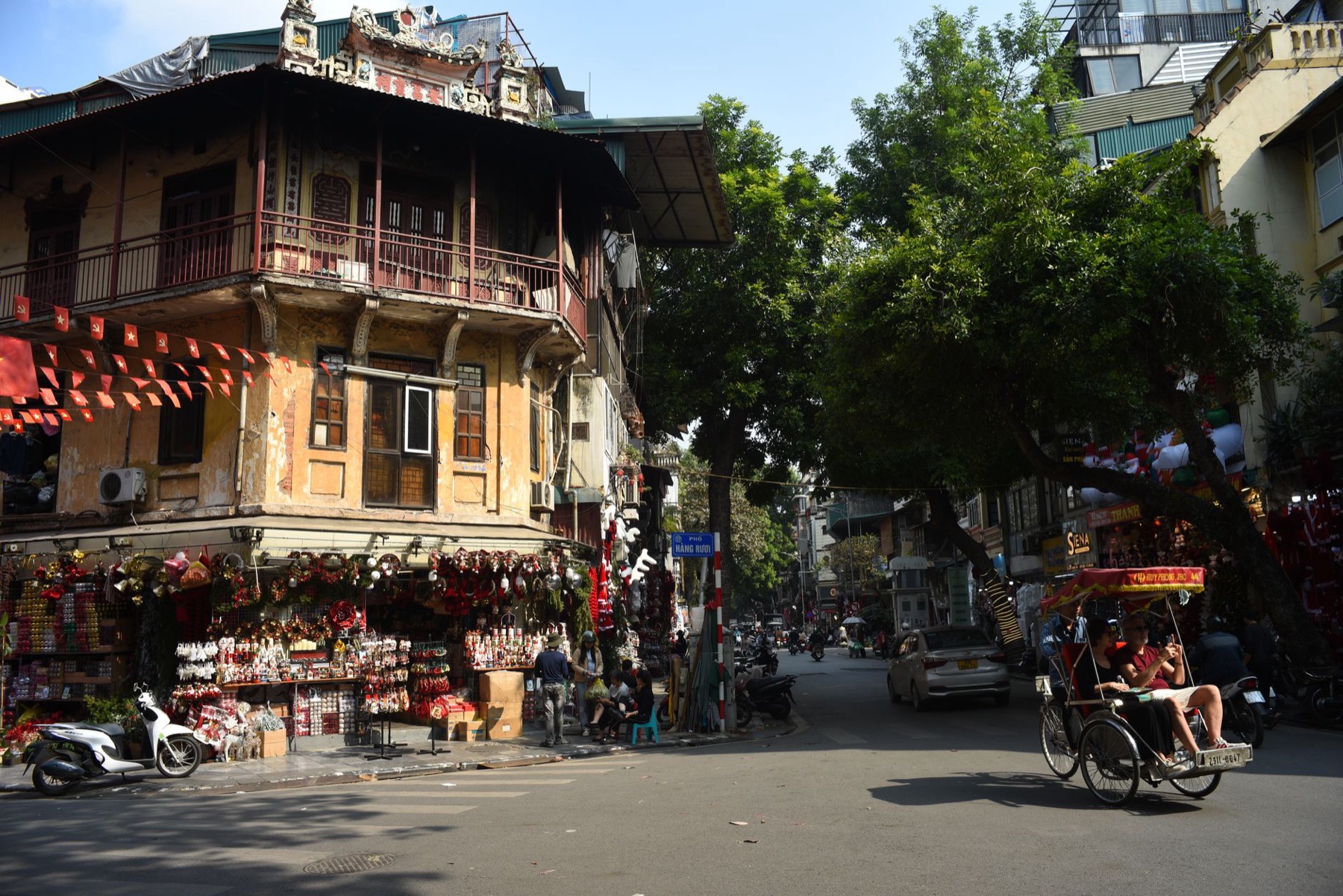
Cyclos are tourist transport, not local. A 20-minute ride costs 100,000–200,000 VND ($5–10) and drivers often "forget" to agree on a price first. If you ride one, negotiate hard and agree on price before sitting down.
Which famous Hanoi sites are worth the time, and which are overrated?
| Site | Verdict | Time Cost | Skip If | Better Alternative |
|---|---|---|---|---|
| Ho Chi Minh Mausoleum | Necessary once; long queue | 2 hrs | Queues stress you | Visit early (7 a.m.) |
| Temple of Literature | Quiet, beautiful, authentic | 1.5 hrs | Museums bore you | Walk grounds; skip interiors |
| Hoan Kiem Lake walk | Overrated; crowded evenings | 45 min | You need peace | Early morning lap at 6 a.m. |
| Old Quarter nightlife | Overpriced, touristy | 2 hrs + | You want local vibes | Tây Hồ cafés, Thanh Xuân bars |
| Water Puppet Theatre | Charming but short; €12–20 | 1.5 hrs | Traditional shows tire you | Book tickets 1 day ahead to avoid markup |
| Vietnamese Women's Museum | Rare gem; free entry | 1.5 hrs | Art museums don't appeal | Underrated; go for it |
The Mausoleum is queued by 8:30 a.m. in warm months. Dress respectfully (no tank tops, shorts above knee). Your camera is confiscated at the gate; leave it at your hotel.
Hoan Kiem Lake is beautiful at sunrise (around 5:30–6 a.m. depending on season), brutally crowded by 7 a.m., and miserably hot by 10 a.m. A lap takes 45 minutes; go early or skip it entirely.
Water puppet theater is uniquely Vietnamese but pricey for tourists (around 100,000–150,000 VND / $5–7.50). Book online or through your hotel; street touts add 30% markup. The show is 50 minutes, charming, and hypnotic if you understand a bit of it beforehand (YouTube clips help).
The Temple of Literature is peaceful and free. Go on a weekday morning before 10 a.m.; weekends are school trips and noise. The architecture matters more than the plaques inside.
📸 Book an ao dai photoshoot in Hanoi or Saigon (Cáo Studio)
What are the common scams and how do you dodge them?
Taxi meters. Insist the meter starts at zero. A legitimate taxi (Hanoi Taxi, Thanh Nga) costs around 13,000 VND per km ($0.65). A "fixed price" scam charges 200,000 VND ($10) for a 2 km ride. Grab app avoids this entirely.
Cyclo and motorbike-taxi prices. Agree on price first in writing or text. A driver who says "we talk later" is going to overcharge you by 3–5x at the end.
Silk tailors. A tailor will promise a custom áo dài or suit in 24 hours, take your deposit, and vanish or deliver garbage. Only use tailors your hotel or a trusted contact recommends. Budget 7–10 days, not 2. If you want a fast, professional áo dài photoshoot with fitted garments and makeup, book Cáo Studio in Hanoi—they rent or provide ao dai for tourists.
Restaurant bills. Always ask the price before ordering drinks or specials. Some places add phantom items to the bill or hike prices 3x for tourists. Check the receipt; carry a calculator if your Vietnamese is weak.
"Friendly" guides. A stranger who asks where you're from and offers to "show you a real restaurant" will take you to his cousin's overpriced place and get a kickback. Navigate yourself or book a tour with reviews.
Fake eSIMs and SIM cards. Buy at Viettel, VinaPhone, or MobiFone official stores in the airport or Old Quarter, not from street vendors. A local SIM costs around 50,000–100,000 VND ($2.50–5) with 3–5 GB of data.
How do you extend the memory of Hanoi once you're home?
A thoughtful gift brings the trip back every time you see it. Instead of a generic souvenir, consider pieces that capture Hanoi's specific character.
A star map print showing the sky above Hanoi on your arrival or departure night turns a date into a frame-worthy keepsake. It reminds you of that exact evening—whether you watched from West Lake, the Mausoleum grounds, or a hostel rooftop. Personalize it with the date and a one-word memory.
An engraved keepsake box holds mementos—a napkin from your favorite pho stall, a receipt from the water puppet theatre, pressed flowers from a temple courtyard. Engrave the date range of your trip or a Hanoi phrase on the lid (e.g., "Hà Nội, 2026" or "Thủ Đô Tình Yêu"—the Hanoi love capital). Browse personalized keepsake collections to find one that suits your style.
A custom photo book or canvas with images from your trip—or a professional shoot—immortalizes the people and places. If you want polished, styled photos in an áo dài on the streets of Hanoi, book a photoshoot with Cáo Studio; they handle makeup, styling, and a edited digital gallery. A canvas of those photos hangs better than a generic street shot.
An engraved travel journal or leather passport holder reminds you of the trip every time you plan the next one. Engrave coordinates of your favorite restaurant or temple.
A map-themed mug or tote with Hanoi's street layout or old colonial district boundaries makes daily coffee or market trips feel connected to the city. It's practical and conversation-starting.
| Gift Type | Who It's For | Why It Works |
|---|---|---|
| Star map print | Anyone sentimental | Date + moment frozen forever |
| Keepsake box, engraved | Collectors, journalers | Holds real mementos, personalized |
| Photo book, canvas | Visual storytellers | Professional Hanoi images stay visible |
| Travel journal, leather | Planners, writers | Functional + sentimental |
| Map mug or tote | Coffee drinkers, market-goers | Daily reminder, practical use |
Browse personalized gifts for travelers to see what resonates with your trip's vibe.
What to check before you buy a Hanoi travel guide or keepsake
- Verify the year. If your guide says 2024 or earlier, restaurant hours, prices, and metro info may be outdated. Wander in Vietnam updates neighborhood details and scam warnings regularly.
- Check if prices match 2026 inflation. A guide quoting 2022 prices (e.g., pho at 20,000 VND) will mislead you. Budget 50% higher than old prices.
- Confirm visa and eSIM info. Vietnam's entry rules and telecom deals shift yearly. Check official resources (Vietnam immigration, Viettel) alongside your guide.
- If buying a keepsake or gift, verify shipping times (US orders typically arrive in 5–10 days), customization lead times, and the 30-day satisfaction guarantee. Order at least two weeks before you need it for a birthday or milestone.
- Read recent trip reports on Reddit (r/VietNam, r/Hanoi) and travel blogs dated within the last two months to catch new scams or closures.
🗺️ Plan your route: Vietnam itinerary
Hanoi rewards patience and curiosity. Wander the backstreets, eat where people queue, skip the biggest attractions if crowds exhaust you, and carry a gift idea that captures your exact moment in the city. The real Hanoi isn't on a postcard—it's the 6 a.m. pho cart, the cyclo driver who negotiates honestly, and the way West Lake changes color at dusk. Go early, go curious, and go prepared.
FAQ
Is Hanoi safe for solo travelers at night?
Yes, broadly. Women and men solo-travel safely after dark in Ba Dinh, West Lake, and Old Quarter backstreets. Avoid very late nights (after 1 a.m.) in beer-bucket zones (Tạ Hiến). Use Grab instead of unlicensed taxis. Trust your instincts; most issues stem from petty theft, not violence.
How much money do you need per day in Hanoi?
Budget around $20–30 USD per day for food, local transit, and modest activities (pho, noodles, temple visits, Grab rides). Add $10–15 for a single beer or café coffee. Rooms run $10–50 depending on comfort level. Save receipts to track real spending; locals live on far less but tourists spend more.
Should you take a Hanoi walking tour or explore solo?
Solo exploration teaches you the city faster if you have two or three days. Walking tours (book through your hotel or Viator) help if you want specific history or Vietnamese context in one afternoon. A mix works best: walk solo, then book one tour for a neighborhood you find confusing.
Do you need a visa before you land in Hanoi?
Citizens of about 90 countries get 90 days visa-free. Others need an e-visa for Vietnam (apply online 3–5 days before arrival, around $25). Check your passport and nationality first. Arrival visa (at the airport) is slower and costs more.
What's the best time to visit Hanoi?
October–November and March–April. Hanoi's cool season (November–February) has pleasant weather but crowded hotels. Summer (May–September) is humid, polluted, and hot, but fewer tourists and lower prices. Avoid Lunar New Year (late January–February) when the city shuts down and prices spike.
Can you get an eSIM in Hanoi or should you buy before arrival?
Buy or activate a Vietnam eSIM before landing; it's simpler than finding a store in a crowded airport. Local SIM cards (Viettel, VinaPhone) at airport counters cost around 100,000 VND ($5) with data, but setup takes 10–15 minutes. eSIM is faster if your phone supports it.
FAQ
Is Hanoi safe for solo travelers at night?
Yes, broadly. Women and men solo-travel safely after dark in Ba Dinh, West Lake, and Old Quarter backstreets. Avoid very late nights (after 1 a.m.) in beer-bucket zones (Tạ Hiến). Use Grab instead of unlicensed taxis. Trust your instincts; most issues stem from petty theft, not violence.
How much money do you need per day in Hanoi?
Budget around $20–30 USD per day for food, local transit, and modest activities (pho, noodles, temple visits, Grab rides). Add $10–15 for a single beer or café coffee. Rooms run $10–50 depending on comfort level. Save receipts to track real spending; locals live on far less but tourists spend more.
Should you take a Hanoi walking tour or explore solo?
Solo exploration teaches you the city faster if you have two or three days. Walking tours (book through your hotel or Viator) help if you want specific history or Vietnamese context in one afternoon. A mix works best: walk solo, then book one tour for a neighborhood you find confusing.
Do you need a visa before you land in Hanoi?
Citizens of about 90 countries get 90 days visa-free. Others need an [e-visa for Vietnam](/vietnam/visa) (apply online 3–5 days before arrival, around $25). Check your passport and nationality first. Arrival visa (at the airport) is slower and costs more.
What's the best time to visit Hanoi?
October–November and March–April. Hanoi's cool season (November–February) has pleasant weather but crowded hotels. Summer (May–September) is humid, polluted, and hot, but fewer tourists and lower prices. Avoid Lunar New Year (late January–February) when the city shuts down and prices spike.
Can you get an eSIM in Hanoi or should you buy before arrival?
Buy or activate a [Vietnam eSIM](/vietnam/esim) before landing; it's simpler than finding a store in a crowded airport. Local SIM cards (Viettel, VinaPhone) at airport counters cost around 100,000 VND ($5) with data, but setup takes 10–15 minutes. eSIM is faster if your phone supports it.