Hanoi · Things to do
Hanoi Travel Guide 2026: Neighborhoods, Food & What to Skip
By Wander in Vietnam editorial team · Hanoi, Vietnam
Hanoi isn't a checklist city. It's a place where you turn a corner and stumble into a family making pho in an alley, or find yourself haggling at a night market that's been running for forty years. This guide cuts through the noise so you spend money wisely, skip the overrated spots, and actually connect with the place.
Which Hanoi neighborhood fits your trip?
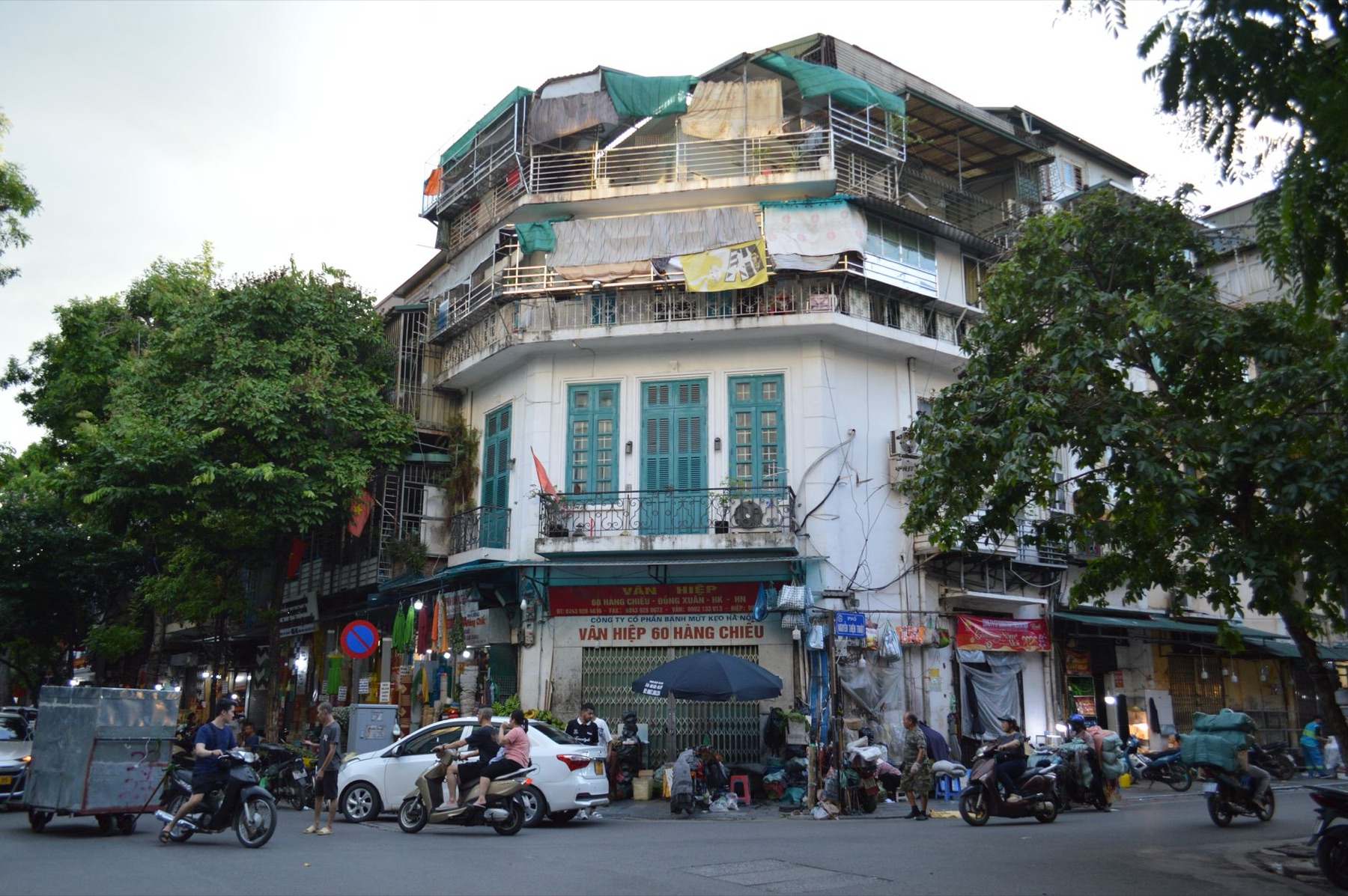
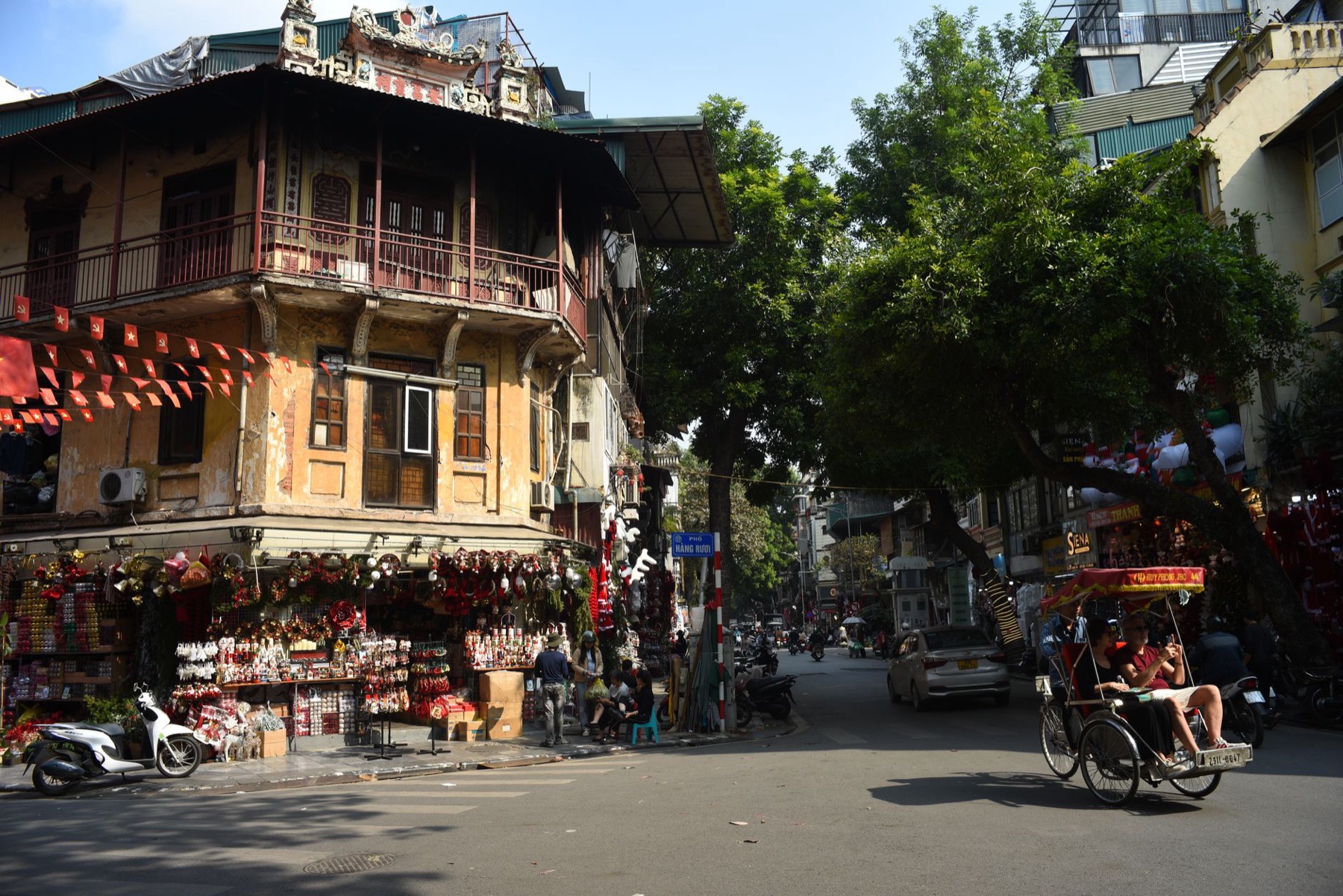
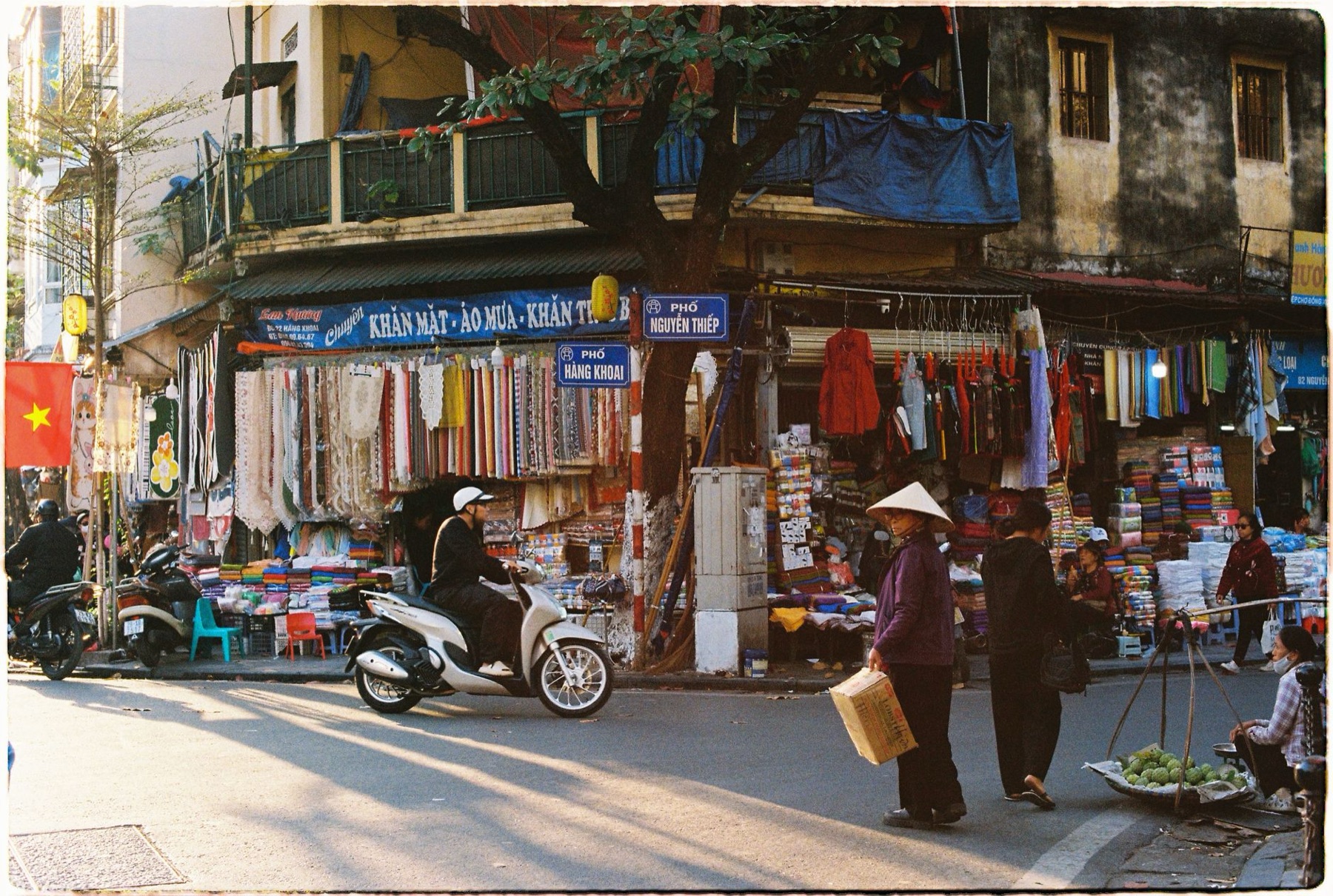
The Old Quarter (Hoan Kiem district, around the lake) is chaos: narrow streets, motorbike gridlock, souvenir stalls, and backpacker bars. If you want Vietnam's frenetic energy and don't mind noise until midnight, stay here. If you want sleep, stay elsewhere.
Tay Ho (Ba Dinh district, northwest) is Hanoi's calm sibling: tree-lined avenues, cafes, expat-friendly restaurants, and West Lake views. It's pricier, quieter, and feels less "Vietnam"—but perfect if you value peace over authenticity.
Ba Dinh (south of Tay Ho) is where locals live and work. You'll find family-run noodle shops, flower streets (Hang Dao area blooms during Tet), and fewer tourists. The Ho Chi Minh Mausoleum is here; queues form early, and you must wear collared shirts and long pants (dress code enforced).
Dong Da (south-central) is residential and cheaper—good for longer stays, cooking classes, or experiencing Hanoi without the performance aspect. Fewer English speakers; more authenticity.
French Quarter (Hoan Kiem, around Hang Bai, Ly Thai To streets) has colonial architecture, boutique hotels, and cafes charging $4–7 for coffee. It's picturesque but sanitized; Instagram-ready, not character-packed.
Start your planning: Explore our Vietnam itinerary planner to map your full trip around Hanoi.
What should you actually eat, and where?
Pho (beef noodle soup): Best consumed at a street stall for around $1–2 per bowl. Pho Bat Dan (street, Hoan Kiem district) has multiple vendors; no names, just arrive 6–7 AM before queues swell. Avoid tourist restaurant versions; the broth loses soul in air-conditioning.
Banh mi (Vietnamese sandwich): $1–2 from bakeries in the Old Quarter. Banh Mi 25 (25 Hang Manh) is famous and crowded; equally good options line every block. Fillings: pâté, cold cuts, pickled vegetables, cilantro. Eat standing at the counter.
Egg coffee (ca phe trung): $2–3 at Old Quarter cafes. Combine it with a baguette for breakfast. Giang Cafe (Hang Gai street) invented it; Wander in Vietnam suggests alternatives like Cafe Giang branches or any hole-in-the-wall spot serving the same drink for half the price.
Bun cha (grilled pork with noodles): $2–4 at lunch-only spots. Bun Cha Nem Cua Be (Nguyen Huu Huan street, Hoan Kiem) is authentic; arrive 11:30 AM before they run out. Mixed by the vendor tableside; sauce is everything.
Night market food (Hang Be street, weekends): Stalls selling spring rolls, grilled squid, sticky rice. $1–3 per portion. Arrive 7 PM; peak energy 8–10 PM. Payment: cash only, no cards.
What to skip: Tourist-heavy restaurants on Nguyen Huu, Hang Bai. Prices jump 300% and broth tastes commercial.
| Dish | Real Price | Best Time | Why Locals Love It |
|---|---|---|---|
| Pho | $1–2 | 6–8 AM | Broth simmered 12+ hours overnight |
| Banh mi | $1–2 | 7–10 AM | Bread fresh daily, crisp exterior |
| Egg coffee | $2–3 | 8–10 AM | Sweet, creamy, visa-fueling |
| Bun cha | $2–4 | 11 AM–1 PM | Charred pork, lime balance |
| Tom yum soup | $2–3 | Any lunch | Prawn-rich, tangy broth |
🗺️ Plan your route: Vietnam itinerary
How do you avoid scams and overpay?
Taxi scams: Unlicensed taxis turn off meters or drive loops. Solution: Use Grab app (ride-hailing, similar to Uber). You see the price upfront; driver tracked by GPS; no disputes. Cost: $1–3 for most trips. Taxis are cheaper but riskier; if using one, ask your hotel to call a reputable company (Hanoi Taxi, Mai Linh).
Gem/silk shop cons: Strangers approach you offering "deals" on rubies or tailored silk. These shops will claim authenticity; they're selling dyed glass or synthetic fabric. Ignore the touts entirely. If you want silk, visit reputable tailors in the French Quarter (Ipa Nima on Hang Trong, for instance) or ask your hotel.
Overpriced tours: Walking-tour operators clump tourists into groups of 15+ and rush through neighborhoods. Book small-group food tours (4–6 people) instead; $30–50 per person for 3 hours. Guides share family recipes and personal connections, not canned scripts.
Money exchange: Airport and hotel rates are 10–15% worse than street rates. Withdraw VND from ATMs in the Old Quarter (Vietcombank ATMs are reliable). Current rate: around 25,000 VND = $1 USD (2026).
Counterfeit goods: Markets sell fake North Face jackets and Gucci bags. You're not saving money; you're buying confiscation risk at airport security. Skip entirely.
Motorbike rentals: Scooters offered at $5/day rarely have insurance; accidents mean you pay the full repair cost. Rent from established shops (speak to your hotel) or use Grab bike (short-distance, driver provided, insured).
---
What counts as overrated in Hanoi?
Hoan Kiem Lake walk: Crowded, especially dawn. Locals exercise here; tourists clog pathways taking selfies. Skip the dawn hype; visit at 4 PM when locals play badminton and the light is golden. Free; 30 minutes.
Hoan Kiem Lake's Turtle Tower: An island pagoda visible across the water. You cannot visit; you can only view it from shore. Photos are fine; don't pay for a "lake tour" promising closer access.
Old Quarter night market (weekend crowds): Authentic, yes—but also claustrophobic and exhausting. Visit on a weekday evening instead (6–8 PM) for the same food stalls without the crush.
Hanoi Hilton Prison Museum: History matters, but the exhibition can feel didactic. Limit to 45 minutes unless you're a Vietnam War historian. Around $5 entry.
Cyclo rides: Tourist-targeted rickshaw tours cost $10–20 for 20 minutes. Romanticized and slow compared to walking or Grab bike. Skip unless it's your birthday and you want the photo.
---
What's genuinely worth your time?
Temple of Literature (Van Mieu, Ba Dinh district): Vietnam's first university (11th century). Gardens, courtyards, stele engravings. Serene, especially before 9 AM. Entry: around $4. Allow 1.5 hours. Avoid weekends when tour groups swarm.
Thang Long Water Puppet Theater (Dinh Le street, Hoan Kiem): 1,000-year-old art form unique to Northern Vietnam. 50-minute shows nightly; $15–20. Book online; front rows offer best sightlines. Performances in Vietnamese; plot is visual, so language doesn't matter.
Ho Tay (West Lake): Rent a bicycle ($3/day) and loop the shore. Stops: Tran Quoc Pagoda (oldest temple in Hanoi, free entry), cafes, flower shops. 3-hour loop. Early morning (6–8 AM) captures the city waking up.
Long Bien Bridge: Hanoi's iconic colonial-era bridge. Walk it at sunrise; locals jogging, fishermen casting lines. Free. 30 minutes. Photography-heavy but authentically atmospheric.
Dong Da Market (Hang Dao area, during Tet season, January/February): Flower street transforms into a carnival of blossoms, vendors, and color. Not a shopping trip—an experience. January–early February only.
Cooking class with locals: Tours offer generic classes; instead, ask your hotel for family-run home-cooking experiences. Typically $25–35, 3–4 hours, includes lunch. You prep, cook, eat with the family. Far better than group instruction.
📸 Book an ao dai photoshoot in Hanoi or Saigon (Cáo Studio) — Capture your Hanoi memories in traditional Vietnamese dress with professional makeup and styling.
---
When should you visit Hanoi, and how long?
Best months: October–November (cool, dry, 15–20°C / 59–68°F) and March–April (mild, sometimes rainy but green). December–February is cold (5–10°C) with occasional frost; locals wear jackets and scarves. May–September is hot and humid (30–35°C / 86–95°F), with afternoon downpours. Avoid Tet (late January/early February) if you dislike crowds and closures; embrace it if you want festival energy.
How many days: 3 days minimum (Old Quarter, food, one temple). 5 days ideal (neighborhoods, cooking class, day trip to Ninh Binh or Ha Long Bay). 7+ days if you're working remotely or exploring surrounding villages.
Day trips from Hanoi:
- Ninh Binh (2 hours south): Karst landscape, river caves, rice fields. Explore Ninh Binh for full details.
- Ha Long Bay (2.5 hours northeast): UNESCO limestone bay, overnight cruises. Plan your Ha Long trip.
- Sapa (6 hours northwest): Hill tribe villages, rice terraces, trekking. See Sapa guide.
---
What to check before booking your Hanoi trip
- Visa: US, UK, Australia citizens need visas. Check Vietnam e-visa requirements and apply online (25–30 days processing). Typical cost: around $25–40.
- SIM card: Grab a Viettel or Vinaphone SIM on arrival (airport or convenience stores) for unlimited 4G. Around $5–8 for 30 days with data. Alternatively, pre-purchase an eSIM for Vietnam before departure.
- Insurance: Travel insurance covering medical evacuation (serious accidents in Hanoi are rare, but travel insurance saves headaches). Check your policy covers Vietnam.
- Accommodations: Book 2–3 months ahead for October–November. Budget: $15–25/night for hostels, $30–60 for mid-range hotels, $100+ for boutique properties.
- Cash & cards: Hanoi uses cash and cards; Grab payments are app-only. Bring USD for currency exchange or withdraw VND at ATMs.
- Dress code: Temples require covered shoulders and knees. Nightlife (bars, clubs) accepts casual Western dress. Avoid swimwear outside beaches.
---
Thoughtful gifts to remember your Hanoi experience
After exploring Hanoi's neighborhoods and tasting its soul, you'll want to carry a piece home. Consider personalized keepsake boxes engraved with Hanoi landmarks or your trip dates—tangible reminders of alley walks and banh mi breakfasts. For photo enthusiasts, custom star map prints showing the night sky on your last evening in the city turn a memory into wall art.
Friends back home will appreciate Vietnam-themed prints or maps of the city—showing Old Quarter streets, West Lake, or your hotel location. Browse our collections pages for designs celebrating Southeast Asian travel.
🎟️ Compare tours & tickets for this place — Book water puppet shows, cooking classes, and day trips directly.
---
Bottom line: How to spend 4 days in Hanoi without regret
Day 1: Arrive, settle in Old Quarter, eat pho breakfast (6 AM), wander Hang Manh and Hang Gai streets, evening water puppet show.
Day 2: Temple of Literature (morning), French Quarter exploration (lunch at a colonial-era cafe), Thang Long Water Puppet Theater repeat (evening alternative) or night market.
Day 3: West Lake loop by bicycle (sunrise), Tran Quoc Pagoda, lunch at lakeside cafe, cooking class or walking food tour (afternoon/evening).
Day 4: Ho Chi Minh Mausoleum (early, ~7:30 AM, to avoid crowds), Ba Dinh market, flower street if Tet season, evening beer bia hoi (cheap draft beer) in the Old Quarter.
Day 5 (optional): Day trip to Ninh Binh or simply rest and revisit a favorite street-food spot.
Hanoi rewards wanderers who slow down. Skip Instagram checklists, eat what smells good, talk to locals (many speak English in tourist areas), and you'll leave with stories, not just photos.
Ready to explore? Plan your full Vietnam itinerary and extend beyond Hanoi to Hoi An, Ho Chi Minh City, or Sapa.
---
FAQ
Is it safe to eat street food in Hanoi?
Yes. Street food is cooked fresh and consumed quickly; high turnover means high safety. Avoid standing puddles and choose vendors with visible customer flow. Stomach issues are rare; most travelers eat street food daily without problems.
How much should I budget per day in Hanoi?
Budget $30–50/day for budget travelers (hostels, street food, free temples). $70–120/day for mid-range (decent hotels, restaurant meals, paid tours). $150+/day for comfort. Flights, visa, and insurance are separate.
What's the best way to get around Hanoi?
Grab app (ride-hailing, $1–3 per trip). Taxis are cheaper but less reliable. Walk Old Quarter on foot (narrow streets, motorbikes everywhere but manageable). Bicycles ($3/day) work for West Lake loops. Avoid motorbike rentals unless experienced.
When does Hanoi get crowded?
October–November (peak season), Tet festival (late January/early February), and summer holidays (June–August) draw crowds. March–April and September are sweet spots: fewer tourists, good weather.
What should I pack for Hanoi?
October–April: light jacket, umbrella (rain). May–September: shorts, breathable clothing, sunscreen, hat. Year-round: comfortable walking shoes (streets are uneven), copy of your passport. Forget formal wear unless dining upscale.
Can I use my phone plan in Hanoi?
International roaming is expensive. Get a local eSIM or SIM card upon arrival—4G is fast and cheap. Download Google Maps and Grab offline; Google Maps works on VPN/eSIM, though some apps need VPN in Vietnam.
FAQ
Is it safe to eat street food in Hanoi?
Yes. Street food is cooked fresh and consumed quickly; high turnover means high safety. Avoid standing puddles and choose vendors with visible customer flow. Stomach issues are rare; most travelers eat street food daily without problems.
How much should I budget per day in Hanoi?
Budget $30–50/day for budget travelers (hostels, street food, free temples). $70–120/day for mid-range (decent hotels, restaurant meals, paid tours). $150+/day for comfort. Flights, visa, and insurance are separate.
What's the best way to get around Hanoi?
Grab app (ride-hailing, $1–3 per trip). Taxis are cheaper but less reliable. Walk Old Quarter on foot (narrow streets, motorbikes everywhere but manageable). Bicycles ($3/day) work for West Lake loops. Avoid motorbike rentals unless experienced.
When does Hanoi get crowded?
October–November (peak season), Tet festival (late January/early February), and summer holidays (June–August) draw crowds. March–April and September are sweet spots: fewer tourists, good weather.
What should I pack for Hanoi?
October–April: light jacket, umbrella (rain). May–September: shorts, breathable clothing, sunscreen, hat. Year-round: comfortable walking shoes (streets are uneven), copy of your passport. Forget formal wear unless dining upscale.
Can I use my phone plan in Hanoi?
International roaming is expensive. [Get a local eSIM or SIM card](/vietnam/esim) upon arrival—4G is fast and cheap. Download Google Maps and Grab offline; Google Maps works on VPN/eSIM, though some apps need VPN in Vietnam.