Hanoi · Itinerary
Hanoi Travel Itinerary: 3 Days to 1 Week by Pace
By Wander in Vietnam editorial team · Hanoi, Vietnam
A realistic Hanoi itinerary starts in the Old Quarter (Day 1: Ho Tay, Hoan Kiem Lake, temple visits), moves to French Colonial architecture (Day 2: Ho Chi Minh Mausoleum, Tran Quoc Pagoda), then explores local markets and day trips (Day 3+: Van Mieu, Ninh Binh, or Ha Long). We build Hanoi itineraries around your pace and interests, not Instagram spots.
Most travelers arrive expecting a quick tick-box tour. Hanoi doesn't work that way. The capital rewards slow walking, morning coffee sessions, and genuine conversation. We've traced dozens of routes through these neighborhoods—what works depends on whether you move fast, prefer culture, or want to eat constantly.
What's the Sweet Spot: 3, 4, or 7 Days in Hanoi?
Three days covers the essentials without burnout: Old Quarter exploration, one major temple or museum, and neighborhood eating. Four days lets you add a day trip (Van Mieu-Quoc Tu Giam or Trang An in Ninh Binh). Seven days means slow mornings, second-layer neighborhoods like Ba Dinh or Tay Ho, cooking classes, and multiple side trips. Fewer than three days? Stick to Old Quarter, Hoan Kiem Lake, and the Ho Chi Minh Mausoleum complex—you'll miss texture but won't regret it.
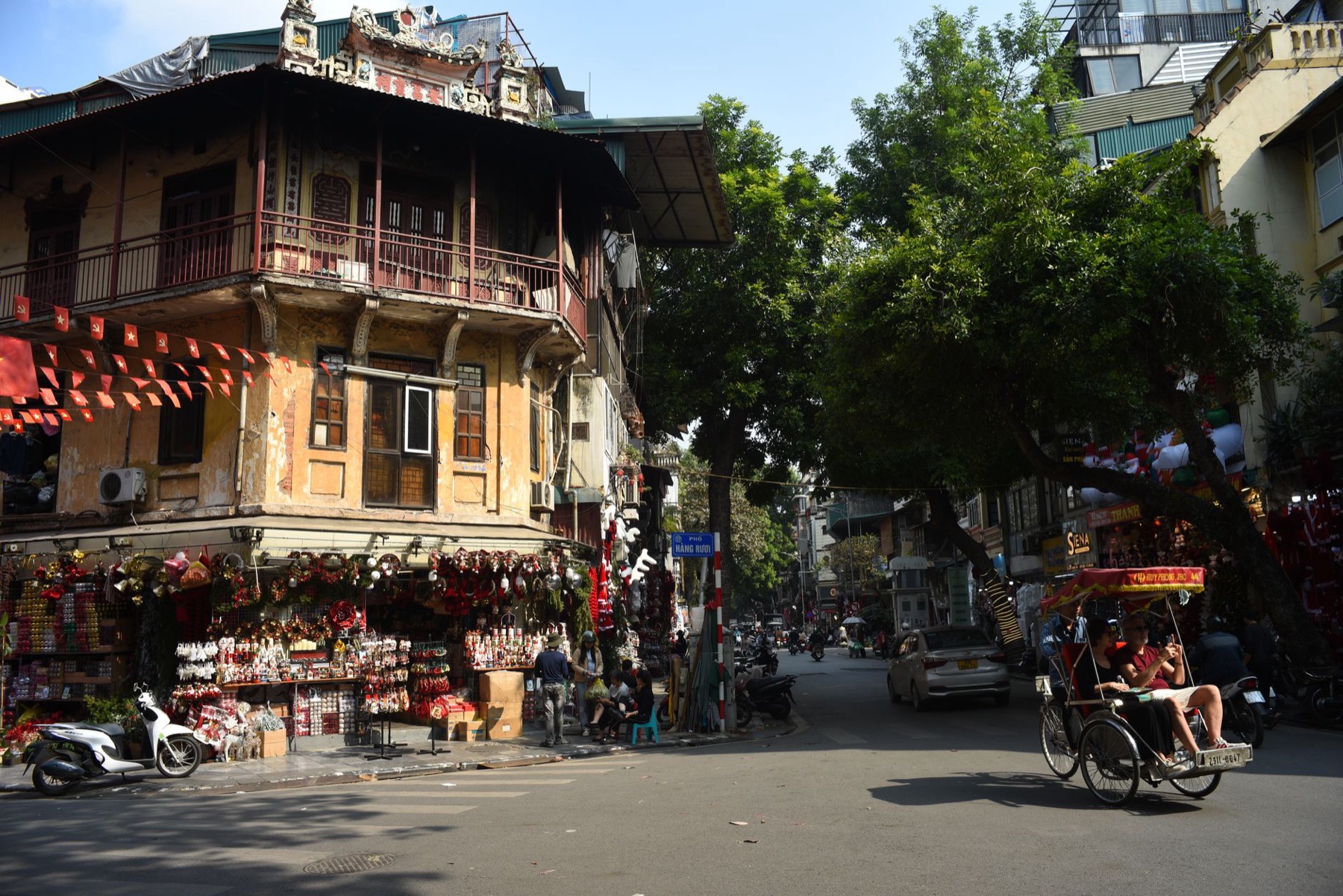
Why the Old Quarter Feels Chaotic (And How to Navigate It)
The Old Quarter (36 phố cổ, Hoan Kiem district) is not chaotic because it's disorganized—it's chaotic because every corner is functional. Each street historically sold one good: shoes on Hang Giay, silk on Hang Gai, tin on Hang Thiec. That's partly true today, though tourism has mixed uses. The noise, motorbikes, and tourist bars (especially around Bia Hoi Corner on Ta Hien Street) can feel overwhelming.
Skip Ta Hien Street at night if quiet matters to you. Instead, walk the same blocks at 7am before sellers open. Visit Hang Buom, Hang Manh, or the eastern edge near Ma May Street—real residents, fewer tourists, and better views of daily life. The cluster around Cau Go Street has older architecture and calmer air.
Motorbike parking is everywhere (around 10,000–15,000 VND ≈ $0.40–$0.60 for your bike), but on foot, tight sidewalks mean watch for delivery bikes and watch your elbows. Pickpocketing happens; keep bags in front and phone secure. Touts selling tours or jewelry will call out—a polite "không, cảm ơn" (no, thanks) or just walking faster works. Don't engage in prices on the street for "tours" or gems unless you know the venue.
🗺️ Plan your route: Vietnam itinerary
Day 1–2 Framework: Cultural Landmarks Without the Crowds
Day 1: Early Morning & Lakes
- 5:30–7am: Walk Hoan Kiem Lake (Hoan Kiem district). Tai Chi, sunrise, no crowds.
- 8–10am: Breakfast at a local pho stall (around 30,000–50,000 VND ≈ $1.20–$2) on Hang Manh or Hang Giay. Queue lines mean it's good.
- 10am–12pm: Ngoc Son Temple (on Jade Island, small entry donation around 30,000 VND ≈ $1.20). Quiet on weekday mornings.
- Lunch: Bun Cha (grilled pork, noodles; 40,000–70,000 VND ≈ $1.60–$2.80) in Hang Than Street or a local canteen.
- Afternoon: Cathedral of St. Joseph or Hanoi Opera House (free to walk outside, architecture).
- Evening: Tay Ho (West Lake) neighborhood—walk, coffee, street food carts.
Day 2: French Quarter & Temples
- Morning: Ho Chi Minh Mausoleum complex (Ba Dinh district). Arrive by 7:30am—queues grow fast. Entry free, but strict dress code (no shorts, covered shoulders). Allow 1 hour.
- 10am–12pm: Tran Quoc Pagoda (oldest pagoda in Hanoi, quiet, water views). Small donation appreciated.
- Lunch: Pho near Thanh Nien Road or Truc Bach Lake.
- Afternoon: Hoa Lo Prison museum (entry around 30,000 VND ≈ $1.20) if interested in history, or explore French Colonial streets (Ly Thuong Kiet, Trang Tien).
- Evening: Dinner in Ba Dinh or walk to Thanh Nien Lake for sunset.
What to Pack for a Hanoi Week: Real Decisions
| Item | Why It Matters | Hanoi Reality |
|---|---|---|
| Lightweight, breathable clothing | 85–95°F humidity year-round | Synthetic dries fast; cotton clings—bring both. |
| Walking shoes (broken in) | Sidewalks are uneven concrete. | Motorbike hazards mean alertness over style. |
| Small day backpack (10–15L) | Motorbikes, street food, museums. | No coat check; you carry everything. |
| Universal adapter + power bank | Outlets not near tourist beds. | Vietnam uses 220V. Buy adapters locally (15,000–30,000 VND ≈ $0.60–$1.20). |
| Sunscreen + hat | Intense UV despite clouds. | Reapply after sweating or water. |
| Comfortable cross-body bag | Pickpocketing in crowded areas. | Backpacks are easier targets than front bags. |
| Phone with offline maps | Google Maps works (use GMaps or Maps.me). | Save offline map before losing signal. |
🎟️ Compare tours & tickets for this place
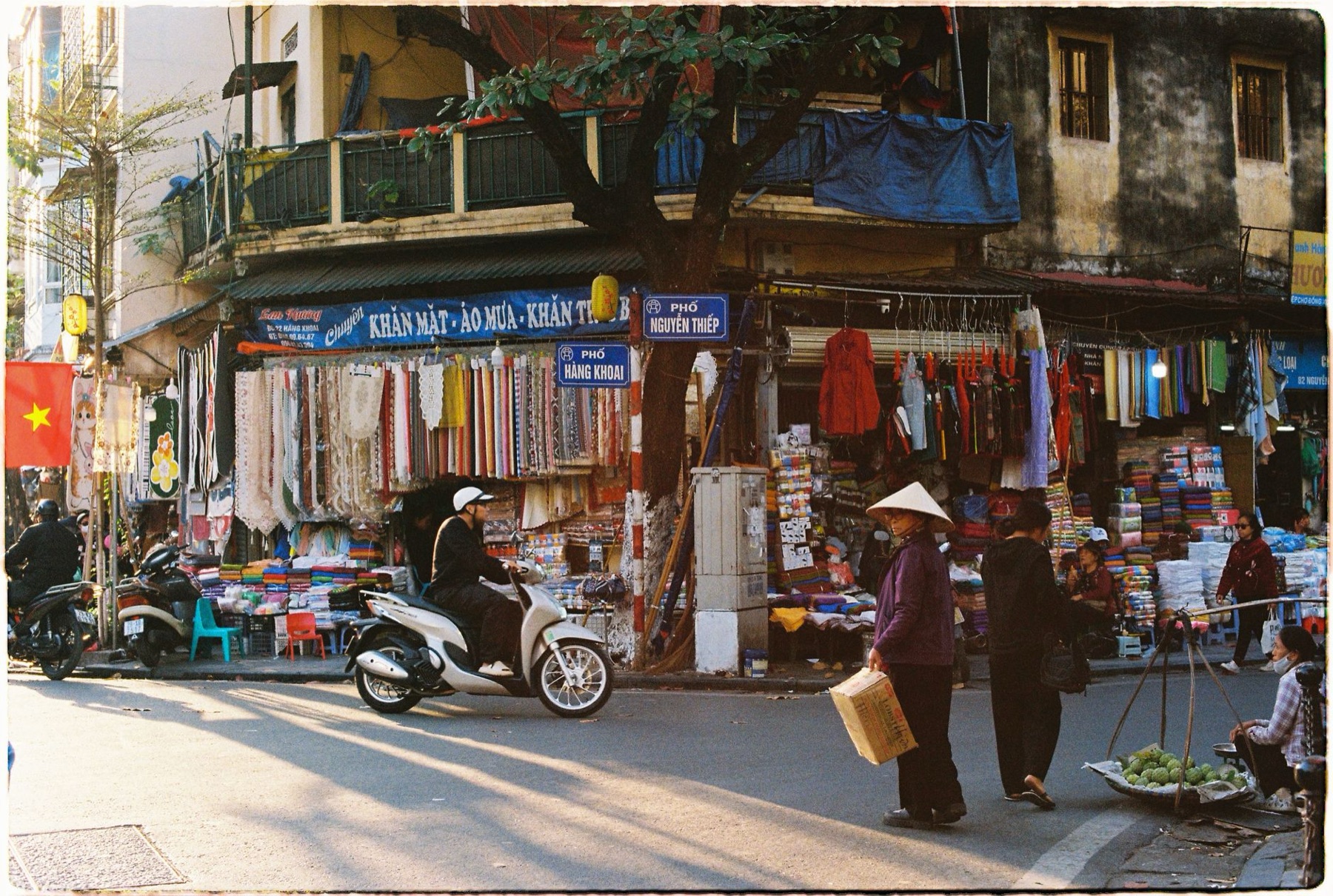
Day 3+ : Expanding Beyond the Center
By Day 3, most travelers either slow down in Hanoi or day-trip outward. Here are honest options:
Staying in Hanoi (Deep Dives)
- Van Mieu-Quoc Tu Giam (Temple of Literature, Ba Dinh district): Intact 11th-century university, quieter than tourist peak. Entry around 30,000–35,000 VND ≈ $1.20–$1.40. 2 hours if you read plaques, 45 minutes if you walk through.
- Museums: Army Museum (entry around 40,000 VND ≈ $1.60) has war history and old machinery. Ethnology Museum (Ba Dinh district, entry around 40,000 VND ≈ $1.60) is better-curated and less crowded.
- Cooking class or market tour: Join a small group (4–8 people) at a local home or market. You'll prep and cook one meal, eat it, and take a recipe. Costs around 500,000–800,000 VND ≈ $20–$32 per person.
- Trich Sai Park or Long Bien Bridge walk: Free, historic, local joggers, no entry fee. Long Bien (1902 steel bridge) is a 20-minute walk or bike from the Old Quarter.
Easy Day Trips (1–2 hours by car or bus)
- Ninh Binh: Trang An or Mua Cave. Green karst valleys, limestone hikes, traditional boats. Day tour around 400,000–600,000 VND ≈ $16–$24 per person (includes entry, guide, transport from Hanoi).
- Tam Coc (also Ninh Binh): Boat trip through rice fields and caves. Similar price. Less touristy than Trang An but smaller.
- Hoa Lu ancient capital: Temples and historical ruins, 2 hours south. Often combined with Tam Coc.
Longer Trips (Overnight+)
- Ha Long Bay: Limestone islands, overnight cruise. 3.5 hours from Hanoi. Budget cruises (shared cabins) start around 800,000–1,200,000 VND ≈ $32–$48 per person for overnight; mid-range 1,500,000–2,500,000 VND ≈ $60–$100. Avoid cheap deals—cabins are tiny, food questionable.
- Sapa: Mountain village, rice terraces, hill tribes. 5 hours north by minivan or overnight train (book ahead). Tour + train around 1,000,000–1,500,000 VND ≈ $40–$60. Cold at altitude; pack layers.
Wander in Vietnam recommends asking your accommodation for honest local tours. Hotel "tour desks" earn commission; they'll upsell. A motorbike taxi driver or street vendor recommendation is often more honest.
Actual Costs & How to Avoid Overspending
Realistic daily budget (one person, mid-range Hanoi)
- Accommodation: 300,000–600,000 VND ≈ $12–$24 (guesthouse, mid-range hotel)
- Food: 200,000–400,000 VND ≈ $8–$16 (mix of street food and sit-down)
- Activities/entry: 100,000–200,000 VND ≈ $4–$8 (temples, museums, some days free)
- Transport: 50,000–100,000 VND ≈ $2–$4 (taxis, buses, occasional bike)
- Total: 650,000–1,300,000 VND ≈ $26–$52/day
Scams to actively avoid
- Xe om (motorbike taxi) drivers who quote inflated prices to foreigners. Agree a price before stepping on, or use Grab app (exact fare, no negotiation).
- "Cyclo tours" from touts: Often 45 minutes for 300,000+ VND ≈ $12+, when you can walk the same route free. Skip unless you want the novelty.
- Tailor shops on the street promising suits in 24 hours. Quality is inconsistent; the rush timeline means mistakes. Sew-on pockets fall off, seams split.
- Fake entry tickets to temples. Buy at the gate, not from street sellers.
- Restaurants with picture menus and no Vietnamese customers: Usually overpriced tourist traps. Eat where locals eat—queues at pho shops, workers eating at canteens.
📸 Book an ao dai photoshoot in Hanoi or Saigon (Cáo Studio)
Pace Checklist: Which Itinerary Fits You?
Before you finalize, ask yourself:
- Are you moving onward quickly? (Less than 4 days)
Plan: Old Quarter 1–2 days, Hoan Kiem Lake, one temple, food-focused.
- Do you prefer deep dives in one place? (5+ days)
Plan: Slow breakfasts, revisit neighborhoods, cooking class, museums, day trips.
- Do you travel with a group or family? (Ages, pace, budget)
Plan: Private guides cost 1,000,000–1,500,000 VND ≈ $40–$60/day for a small group; group tours 400,000–800,000 VND ≈ $16–$32/person.
- Is this your first Vietnam trip or a return?
First: Hit Old Quarter, temples, major sites. Return: Skip famous spots, find neighborhoods (Kham Thien, Nhat Tan, Pho Hue).
- Will you add side trips (Ha Long, Sapa, Ninh Binh)?
Add 1–2 days per region if distance is more than 3 hours.
The mistake most travelers make: Over-planning. Hanoi reveals itself when you stop and sit. A morning coffee at a sidewalk stall, a random conversation, getting lost in Hang Then Street—that's the itinerary locals know.
---
What to Check Before You Finalize Your Itinerary
- Visa and eSIM: Check Vietnam e-visa requirements and consider getting an eSIM for Vietnam before arrival. Saves money and removes sim-card-buying stress.
- Transportation: Book overnight buses or trains (Sapa, Ha Long) at least 3 days ahead. Walk-up pricing is 20–40% higher.
- Temple dress code: Long pants or skirts, covered shoulders. Temples enforce this at entry; don't argue.
- Weather: December–February is cool (50–65°F). March–May is hot and humid. June–September is rainy. October–November is perfect (70–80°F, dry).
- Booking flexibility: Most guesthouses and restaurants accept walk-ups, but hotels and cruises sell out during peak (Dec–Jan, July–Aug).
Start with this Hanoi guide for a quick overview, then cross-reference with the broader Vietnam itinerary if you're adding other cities.
FAQ
Is 2 days in Hanoi enough?
Yes for a first-time snapshot: Old Quarter, Hoan Kiem Lake, one temple or museum. You'll see landmarks but miss neighborhood rhythm. Three days is the realistic minimum to breathe.
Do I need a guide in Hanoi?
No. Streets are walkable, maps work offline, and restaurants are easy to find. A guide helps if you want war history, architecture context, or a cooking class experience—not essential, adds value.
When is the best time to visit Hanoi?
October to November and late January to February. Warm, dry, clear skies. Summer (May–September) is hot and humid; January is cool but can be gray. Avoid peak Lunar New Year (late January/February) unless you want holiday chaos and closures.
Can I do Hanoi in a day and move on?
Technically yes—Old Quarter walking loop, breakfast pho, Hoan Kiem Lake sunset. But you'll miss what makes Hanoi unique: slow mornings, lake-side coffee, neighborhood markets, street-food conversations.
What's the real cost of a day trip from Hanoi to Ha Long or Sapa?
Ha Long overnight cruise: 800,000–2,500,000 VND ≈ $32–$100 depending on quality; Sapa day trip or overnight: 1,000,000–1,800,000 VND ≈ $40–$72. Transport from Hanoi is included; meals often not.
Should I book tours or go solo?
Temples and markets are fine solo. Overnight caves, mountain hikes, cooking classes are better with a group or guide for safety and logistics. Book tours locally or through your guesthouse for cheaper, vetted options.
How do I get around Hanoi cheaply?
Walk (free), Grab app (4,000–15,000 VND ≈ $0.16–$0.60 per ride), public buses (5,000–7,000 VND ≈ $0.20–$0.28), xe om if you agree price first. Rental bikes/scooters: 50,000–150,000 VND ≈ $2–$6/day.
Is it safe to walk Hanoi at night?
Yes, main areas (Old Quarter, French Quarter, lake walks) feel safe at night. Street lighting is good; stick to main roads. Pickpocketing is the primary risk, not violence. Avoid walking alone in unfamiliar neighborhoods after 11pm.
Should I take a cruise in Ha Long Bay or do a day trip?
Day trip is a rush (4 hours there, 2 hours on water, 4 hours back). Overnight feels rushed too but includes sunset and a cave sleep-over vibe. Two nights is best for Ha Long pacing. Ha Long Bay guide has detailed pros and cons.
FAQ
Is 2 days in Hanoi enough?
Yes for a first-time snapshot: Old Quarter, Hoan Kiem Lake, one temple or museum. You'll see landmarks but miss neighborhood rhythm. Three days is the realistic minimum to breathe.
Do I need a guide in Hanoi?
No. Streets are walkable, maps work offline, and restaurants are easy to find. A guide helps if you want war history, architecture context, or a cooking class experience—not essential, adds value.
When is the best time to visit Hanoi?
October to November and late January to February. Warm, dry, clear skies. Summer (May–September) is hot and humid; January is cool but can be gray. Avoid peak Lunar New Year (late January/February) unless you want holiday chaos and closures.
Can I do Hanoi in a day and move on?
Technically yes—Old Quarter walking loop, breakfast pho, Hoan Kiem Lake sunset. But you'll miss what makes Hanoi unique: slow mornings, lake-side coffee, neighborhood markets, street-food conversations.
What's the real cost of a day trip from Hanoi to Ha Long or Sapa?
Ha Long overnight cruise: 800,000–2,500,000 VND ≈ $32–$100 depending on quality; Sapa day trip or overnight: 1,000,000–1,800,000 VND ≈ $40–$72. Transport from Hanoi is included; meals often not.
Should I book tours or go solo?
Temples and markets are fine solo. Overnight caves, mountain hikes, cooking classes are better with a group or guide for safety and logistics. Book tours locally or through your guesthouse for cheaper, vetted options.
How do I get around Hanoi cheaply?
Walk (free), Grab app (4,000–15,000 VND ≈ $0.16–$0.60 per ride), public buses (5,000–7,000 VND ≈ $0.20–$0.28), xe om if you agree price first. Rental bikes/scooters: 50,000–150,000 VND ≈ $2–$6/day.
Is it safe to walk Hanoi at night?
Yes, main areas (Old Quarter, French Quarter, lake walks) feel safe at night. Street lighting is good; stick to main roads. Pickpocketing is the primary risk, not violence. Avoid walking alone in unfamiliar neighborhoods after 11pm.
Should I take a cruise in Ha Long Bay or do a day trip?
Day trip is a rush (4 hours there, 2 hours on water, 4 hours back). Overnight feels rushed too but includes sunset and a cave sleep-over vibe. Two nights is best for Ha Long pacing. [Ha Long Bay guide](/ha-long-bay) has detailed pros and cons.