Hanoi · Things to do
Hanoi Vietnam Things to Do: Real Itineraries & What's Worth Your Time
By Wander in Vietnam editorial team · Hanoi, Vietnam
Hanoi moves at its own pace—chaotic mornings, quiet afternoons, lively evenings. The city rewards those who wake at 6 a.m. and plan backwards from dinner reservations rather than checking off a numbered list. We've spent years testing what works, what's genuinely memorable, and what you should frankly skip.
What makes Hoan Kiem Lake actually worth visiting (not just a photo stop)?
Most travelers spend 20 minutes at Hoan Kiem Lake, take a selfie at Turtle Tower, and move on. That's a missed opportunity. The lake is genuinely worth 2–3 hours if you approach it as a local gathering place rather than a monument. The best time is 6–7 a.m., when tai chi groups practise on the shore, elderly men fish, and the water is still glassy. The Turtle Tower itself (Thap Rua) sits on an islet; locals debate whether to enter the pagoda or just admire it from the shore—the interior can feel rushed. Better move: walk the full perimeter (1.2 km, flat), stop at a lakeside café for egg coffee (around 50,000 VND / $2), and watch the city wake.
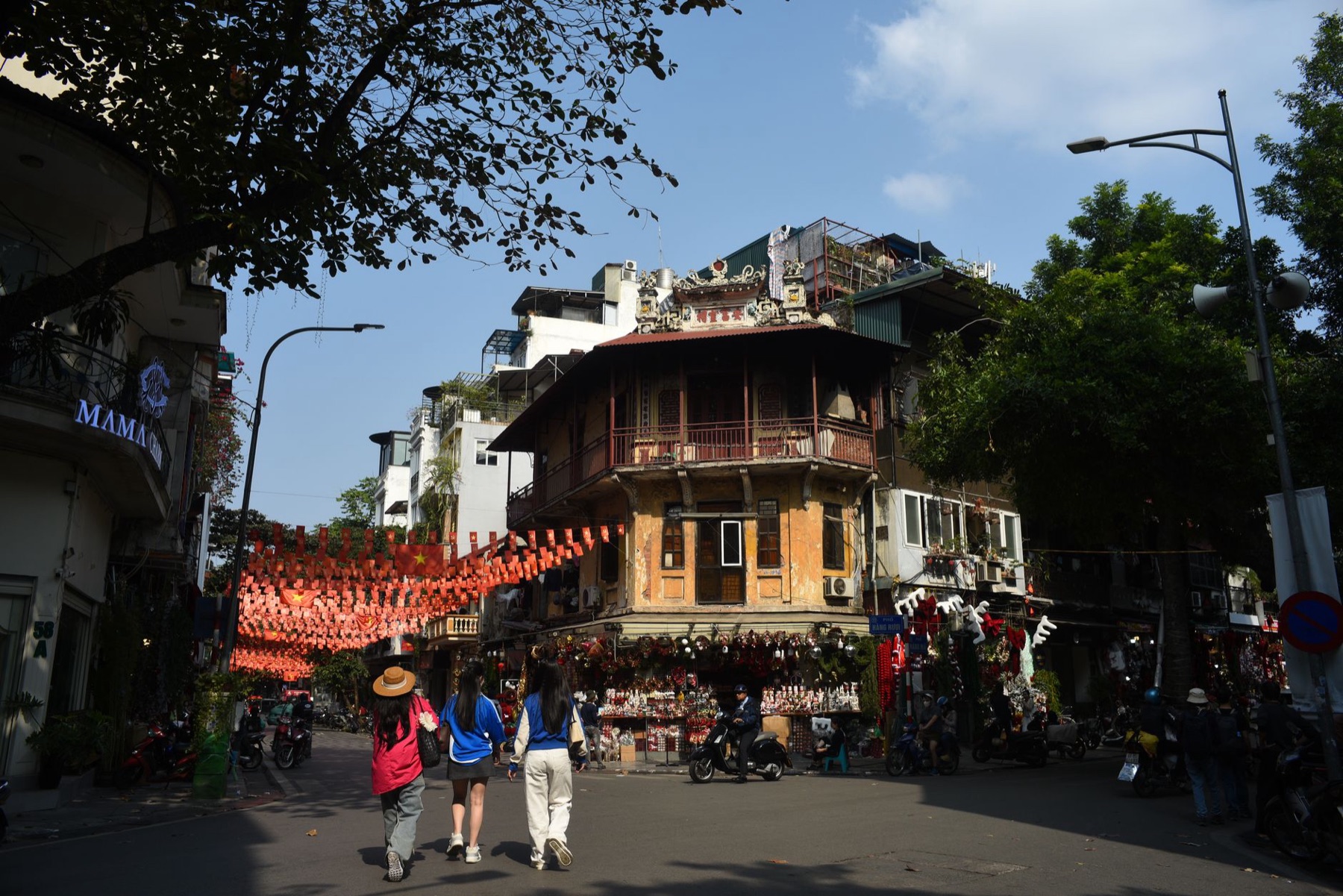
How do you actually explore the Old Quarter without feeling lost or scammed?
The Old Quarter (36 Pho Hang) is a network of narrow lanes named after the goods historically sold there: Hang Ga (chicken), Hang Dao (silk), Hang Bac (silver). Grid it out on foot with a phone map but no rush. Scams here are real: avoid money changers offering suspiciously good rates, don't buy jade or gems from street vendors, and never follow a "local" offering a "shortcut" to a shop. The streets worth slowwalking are Hang Bong (motor repair specialists, utterly real), Hang Gai (silk and textiles, more touristy but legitimate shops), and the maze around Dong Kinh Nghia Thuc—no crowds, real households. Aim for mid-afternoon (2–4 p.m.) when tour groups have left.
🗺️ Plan your route: Vietnam itinerary | 📸 Book an ao dai photoshoot in Hanoi or Saigon (Cáo Studio)
Which street food markets deliver real flavour without stomach risk?
Hang Ga night market (along Hang Ga street, starting around 6 p.m.) is the most reliably good and safest street food experience for visitors. Stalls are regulated, the rotation is fast, and locals eat alongside you. Try banh cuon (steamed pork and prawn rolls, around 15,000 VND / $0.60 per plate), bun cha (grilled pork and noodles, around 25,000 VND / $1), and com tam (broken rice, around 20,000 VND / $0.80). Avoid loose-looking tripe or meat sitting in open air for hours; stick to cooked items prepared fresh in front of you. Ta Hien Street is famous for street beer and fried spring rolls (canh fried) in the evenings but also notorious for bill padding and watered drinks—go only for the energy and people-watching, not quality food.
| Activity | Best time | Budget (USD) | What actually works |
|---|---|---|---|
| Hoan Kiem Lake + lakeside café | 6–7 a.m. | $2–4 | Solo walk, egg coffee, tai chi watching |
| Old Quarter cyclo tour (1 hour) | 8–9 a.m. or 4–5 p.m. | $8–12 | Book directly on street in Hang Bong, agree rate first |
| Temple of Literature | 8–9 a.m. (arrive before groups) | $3 | Rent Vietnamese-language pamphlet for context |
| Street food at Hang Ga | 6–8 p.m. | $5–10 (meal for 2) | Eat standing, follow locals, pre-agree prices |
| Water puppetry (Thang Long theatre) | 8 p.m. show | $5–8 | Book online to avoid markup, sit in mid-section |
What's worth a half-day trip outside the city center?
Cycling to the villages around Hanoi (Ha Noi) reveals the countryside that feeds the city. The most accessible are around Long Bien Bridge (13 km east): bike through Dong Anh district's flower villages and vegetable fields in the morning, stop at a local pho stall for lunch (around 30,000 VND / $1.20), and return by 2 p.m. Alternatively, Bat Trang pottery village (12 km south in Gia Lam district) is worth a full afternoon—walk through working kilns, buy direct from potters (ceramic bowls from around 50,000 VND / $2 up), watch firing demonstrations. Avoid organized "half-day ceramic tours" from your hotel; they typically include a commission-paying shop stop and rush you. Instead, hire a taxi to Bat Trang, arrange return pickup with your driver, and explore on foot.
🎟️ Compare tours & tickets for this place
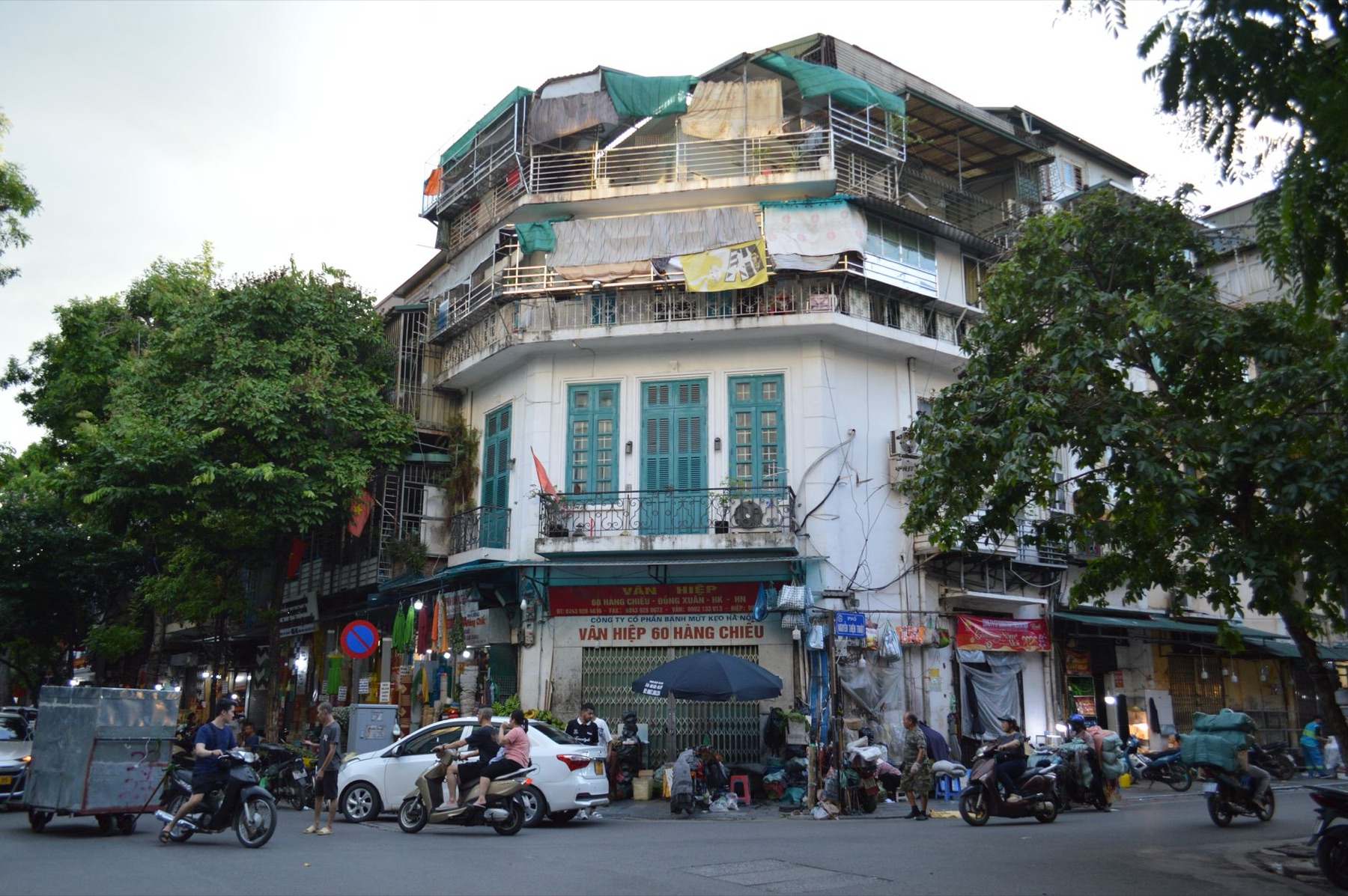
Why skip Temple of Literature for Temple of One Pillar (and when to see both)?
Temple of Literature (Van Mieu) is beautiful but packed with school groups and guides. The courtyard architecture is genuine and peaceful—arrive at 8 a.m. before 10 a.m. tour groups. Temple of One Pillar (Dien Huu), a short walk northeast, is smaller and historically significant: the pillar actually sits in water, and the temple feels less reconstructed. Both can be seen in 90 minutes; prioritize based on energy: if you're fresh, do Van Mieu first, then One Pillar. If tired, reverse the order or skip One Pillar for a cyclo ride instead—it's unusual enough for guides but not essential for most visitors.
How do water puppet shows actually work, and are they touristy?
Water puppetry (roi nuoc) is a genuine Vietnamese art form dating centuries back. The puppets are carved wood, manipulated by hidden puppeteers standing behind a screen in water tanks. Shows are performed in purpose-built theaters (Thang Long Theatre in Hoan Kiem district is the main venue). The performances are roughly 45 minutes, in Vietnamese with minimal dialogue, and utterly mesmerizing—especially for first-timers. Yes, audiences are mostly tourists, but the craft is real. Prices run around 100,000–150,000 VND ($4–6) for seats. Book online directly (not through your hotel) to avoid 20–30% markups. Sit in the middle section, not front row (splash risk) or back (sound is muffled).
📸 Book an ao dai photoshoot in Hanoi or Saigon (Cáo Studio)
What to check before you plan your Hanoi itinerary
Timing: Hanoi's climate matters. October–November and March–April are ideal (mild, dry). Avoid June–August (brutal heat and humidity) unless you enjoy sweating through every street. Winter (December–January) is cool and sometimes rainy—bring a light jacket.
Getting around: Grab (Southeast Asia's ride-hailing app) is reliable and cheap. Don't rent a motorbike unless you've driven in chaos before. Cyclo rides should be pre-agreed on price; standard rate is around 100,000–150,000 VND ($4–6) per hour.
Language: Many locals in the Old Quarter speak English, but venture into residential districts and restaurant menus are Vietnamese-only. Download Google Translate offline and point your phone camera at signs.
Crowds: Avoid public holidays (Lunar New Year is mid-January/February, National Day is September 2–3). Book temples and theaters 1–2 days in advance if traveling during high season (October–April).
Connectivity: Get a local eSIM before arrival or buy a SIM at Noi Bai Airport. Viettel or Vina are fastest. See our Vietnam eSIM guide for setup.
---
If you're planning a longer Vietnam trip, expand from Hanoi to Ha Long Bay (a UNESCO site 3.5 hours east, best as 2–3 day overnight cruise), Ninh Binh (2–3 hours south, dramatic karst mountains), or Sapa (northwest, trekking and hill tribe culture). For a first-time Vietnam visit, build your route with our itinerary planner.
Need a visa? Check our Vietnam e-visa guide. Planning a souvenir from Hanoi? Consider a personalized keepsake or star map print to commemorate your time here. A professional photo? Our partner Cáo Studio offers ao dai photoshoots with hair and makeup in Hanoi—a popular way to document your visit. Or send flowers home to loved ones after you return via Hoa Lang Thang.
FAQ
Is the Old Quarter dangerous at night?
The Old Quarter is busy and crowded in the evenings—not dangerous in the mugging sense, but pickpocketing is real. Keep bags in front, avoid carrying excess cash, and stay in well-lit areas. Drunk foreigners on Ta Hien Street are the most common crime targets; avoid excessive bar-crawling if you're alone.
How much should I budget per day in Hanoi?
Budget around $20–30 per day if you eat street food and use Grab taxis; $50–80 if you want mid-range meals and tours. Street meals are $0.50–$2, mid-range dinners $5–$12, and tours $8–$20. Accommodation ranges from $8 (dorm hostel) to $40+ (mid-range hotel).
Can I see both Hoan Kiem Lake and the Old Quarter in one morning?
Yes, easily. Start at Hoan Kiem at 6 a.m. (1–1.5 hours), then walk or cyclo into the Old Quarter by 7:30 a.m. You'll have 2–3 hours before tour groups arrive. Have breakfast at a street stall and explore side lanes. By 10 a.m. you can move on to Temple of Literature or another neighborhood.
Are guided tours worth it, or should I explore alone?
Solo exploration of the Old Quarter is rewarding and cheap. But a 2–3 hour cyclo tour (book directly on Hang Bong street for 100,000–150,000 VND) is worth the money—drivers know hidden streets and historical context. Avoid multi-stop tour packages unless you're staying just one day.
What's the best neighborhood to stay in for first-timers?
Hoan Kiem district (around the lake) is central, walkable, and safe—but pricier. The French Quarter (south of Hoan Kiem) has leafy streets and mid-range guesthouses. For budget travelers, the Old Quarter itself has hundreds of hostels and cheap hotels, but noise from nightlife can be intense. Avoid unless you want party atmosphere.
Do I need to book activities in advance, or can I book on arrival?
Water puppet shows should be booked 1–2 days ahead. Cyclo tours and street food walks can be arranged same-day. Multi-day tours (Sapa, Ha Long Bay) should be booked 2–3 days ahead or searched beforehand. Tour quality varies wildly—read recent reviews or ask your hotel's legitimate staff for unbiased recommendations.
FAQ
Is the Old Quarter dangerous at night?
The Old Quarter is busy and crowded in the evenings—not dangerous in the mugging sense, but pickpocketing is real. Keep bags in front, avoid carrying excess cash, and stay in well-lit areas. Drunk foreigners on Ta Hien Street are the most common crime targets; avoid excessive bar-crawling if you're alone.
How much should I budget per day in Hanoi?
Budget around $20–30 per day if you eat street food and use Grab taxis; $50–80 if you want mid-range meals and tours. Street meals are $0.50–$2, mid-range dinners $5–$12, and tours $8–$20. Accommodation ranges from $8 (dorm hostel) to $40+ (mid-range hotel).
Can I see both Hoan Kiem Lake and the Old Quarter in one morning?
Yes, easily. Start at Hoan Kiem at 6 a.m. (1–1.5 hours), then walk or cyclo into the Old Quarter by 7:30 a.m. You'll have 2–3 hours before tour groups arrive. Have breakfast at a street stall and explore side lanes. By 10 a.m. you can move on to Temple of Literature or another neighborhood.
Are guided tours worth it, or should I explore alone?
Solo exploration of the Old Quarter is rewarding and cheap. But a 2–3 hour cyclo tour (book directly on Hang Bong street for 100,000–150,000 VND) is worth the money—drivers know hidden streets and historical context. Avoid multi-stop tour packages unless you're staying just one day.
What's the best neighborhood to stay in for first-timers?
Hoan Kiem district (around the lake) is central, walkable, and safe—but pricier. The French Quarter (south of Hoan Kiem) has leafy streets and mid-range guesthouses. For budget travelers, the Old Quarter itself has hundreds of hostels and cheap hotels, but noise from nightlife can be intense. Avoid unless you want party atmosphere.
Do I need to book activities in advance, or can I book on arrival?
Water puppet shows should be booked 1–2 days ahead. Cyclo tours and street food walks can be arranged same-day. Multi-day tours (Sapa, Ha Long Bay) should be booked 2–3 days ahead or searched beforehand. Tour quality varies wildly—read recent reviews or ask your hotel's legitimate staff for unbiased recommendations.
More: Hanoi guide · Things to do in Hanoi