Hanoi · Things to do
Hanoi Vietnam: What to Buy, Where & How to Shop Like a Local
By Wander in Vietnam editorial team · Hanoi, Vietnam
Hanoi's shopping culture splits cleanly: chaotic markets where prices are negotiable, boutique shops with fixed prices, and factory outlets on the city edges. Whether you're after a keepsake or gifts to take home, understanding what sells where—and what's genuinely worth your money—saves time and regret.
What Are Hanoi's Best Souvenirs to Actually Buy?
Silk scarves, hand-embroidered wall hangings, ceramic bowls, and lacquerware boxes rank highest for quality-to-value. Coffee (both whole bean and ground) ships well and costs around 80,000–150,000 VND ($3–6 USD) per 500g bag for mid-range; premium single-origin runs 200,000–300,000 VND ($8–12 USD). Avoid mass-produced tourist trinkets (plastic ao dai figurines, generic "Vietnam" t-shirts)—they clutter your luggage and feel hollow. Ceramics from artisan studios in Ba Dinh or Hoan Kiem often come with a story and fair labor backstory; the same hand-painted bowl costs 2–3× more if sold through a tourist-zone middleman.
| Item | Best for | Fair Price Range (VND) | Fair Price Range (USD) | Where to Find | What Makes It Real |
|---|---|---|---|---|---|
| Hand-embroidered silk scarf | Gifts, personal keepsake | 300,000–600,000 | $12–24 | Hang Gai St, artisan boutiques | Check stitch density; cheap ones fray at edges |
| Ceramic soup bowl (hand-painted) | Home use, meaningful gift | 150,000–350,000 | $6–14 | Bat Trang pottery studios (day trip) | Artist signature or studio mark on base |
| Coffee (500g, mid-range) | Easy gift, personal use | 80,000–150,000 | $3–6 | Hang Gai, Cua Hang Kafe shops | Whole beans, roasted within 2 weeks |
| Lacquerware box (small, 15cm) | Jewelry/trinket storage | 400,000–800,000 | $16–32 | Ba Dinh boutiques, artisan malls | Multiple hand-applied coats; takes 2–3 weeks to make |
| Ao dai silk (2–3 meters, uncut) | Tailoring back home | 200,000–400,000 | $8–16 | Hang Gai St fabric stalls | 100% silk; avoid blends (check label or ask fiber content) |
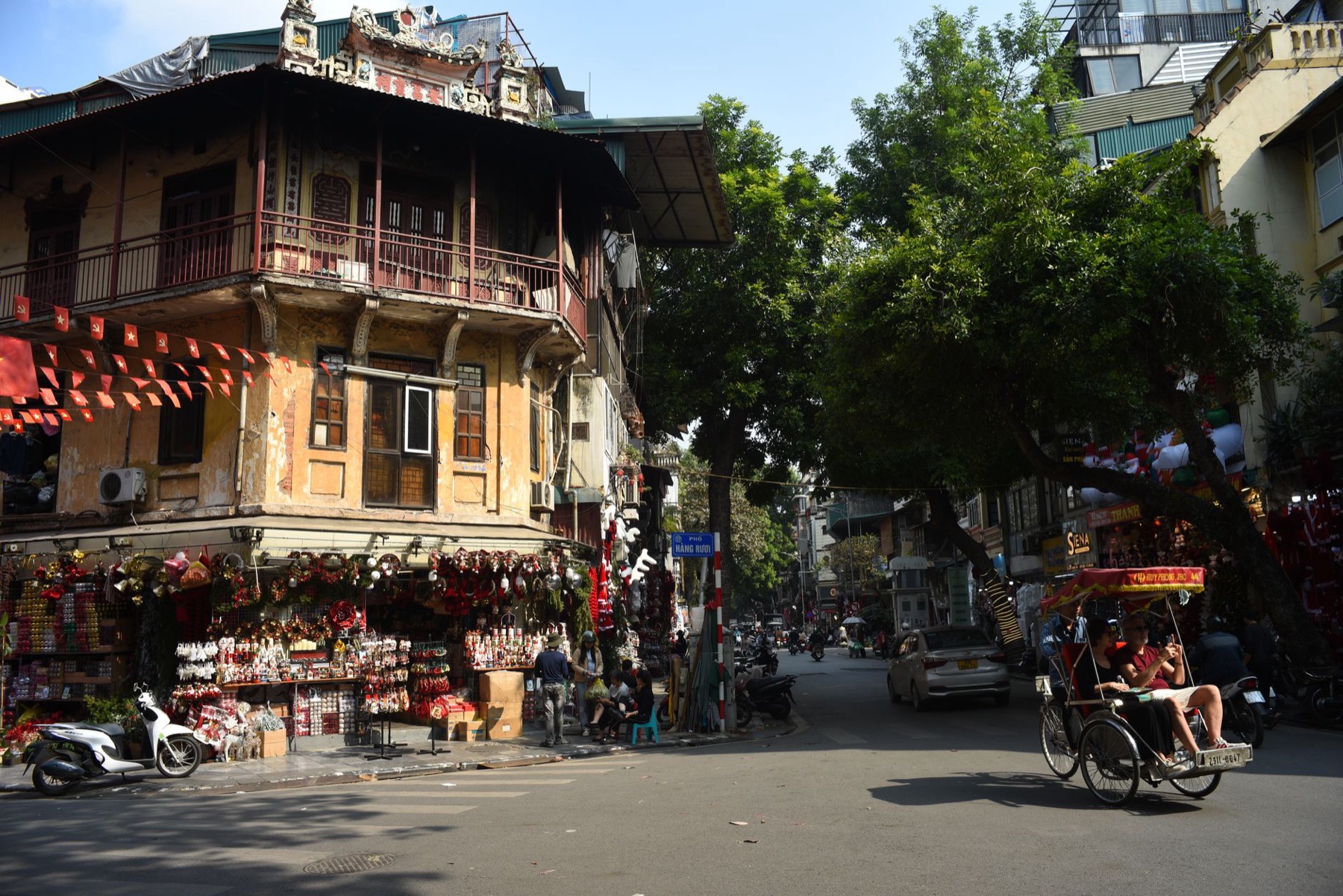
Where Do Locals Actually Shop in Hanoi?
Hang Gai Street (Hoan Kiem district): silk scarves, fabrics, embroidered items. Walk slowly, compare 2–3 stalls, haggle by 20–30% if buying multiple items. Expect to spend 1–2 hours.
Hang Bong Street: ceramics, lacquerware, smaller souvenirs. Less crowded than Hang Gai; prices are 10–15% lower if you ask politely.
Old Quarter markets (Dong Xuan, Hang Buom): bulk purchases, factory seconds, cheaper textiles. Arrive before 10 a.m.; crowds and heat spike mid-morning.
Bat Trang pottery village (30 km south, 45-min drive): ceramic studios where artisans work and sell directly. Prices drop 40–50% vs. city-center middlemen. Hire a taxi or join a half-day tour (around 400,000–600,000 VND per person, $16–24 USD).
Ba Dinh boutique cluster: artisan galleries near Tay Ho Ward. Fixed prices, curated stock, 20–30% premium for guaranteed authenticity and design exclusivity.
Avoid: night markets claiming "authentic crafts" near Hoan Kiem Lake—90% are imports from China resold as Vietnamese. Tourist-facing shops on Nguyen Huu Huan Street mark up 2–4×.
📸 Book an ao dai photoshoot in Hanoi or Saigon (Cáo Studio)
How Much Should You Actually Pay?
A fair budget breakdown:
- Silk scarf (hand-embroidered, 80×200 cm): 300,000–500,000 VND ($12–20 USD). Reject anything under 200,000 VND—fibers are synthetic.
- Coffee (mid-range, 500g): 100,000–130,000 VND ($4–5 USD). Premium single-origin: 250,000–350,000 VND ($10–14 USD).
- Ceramic bowl (hand-painted, 15 cm): 150,000–300,000 VND ($6–12 USD). Artist markup adds 50,000–100,000 VND if signed.
- Lacquerware jewelry box: 400,000–800,000 VND ($16–32 USD). Genuine pieces take 2–3 weeks; anything "finished today" is low-quality resin.
- Ao dai silk fabric (2.5 meters): 200,000–400,000 VND ($8–16 USD) per piece. Bulk discounts start at 3+ pieces (10–15% off).
What to check before buying:
- Feel the fabric (silk feels smooth, cool to touch; polyester feels waxy).
- Ask when it was made; authentic lacquerware takes time.
- Request a receipt showing material (100% silk, hand-painted, etc.).
- Compare 2–3 vendors before committing.
- Haggle only if buying 2+ items; single-item sales rarely budge.
🗺️ Plan your route: Vietnam itinerary
What Are the Real Scams & How to Avoid Them?
"Silk from a factory" (the classic): A friendly local "guides" you to their "cousin's factory." You buy overpriced polyester at 3× markup, often with a "certificate of authenticity" that means nothing. Avoid: never follow unsolicited guides. Walk directly into labeled shops.
Fake ceramics (Bat Trang overstock): Sellers claim pieces are "hand-thrown." Many are mold-cast factory rejects. Check: ask the artisan to show you their wheel or kiln. Visit during working hours (8 a.m.–5 p.m.) when studios are active.
"Antique" lacquerware: Newly painted boxes claimed to be 50+ years old. Reality: real antiques cost 5–10 million VND ($200–400 USD) minimum and require export permits. Tourist-shop "antiques" are new and worth 300,000–500,000 VND ($12–20 USD).
Overweight coffee bags: Scales are rigged; 500g is often 450g. Avoid: buy sealed, branded bags (Trung Nguyen, Highlands Coffee) from licensed shops, not loose-pour stalls.
Currency tricks at markets: Verbal prices quoted in thousands; you think 5 means 5,000 VND, they mean 50,000 VND. Always: confirm the full number in writing or repeat it back clearly.
Pressure to buy now ("Last one," "Price goes up tomorrow"): Pure fiction. Hanoi's markets restock daily. Reply: "I'll think about it," walk away, return in an hour—prices stay the same.
How to Ship Purchases Home & What's Worth It?
Most items fit carry-on or checked luggage (ceramics, silk, coffee all travel well). For larger purchases (multiple scarves, bulk lacquerware):
- Small boxes (silk scarves, coffee): 80,000–150,000 VND ($3–6 USD) to ship via Vietnam Post to US (5–10 days). Pack tightly; bubble wrap inside cardboard.
- Fragile items (ceramics, lacquerware): use DHL or FedEx (higher cost, 3–5 days, insured). Expect 300,000–600,000 VND ($12–24 USD) for a 2–3 kg box to the US.
- Customs risk: handmade items are duty-free in most Western countries if personal goods; coffee may face import restrictions (check USDA rules for your destination).
- Pack smart: wrap ceramics individually, use clothing as padding, label "Fragile" in English.
Most travelers find it simpler to pack 2–3 kg in luggage than mail items home.
🎟️ Compare tours & tickets for this place
Which Purchases Actually Make Good Gifts?
Keepsake-quality items (someone will keep 10+ years):
- Engraved ceramic bowls or hand-painted sets (search ceramic collections for studio-made options).
- Star map prints or custom illustrations of meaningful dates (search personalized art collections for templates).
- High-quality silk scarves (60×180 cm, hand-embroidered; see textile collections).
Consumable gifts (nostalgia + no storage guilt):
- Single-origin Vietnamese coffee in a gift box (around 150,000–200,000 VND, $6–8 USD).
- Tea sampler sets from Hang Gai tea vendors (around 100,000–180,000 VND, $4–7 USD).
Avoid as gifts:
- Generic "I ❤️ Vietnam" t-shirts (will never be worn).
- Plastic figurines (clutter magnets).
- Ornaments or decorative items you wouldn't buy for yourself.
Aim for items that remind people of you (because you chose thoughtfully) or of Vietnam (because they're genuinely made there).
---
Before You Order or Visit a Shop:
- Set a budget per item before entering a market (avoids impulse overspend).
- Know the material (ask "100% silk?" or "hand-thrown clay?"; if they can't answer, walk).
- Take a photo of fair prices from 2–3 sources (haggling is easier with data).
- Bring small bills (no one makes change for a 500,000 VND note quickly).
- Shop in Old Quarter or Ba Dinh between 8 a.m.–4 p.m. (best selection, most vendors present).
- Avoid "free tea/coffee" invitations in markets (often leads to hard-sell shops).
---
📸 Book an ao dai photoshoot in Hanoi or Saigon (Cáo Studio)
Explore more of Hanoi:
- Hanoi travel guide: neighborhoods, food, culture
- Hanoi things to do: markets, temples, walks
- Vietnam-wide itinerary planner
- Ho Chi Minh City shopping & gifts
- Hoi An ancient town: silk tailoring, lanterns
---
FAQ
Is it rude to haggle in Hanoi's markets?
Not at all. Haggling is expected at street stalls (Hang Gai, Dong Xuan) but not at fixed-price boutiques. Start at 70–80% of asking price; settle 20–30% below asking. Smile and be respectful. Vendors enjoy the exchange.
How do I know if silk is real?
Rub it between your fingers—real silk feels smooth and cool; polyester feels waxy. Real silk wrinkles naturally; fake silk is stiff. Ask for a fiber content label. Genuine hand-embroidered silk costs 300,000+ VND ($12+ USD) per scarf.
Is Bat Trang pottery cheaper than buying in Hanoi's Old Quarter?
Yes, 40–50% cheaper. Buying direct from the studio (not a middleman stall) in Bat Trang saves money and lets you watch artisans work. Hire a taxi (around 150,000–200,000 VND, $6–8 USD one way) or join a half-day tour.
What coffee should I buy as a gift?
Look for brands like Trung Nguyen or Highlands Coffee (reputable, consistent quality). Specialty roasters in Ba Dinh sell single-origin beans roasted weekly (150,000–250,000 VND, $6–10 USD per 500g). Avoid instant coffee or loose beans from unmarked vendors.
Can I take ceramics on a plane as hand luggage?
Ceramics should go in checked luggage, wrapped in bubble wrap and packed in the center of soft items (clothes, towels). Hard-sided boxes on planes risk breaking from pressure changes. Smaller decorative plates (under 25 cm) are safer than large bowls or sets.
Is export documentation required for Vietnamese souvenirs?
No, for personal souvenirs. Genuine antiques (100+ years old) do require an export certificate from the Ministry of Culture. Most tourist souvenirs (new textiles, ceramics, coffee) are duty-free in Western countries if declared as personal goods.
FAQ
Is it rude to haggle in Hanoi's markets?
Not at all. Haggling is expected at street stalls (Hang Gai, Dong Xuan) but not at fixed-price boutiques. Start at 70–80% of asking price; settle 20–30% below asking. Smile and be respectful. Vendors enjoy the exchange.
How do I know if silk is real?
Rub it between your fingers—real silk feels smooth and cool; polyester feels waxy. Real silk wrinkles naturally; fake silk is stiff. Ask for a fiber content label. Genuine hand-embroidered silk costs 300,000+ VND ($12+ USD) per scarf.
Is Bat Trang pottery cheaper than buying in Hanoi's Old Quarter?
Yes, 40–50% cheaper. Buying direct from the studio (not a middleman stall) in Bat Trang saves money and lets you watch artisans work. Hire a taxi (around 150,000–200,000 VND, $6–8 USD one way) or join a half-day tour.
What coffee should I buy as a gift?
Look for brands like Trung Nguyen or Highlands Coffee (reputable, consistent quality). Specialty roasters in Ba Dinh sell single-origin beans roasted weekly (150,000–250,000 VND, $6–10 USD per 500g). Avoid instant coffee or loose beans from unmarked vendors.
Can I take ceramics on a plane as hand luggage?
Ceramics should go in checked luggage, wrapped in bubble wrap and packed in the center of soft items (clothes, towels). Hard-sided boxes on planes risk breaking from pressure changes. Smaller decorative plates (under 25 cm) are safer than large bowls or sets.
Is export documentation required for Vietnamese souvenirs?
No, for personal souvenirs. Genuine antiques (100+ years old) *do* require an export certificate from the Ministry of Culture. Most tourist souvenirs (new textiles, ceramics, coffee) are duty-free in Western countries if declared as personal goods.
More: Hanoi guide · Things to do in Hanoi