Ho Chi Minh City · Itinerary
Ho Chi Minh City 3 Day Itinerary 2026: Real Routes & Neighborhoods
By Wander in Vietnam editorial team · Hanoi, Vietnam
Three days in Ho Chi Minh City in February is tight but doable if you skip the hype and move with purpose. The city is compact enough that you won't waste hours on traffic if you plan by neighborhood—and February's cooler weather (around 22–28°C) beats the humid months. We've plotted dozens of these loops and watched which tourist clusters drain time and money without payoff. This guide floors the fluff.
What Should Day 1 Focus On: War History and High-Rise Views?
Day 1 belongs to District 1's heavy hitters. Start with War Remnants Museum (corner of Vo Van Tan and Le Quy Don)—arrive by 9 a.m. because crowds peak 10–11 a.m. Ticket around 100k VND (USD $4). The museum deserves 2–3 hours; rush it and you miss the weight of it. Eat lunch near the museum at a com tam (broken rice) stall on Le Quy Don—30–50k VND—rather than the tourist strip on Bui Vien.
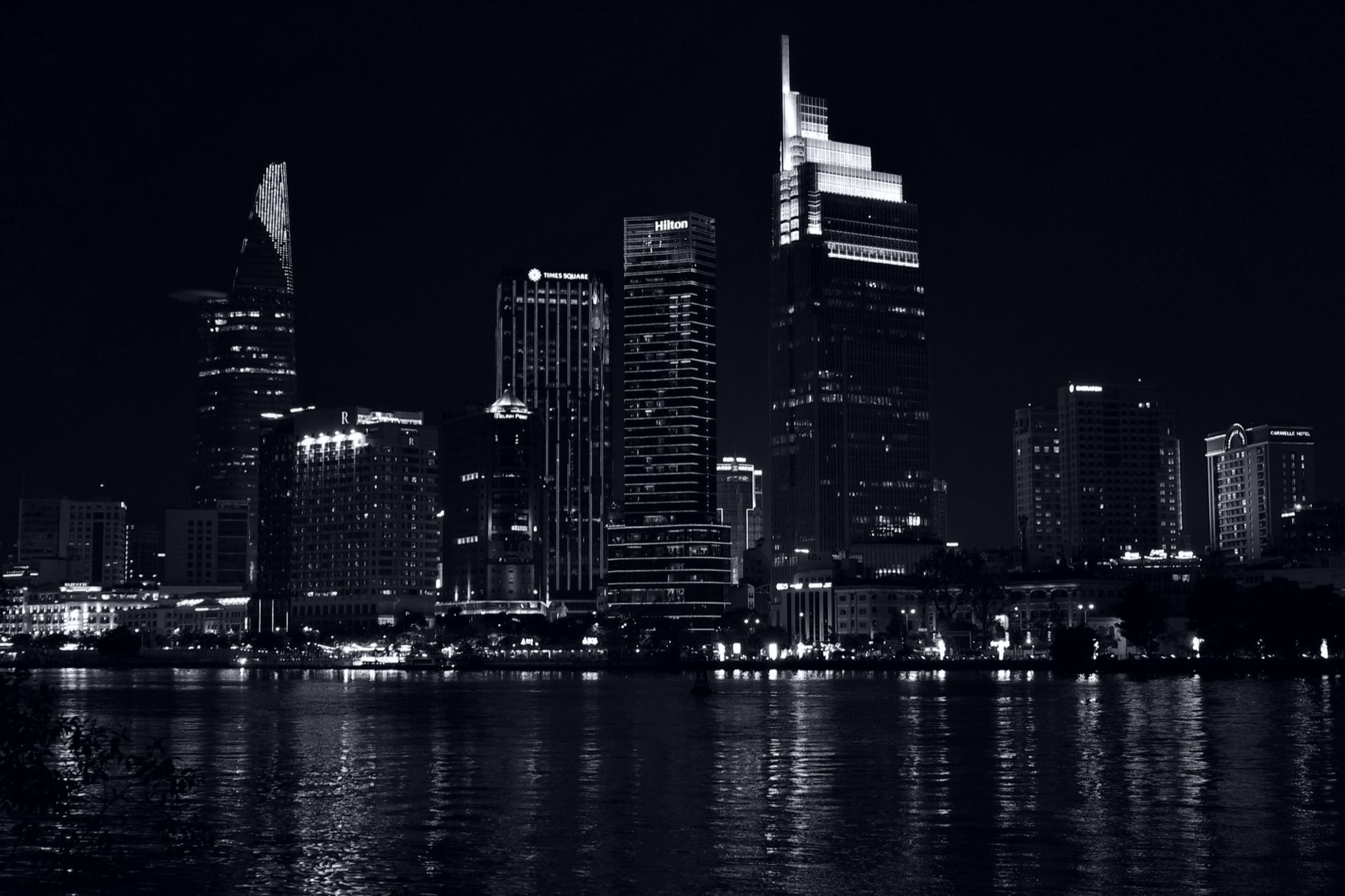
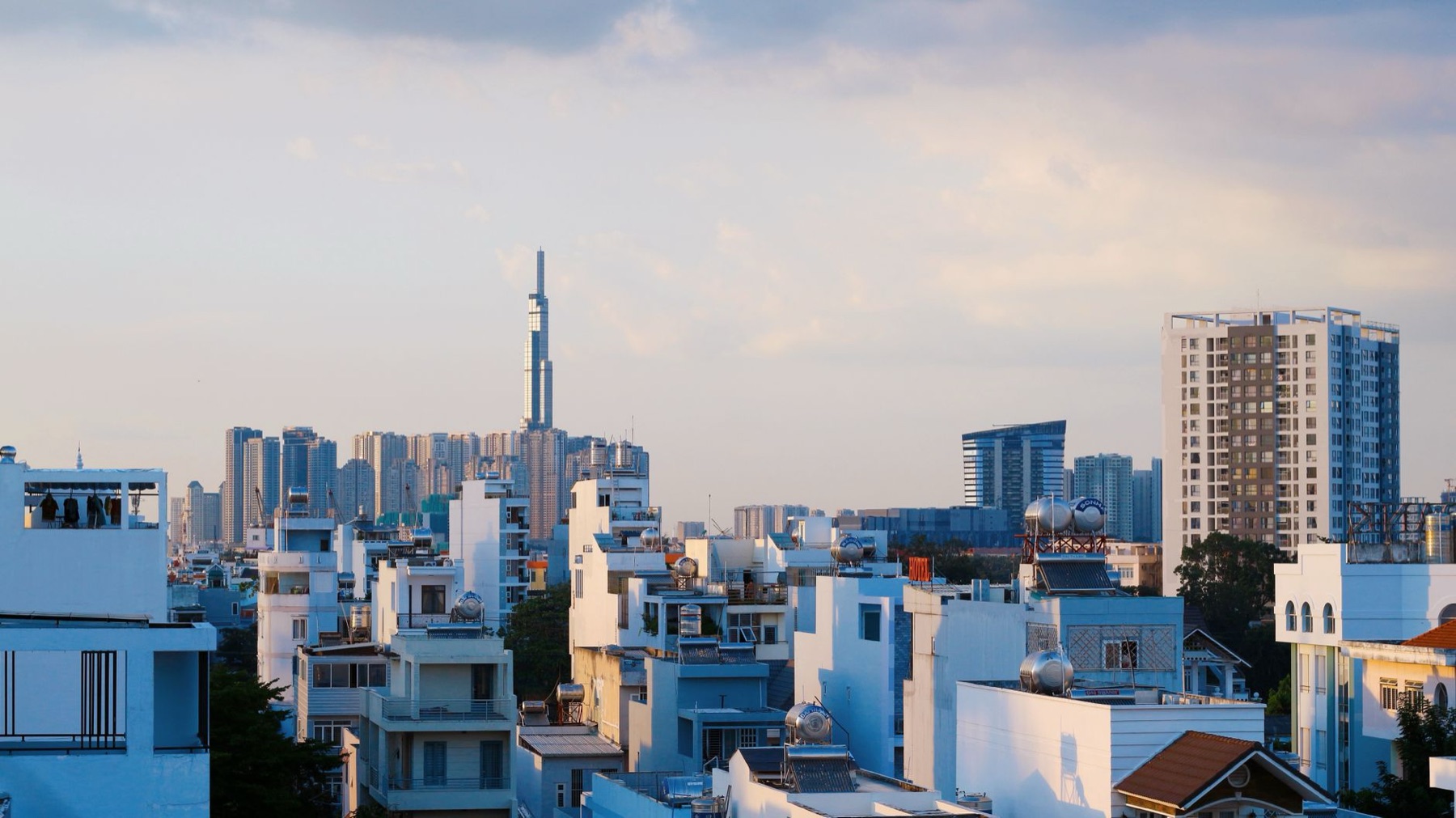
After lunch, head to Landmark 81 (Saigon One Tower) in Ben Thanh Ward. Entry to the observation deck is around 300k VND (USD $12). The views justify the climb; on clear February days you see the Saigon River and Can Tho direction. Skip the mall and restaurants inside—prices spike 30–50% above street level.
Finish Day 1 on Nguyen Hue Walking Street (pedestrianized at 5 p.m. on weekends). It's packed but photogenic, especially at dusk. Eat pho or banh mi at the southern end near the river where locals eat, not the front rows of vendor stalls.
🗺️ Plan your full Vietnam route
Day 2: Markets, Culture and Waterfront—How to Skip Tourist Markup?
Ben Thanh Market (corner of Tran Hung Dao and Le Lai, District 1) is unavoidable but easy to navigate wrong. Arrive between 7–8 a.m., before tour groups. Souvenirs in the south and west wings mark-up 100–150% over street prices. The north wing (clothes, fabrics) and basement (local snacks) are where locals actually buy. Budget 50–100k VND for snacks, coffee, and a light meal; avoid "market tours" hawked outside.
By 10 a.m., walk 15 minutes northwest to Tan Dinh Church (corner of Ly Tu Trong and Dong Du). It's a working Catholic church, free, less crowded than Ben Thanh, and architecturally interesting—1863 Gothic-colonial mix. Dress respectfully (no shorts for men, covered shoulders).
Lunch in Saigon Square district: find an open-front com tam or banh canh stall on Nguyen Hue or Pasteur Street. Around 40–60k VND per bowl. These aren't on tourist maps because there's no profit in sending visitors to them.
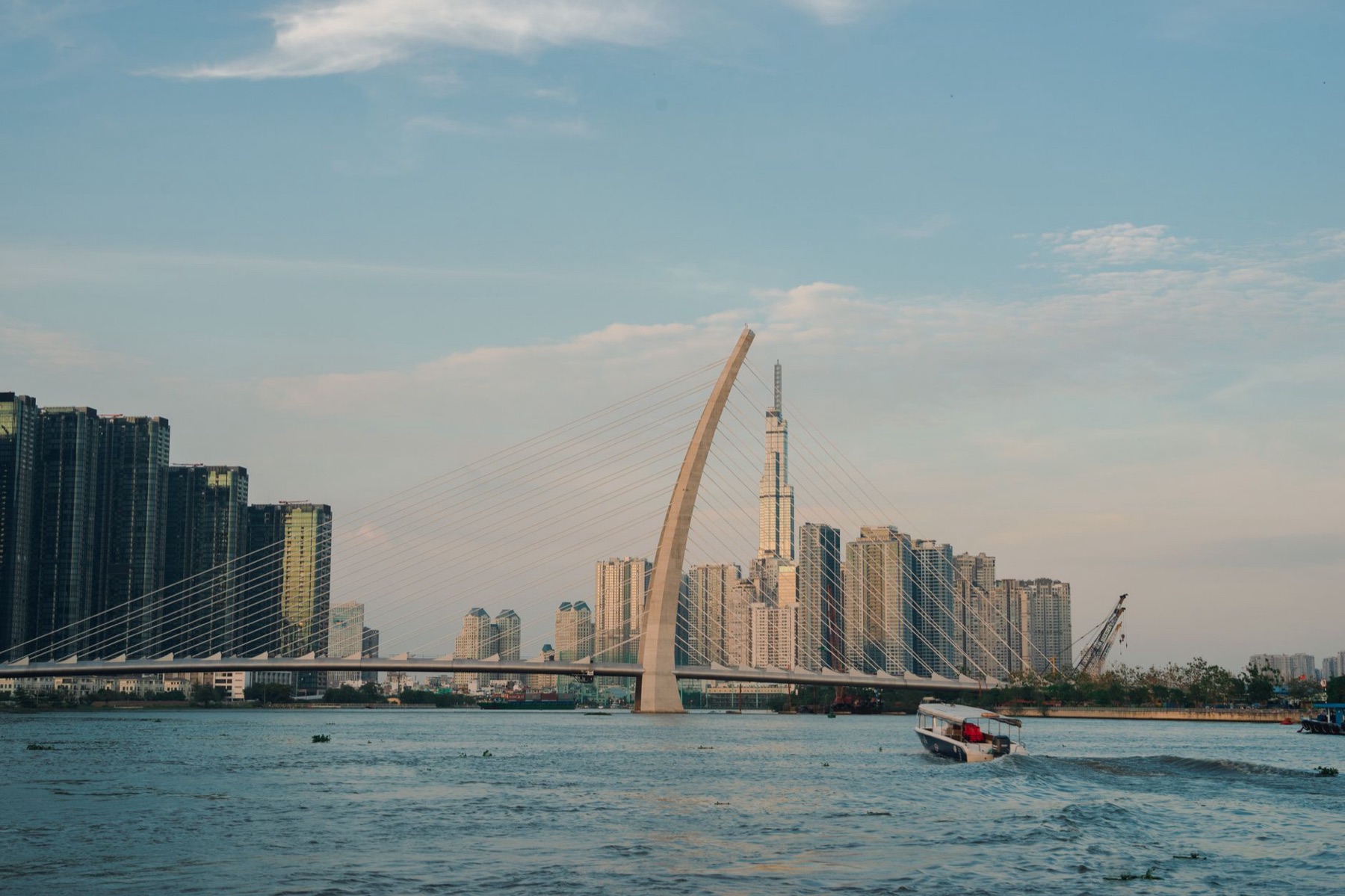
Afternoon: Saigon River sunset walk. Start at Binh Thanh (District 4) side—cross Saigon Bridge or take a ferry from Ben Thanh. The walk is free, and the light on the water beats a 1 million VND sunset cruise where you're crammed with 200 other people.
Dinner in District 1's backpacker spine (Bui Vien or De Tham) if you want nightlife, or grab grilled meat and greens (thit nuong) at a standing-stall on Ngo Duc Ke Street if you want honest food and cheaper bills (50–100k VND).
Day 3: Temples, Street Food and Neighborhoods Outside the Tourist Loop—Why Visit Binh Thanh?
Binh Thanh District sits 10–15 minutes northeast by taxi (50–80k VND). Most tourists never go. Start at Mariamman Hindu Temple (corner of Tran Hung Dao, crossing into District 1 boundary; it's the ornate multicolored temple). Open 8 a.m.–6 p.m., free entry. It's active, colorful, and teaches you something about Ho Chi Minh's religious layers that War Remnants doesn't cover.
Walk west to Thien Hau Pagoda (Nguyen Trai Street). Built in 1760, it's one of the oldest temples in the city. Again, free. February crowds are light. Spend 30 minutes wandering the courtyards and watching incense light up—better than any paid attraction on this schedule.
Grab breakfast (banh mi, pho, or com tam) on Nguyen Trai or Thai Van Lung near the pagoda. 30–50k VND. The food is identical to Bui Vien but half the markup.
Mid-morning: walk or taxi to Dong Nai Street fruit and flower market (Binh Thanh, near the corner of Dong Nai and Dien Bien Phu). No tourists, packed with locals, flowers at 20–50k VND per bunch, fresh tropical fruits at half Ben Thanh prices. Snap photos—it's genuine.
Lunch: street food crawl on Thai Van Lung or Le Van Sy. Order grilled crab cakes (banh cua), sugarcane juice (nuoc mia), and spring rolls (nem). 60–100k VND total for two people. Sit on plastic stools. This is how locals spend Day 3.
Afternoon: if energy remains, visit Independence Palace (Reunification Palace), corner of Nguyen Du and Nam Ky Khoi Nghia. Ticket 40k VND. It's a historical curiosity but skip if feet hurt—it's heavy on politics, light on interactive content.
Close with coffee at a local cafe (not a chain). Egg coffee (ca phe trung) on Bui Vien or Ly Tu Trong, around 30–50k VND. Sit upstairs or on a back table, away from the street vendor hawking.
A Comparison: Paid Tours vs. DIY Routing for Three Days
| Approach | Cost/Day | Control | Hidden Hassle | Best For |
|---|---|---|---|---|
| Group tour (War Remnants + Ben Thanh + city drive) | 600k–900k VND ($25–37 USD) | Low; fixed itinerary | Hotel pickup delays, large groups, rushed museums | First-timers short on time |
| DIY walking + public taxi (this guide) | 400–600k VND ($16–24 USD) | Full; build your own flow | Getting lost, language barriers at food stalls | Comfortable solo travelers, budget-conscious groups |
| Private driver hire (3 days) | 1.5–2 million VND ($60–80 USD) | High; door-to-door, flexible stops | Driver quality varies, pressure to visit souvenir shops | Groups of 3+, families with kids/elderly |
| Hybrid (tour Day 1, DIY Days 2–3) | 700k–1 million VND ($28–40 USD) | Medium; safety of a guide, then independence | Overpaying for one day to skip learning transport | Nervous solo travelers, those with one free day only |
📸 Book an ao dai photoshoot in Hanoi or Saigon (Cáo Studio)
How to Avoid Common Scams and Time Drains in Three Days?
Taxi and ride-share: Use Grab (app-based) instead of hailing cabs on the street. Price is metered and transparent—expect 50–150k VND for inner-district trips. Street taxis often run meters backwards or take long routes. Avoid xe om (motorcycle taxis) if you value safety.
Market haggling myth: Ben Thanh prices for souvenirs are pre-fixed and rarely negotiable—sellers work in teams. Shop the side stalls on Saigon Square or Binh Thanh local markets if you want lower prices without theatre.
Museum crowds: Book War Remnants online (vietnammuseum.gov.vn) for skip-the-line entry. February still draws crowds, but 10 a.m. beats 2 p.m. by hours.
Restaurant traps: If a restaurant has a picture menu with English in huge letters and a host waving on the street, the bill is marked up 50–100%. Eat where you see locals—plastic stools, hand-written menu, no English. Prices are 50% lower and food tastes better.
Boat ride upsells: Sunset cruises from Saigon River docks charge 800k–1.2 million VND ($32–48 USD) for two hours and overcrowding. The free river walk achieves the same view without the markup.
Photoshoot offers: If someone on the street offers a "local photoshoot" or city tour, it's a commission play. Budget for a professional session through Cáo Studio if you want quality ao dai or street portraits—makeup and styling included, no haggling needed.
---
What to Check Before You Buy: A Pre-Trip Checklist
- Phone & data: Do you have a working eSIM for Vietnam (4G needed for Grab, Google Maps)? Buy before arrival—airport eSIM counters mark up 20–30%. See our Vietnam eSIM guide.
- Visa status: US, UK, EU, Australian, and most other passport holders need an e-visa. Apply 3–5 days ahead via Vietnam e-visa to avoid airport rush fees.
- Cash and cards: ATMs are everywhere (50k–100k VND per withdrawal, around 2–4 USD fee). Bring two cards in case one fails. Most street food stalls and markets cash-only.
- Weather gear: February is dry but cool (22–28°C). Bring a light jacket for air-conditioned museums and early mornings; no rain gear needed.
- Museum/temple protocol: Knees and shoulders covered at temples. War Remnants has graphic images—not suitable for young children or those triggered by war photography.
- Timing buffer: Build 30-minute buffer into each day. Taxis in peak hour (6–8 a.m., 5–7 p.m.) double travel time.
- Currency comfort: 3-day budget (transport, food, entry, tips): 1.5–2.5 million VND ($60–100 USD) for comfortable eating and transport. Less if you street-eat only; more if you book tours.
---
🎟️ Compare tours & tickets for Ho Chi Minh City attractions
For a deeper dive into the region beyond three days, explore our full Ho Chi Minh City guide and consider extending to Ha Long Bay or Ninh Binh. Want to understand the whole country? See our Vietnam itinerary planner.
If you're capturing memories, book a professional ao dai or street-style photoshoot through Cáo Studio's Saigon team—makeup and hair included, no fighting with tour groups.
FAQ
Is three days enough for Ho Chi Minh City?
Yes, for core sights (War Remnants, Ben Thanh, temples, river views). You'll miss craft beer bars, day trips to Mekong Delta, and deeper neighborhood immersion. February's weather is ideal for walking-based itineraries without heat exhaustion.
Should I take a paid tour or go DIY?
DIY costs 40% less and gives you full control. Take a tour only if you're uncomfortable with Grab, navigation, or language barriers—focus Day 1 on War Remnants Museum, let the guide handle transport, then solo Days 2–3.
What's the actual budget for three days including food, transport, and entry?
Around 1.5–2 million VND ($60–80 USD) if you eat street food and use Grab taxis. Add 500k–800k VND ($20–32 USD) more if you prefer restaurants and private drivers. Museum entries and temple visits are free or under 100k VND each.
Why avoid Ben Thanh Market souvenir stalls?
Prices are marked up 100–150% over local markets and street vendors. The market's real value is food and fresh goods in the basement and north wing. Buy souvenirs at Saigon Square or Binh Thanh side streets instead.
Can I see everything in two days if I'm rushed?
Possible but not recommended. You'd compress War Remnants Museum (2–3 hours minimum for depth) and miss Binh Thanh's temples and local street food culture. February crowds make rushing physically draining. Budget three full days if possible.
What's the safest way to get around—taxis, Grab, or walking?
Grab is safest for solo travelers and tourists (metered, app-tracked, no negotiation). Walking is safe in Districts 1 and 4 during daylight but avoid carrying visible valuables. Avoid street taxis and motorcycle taxis at night. Public buses are cheap but crowded and signage is Vietnamese-only.
FAQ
Is three days enough for Ho Chi Minh City?
Yes, for core sights (War Remnants, Ben Thanh, temples, river views). You'll miss craft beer bars, day trips to Mekong Delta, and deeper neighborhood immersion. February's weather is ideal for walking-based itineraries without heat exhaustion.
Should I take a paid tour or go DIY?
DIY costs 40% less and gives you full control. Take a tour only if you're uncomfortable with Grab, navigation, or language barriers—focus Day 1 on War Remnants Museum, let the guide handle transport, then solo Days 2–3.
What's the actual budget for three days including food, transport, and entry?
Around 1.5–2 million VND ($60–80 USD) if you eat street food and use Grab taxis. Add 500k–800k VND ($20–32 USD) more if you prefer restaurants and private drivers. Museum entries and temple visits are free or under 100k VND each.
Why avoid Ben Thanh Market souvenir stalls?
Prices are marked up 100–150% over local markets and street vendors. The market's real value is food and fresh goods in the basement and north wing. Buy souvenirs at Saigon Square or Binh Thanh side streets instead.
Can I see everything in two days if I'm rushed?
Possible but not recommended. You'd compress War Remnants Museum (2–3 hours minimum for depth) and miss Binh Thanh's temples and local street food culture. February crowds make rushing physically draining. Budget three full days if possible.
What's the safest way to get around—taxis, Grab, or walking?
Grab is safest for solo travelers and tourists (metered, app-tracked, no negotiation). Walking is safe in Districts 1 and 4 during daylight but avoid carrying visible valuables. Avoid street taxis and motorcycle taxis at night. Public buses are cheap but crowded and signage is Vietnamese-only.
More: Ho Chi Minh City travel guide · Ho Chi Minh City itinerary: 1, 2, 3 days