Ho Chi Minh City · Itinerary
Ho Chi Minh City 3-Day Itinerary: Markets, War History & Street Food
By Wander in Vietnam editorial team · Hanoi, Vietnam
A realistic 3-day HCMC itinerary focuses on War Remnants Museum and Reunification Palace on Day 1, Ben Thanh Market and food markets in Binh Thanh on Day 2, and temples or day-trips to the Mekong Delta on Day 3. Wander in Vietnam recommends anchoring each day in one district to avoid taxi fatigue.
Most 3-day itineraries cram too much. You'll spend half your time in traffic. Instead, we cluster neighborhoods—one day district-hopping isn't worth it in Saigon's heat.
Why Most 3-Day HCMC Plans Fail (And How to Fix It)
The classic mistake: Ben Thanh Market (District 1), then Chu Chi Tunnels (Hoc Mon, 1.5 hours north), then Mekong Delta (Can Tho, 3+ hours). You're moving constantly. Weather hits 35°C (95°F) year-round outside Nov–Feb, so aircon taxi time eats your day.
Better: Pick one "outside" trip (Mekong Delta or Chu Chi), not both. Spend remaining time in walkable neighborhoods where you actually eat and watch street life. Taxis from District 1 to Binh Thanh cost around 50,000–80,000 VND ($2–3.20 USD). One Mekong tour from central HCMC runs 400,000–800,000 VND ($16–32 USD) per person, half-day or full-day. Pick your anchor. Don't pretend you're visiting three regions in 72 hours.
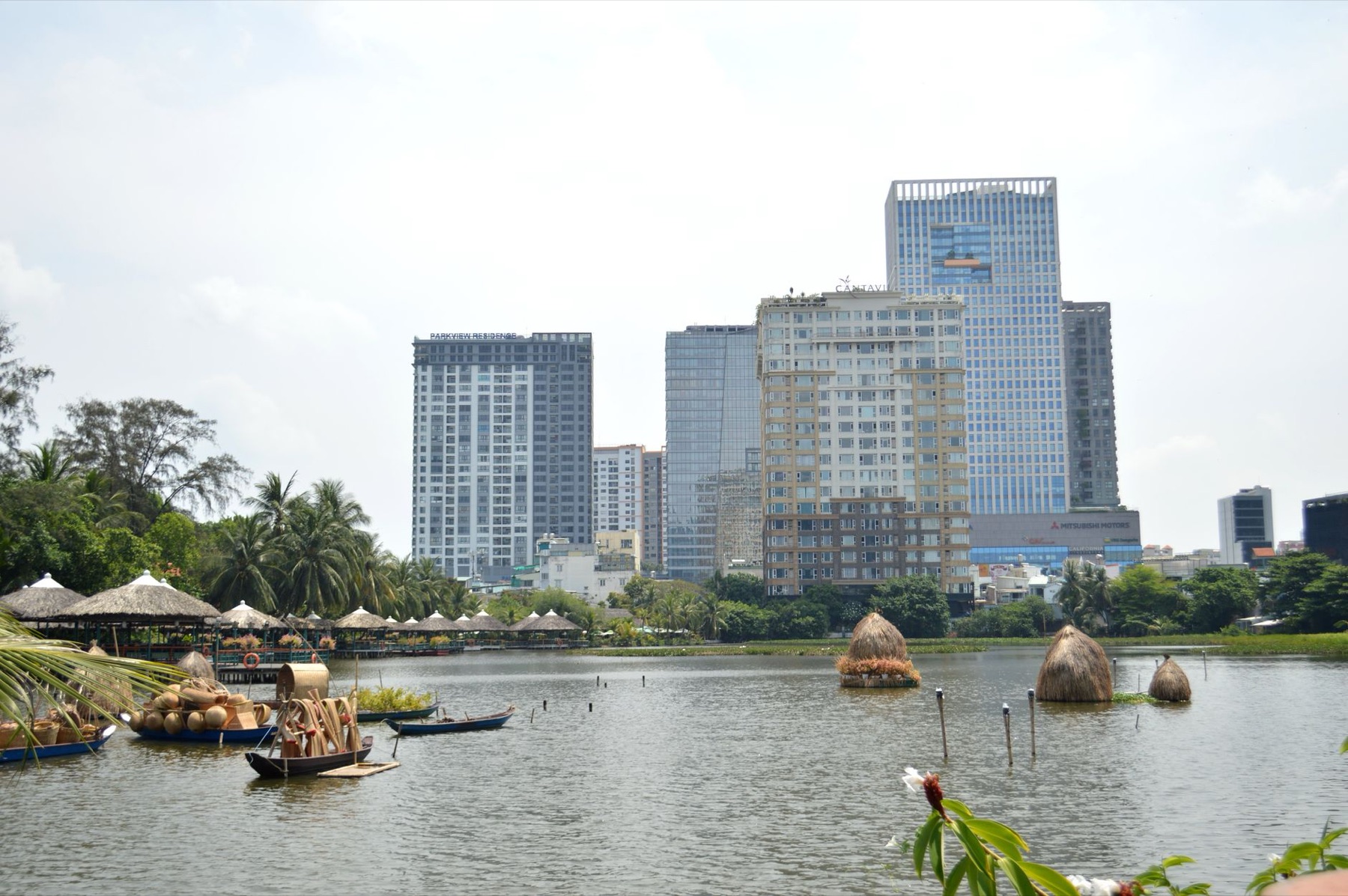
Day 1: District 1—Museums, Palaces & Colonial Streets
Start early (7–8 a.m.) before crowds and heat spike.
War Remnants Museum (3 Vo Van Tan, District 1): Opens 7:30 a.m., closes 6 p.m. No break. Entry around 40,000 VND ($1.60 USD). This is not a light museum. Spend 2–3 hours. Many sections are heavy; the photographic evidence sections are explicit. Non-negotiable if you're understanding modern Vietnam. Quiet, respectful pace matters here.
Reunification Palace (135 Nguyen Hue Boulevard, District 1): Opens 7:30–11 a.m. and 1–5 p.m. (closed 11 a.m.–1 p.m. for lunch). Entry around 40,000 VND ($1.60 USD). Tours included; guides speak English. The grounds are formal but the 1960s interiors are striking—war-era bomb shelter, president's bedroom, underground bunker.
Lunch: Skip Nguyen Hue Walking Street (overpriced tourist trap). Walk 10 minutes east to Le Loi or down alleys off Mac Thi Buoi Street. Pho (beef noodle soup) or com tam (broken-rice plates) near small restaurants run 30,000–60,000 VND ($1.20–2.40 USD). Eat standing or at plastic stools.
Ben Thanh Market (corner of Le Loi & Tran Hung Dao, District 1): Central landmark, opens 6 a.m., winds down around 6 p.m. Reality check: It's a tourist magnet now. Prices inflated 2–3×. Useful for fabric, souvenirs, quick snacks. Don't expect a "real local" vibe; that's in Binh Thanh or Go Vap.
Evening: Dinner in Pham Ngu Lao alley (backpacker zone, District 1). Banh mi, spring rolls, iced coffee. Cheap (20,000–40,000 VND / $0.80–1.60 USD) and high-turnover means fresh ingredients.
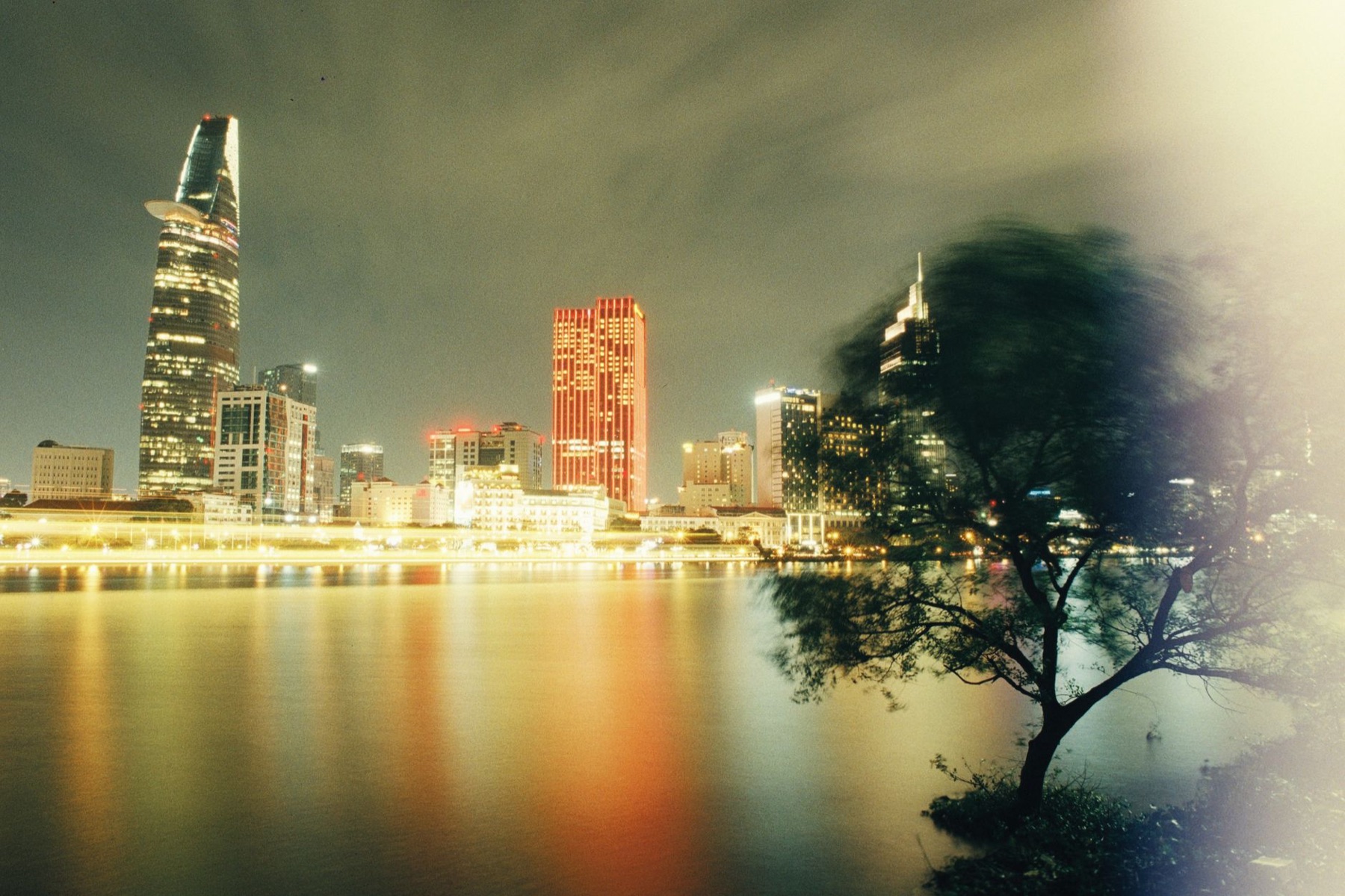
What to skip on Day 1: Bitexco Financial Tower (no views worth the entry fee; Saigon Skydeck is grander but also overrated). Saigon Zoo is tired and small.
Day 2: Binh Thanh—Real Markets, Noodle Shops & Pagodas
Move northeast to Binh Thanh district. This is where Saigonese actually live and eat.
Thao Dien Street (walking route): Boutique shops, cafes, younger crowd. Not touristy. Nice for a morning walk with coffee.
Cho Binh Thanh Market (also called Nguyen Hue Market—different Nguyen Hue than downtown; check your map). A working produce, meat & seafood market. Locals shop here 6–9 a.m. Go early. No English speakers; prices are fair (cash only mostly). You'll see what Saigonese buy. Banh mi stalls and pho vendors operate out of market entrances.
Jade Emperor Pagoda (73 Mai Thi Luu, District 1 border—accessible from Binh Thanh). A real neighborhood temple, ornate, active worship. Opens around 8 a.m., closes 5 p.m. Free entry (donation). Incense, wooden carvings, small courtyards. Quieter than central temples.
Lunch: Go to an alley food stall around Vo Van Tan or Dinh Bo Linh. Hu tieu (clear pork noodle soup) or banh canh (tapioca noodles) 35,000–50,000 VND ($1.40–2 USD). Sit at the stall, watch the owner cook.
Binh Quoi Park (1 Xo Viet Nghe Tinh, District 1, borders Binh Thanh): A rare green space in HCMC, river views, free entry. Locals jog and cycle here. No major attractions, just breathing room.
Bitexco & Saigon Skydeck afternoon optional: If you want a skyline photo, Saigon Skydeck (Bitexco, Level 49) entry around 200,000 VND ($8 USD). Honestly, sunset views are average; pollution haze is common. A few international travelers find it worth it; locals rarely go.
Dinner: District 1 or back to Binh Thanh for com tam (broken rice), grilled pork & egg. 40,000 VND ($1.60 USD). Casual, filling, authentic.
Day 3: Day-Trip (Mekong Delta OR Stay Local)
Option A: Mekong Delta Half-Day Tour
Book through a local tour operator or hotel (400,000–600,000 VND per person, $16–24 USD). You'll visit floating markets, fruit orchards, coconut candy workshops, and riverside villages. Tours depart 7:30–8 a.m. from central HCMC, return by 1–2 p.m.
Real talk: Floating markets (Cai Rang, Cai Be) are stunning at sunrise but packed with tour boats. Quality depends on your guide and group size. Avoid massive 30+ person tours. Smaller groups (8–12) offer better pace.
Tours include: boat ride, lunch (often pho or regional soup), sometimes a motorbike or cyclo ride into villages. Wear sunscreen (intense sun on water), bring water, and don't expect pristine Instagram moments—it's working farmland.
Option B: Chu Chi Tunnels
Historical tunnel complex used during the war. Tours 3–4 hours, around 300,000–500,000 VND ($12–20 USD). Located 40 km northwest; transport + tour time = 7–8 hours total (not ideal for a half-day). Better as a full-day commitment. Tunnels are claustrophobic; not for anxious travelers.
Option C: Stay in District 1 & Slow Down
Skip the tour. Spend Day 3 lingering—coffee shops on Nguyen Hue, second visit to a temple, street-food alley walk (Mac Thi Buoi, Tran Hung Dao area). Many travelers realize after Day 2 that the city exhausts fast. A slower day prevents burnout.
Neighborhood & Transport Decision Matrix
| Neighborhood | Best for | Stay near (roughly) | Transport cost to D1 |
|---|---|---|---|
| District 1 | Museums, palaces, banks, colonial architecture | Ben Thanh, Dong Khoi St. | N/A (hub) |
| Binh Thanh | Real food, local markets, temples, river | Thao Dien, Xuan Phuong | 50–80k VND ($2–3.20) |
| District 4 | Riverside, newer cafes, less touristy | Riverside area | 60–100k VND ($2.40–4) |
| Go Vap | Budget eats, street food heaven, zero tourists | Cach Mang Thang Tam St. | 80k VND ($3.20)+ |
Transport: Taxis (Vinasun, Mai Linh) meter-start 10,000 VND ($0.40 USD), then ~0.23 USD per km. Grab (Southeast Asia's Uber) slightly cheaper and cashless. Motorbike taxis (Grab Bike) ~15,000–30,000 VND ($0.60–1.20 USD) for short hops. Buses are cheapest (5,000–10,000 VND / $0.20–0.40 USD) but slow and crowded.
Scams & What to Avoid
Ben Thanh Market: Fabric sellers quote 500,000 VND, negotiate to 200,000 VND—still 2× fair price. Buy fabric in dedicated shops outside the market if you need quality.
Taxi from Tan Son Nhat Airport: Use Grab or pre-book hotel transfer. Loose taxis often run the meter long or take scenic routes. Should cost 200,000–300,000 VND ($8–12 USD) to central District 1; anything above 400k is overpriced.
Tour overages: "Fuel surcharge," "guide tip required," "entrance not included"—ask upfront what's covered. Reputable operators (Saigon Hotpot, Handspan, Vega Travel) are transparent; small street-corner booths often aren't.
Fake goods: Dong Khoi Street (District 1) is full of knock-off bags, watches, sunglasses. Police don't care; quality is poor.
Motorbike rental: Avoid renting if you're not experienced in Vietnam traffic. Accidents happen fast. Grab Bike or taxis are safer.
🗺️ Plan your route: Vietnam itinerary
What to Check Before You Commit to Your 3-Day Plan
- Weather check: Dec–Feb is coolest (25–28°C / 77–82°F). May–Sept is monsoon season; expect rain. Oct–Nov and March–April are swampy heat (32–35°C / 90–95°F).
- Entry fees: Print or screenshotted confirmations for museums. Many sites require ID or passport.
- Motorbike/scooter traffic: If you rent one, wear a helmet (legally required and saves lives). Honestly, solo tourists should use Grab or taxis instead.
- Food allergies/restrictions: Tell restaurant staff directly. English is basic in small stalls; translation apps help.
- Pocket change: Markets and small vendors are cash-only. Withdraw from ATMs (around 200,000–500,000 VND per withdrawal; ATM fees ~25,000 VND / $1 USD).
📸 Book an ao dai photoshoot in Hanoi or Saigon (Cáo Studio)
Honest Opinion: Is 3 Days Enough?
Realistically, yes—if you pick your focus. Three days gives you War history, one local market, one temple, street food baseline, and one optional day-trip. Anything more is rushing.
Many travelers wish they'd stayed 4–5 days and skipped Mekong Delta; instead they'd have explored District 4's riverside slowly, eaten at 5 different noodle shops, and taken an ao dai photoshoot (book with Cáo Studio in Saigon for hair, makeup, and traditional dress sessions—transforms a generic tourist pic into a keepsake).
HCMC doesn't reward speed tourism. It rewards sitting at plastic stools, trying fish sauce for the first time, and watching motorbikes flow like water.
🎟️ Compare tours & tickets for this place
---
If this is your only stop in Vietnam, consider adding a Ho Chi Minh City guide deep-dive. If you're doing a bigger trip, see our Vietnam itinerary planner to layer in Hanoi, Hoi An, Ha Long Bay, Ninh Binh, or Sapa. And don't forget: get a Vietnam e-visa before you arrive, and grab an eSIM at the airport for seamless data.
FAQ
Is 3 days really enough for Ho Chi Minh City?
Yes, if you anchor in one neighborhood per day and pick one outside excursion (Mekong or Chu Chi, not both). Most travelers burn out after Day 2 from heat and traffic; Day 3 as a slower "stay local" day often beats a rushed day-trip.
What's the cheapest way to get from the airport to my hotel?
Grab (app-based ride) is safer and ~200,000–300,000 VND ($8–12 USD) to central District 1. Loose taxis at arrivals often overcharge; airport taxi booth is legit but pricier. Never negotiate a flat rate with random drivers.
When should I visit—coolest or least crowded?
Dec–Feb is coolest (25–28°C) and has moderate crowds. Oct–Nov is humid but bearable. May–Sept is monsoon (rain, flooding risk). March–April is hottest (32–35°C) and tourist-heavy. Book hotels 2 weeks ahead; museums fill 10–11 a.m.
What should I absolutely *not* eat?
Street food is safe if it's busy (high turnover = fresh). Avoid unpeeled fruit, unpasteurized dairy, and tap water (drink bottled). Balut (duck embryo), tripe, and organ meats are authentic but acquire an taste. Banh mi, pho, and com tam are beginner-friendly and delicious.
Do I need a tour for the War Remnants Museum or can I go solo?
Go solo. English signage is decent; audio guides aren't necessary. Museum is self-paced; spend as long as you need. Avoid peak hours (10 a.m.–12 p.m.). Emotionally heavy, so prepare mentally—it's not a cheerful tour.
Is Ben Thanh Market a "must-do"?
It's iconic but overpriced and crowded. Useful for quick souvenirs or fabric. For authentic local market vibe, Cho Binh Thanh (Binh Thanh district) is far better—less touristy, actual locals, real prices. You don't need Ben Thanh if you skip it for neighborhood markets.
FAQ
Is 3 days really enough for Ho Chi Minh City?
Yes, if you anchor in one neighborhood per day and pick *one* outside excursion (Mekong *or* Chu Chi, not both). Most travelers burn out after Day 2 from heat and traffic; Day 3 as a slower "stay local" day often beats a rushed day-trip.
What's the cheapest way to get from the airport to my hotel?
Grab (app-based ride) is safer and ~200,000–300,000 VND ($8–12 USD) to central District 1. Loose taxis at arrivals often overcharge; airport taxi booth is legit but pricier. Never negotiate a flat rate with random drivers.
When should I visit—coolest or least crowded?
Dec–Feb is coolest (25–28°C) and has moderate crowds. Oct–Nov is humid but bearable. May–Sept is monsoon (rain, flooding risk). March–April is hottest (32–35°C) and tourist-heavy. Book hotels 2 weeks ahead; museums fill 10–11 a.m.
What should I absolutely *not* eat?
Street food is safe if it's busy (high turnover = fresh). Avoid unpeeled fruit, unpasteurized dairy, and tap water (drink bottled). Balut (duck embryo), tripe, and organ meats are authentic but acquire an taste. Banh mi, pho, and com tam are beginner-friendly and delicious.
Do I need a tour for the War Remnants Museum or can I go solo?
Go solo. English signage is decent; audio guides aren't necessary. Museum is self-paced; spend as long as you need. Avoid peak hours (10 a.m.–12 p.m.). Emotionally heavy, so prepare mentally—it's not a cheerful tour.
Is Ben Thanh Market a "must-do"?
It's iconic but overpriced and crowded. Useful for quick souvenirs or fabric. For authentic local market vibe, Cho Binh Thanh (Binh Thanh district) is far better—less touristy, actual locals, real prices. You don't *need* Ben Thanh if you skip it for neighborhood markets.
More: Ho Chi Minh City travel guide · Ho Chi Minh City itinerary: 1, 2, 3 days