Ho Chi Minh City · Where to stay
Ho Chi Minh City Accommodation: Where to Stay by Budget & Neighbourhoo
By Wander in Vietnam editorial team · Hanoi, Vietnam
Ho Chi Minh City's accommodation scene is fragmented by geography and traveller type. Unlike Hanoi's compact Old Quarter, HCMC spreads across Districts 1–7, with costs, crowds, and convenience shifting dramatically block by block. We've tested stays across every major zone, and the difference between a good choice and a regrettable one often comes down to whether you understand what each neighbourhood actually offers.
Where Should I Stay: By District & What You'll Find There?
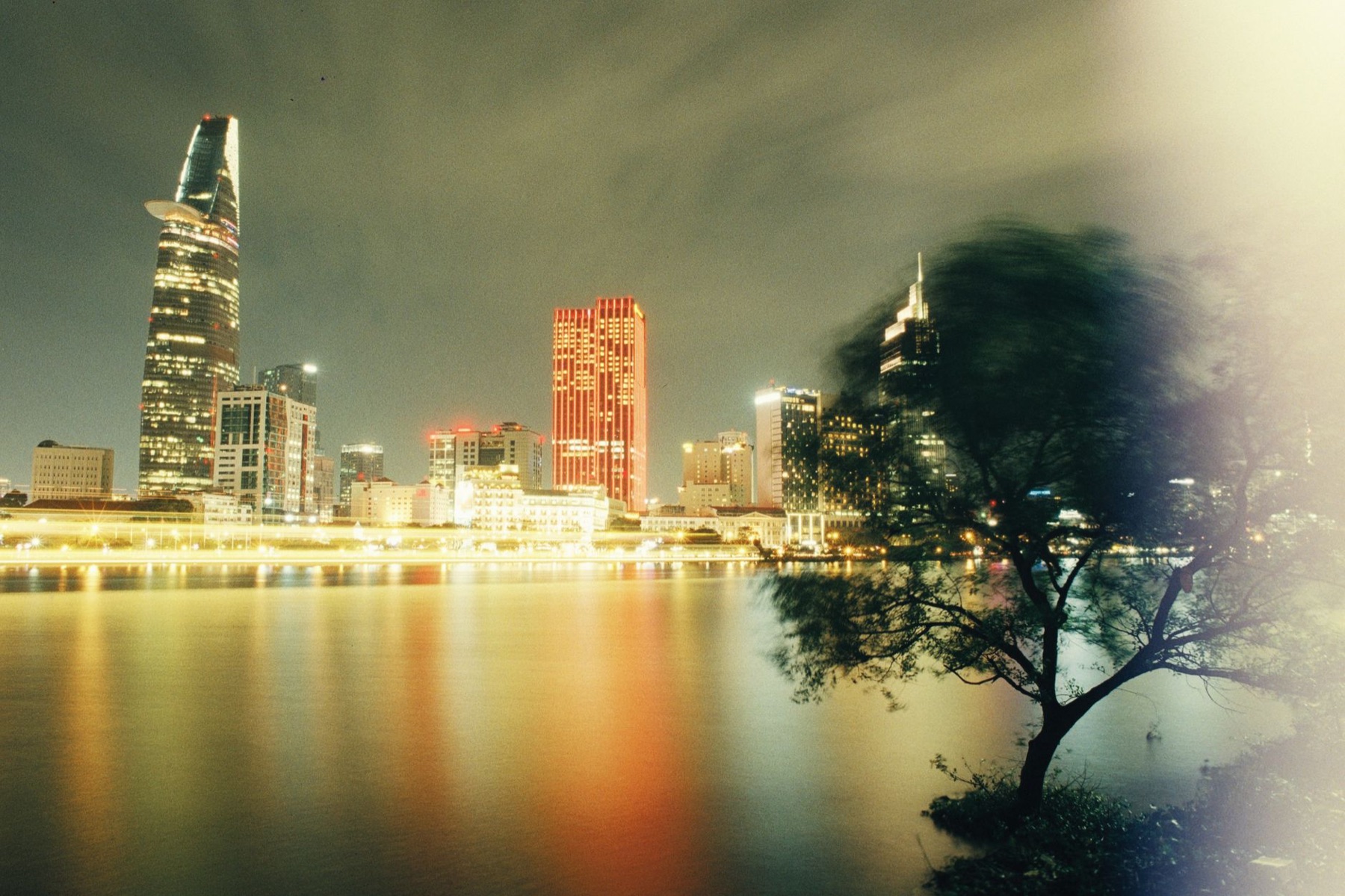
District 1 (downtown/Pham Ngu Lao) draws most first-time visitors. It holds the Saigon River waterfront, Nguyen Hue Walking Street (pedestrian promenade, busy evenings), and Ben Thanh Market. Pham Ngu Lao Street itself is a backpacker strip: loud, cheap, full of tour agencies and Western food. Budget beds run 150,000–300,000 VND (around $6–12); mid-range hotels 800,000–1.5 million VND (around $32–60). Why stay here? Easy walk to museums, markets, riverside. Why skip it? Noise, street hassle, touristy dining.
District 3 (midtown, south of Pham Ngu Lao) is quieter, walkable, with good local pho shops and cafés. Hotels here cost 600,000–1.2 million VND (around $24–48). It's where we'd send someone wanting HCMC without the tourist circus.
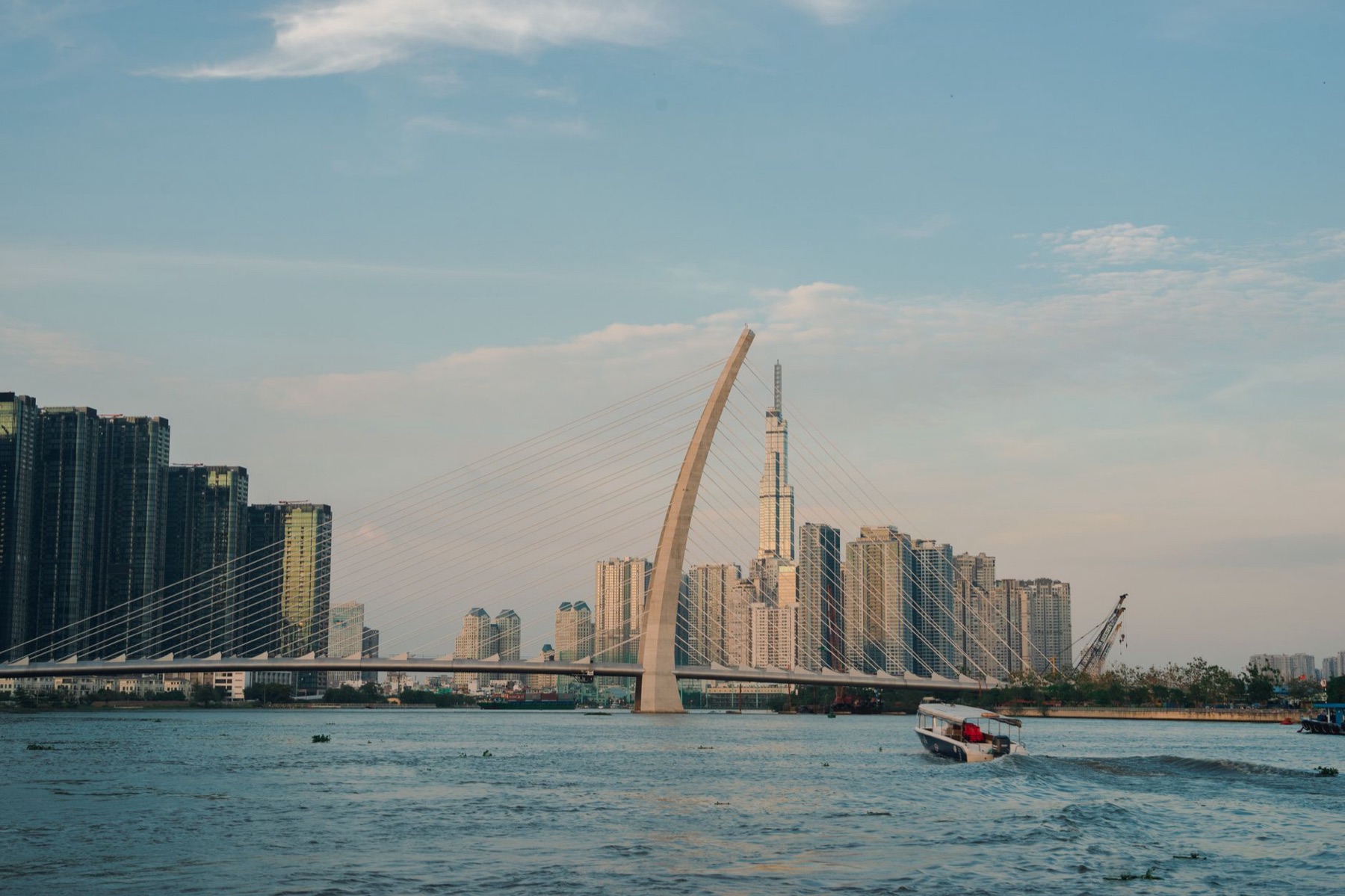
District 2 (Thu Duc, east bank of Saigon River) is newer, quieter, with a park-like feel. Rooms start around 700,000 VND (around $28) for decent mid-range. Transport to downtown takes 20–30 minutes by taxi or Grab.
District 7 (Thu Thiem, south central) is ultra-modern, expensive, and feels less like Vietnam. Rooms 1.5–3 million VND (around $60–120). For business stays only.
Binh Thanh & Tan Binh (northwest, near Tan Son Nhat Airport) suit transit stops. Short-term stays 400,000–800,000 VND (around $16–32). Avoid unless you have a flight.
What's the Real Cost & What Do You Actually Get?
We track three tiers:
| Accommodation Type | Who It's For | Rough Nightly Cost (VND) | Rough Nightly Cost (USD) | What to Expect |
|---|---|---|---|---|
| Dorm bed (backpacker hostel) | Solo, budget, social | 150,000–250,000 | $6–10 | Shared bathroom, basic bedding, common areas, street noise |
| Budget hotel/guesthouse | Couples, short stays | 400,000–800,000 | $16–32 | Private room, fan or AC, small bathroom, thin walls, no breakfast |
| Mid-range hotel | Small groups, comfort-focused | 800,000–1.5M | $32–60 | AC, hot water, small gym/café, 24-hr front desk, some English |
| Upper mid-range/Business | Longer stays, meetings | 1.5M–2.5M | $60–100 | Restaurant, pool, business centre, English-speaking staff, river view possible |
| Luxury/International chain | Corporate, high-end tourism | 2.5M+ | $100+ | Full amenities, brand consistency, Western standards, premium locations |
What the price actually covers: Most sub-$15 dorms include bedding and a locker, nothing else. Breakfast at budget hotels is instant coffee and rice crackers. Mid-range properties sometimes bundle WiFi and breakfast; confirm upfront. Air-con is standard; fans alone are rare now.
Hidden costs: Taxis/Grab from Tan Son Nhat Airport to District 1 run 150,000–250,000 VND (around $6–10) depending on surge pricing. Booking through Agoda or Booking.com adds 8–12% fees; direct booking sometimes saves you that. Many hotels charge 50,000–100,000 VND (around $2–4) per day for parking if you're renting a motorbike or car.
🗺️ Plan your route: Vietnam itinerary
How Do I Know If A Room Will Suit Me Before I Arrive?
Ask these questions before booking:
- Distance to what I want: How far is it to Ben Thanh Market, the War Remnants Museum, or the Saigon River? Google Maps: key locations, public transit time, Grab cost.
- Street noise level: Ask the hotel directly. Pham Ngu Lao, Bui Vien Street, and Nguyen Hue are loud 24/7. District 3 and Binh Thanh are quieter.
- AC type: Does it have one unit for the whole room or a broken window unit? Central AC is rare; most rooms have one wall-mounted split system.
- Hot water supply: Does the hotel have a hot-water tank or only electric shower? Tanks fail; electric showers are slower but reliable.
- WiFi actual speed: "Free WiFi" doesn't mean 10 Mbps. Budget places often have <5 Mbps after 8 p.m. Get an eSIM for Vietnam if you need consistent data.
- Cancellation policy: "Non-refundable" is standard. Free cancellation (usually up to 48 or 72 hours) costs you sometimes 10–20% more but gives flexibility.
- Who works the desk: English-speaking staff at night? South-central HCMC properties sometimes staff night shifts with Vietnamese-only speakers; ask if you need late-night help.
Which Neighbourhood Fits Your Travel Style?
For backpackers & solo travellers: Pham Ngu Lao Street (District 1) and Bui Vien Street (District 1). You'll meet other travellers, share tours, and find English easily. Trade-off: noise, street vendors, inflated prices for tourists.
For couples & comfort seekers: District 3 (Vo Thi Sau, Nguyen Dinh Chieu area). Quieter, walkable to cafés, independent atmosphere, fewer tour groups.
For business travellers & longer stays (1+ week): District 1 (midtown side, away from Pham Ngu Lao), District 7 (if your office is there), or Binh Thanh (quieter, lower cost, 15 min to downtown).
For a "real HCMC" feel: Tan Binh or Tan Phu (less touristy, more local restaurants, affordable). You'll be 20–30 minutes from museums but eating where locals do.
What Common Booking Mistakes Should I Avoid?
Mistake 1: Trusting star ratings alone. A 4-star property on Pham Ngu Lao might be louder and pricier than a 3-star in District 3 that's quieter and more central. Read reviews for noise, street access, and air-con reliability—not just "nice staff."
Mistake 2: Booking during Tet (Lunar New Year, late Jan–early Feb). Prices triple or quadruple; rooms are sold out weeks ahead. Also Christmas and New Year. Book 6–8 weeks early or avoid entirely.
Mistake 3: Falling for "luxury" labels in cheap zones. A "luxury hostel" in Pham Ngu Lao is still on a loud street. The label doesn't change the neighbourhood.
Mistake 4: Ignoring transit. "Central HCMC" doesn't mean a 5-minute walk. If you're in District 3 and want the War Remnants Museum (District 1), you're 15–20 minutes by Grab. Factor this into your choice.
Mistake 5: Not confirming cancellation terms. Many budget hotels offer rates 20% lower than competitors because they're non-refundable. Read the fine print.
📸 Book an ao dai photoshoot in Hanoi or Saigon (Cáo Studio)
How Do Payment, Cancellation & Support Actually Work?
Most hotels accept online booking (Agoda, Booking.com, direct websites) with a card. Here's the real flow:
- Deposit: Usually taken immediately (sometimes 25–50% of total, sometimes full). Non-refundable bookings = no money back. Refundable bookings let you cancel under the stated window (often 48 or 72 hours before arrival).
- Final payment: Due on arrival, usually in cash (VND) or card at the front desk.
- Communication: Email confirmation within 24 hours is standard. Large chains reply faster; small guesthouses sometimes take 2–3 days. WhatsApp or Zalo (app) often reach hotels faster than email.
- No-show: Hotels charge your card if you don't arrive and didn't cancel.
- Disputes: Credit-card companies (Visa, Mastercard) and booking platforms (Agoda, Booking) offer protection if the room is misrepresented. Keep confirmations and photos.
🎟️ Compare tours & tickets for this place
What Should You Check Before You Book?
Before hitting "Confirm Booking," ask yourself:
- What is my real budget per night? Not just the room rate—add taxes (typically 10%), booking fees (8–12%), parking if needed, and Grab to your main destinations. A "500,000 VND" room often costs 600,000–650,000 VND out the door.
- How many nights do I actually need? First-time visitors often stay 3–4 nights in HCMC. Longer stays (7+ nights) qualify for discounts if you call the hotel directly.
- Is the location walkable to what I want? Use Google Maps. Check distance to Ben Thanh Market, War Remnants Museum, and a night-food spot (pho shop, seafood street). If everything is >15 minutes away, reconsider.
- Do I need a specific amenity? Pool, free breakfast, kitchen, luggage storage? Write this down. Many budget hotels don't have some of these. Verify on the booking page.
- What's the weather? Oct–Nov is coolest (around 25–28°C). May–Sep is hot and humid (30–35°C). AC quality matters more in summer; fan-only rooms become miserable.
- Can I change my dates if plans shift? Free cancellation costs more upfront but gives flexibility. For open-ended trips, pay a bit more.
Compare options side by side: open your booking site and search the same dates across 3–5 properties in your chosen district. Note exact checkout times, included amenities, and cancellation terms. Then decide.
Should You Stay in Ho Chi Minh City at All or Use It as a Hub?
HCMC is worth 3–4 nights if you want museums, markets, and food. The War Remnants Museum, Reunification Palace, and Ben Thanh Market are 2–3 hours total. Riverside cafés are good for a lazy afternoon. But HCMC is chaotic, humid, and traffic-heavy—not a relaxation destination.
If your Vietnam trip is 10 days, consider: 2 nights in Hanoi, 3 nights in Hoi An or Ninh Binh, 2–3 nights in HCMC, 2 nights in Ha Long Bay or Sapa. HCMC works as a start or finish, not a centrepiece.
From HCMC, day trips are limited: Mekong Delta (4–6 hours return, touristy) and Cu Chi Tunnels (3 hours return, overcrowded). Better to stay base in HCMC and take a flight to another city.
Where Does Wander in Vietnam Fit?
We update HCMC guides monthly: real prices, transport tips, where to eat without tourist markup, street-level details. The main Ho Chi Minh City hotel guide breaks down each district honestly—no sponsored listings, no fake "top 10" lists. Check it when you're narrowing down.
If you're staying longer than 5 days or bringing a travel partner, also explore Vietnam's itinerary planner to see if HCMC fits your timeline or if other regions suit your trip better.
FAQ
What's the cheapest genuinely safe hostel in HCMC?
Dorm beds in Pham Ngu Lao run 150,000–250,000 VND (around $6–10). Check reviews for "cleanliness" and "secure locker," not just "social." Mid-range backpacker hostels (400,000 VND, around $16, private room) in District 3 feel safer and quieter.
Do I need to book accommodation in advance or can I walk in?
Oct–Apr, book 1–2 weeks ahead. May–Sep (slow season), walk-ins work, but quality rooms may be unavailable. Tet (late Jan–early Feb) requires 6–8 weeks advance booking or plan elsewhere.
Is WiFi reliable at budget hotels?
Rarely. Sub-$15 rooms often have <5 Mbps speeds, especially evenings. Get a Vietnam eSIM for consistent data. Mid-range hotels (800k+ VND, $32+) often have decent WiFi.
Can I negotiate daily rates if I stay a week?
Yes, but only with independent guesthouses and small hotels. Call or WhatsApp directly; offer 10–15% less for 7+ nights. Agoda and Booking rates are fixed. Large chains rarely negotiate.
What happens if the room is nothing like the photos?
Take screenshots immediately. Contact the hotel and the booking platform (Agoda, Booking) on the same day. Most platforms offer refunds or credit if conditions are misrepresented. Don't wait until checkout.
Should I exchange money before arrival or use ATMs in HCMC?
ATMs are everywhere (mostly Vietcombank, Techcombank). Withdrawal fees are 30,000–50,000 VND (around $1.20–2). Exchange rates are similar to arrival-day airport rates. Bring a backup card; one ATM failure is common.
Is it safer to stay near the airport or in downtown District 1?
Downtown is safer and more interesting. District 1 (away from Pham Ngu Lao) and District 3 are well-lit, have police presence, and give you access to food and culture. Airport-nearby areas (Tan Binh) are dull and farther from everything.
FAQ
What's the cheapest genuinely safe hostel in HCMC?
Dorm beds in Pham Ngu Lao run 150,000–250,000 VND (around $6–10). Check reviews for "cleanliness" and "secure locker," not just "social." Mid-range backpacker hostels (400,000 VND, around $16, private room) in District 3 feel safer and quieter.
Do I need to book accommodation in advance or can I walk in?
Oct–Apr, book 1–2 weeks ahead. May–Sep (slow season), walk-ins work, but quality rooms may be unavailable. Tet (late Jan–early Feb) requires 6–8 weeks advance booking or plan elsewhere.
Is WiFi reliable at budget hotels?
Rarely. Sub-$15 rooms often have <5 Mbps speeds, especially evenings. Get a [Vietnam eSIM](/vietnam/esim) for consistent data. Mid-range hotels (800k+ VND, $32+) often have decent WiFi.
Can I negotiate daily rates if I stay a week?
Yes, but only with independent guesthouses and small hotels. Call or WhatsApp directly; offer 10–15% less for 7+ nights. Agoda and Booking rates are fixed. Large chains rarely negotiate.
What happens if the room is nothing like the photos?
Take screenshots immediately. Contact the hotel and the booking platform (Agoda, Booking) on the same day. Most platforms offer refunds or credit if conditions are misrepresented. Don't wait until checkout.
Should I exchange money before arrival or use ATMs in HCMC?
ATMs are everywhere (mostly Vietcombank, Techcombank). Withdrawal fees are 30,000–50,000 VND (around $1.20–2). Exchange rates are similar to arrival-day airport rates. Bring a backup card; one ATM failure is common.
Is it safer to stay near the airport or in downtown District 1?
Downtown is safer and more interesting. District 1 (away from Pham Ngu Lao) and District 3 are well-lit, have police presence, and give you access to food and culture. Airport-nearby areas (Tan Binh) are dull and farther from everything.
More: Ho Chi Minh City guide · Where to stay in Ho Chi Minh City