Ho Chi Minh City · Things to do
Ho Chi Minh City Attractions: Where to Go & What to Book
By Wander in Vietnam editorial team · Hanoi, Vietnam
Ho Chi Minh City's attractions aren't arranged for efficiency. The War Remnants Museum draws 2,000+ daily visitors; the Bitexco Financial Tower queues are unpredictable; night markets in District 5 are genuinely better than Saigon's famous Ben Thanh Market once you know which alley to enter. We've spent enough time navigating this sprawl to cut straight to what matters: geography, price, and what you'll actually remember.
Which museums are worth the entry fee, and how much do they cost?
War Remnants Museum (District 1, Hang Trai Street) costs 110,000 VND (~$4.30 USD) and requires 2–3 hours minimum. Expect raw historical documentation (not sanitized) and non-English signage on 30% of exhibits. The fourth floor—American bombing footage and napalm survivor stories—affects visitors deeply. Opening hours: 7:30 a.m.–12 p.m., 1–5:30 p.m. daily; skip 11 a.m.–1 p.m. when tour groups flood it. The Museum of Vietnamese History (District 1, Nguyen Binh Khiem) is 40,000 VND (~$1.60 USD), quieter, and stronger on pre-war French Indochina artifacts. Both require comfortable shoes and patience with humid, crowded staircases.
Fine Arts Museum (District 1, Pho Duc Chinh) costs 50,000 VND (~$2 USD) and skews toward modern Vietnamese painters. Honest take: uneven curation, but you'll see works unavailable elsewhere. Allow 75 minutes. Skip Bitexco's observation deck (320,000 VND / ~$12.50 USD)—the city's skyline isn't photogenic from above, and wind shakes the platform.
| Museum | Cost (VND) | Time Needed | Who It's For | Crowds Peak |
|---|---|---|---|---|
| War Remnants | 110,000 | 2–3 hrs | History researchers, impact seekers | 10 a.m.–12 p.m. |
| Vietnamese History | 40,000 | 1.5 hrs | Indochina-era enthusiasts | Rarely full |
| Fine Arts | 50,000 | 1–1.5 hrs | Modern art collectors | 2–4 p.m. |
| Bitexco Tower | 320,000 | 45 min | Sunset hunters (okay only at dusk) | 4–6 p.m. |
🗺️ Plan your route: Vietnam itinerary
What are the real-deal neighborhoods, not tourist-trap markets?
Ben Thanh Market (District 1, central) is overpriced for souvenirs and stuffed with scams—bag slashers operate in the garment section, and vendors quote foreigners 3× local prices. Skip it unless you want a quick air-conditioned browse.
Instead: go to Binh Tay Market (District 6, Pho Thu Khoa Huan, near Cholon) for wholesale pricing on fabrics, spices, and ceramics. Arrive by 8 a.m.; most vendors pack up by 11 a.m. No English, but prices are non-negotiable and honest. Nearby Ong Pagoda (Ong Bon Street) is tucked between shop houses and opens 6 a.m.–6 p.m. daily—tourists rarely enter.
District 5 (Cholon's side streets) has food-centric alleys: Tran Hung Dao for pho broths, Nguyen Hue vicinity for rice-paper rolls. A proper breakfast costs 30,000–50,000 VND (~$1.20–$2 USD). Tourist guidebooks push Nguyen Hue Walking Street (District 1) as a "vibrant pedestrian zone"—it's a wide mall that's dead by 10 p.m. and crowded with t-shirt vendors by day.
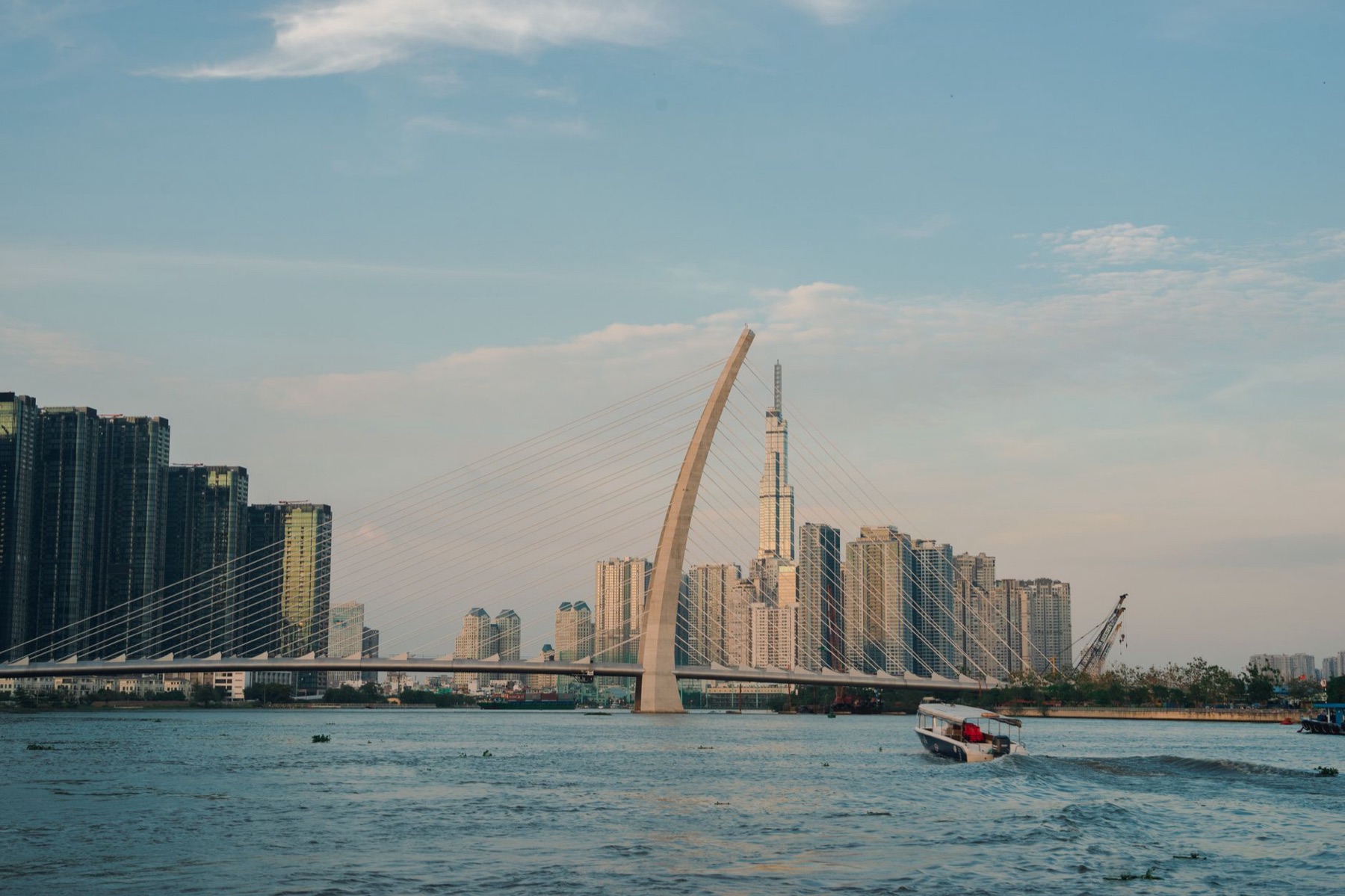
Better move: walk District 1's riverside at 5–6 a.m. Locals do tai chi; coffee carts set up; the Saigon River isn't beautiful, but the light is. Then head to District 3 (Vo Van Tan Street) for independent bookshops, vintage vinyl, and unmarked cafes where Expats and locals actually sit.
What outdoor activities actually exist—and what's overrated?
Zip-lining, kayaking, and "jungle treks" marketed from District 1 tours are lies. HCMC is 1.5 meters above sea level and surrounded by urban sprawl and rice-paddy wastelands. The Cu Chi Tunnels (60 km northwest, Cu Chi District) is a real historical site (Viet Cong network, 200 km long) but operates like a theme park now: 50,000–100,000 VND (~$2–$4 USD) entry, plus guides, plus souvenir stalls. Morning departures 8–9 a.m. are less crowded. Expect 2–3 hours crawling tunnels (claustrophobic), 1 hour shooting a rifle range (heavy marketing), and 1 hour eating coconut candy.
Real outdoor option: Tao Đàn Park (District 1, Pho Tao Đàn, just west of Cathedral Square) at dawn. Free. You'll see retirees, students, and families—no tourists. Bring water; a walk around the perimeter takes 30 minutes.
Mekong Delta day tours (District 4, Can Tho district, ~165 km south) are genuine: floating markets, fruit orchards, homestays. Cost 800,000–1,200,000 VND (~$31–$47 USD) per person, 12–14 hours. Book through a guesthouse; avoid tours advertised to you on the street (profit cuts are thin, guides are rushed). Early May through September is green and flooded (boats navigate between fields, photogenic but slow). October–April is drier and faster paced.
📸 Book an ao dai photoshoot in Hanoi or Saigon (Cáo Studio)
When should you visit, and how do you avoid the worst crowds?
December–February is peak: cool (20–26°C), dry, and packed. Expect 500,000+ international arrivals monthly. Museum lines form by 9 a.m.; restaurants require bookings. If you must visit: arrive before opening hours or plan museum visits on weekdays (Tuesday–Friday), not weekends.
March–April is hot but brief; still crowded. May–August is broiling (32–35°C) and humid; tourist numbers drop 40%. Locals joke "you'll melt," but you won't. Bring lightweight, breathable clothes; rehydrate constantly. September–November is the sweet spot for fewer crowds and manageable heat (26–30°C), though occasional rain (usually afternoon, 1–2 hours).
Insider move: book museums on Thursday mornings (9–11 a.m.) when school groups are minimal and business travelers are in meetings. Lunch-hour closure (12–1 p.m.) at smaller sites means fewer bodies by 1:30 p.m. Avoid Tet (Lunar New Year, late January/early February); most attractions close or operate skeleton hours.
How do you skip scams and know what to actually book?
Scam 1: Cyclo (three-wheeled rickshaw) drivers charging 200,000–500,000 VND (~$8–$19.50 USD) for a 15-minute loop. Agree on price beforehand (negotiate to 80,000–120,000 VND / ~$3–$4.70 USD) or skip them. Cyclos are nostalgic but slow.
Scam 2: Fake "tasting tours" that charge inflated prices for street food you could eat elsewhere. Real street food costs 30,000–80,000 VND (~$1.20–$3.10 USD) per dish. Guided tours add 200,000–400,000 VND (~$8–$15.50 USD) markup.
Scam 3: Instant "friends" offering to take you to their uncle's tailor shop. The markup is 200–300%. Buy tailored áo dài (traditional tunic) at independent ateliers in District 3, not via a stranger. Prices for a one-off áo dài: 800,000–1,500,000 VND (~$31–$58 USD) for decent cotton or silk.
What to actually book: Skip most combo tours. Instead, purchase museum tickets on-site (no markup), use Grab (ride-hailing app, similar to Uber) for transport at metered rates, and eat from street vendors you identify yourself. If you want a professional photoshoot in ao dai or traditional dress, book through Cáo Studio's Saigon team (full hair, makeup, and styling included); it removes the language-barrier hustle.
What to Check Before You Buy
- Entry prices change: Museum fees can shift. Check the official sign outside, not vendor quotes.
- Opening hours fluctuate: Smaller pagodas and galleries close randomly for festivals or events. Call ahead or check Facebook (many HCMC sites have community pages).
- Tour operators vary wildly: Read Google/Trustpilot reviews in detail. A low score from 50 reviews matters more than a high score from 2.
- Wet season heat is real: May–September, plan indoor activities (museums) during peak hours (12–3 p.m.); outdoors before 10 a.m. or after 5 p.m.
- Transport timing matters: Grab surge pricing kicks in 7–9 a.m. and 5–7 p.m. Allow 1.5× usual time during these windows.
What's nearby if you're spending more than 3 days?
If HCMC feels exhausted after 2–3 days, take a bus or hire a driver for day trips or overnight stays. Can Tho (Mekong Delta, 3–4 hours) merits 1–2 days. Vung Tau (beach town, 2 hours, touristy but real sea) is overrated. Dalat (3 hours, mountain town, cool weather) is a genuine escape from humidity.
For broader Vietnam context, we recommend exploring the Ho Chi Minh City guide for accommodation and food recommendations, or reviewing the Vietnam itinerary planner to map multi-city trips. Hoi An (6 hours, lantern-filled heritage town) and Ninh Binh (4–5 hours, limestone karsts without Ha Long's crowds) are better multi-day destinations than staying longer in HCMC.
🎟️ Compare tours & tickets for this place
FAQ
Do I need a Vietnam visa for Ho Chi Minh City, and how do I apply?
Most visitors (US, UK, EU, Australia, Canada) can enter visa-free for 90 days. E-visas (30-day, single entry) cost around 25 USD and take 3 working days. Apply via the official Vietnam e-visa portal. Avoid "agency" sites charging 50+ USD—they're markup middlemen.
What's the cheapest way to get around HCMC—Grab, taxi, or buses?
Grab (ride-hailing) costs 30,000–80,000 VND (~$1.20–$3.10 USD) for most in-city trips. Taxis are metered but slower due to traffic. Public buses cost 5,000–10,000 VND (~$0.20–$0.40 USD) but are crowded and routes aren't English-labeled. Grab is fastest and most transparent for foreigners.
Which neighborhood should I stay in: District 1, District 3, or Binh Thanh?
District 1 is central but noisy and pricey. District 3 offers better cafes, galleries, and quiet streets at lower rates. Binh Thanh (riverside, near District 2) is increasingly trendy with young crowds and upmarket cafes. For authenticity, choose District 3 or 5.
What should I eat in HCMC that I won't find elsewhere in Vietnam?
Hu Tieu Nam Vang (pork-broth noodles, Cholon specialty), banh hoai (crispy rice pancakes, Hoi An origin but sold in District 5), and thit kho tau (braised pork with coconut, a Southern staple). Avoid "fusion" restaurants; stick to street vendors or hole-in-wall stalls.
Do I need eSIM or a local SIM card for Internet in Ho Chi Minh City?
Both work. A local SIM (Viettel, Mobifone) costs 50,000–100,000 VND (~$2–$4 USD) with 4G data and lasts 30 days. eSIMs for Vietnam are pricier (around 20+ USD) but avoid physical card registration. Choose based on how long you're staying and comfort with local processes.
FAQ
Do I need a Vietnam visa for Ho Chi Minh City, and how do I apply?
Most visitors (US, UK, EU, Australia, Canada) can enter visa-free for 90 days. E-visas (30-day, single entry) cost around 25 USD and take 3 working days. [Apply via the official Vietnam e-visa portal](/vietnam/visa). Avoid "agency" sites charging 50+ USD—they're markup middlemen.
What's the cheapest way to get around HCMC—Grab, taxi, or buses?
Grab (ride-hailing) costs 30,000–80,000 VND (~$1.20–$3.10 USD) for most in-city trips. Taxis are metered but slower due to traffic. Public buses cost 5,000–10,000 VND (~$0.20–$0.40 USD) but are crowded and routes aren't English-labeled. Grab is fastest and most transparent for foreigners.
Which neighborhood should I stay in: District 1, District 3, or Binh Thanh?
District 1 is central but noisy and pricey. District 3 offers better cafes, galleries, and quiet streets at lower rates. Binh Thanh (riverside, near District 2) is increasingly trendy with young crowds and upmarket cafes. For authenticity, choose District 3 or 5.
What should I eat in HCMC that I won't find elsewhere in Vietnam?
Hu Tieu Nam Vang (pork-broth noodles, Cholon specialty), banh hoai (crispy rice pancakes, Hoi An origin but sold in District 5), and thit kho tau (braised pork with coconut, a Southern staple). Avoid "fusion" restaurants; stick to street vendors or hole-in-wall stalls.
Do I need eSIM or a local SIM card for Internet in Ho Chi Minh City?
Both work. A local SIM (Viettel, Mobifone) costs 50,000–100,000 VND (~$2–$4 USD) with 4G data and lasts 30 days. [eSIMs for Vietnam](/vietnam/esim) are pricier (around 20+ USD) but avoid physical card registration. Choose based on how long you're staying and comfort with local processes.
More: Ho Chi Minh City travel guide · Things to do in Ho Chi Minh City