Ho Chi Minh City · Food
Ho Chi Minh City Food Tours: Best Options & How to Choose
By Wander in Vietnam editorial team · Hanoi, Vietnam
Most visitors to Ho Chi Minh City book a food tour expecting to eat their way through the city—and for good reason. The street food here isn't tourist theater; it's how locals actually eat. Tours range from budget alley walks (around $30–50 USD per person) to private half-day experiences with a dedicated guide ($80–150 USD). The key is matching tour type to what you actually want: flavor discovery, Instagram moments, cultural immersion, or all three.
We've walked these routes dozens of times and noticed a pattern: tours that work best announce their group size upfront, confirm what's included (water? dessert? market entry?), and avoid over-scheduling stops. A good guide knows three vendors, not thirty. They'll eat with you, explain ingredient stories, and know which stall just opened versus which one's been there twenty years.
Which neighborhood tours actually matter?
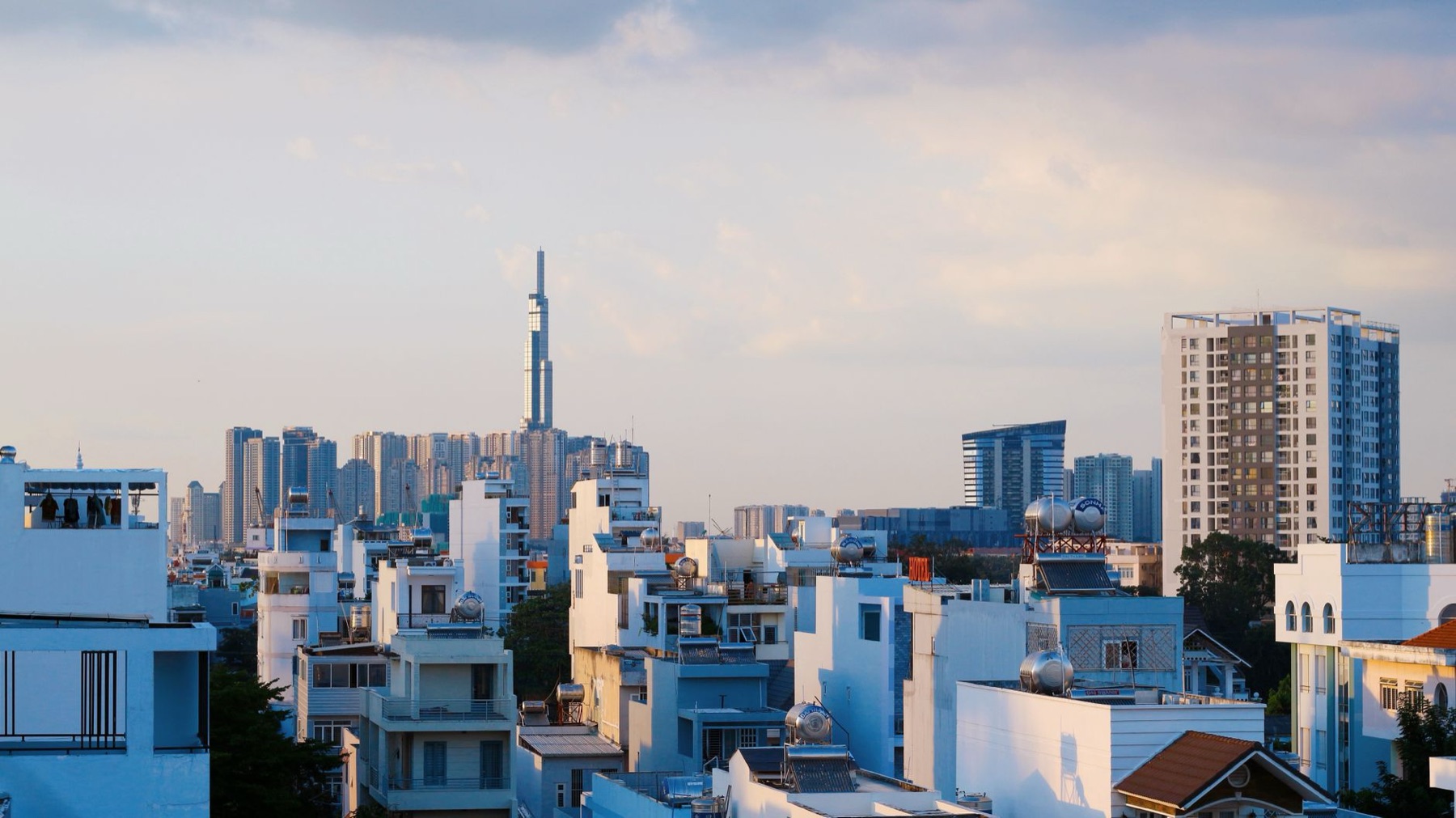
District 1 food tours (Ben Thanh area, Nguyen Hue pedestrian zone) are the most accessible and crowded. They hit famous stalls fast and work for first-timers but often feel rushed. District 3 and 5 tours go deeper—Cho Lon markets, Binh Tay's seafood section, smaller family runs. These take longer, involve more walking, and reward patience. A few operators mix neighborhoods strategically: breakfast in District 1, late-morning snack in District 5, lunch near the Ben Thanh area. That works if you're not trying to cram everything into three hours.
Avoid tours that promise "authentic" without specifying where. Authentic changes by block. A banh mi stand's thirty-year reputation matters more than its street name.
What's included and why it varies?
Here's where tour pricing splits clearly. Budget options (around $35–50 USD) include 5–7 food stops, water, and a guide. They typically last 2.5 to 3 hours and run in groups of 8–15. Mid-range tours (around $60–90 USD) add dessert, coffee, market history, and smaller groups (4–8 people). Private tours ($100–200 USD for two people) give you a guide alone, flexible timing, and choices about neighborhood.
The hidden cost: your appetite. A good tour feeds you enough to taste each dish but not so much you're full by stop four. Check whether the tour lists specific stops before booking—if it's vague, email and ask. Some include a non-alcoholic drink at each stop; others don't. Some cover Binh Tay Market entry (it's free but guides sometimes charge); others skip it. These details matter for budget and digestion.
🎟️ Compare tours & tickets for this place
Group tours vs. private: a real cost comparison
| Tour Type | Group Size | Price (USD) | Duration | Best For | Trade-off |
|---|---|---|---|---|---|
| Walk-in alley tour | 10–20 | $30–50 | 2–2.5 hrs | Budget travelers, first-timers | Rushed pace, loud |
| Small group tour | 4–8 | $60–85 | 3–3.5 hrs | Couples, friends | Higher cost per person |
| Private guide | 2–4 | $100–160 | 3–4 hrs | Families, dietary needs | Highest cost, but flexible |
| Market-focused tour | 8–15 | $45–70 | 2.5–3 hrs | History buffs, photographers | Less tasting, more walking |
| Evening street tour | 6–12 | $40–75 | 3 hrs | Night owls, better lighting | Fewer stalls open, mosquitos |
Private tours cost more upfront but control pace and stops. A group of four splitting a private guide at $120 USD pays $30 per person—often the same as a budget tour—but you choose neighborhoods, timing, and dietary restrictions. Group tours are social and cheaper for solo travelers but rarely adapt mid-tour.
What to check before you book
- Group size and booking deadline. Operators cap groups at 8–15 to keep the pace reasonable. Confirm headcount and whether you can join a confirmed group the same day or need to book a week ahead.
- Inclusions breakdown. Ask exactly: how many stops, which dishes, drinks at each stop, and whether Binh Tay or other market entries are guided or solo. Some tours charge extra for water or dessert; others bundle everything.
- Guide language and pace. Most tours run English-language groups. If your guide barely speaks English, you'll miss vendor stories and regional dish context—the core value. Ask whether they explain food history or just say "try this."
- Walking distance and accessibility. Alley tours mean cramped streets, uneven pavement, and steep stairs into tiny shops. If you have mobility issues, ask how many stairs, how much standing, and whether they serve food seated or standing.
- Timing and overlap. Tours between 6–8 AM or 5–7 PM catch locals eating—better atmosphere and fewer tourists. Midday tours (11 AM–1 PM) are hotter and more crowded but often cheaper.
- Cancellation policy. Most operators require 24–48 hours' notice for free cancellation. If booked via third-party apps, check their cancellation terms—they differ from the operator's.
📸 Book an ao dai photoshoot in Hanoi or Saigon (Cáo Studio)
Common mistakes and how to skip them
Over-booking. Many travelers book two tours in one day (breakfast and dinner). Your stomach fills quickly; you'll taste the fifth stop less than the first. Choose one solid tour and explore on your own the rest of the day.
Skipping water and bathroom stops. HCMC heat is real. Tours list food stops but not water breaks. Bring a portable bottle and ask where bathrooms are. Street-food vendors share toilets; they're functional but basic.
Assuming guides know everything. A great food guide may not know the history of the Saigon Opera House or the best day trip from Ho Chi Minh City. They specialize in food. Cross-reference their suggestions with Wander in Vietnam's main food guide before booking.
Mixing tours with long itineraries. If you're hitting Ha Long Bay, Ninh Binh, and Hoi An in one trip, don't frontload HCMC with five food tours. You'll see the same neighborhoods. Pick one strategic tour in HCMC and focus food exploration on smaller cities.
Booking without checking season. June–August is rainy; indoor tours or covered markets (like Binh Tay) are better. November–January is peak—book a week or two ahead to secure smaller groups.
Which districts to actually explore on a tour
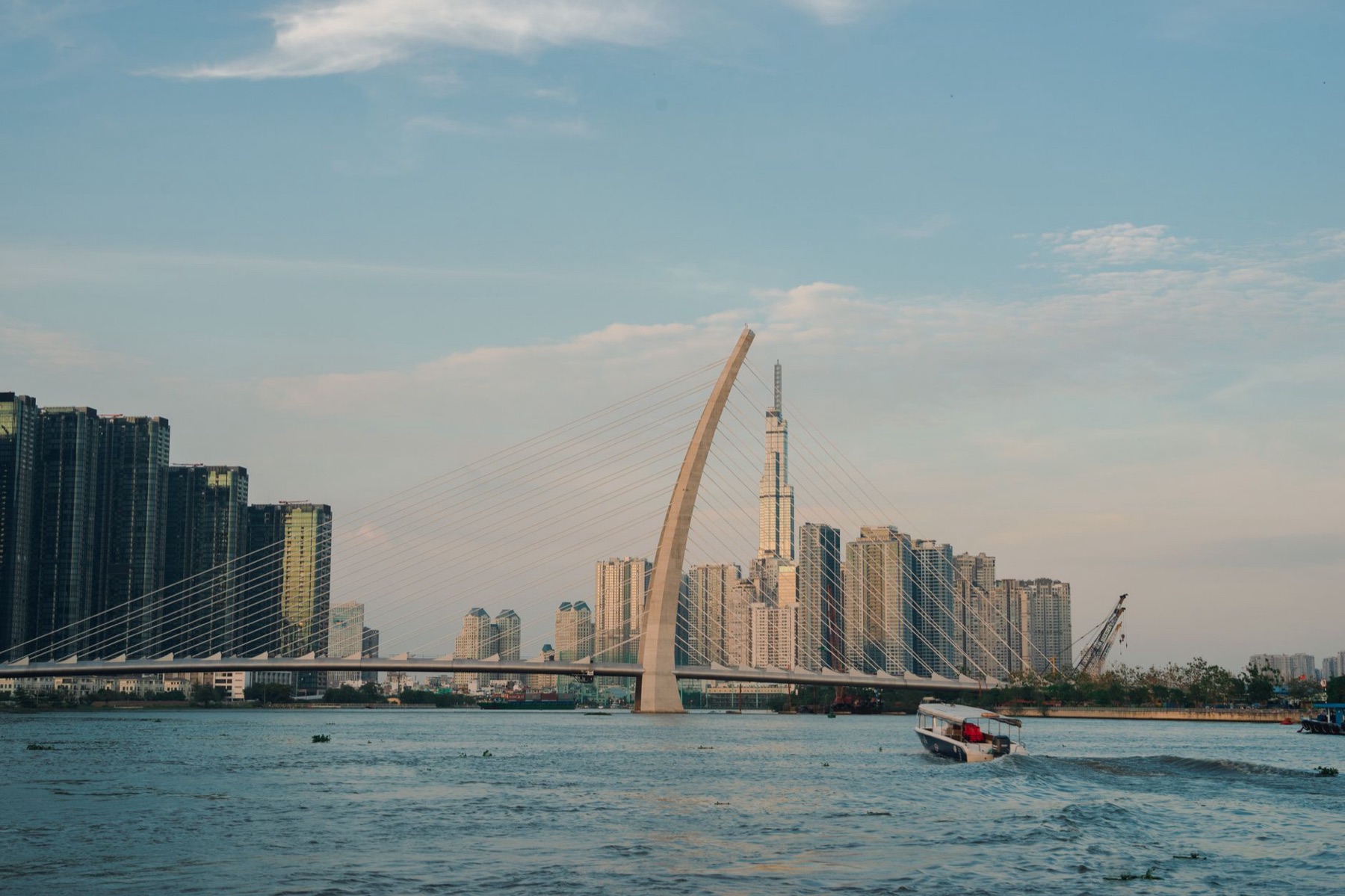
District 1 tours cover Ben Thanh Market area and Nguyen Hue Walking Street vicinity. It's the tourist hub but also where locals buy breakfast. The food is legit; it's just crowded.
District 3 (Tan Dinh ward) has narrower alleys and older stalls. Fewer English signs, more families. Tours here feel less polished but more real.
District 5 (Cho Lon) is Chinatown and home to Binh Tay Market. This is where tours excel because markets have infrastructure: vendors are stationary, stories are deep, and the food diversity is highest. If you book only one tour, make it a District 5 or mixed 1/5 tour.
District 10 and District 11 are residential; few tours venture there. If a tour offers District 10, ask why—it's usually because they have a relationship with a specific vendor, which is actually a sign of quality.
🗺️ Plan your route: Vietnam itinerary
Pricing: what you're actually paying for
Budget tours at around $35–45 USD are run by freelance guides or small local operators. Overhead is low; profit is thin. They're not scalable, so consistency varies. Mid-range tours ($60–85 USD) are usually small businesses or partnerships with a few guides and a booking system. They invest in consistency. Premium tours ($120+ USD for private) either include transport (motorbike or car between stops) or offer specialized themes like "street desserts only" or "vegan hawker stalls."
Markup on tour platforms (like those on travel apps) can be 20–40% higher than booking direct via the operator's website or email. Call or message a tour operator directly—you'll often negotiate better for groups of 4+.
Questions to ask a tour operator before paying
- "How many people are in tomorrow's group?" (Specific headcount, not a range.)
- "Which five stalls will we definitely visit?" (They should name them.)
- "How much does the guide earn from my booking?" (Transparency matters; good guides get tipped, so tour price isn't their only income.)
- "What's the cancellation policy if it rains?" (Valuable in monsoon season.)
- "Will we sit or stand to eat?" (Sitting means one place per stop; standing means quick bites.)
Comparing this to solo exploration vs. cooking classes
A food tour is structured storytelling. Cooking classes (found in Districts 1 and 3, around $50–75 USD for a half-day) teach you to replicate dishes; tours teach you to understand them. Solo exploration is free but means trial-and-error finding vendors and missing context. Tours win for: cultural depth, safety (guides navigate alleys), and efficiency (fewer dead-ends). Cooking classes win if you want to take skills home; solo exploration wins if you have unlimited time and patience.
If you're short on time, combine both: book a tour for cultural grounding, then try your hand at a cooking class for hands-on learning.
Next steps: booking and timing
Reserve tours at least a week in advance during November–March; same-day bookings are common but don't guarantee small groups. For visa and eSIM logistics before you arrive, check our Vietnam e-visa guide and eSIM for Vietnam pages to sort logistics early.
If you're visiting multiple cities, consider food tours in Hanoi, Hoi An, and Sapa as well—each city's food culture differs significantly. Start with Ho Chi Minh City, then expand.
FAQ
How many food stops is normal on a tour?
Most tours include 5–8 stops over 2.5–3.5 hours. Each stop is a single dish or paired small dishes (e.g., banh mi and coffee). More stops sound better but leave less time to chew and enjoy. Quality beats quantity.
Do food tours work for picky eaters or dietary restrictions?
Tell the operator before booking—they can note it but may not accommodate. Street food is meat-heavy and seafood-forward. Vegetarian or allergy-specific tours exist but are rarer; private guides are your best bet.
What's the best time of day to do a food tour?
Early morning (6–7 AM) for breakfast culture or early evening (5–7 PM) for street food dinner setup. You'll see locals eating, not tourists. Midday is hotter, slower, and less atmospheric.
Should I tip my food tour guide?
Yes, around 50,000–100,000 VND ($2–4 USD) if included in the tour, or 100,000–200,000 VND ($4–8 USD) for private tours. Tips are how guides earn most income; tour company fees are often thin.
Can I bring a camera or phone on food tours?
Yes. Some operators appreciate it for social media; others find it slows pace. Take photos before eating to avoid cold food. Avoid photos of vendors without permission—it's polite and builds goodwill.
Is Binh Tay Market worth a dedicated tour?
Yes, especially if you haven't visited Cho Lon. The market has 3,000+ stalls and requires navigation. Guides streamline a 1–2 hour visit into meaningful stops (dried goods, seafood, noodle sections). Solo it's easy to circle and leave overwhelmed.
What's the difference between a "street food tour" and a "market tour"?
Street food tours hit individual sidewalk vendors and small shops; market tours focus on one large marketplace (usually Binh Tay or Ben Thanh). Markets teach infrastructure and supplier networks; street tours focus on flavor and vendor personality.
Do tours include transport between stops?
Most alley tours within District 1 or District 5 are on foot (stops are close). Mixed-neighborhood tours may include motorbike rides between districts or short taxi rides. Check the listing for "transport included."
Are evening food tours different from morning ones?
Yes. Morning tours show breakfast culture and less crowding. Evening tours show where locals eat dinner and party food (grilled meats, beer culture). Evening tours are lighter on dessert and coffee.
FAQ
How many food stops is normal on a tour?
Most tours include 5–8 stops over 2.5–3.5 hours. Each stop is a single dish or paired small dishes (e.g., banh mi and coffee). More stops sound better but leave less time to chew and enjoy. Quality beats quantity.
Do food tours work for picky eaters or dietary restrictions?
Tell the operator before booking—they can note it but may not accommodate. Street food is meat-heavy and seafood-forward. Vegetarian or allergy-specific tours exist but are rarer; private guides are your best bet.
What's the best time of day to do a food tour?
Early morning (6–7 AM) for breakfast culture or early evening (5–7 PM) for street food dinner setup. You'll see locals eating, not tourists. Midday is hotter, slower, and less atmospheric.
Should I tip my food tour guide?
Yes, around 50,000–100,000 VND ($2–4 USD) if included in the tour, or 100,000–200,000 VND ($4–8 USD) for private tours. Tips are how guides earn most income; tour company fees are often thin.
Can I bring a camera or phone on food tours?
Yes. Some operators appreciate it for social media; others find it slows pace. Take photos before eating to avoid cold food. Avoid photos of vendors without permission—it's polite and builds goodwill.
Is Binh Tay Market worth a dedicated tour?
Yes, especially if you haven't visited Cho Lon. The market has 3,000+ stalls and requires navigation. Guides streamline a 1–2 hour visit into meaningful stops (dried goods, seafood, noodle sections). Solo it's easy to circle and leave overwhelmed.
What's the difference between a "street food tour" and a "market tour"?
Street food tours hit individual sidewalk vendors and small shops; market tours focus on one large marketplace (usually Binh Tay or Ben Thanh). Markets teach infrastructure and supplier networks; street tours focus on flavor and vendor personality.
Do tours include transport between stops?
Most alley tours within District 1 or District 5 are on foot (stops are close). Mixed-neighborhood tours may include motorbike rides between districts or short taxi rides. Check the listing for "transport included."
Are evening food tours different from morning ones?
Yes. Morning tours show breakfast culture and less crowding. Evening tours show where locals eat dinner and party food (grilled meats, beer culture). Evening tours are lighter on dessert and coffee.
More: Ho Chi Minh City guide · What to eat in Ho Chi Minh City