Ho Chi Minh City · Where to stay
Ho Chi Minh City Hotel Rooms: How to Choose by Budget & Location
By Wander in Vietnam editorial team · Hanoi, Vietnam
Ho Chi Minh City's hotel rooms reflect the city's layered geography. District 1 (the downtown core) clusters budget and mid-range options; District 3 (Pham Ngu Lao's quieter neighbor) offers better value; outlying areas like Binh Thanh are cheaper but require more transport. Before you book, understand what drives price, where you'll actually spend time, and how to avoid overcommitting to amenities you won't use.
What's the difference between budget, mid-range, and luxury rooms here?
Budget rooms ($10–30 USD per night) typically offer a clean bed, fan or basic AC, and shared bathrooms in hostels or homestays. Mid-range rooms ($50–120 USD) include private bathroom, reliable Wi-Fi, and breakfast in three-star hotels. Luxury rooms ($200–400+ USD) add premium bedding, in-room amenities, gym access, and 24-hour service in four- and well-made properties. The jump in price doesn't always match the comfort gain: a $60 mid-range room in a quiet lane often sleeps better than a $100 one near Nguyen Hue's night traffic.

Which neighborhoods actually have the best hotel value?
| District/Area | Who it suits | Room price range | Why book here |
|---|---|---|---|
| Pham Ngu Lao (D1) | Solo travelers, backpackers | $12–50 | Walking distance to Ben Thanh, bars, food stalls; very social |
| District 3 (near Tao Đàn Park) | Couples, quiet seekers | $40–100 | Local food scene, less touristy, easier to park |
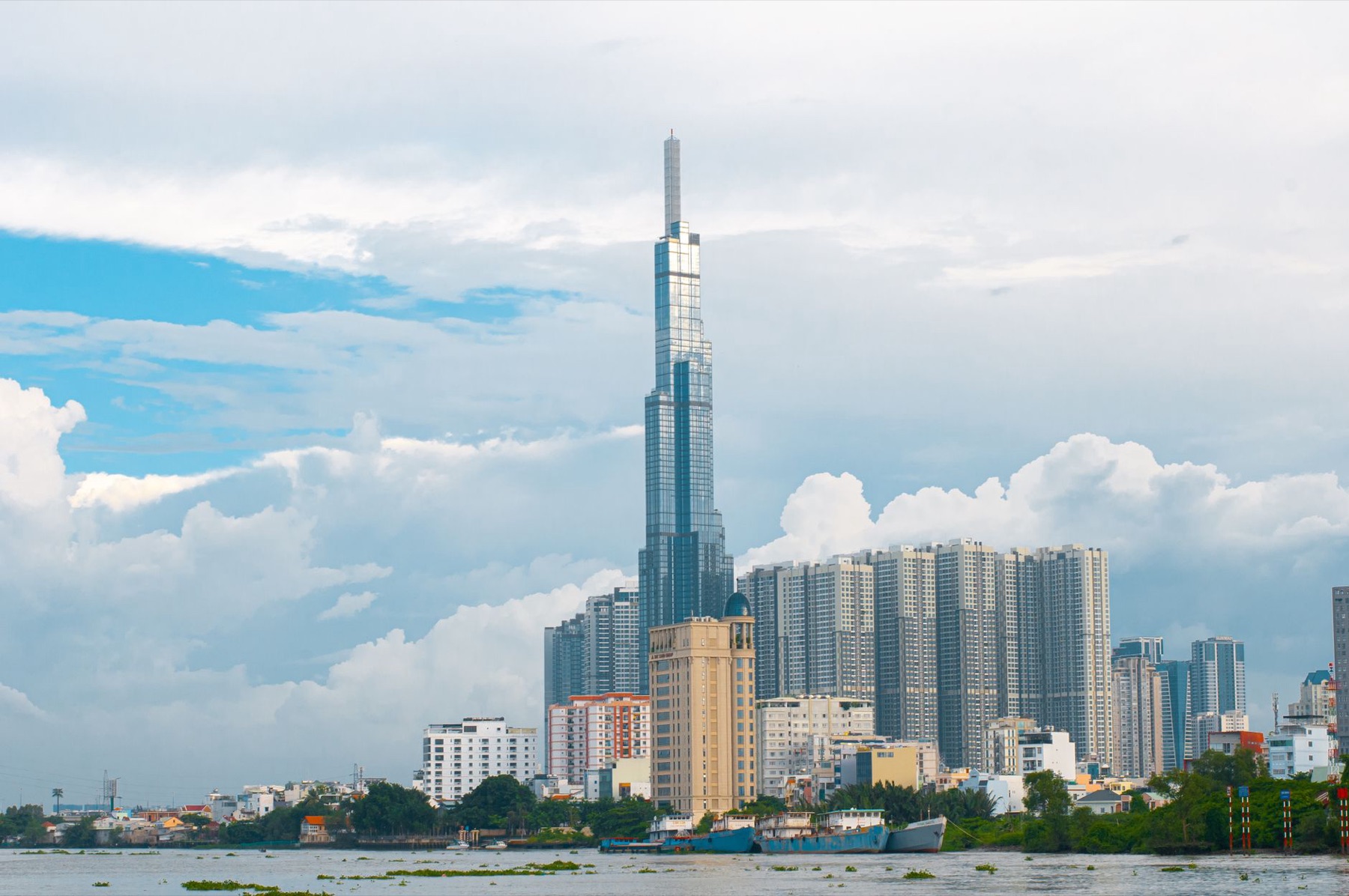
| Binh Thanh (around Landmark 81) | Business travelers, families | $35–120 | Modern malls, restaurants; 15–20 min to central attractions |
| Nguyen Hue area (D1, waterfront) | Luxury seekers | $200–500 | Views, rooftop bars, walking street; expect noise until midnight |
| District 5 (Chinatown) | Budget, cultural tourists | $15–60 | Authentic Chinese temples, cheap pho, fewer Western tourists |
Pham Ngu Lao feels crowded and loud, but you'll eat dinner 30 seconds from your room. District 3 adds a 10-minute walk to attractions but cuts room costs by 20–30% and gains a local vibe. Landmark 81 vicinity (Binh Thanh) means you're paying for modernity and malls, not walkable history.
How do you know if a room's actually worth its price?
Check five non-negotiables before confirming any booking:
- Window and light. Request a room away from the street or facing an interior courtyard if traffic noise matters. Many budget rooms have frosted-glass windows on airless shafts—ask the hotel directly or call 24 hours before arrival to switch.
- AC noise and age. Older units rattle at night. Photos rarely show age. Ask when AC was last serviced; anything over 8 years old often means loud compressors.
- Bathroom hot-water supply. Ho Chi Minh's water heaters are hit-or-miss. Confirm the hotel has instant heaters (tanloa) or a reliable tank system. Budget places sometimes heat only from 6–9 p.m.
- Water pressure. Drizzling showers are common. Read recent reviews specifically mentioning water flow, not just "nice bathroom."
- Internet speed and stability. If you're working remotely, test bandwidth during booking. WiFi listed as "included" can mean 2 Mbps in shared hallways. Mid-range and up usually offer ethernet cables if you ask.
Text the hotel directly (most respond in Vietnamese) with these questions. Replies save you a wasted night.
What's the real cost if you book the cheapest option?
The $12 hostel dorm in Pham Ngu Lao includes no breakfast, shared bathrooms with up to four stalls for 30 residents, and walls so thin you hear neighbor snoring. Add $3–5 for street breakfast (pho, coffee, bread), $5–10 for transport to outlying sites, and potential lost sleep. Total: $20–27 per night when ancillaries arrive. A $45 mid-range room nearby includes breakfast (saving $4), private bathroom, and reliable AC—often cheaper per real-world comfort. The math breaks only if you're out 16+ hours daily and sleep elsewhere 2–3 nights per week.
🗺️ Plan your route: Vietnam itinerary
Mid-range rooms also reduce common complaints: no shared bathrooms at 3 a.m., no 6 a.m. checkout pressure, and no fee-per-service (towels, lockers, AC surcharge). Budget works only if you're genuinely out all day or staying one night.
How does location affect what you'll actually spend?
A $50 room in Pham Ngu Lao means meals and bars are 30 seconds away, but you pay premium street prices: $3–5 per bowl instead of $1–2 in local alleys. Taxis to Bitexco Tower or the airport run 150,000–200,000 VND (around $6–8 USD). A $60 room in District 3 sits 1.5 km from food streets, requiring a 15-minute walk or 40,000 VND taxi ride, but neighborhood pho costs $0.80. Over five nights, location differences add $15–40 to your total spend. Factor transport into your room choice: if you'll visit museums in District 1 daily, staying near Tao Đàn Park (District 3) and taking taxis saves money and stress.
What scams or surprises should you watch for when booking?
Booking-site vs. direct pricing. Hotels often charge 10–20% more via OTA platforms due to commissions. Call the hotel directly or visit Agoda's message feature to negotiate. Legitimate hotels will match or beat OTA prices.
"Promotion" that vanishes. Some advertise $30/night, then add city tax ($2–4), resort fee ($5–10), and breakfast surcharge. Confirm the final price includes tax and all mandatory fees before paying. Ask in writing (email or booking-site message).
Upgrade bait-and-switch. Budget rooms sell out, so hotels offer "better" ones at checkout for 30–50% markup. Confirm your exact room type (fan room, AC room, street vs. quiet side) before arrival.
Noise and "waterfront" claims. "Riverside" often means a polluted drainage canal; "garden view" might be a concrete courtyard. Read recent reviews mentioning actual views, or ask for photos of the specific room, not the lobby.
No refund policies disguised as "flexible." "Free cancellation until 3 p.m. day-of" isn't flexible; you lose the night. Compare actual policies across sites.
🎟️ Compare tours & tickets for this place
Most mid-range and up hotels honor stated policies; budget places sometimes invent new fees. Booking via message (not direct booking button) leaves a paper trail if disputes arise.
What to check before you buy
- Confirm the exact room address if it's a chain with multiple locations. Some guesthouses list a central office; you sleep in a separate annexe.
- Verify bed size and count. "Double room" sometimes means two twins, not a queen.
- Request written confirmation of check-in/checkout times. Some budget places enforce strict 12 p.m. checkout or 2 p.m. check-in; paying $5 extra to store luggage beats rushing.
- Check if your dates overlap with local holidays (Lunar New Year, often late January–February). Rooms inflate 30–50% and availability drops fast.
- Ask about kitchen access if self-catering. Hostels may restrict it to certain hours.
- Confirm AC is included in the final price, not an add-on. Budget places sometimes charge 30,000–50,000 VND (around $1.20–2 USD) per night extra.
---
Ready to explore Ho Chi Minh's neighborhoods in person? Book an ao dai photoshoot in Hanoi or Saigon (Cáo Studio) to capture your stay. Or start planning your whole Vietnam trip with our ho chi minh city guide and broader Vietnam itinerary planner.
Once you've booked a room, consider visiting nearby regions: Ha Long Bay, Ninh Binh, and Hoi An are all reachable by bus or flight. An eSIM for Vietnam keeps you connected across all of them, and if you haven't secured your Vietnam e-visa yet, sort that before arrival.

FAQ
Is District 1 worth the premium, or should I stay in District 3?
District 1 (Pham Ngu Lao) suits one-night stays or hostel socializing; rent doubles but you're steps from Ben Thanh. District 3 is quieter, cheaper 20–30%, and offers authentic local food. Choose District 1 if maximizing walking access; District 3 if comfort and value matter more.
What's the real difference between a $30 and $60 room in the same area?
The $30 room likely lacks a private bathroom, AC may be loud, and walls are thin. The $60 includes your own bathroom, reliable cooling, and soundproofing. If you work or sleep light, the $30 becomes exhausting; splurging saves sanity.
Can you negotiate prices directly with hotels?
Yes, especially for stays over 3 nights or off-peak (May–August, November). Call the hotel directly and ask for their best rate. Many match or beat OTA prices by 10–15% if you book direct.
Should I pay for breakfast included, or find it cheaper outside?
Included breakfast runs $4–8 and saves you 20–30 minutes. Street breakfast is $0.80–1.50 but requires walking and queuing. If you sleep past 8 a.m. or are always rushing, pay for included breakfast; otherwise, skip it.
Are luxury rooms worth it for a 2–3 night trip?
Only if you'll spend mornings there (working, recovering from travel). For sightseeing-heavy trips, a $50–80 mid-range room with gym/pool is better value than a $250 luxury room you barely use beyond sleep.
What's the best time to visit Ho Chi Minh City for hotel availability and prices?
November–January are peak: rooms inflate 20–40%, book 4–6 weeks ahead. May–August are cheapest (heat, humidity deter tourists) but rooms can be humid. March–April and September–October offer balance—moderate prices, better weather, fewer crowds.
FAQ
Is District 1 worth the premium, or should I stay in District 3?
District 1 (Pham Ngu Lao) suits one-night stays or hostel socializing; rent doubles but you're steps from Ben Thanh. District 3 is quieter, cheaper 20–30%, and offers authentic local food. Choose District 1 if maximizing walking access; District 3 if comfort and value matter more.
What's the real difference between a $30 and $60 room in the same area?
The $30 room likely lacks a private bathroom, AC may be loud, and walls are thin. The $60 includes your own bathroom, reliable cooling, and soundproofing. If you work or sleep light, the $30 becomes exhausting; splurging saves sanity.
Can you negotiate prices directly with hotels?
Yes, especially for stays over 3 nights or off-peak (May–August, November). Call the hotel directly and ask for their best rate. Many match or beat OTA prices by 10–15% if you book direct.
Should I pay for breakfast included, or find it cheaper outside?
Included breakfast runs $4–8 and saves you 20–30 minutes. Street breakfast is $0.80–1.50 but requires walking and queuing. If you sleep past 8 a.m. or are always rushing, pay for included breakfast; otherwise, skip it.
Are luxury rooms worth it for a 2–3 night trip?
Only if you'll spend mornings there (working, recovering from travel). For sightseeing-heavy trips, a $50–80 mid-range room with gym/pool is better value than a $250 luxury room you barely use beyond sleep.
What's the best time to visit Ho Chi Minh City for hotel availability and prices?
November–January are peak: rooms inflate 20–40%, book 4–6 weeks ahead. May–August are cheapest (heat, humidity deter tourists) but rooms can be humid. March–April and September–October offer balance—moderate prices, better weather, fewer crowds.
More: Ho Chi Minh City guide · Where to stay in Ho Chi Minh City