Ho Chi Minh City · Where to stay
Ho Chi Minh City Hotels: How to Choose by Neighbourhood & Budget
By Wander in Vietnam editorial team · Hanoi, Vietnam
Ho Chi Minh City's hotel choice isn't just about stars or online ratings—it's about where and why that location serves your actual trip. We've stayed, walked, and talked to dozens of visitors across every major district. Here's what you need to know before you book.
Which district should I stay in?
District 1 (Nguyen Hue, Ben Thanh Market, Dong Khoi Street) is central but chaotic: sirens 24/7, footpaths clogged with motorbikes, and prices 40–60% higher than suburbs. Most international visitors book here automatically—and regret the noise. Hotels here run from around $30 USD (basic rooms, shared walls) to $150+ USD (mid-range chains). If you're here for 1–2 nights and don't sleep heavily, it works. Longer stays often mean exhaustion.
Pham Ngu Lao area (District 1, south of Ben Thanh) is the backpacker epicentre. Cheap, chaotic, and designed for 20-somethings who want nightlife. Hotels from around $12–$40 USD. The catch: earplugs are mandatory, touts aggressively push tours, and you'll hear bars and karaoke until 2 a.m. Skip this if you're over 35, travelling with kids, or want peace.
District 2 (Thu Duc side, Thao Dien ward) has exploded in the past five years. Quieter, with cafés, expat communities, and newer mid-range hotels (around $40–$90 USD). It's 15–20 minutes by Grab from central attractions, but you'll sleep. Good compromise for families or remote workers.
District 3 (Ba Dist, Vo Van Tan Street) is underrated: residential feel, actual Vietnamese neighbourhoods, local pho shops, and hotels at around $25–$60 USD. Walking distance to museums and riverside parks. Tourists rarely stay here, which is precisely why it's better.
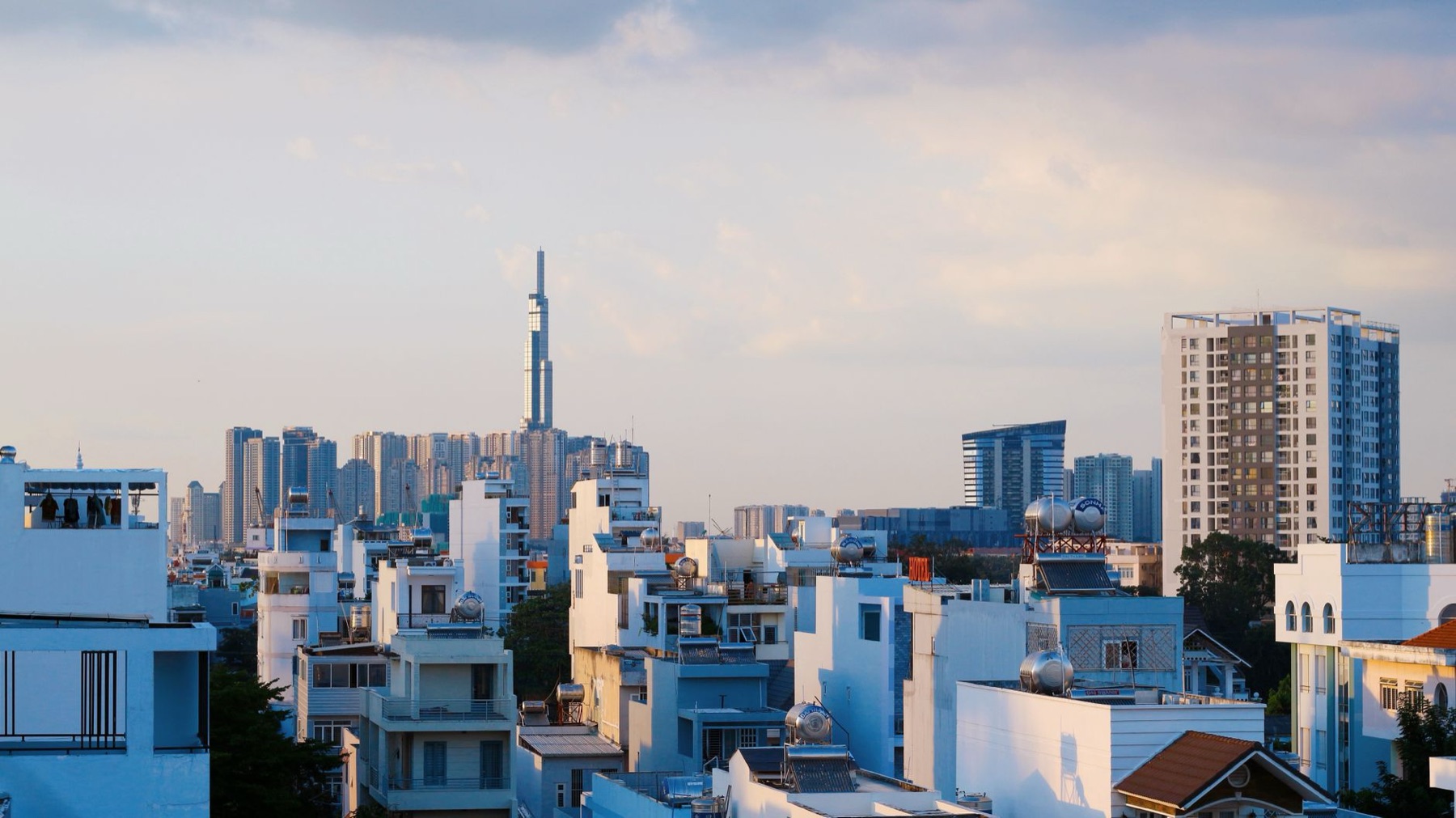
Binh Thanh District (around Landmark 81 tower) caters to business travellers and upscale tourists. Quieter, modern, around $50–$120 USD. Good for those wanting comfort without backpacker circus.
| District | Noise Level | Price Range (USD) | Best For | Nearest Attraction |
|---|---|---|---|---|
| District 1 (central) | Very high | $30–$150 | 1–2 night stops | Ben Thanh Market |
| Pham Ngu Lao | Very high | $12–$40 | Solo backpackers | Nightlife, tours |
| District 2 | Low | $40–$90 | Families, remote work | Quiet cafés, parks |
| District 3 | Low–medium | $25–$60 | Explorers, longer stays | Local neighbourhoods |
| Binh Thanh | Low | $50–$120 | Business, upscale | Landmark 81 |
What's the real cost difference between neighbourhoods?
A basic private room in Pham Ngu Lao runs around $15–$25 USD; the same room in District 1 is $35–$50 USD. Mid-range hotels jump to $50–$80 USD in District 1 and $30–$50 USD in District 3. The gap isn't just about location—it's about demand and noise. Foreign tourists overpay for "central" without understanding they're paying for motorbike sirens and tourist-trap restaurants.
Our rule: subtract 20–30% if you're willing to stay 2km from the tourist core. Grab rides cost around 20,000–40,000 VND ($0.80–$1.60 USD) anyway, so the savings compound fast.
🗺️ Plan your route: Vietnam itinerary
How do I avoid booking-day regrets?
Check three things before clicking "confirm":
- Street noise: Google Maps → street view. Look for motorbike density and signage. Pham Ngu Lao and central Dong Khoi are visibly packed; quieter streets have fewer parked bikes and fewer vendors. If you can't see the street from photos, assume it's loud.
- Windowpane quality: Read three recent reviews—not for overall rating, but specifically for complaints like "thin walls," "street noise," or "music from bar below." These are red flags that no star rating catches.
- Proximity to actual stops: Measure walking time to your planned activities on a map, not what the hotel's website claims. "5 minutes to the lake" means 5 minutes if you know the route and it's 6 a.m.; 20 minutes during rush hour.
Avoid these traps:
- "Charming old town" hotels in tiny laneways: Authentic, yes. Soundproof? No. Mopeds screech past at 5 a.m.
- Deals 50% below market rate: Usually means no refunds, shared bathrooms, or floors without elevators.
- Hotels with only professional photos, no recent guest images: Outdated properties masking wear.
What should my budget actually be?
Budget travellers (≤$25 USD/night): Pham Ngu Lao fan dorms or basic private rooms. Expect thin walls, shared bathrooms in some, and noise. Breakfast rarely included; you'll eat pho on the street (30,000–50,000 VND / $1.20–$2 USD).
Mid-range ($40–$80 USD/night): District 2, 3, or quieter parts of District 1. Private room, en-suite, basic breakfast often included. Acceptable pillows and AC that works.
Comfort ($90–$150 USD/night): Newer hotels in Binh Thanh or reputable chains. Gym, pool, quality bed, staff who speak English. Still not luxury, but you'll sleep well and not feel nickeled-and-dimed.
Luxury ($150+ USD/night): River-view properties, Saigon-brand heritage hotels, or the few five-stars. These justify cost through service consistency, not better neighbourhoods.
🎟️ Compare tours & tickets for this place
Which neighbourhood fits your travel style?
If you're rushing through (2–3 days, ticking boxes), central District 1 saves time but costs energy. Worth it only if you're on a tight schedule and high budget.
If you're working or staying 5+ days, District 2 or 3 pays for itself: quieter mornings, better local food, friendlier interactions. You'll actually enjoy being there, not just passing through.
If you're with a partner or family, avoid backpacker zones. Pham Ngu Lao's 2 a.m. bar noise will destroy your trip. Pay the extra $20 USD/night for peace; it's cheaper than your temper.
If you're exploring like a local, stay in District 3 or even Tan Binh. The tourist trail is designed to extract money; neighbourhoods aren't. Eat where Vietnamese families eat. Notice the difference.
We've watched visitors book a "carefully made" central hotel, then spend their second day grumpy from sleeplessness and looking for a quieter escape. Don't be that person. Neighbourhood choice is strategy, not an afterthought.
📸 Book an ao dai photoshoot in Hanoi or Saigon (Cáo Studio)
How far is each neighbourhood from the airport?
Tan Son Nhat International Airport is northeast; travel time depends on traffic (typically 6 a.m.–10 a.m. and 4 p.m.–8 p.m. are worst). District 1 is around 30–45 minutes by Grab (around 150,000–250,000 VND / $6–$10 USD). District 2 or 3 is similar. Pham Ngu Lao adds 10 minutes. Factor this in if you're arriving late or leaving early; a hotel closer to the airport sometimes makes more sense than fighting traffic.
Many visitors skip the city entirely and head straight to the Mekong Delta or Phu Quoc Island. If that's you, see our Vietnam itinerary planner to optimize your route and save hours.
Before you book: a checklist
- [ ] Map the hotel location; zoom to street level and look for motorbike density.
- [ ] Read 3–5 recent reviews, filtering specifically for noise or building condition.
- [ ] Calculate Grab time to your planned attractions during peak hours (not free-flow times).
- [ ] Check cancellation policy—"free up to 48 hours" lets you pivot if the neighbourhood doesn't feel right.
- [ ] Confirm AC, water pressure, and bed size in photos (don't assume).
- [ ] Ask the hotel directly: "Which guest complaints do you hear most?" Honest places will tell you.
For deeper neighbourhood insight, explore our Ho Chi Minh City guide and compare with other Vietnam stops like Hanoi, Hoi An, or Ha Long Bay. Each city rewards different hotel strategies.
---
FAQ
Is District 1 worth the higher price?
Only if you're staying 1–2 nights and want maximum convenience. Beyond three days, noise and crowds outweigh location perks. District 2 or 3 typically offers better value and sleep quality for the same budget stretched slightly further.
What's the cheapest safe neighbourhood?
District 3 and southern Binh Thanh are both safe and affordable (around $25–$50 USD). Pham Ngu Lao is safe too but assumes you want backpacker scene noise as part of the experience. Avoid Far Binh Chanh or Cu Chi unless you're deliberately exploring less-touristy areas—they're far from everything.
Do I need to book in advance or can I walk in?
Walk-ins work in low season (June–August, September), but you'll see rooms in person—which reveals noise and condition honesty. High season (November–February) books 2–4 weeks ahead. Booking ahead online means you can compare soundproofing reviews; walk-ins are a gamble unless you're flexible.
Should I stay near the Saigon River?
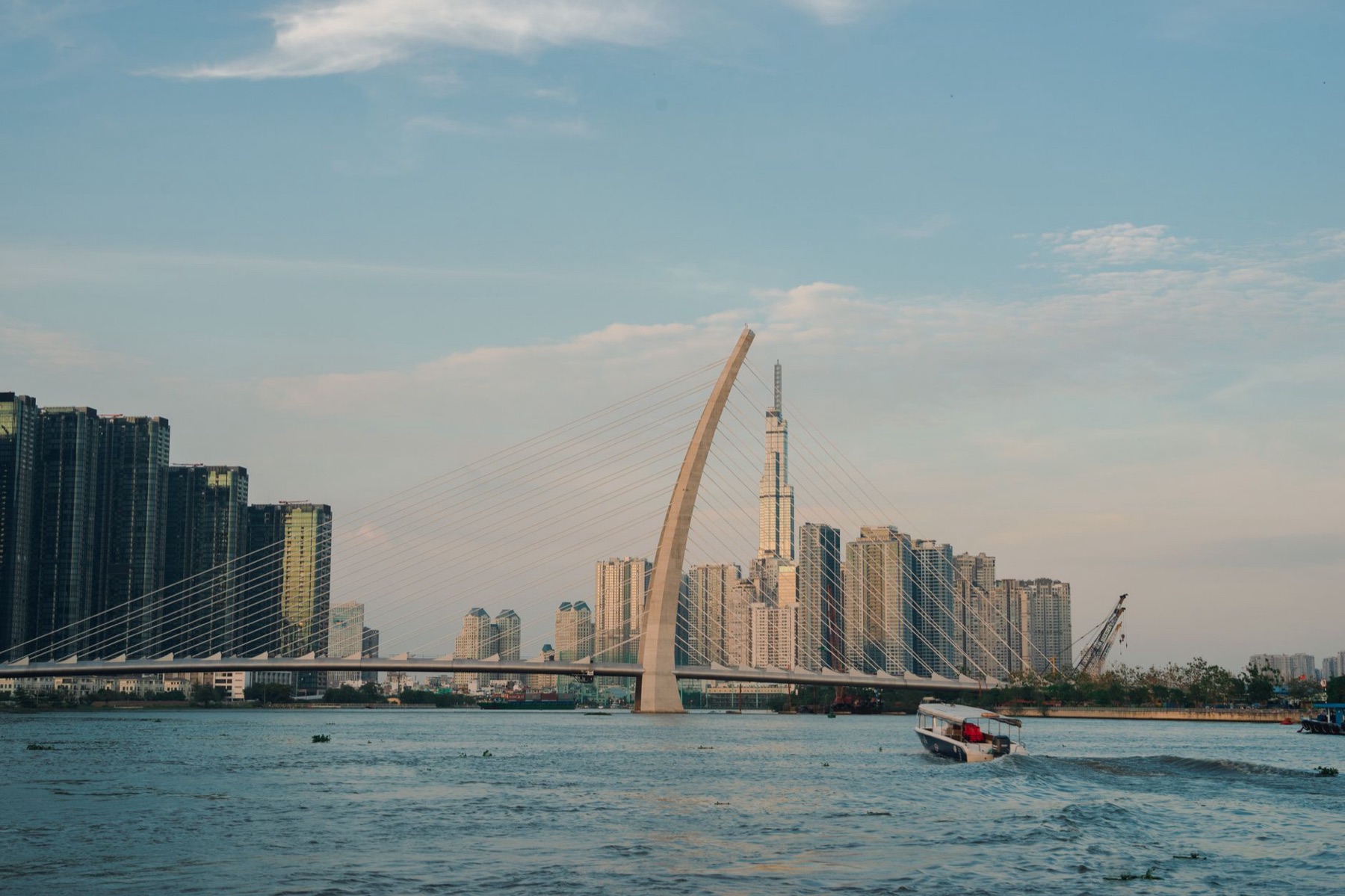
River-view hotels are scenic but pricier (around $80–$150+ USD). The river itself is murky; you're paying for postcard views and tourist appeal, not actual experiences. Unless sunset photos matter more than budget, redirect that money to a quieter neighbourhood and visit the river for an evening stroll free.
What if I hate my hotel after one night?
Many hotels allow free cancellation up to 24–48 hours before checkout. Check your confirmation. If you're stuck, ask the front desk to recommend alternatives in quieter areas; they often know last-minute deals. Worst case, Grab to a different neighbourhood and rebook on the spot—an extra night's move cost (around 50,000 VND / $2 USD) is cheaper than suffering.
Is it better to book direct with the hotel or via booking platforms?
Booking platforms (Agoda, Booking.com) offer more reviews and cancellation flexibility; direct booking sometimes gives small discounts but locks you in. For first-time visitors, platforms protect you with dispute resolution. For repeat visitors who know their choice, direct booking can save 5–10%.
FAQ
Is District 1 worth the higher price?
Only if you're staying 1–2 nights and want maximum convenience. Beyond three days, noise and crowds outweigh location perks. District 2 or 3 typically offers better value and sleep quality for the same budget stretched slightly further.
What's the cheapest safe neighbourhood?
District 3 and southern Binh Thanh are both safe and affordable (around $25–$50 USD). Pham Ngu Lao is safe too but assumes you want backpacker scene noise as part of the experience. Avoid Far Binh Chanh or Cu Chi unless you're deliberately exploring less-touristy areas—they're far from everything.
Do I need to book in advance or can I walk in?
Walk-ins work in low season (June–August, September), but you'll see rooms in person—which reveals noise and condition honesty. High season (November–February) books 2–4 weeks ahead. Booking ahead online means you can compare soundproofing reviews; walk-ins are a gamble unless you're flexible.
Should I stay near the Saigon River?
River-view hotels are scenic but pricier (around $80–$150+ USD). The river itself is murky; you're paying for postcard views and tourist appeal, not actual experiences. Unless sunset photos matter more than budget, redirect that money to a quieter neighbourhood and visit the river for an evening stroll free.
What if I hate my hotel after one night?
Many hotels allow free cancellation up to 24–48 hours before checkout. Check your confirmation. If you're stuck, ask the front desk to recommend alternatives in quieter areas; they often know last-minute deals. Worst case, Grab to a different neighbourhood and rebook on the spot—an extra night's move cost (around 50,000 VND / $2 USD) is cheaper than suffering.
Is it better to book direct with the hotel or via booking platforms?
Booking platforms (Agoda, Booking.com) offer more reviews and cancellation flexibility; direct booking sometimes gives small discounts but locks you in. For first-time visitors, platforms protect you with dispute resolution. For repeat visitors who know their choice, direct booking can save 5–10%.
More: Ho Chi Minh City guide · Where to stay in Ho Chi Minh City