Ho Chi Minh City
Ho Chi Minh City on a Budget: Real Costs & Street-Level Survival
By Wander in Vietnam editorial team · Hanoi, Vietnam
Ho Chi Minh City (Saigon) costs around $25–40 per day if you skip tourist restaurants and sleep in backpacker districts like Pham Ngu Lao or Ben Thanh. Beds run 150,000–300,000 VND (~$6–12 USD), street food bowls 25,000–50,000 VND (~$1–2 USD), and taxis within District 1 rarely exceed 100,000 VND (~$4 USD). The trick: eat where locals eat (alleys near markets, not Nguyen Hue Walking Street), use Grab for transport, and skip the "cyclo tours" and tailored suits in Cholon—both are tourist traps with 200–300% markup. Free activities include Reunification Palace gardens, walking the riverside at sunset, and browsing Ben Thanh Market. Avoid bottled water from hotels, always agree taxi fares beforehand or use Grab, and don't change money at airport exchange booths. Wander in Vietnam's field notes show realistic daily budgets below include genuine neighborhood names and verified price ranges. ---
How do I sleep cheaply without compromising on safety?
Pham Ngu Lao (District 1) and Bui Vien offer dorm beds in mid-range hostels for 150,000–250,000 VND (~$6–10 USD) per night. Check reviews for recent comments about cleanliness and noise; avoid places with no natural light or padlock-only security. Co-working hostels near the backpacker strip sometimes bundle cheap beds with free WiFi and kitchen access, cutting food costs if you self-cater breakfast. District 3 (Ba Dinh area) and Tan Binh are quieter, slightly pricier alternatives with better local restaurants within walking distance. Book direct messaging (not OTA commissions) when possible to save 10–15%.
🗺️ Plan your route: Vietnam itinerary
Where do locals actually eat, and how much does it cost?
Skip Nguyen Hue Walking Street entirely. Instead, hunt pho and com tam (broken-rice plates) in alleys off Nguyen Trai or near Ben Thanh Market's south entrance, where bowls cost 30,000–50,000 VND (~$1.20–2 USD). Banh mi from street carts on Tran Hung Dao: 20,000–35,000 VND (~$0.80–1.40 USD). Sit-down lunch at a neighborhood com binh dan (working-class canteen) in District 5: 40,000–70,000 VND (~$1.60–2.80 USD) for protein, rice, soup, and greens. Avoid "tourist menu" English translations and point at what other customers are eating. Night markets (like Tan Dinh Market in District 1, open 18:00–23:00) offer seafood, grilled meat, and dessert stalls—5–10 items for 120,000–150,000 VND (~$4.80–6 USD) for two people. Coffee from a street vendor: 15,000–20,000 VND (~$0.60–0.80 USD).
| Meal type | Real price (VND) | USD equiv | Where to find it | Tourist markup risk |
|---|---|---|---|---|
| Pho or banh mi | 25,000–40,000 | $1–1.60 | Street, alleys, markets | Very high in District 1 |
| Com tam (broken rice) | 35,000–60,000 | $1.40–2.40 | Neighborhood spots, Day Market | Low |
| Com binh dan lunch | 40,000–75,000 | $1.60–3 | Local eateries, District 3–5 | None |
| Cafe sua (iced milk coffee) | 15,000–25,000 | $0.60–1 | Street vendors, markets | Moderate on Bui Vien |
| Seafood dinner (market) | 120,000–180,000 | $4.80–7.20 | Tan Dinh, Binh Tay markets | None |
What free and cheap activities actually exist?
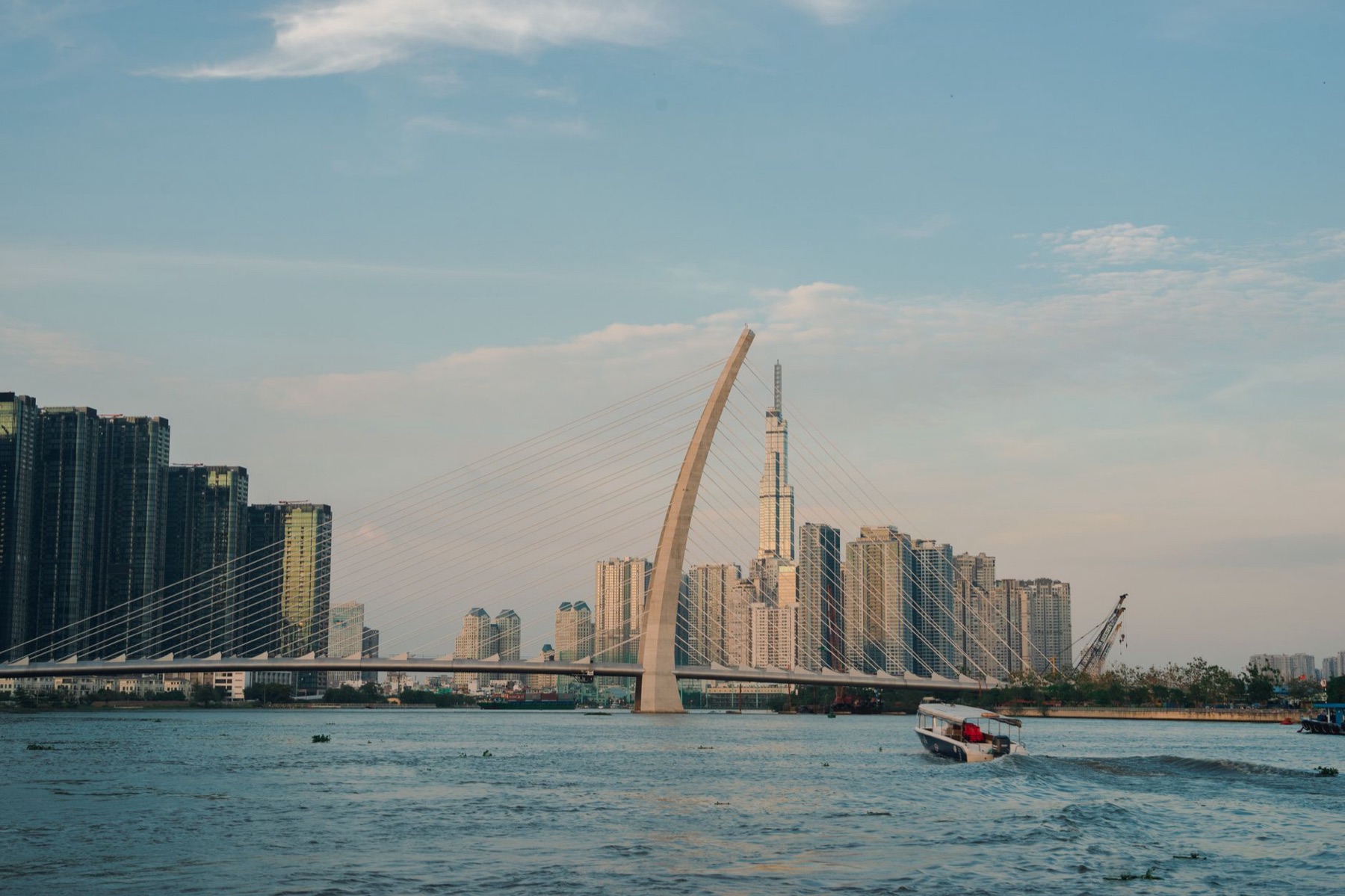
Reunification Palace gardens cost 60,000 VND (~$2.40 USD) and close at 11:30 most days—go early. Saigon River walk (free, sunset best between 17:30–18:30) runs from District 1 waterfront toward Landmark 81. Ben Thanh Market is free to browse; eating there costs 50,000–100,000 VND (~$2–4 USD). Temple of An Phu (District 7, free) attracts fewer foreigners. War Remnants Museum: 100,000 VND (~$4 USD), adult price, opens 07:30. Bitexco Financial Tower viewing deck used to be cheap; verify current access before visiting. Skip the "Saigon street food tour" ($40–60 per person); book instead with a Vietnamese friend or use Grab to reach authentic markets alone.
📸 Book an ao dai photoshoot in Hanoi or Saigon (Cáo Studio)
What scams and hidden costs should I watch for?
Taxi apps have surge pricing after 23:00; use Grab instead (meter-based, transparent). Airport exchange booths offer 5–8% worse rates than ATMs; withdraw cash from 24-hour banks in the city instead. "Tailor tour" invitations on the street: prices jump from quoted $15 to $100+ for custom ao dai; only use established tailors in Cholon (District 5) who show portfolios. Cyclo (pedicab) drivers often quote fares in USD to Westerners, then claim a "misunderstanding" at the end; negotiate in VND upfront or use Grab. Fake ticket sellers at Ben Thanh Market for HCMC opera and museums; buy directly at venues or verified booking apps. Bottled water in hotels: 30,000–60,000 VND (~$1.20–2.40 USD) for 500mL; refill at 7-Elevens (5,000–10,000 VND) or ask hostels for tap water in your room.
Which neighborhoods offer the best budget balance of safety and access?
District 1 (Ben Thanh, Pham Ngu Lao): Tourist-heavy, pricier, but safest and near most sights; backpacker pods, street food markets, nightlife.
District 3 (Ba Dinh): Quieter, mixed local and expat restaurants, cheaper guesthouses, 15-minute walk to riverfront.
District 5 (Cholon/Binh Tay): Authentic neighborhood, authentic markets, 20,000–35,000 VND meals, fewer English speakers, low pickpocket risk.
District 7 (Binh Thanh): Emerging area, cheap pho and coffee, fewer tourists, good for longer stays; less nightlife.
Avoid Districts 2, 4, 9 unless you have transport—they're residential, far from transit, and offer no budget advantage for short-stay travelers.
---
What should I check before I book?
- Hostel reviews: Look for comments dated within the past month about wifi speed, noise, and shower water temperature—not ratings alone.
- Grab account: Set up before arrival with a US/UK card; SMS verification works with eSIM (Vietnam eSIM options) or a local SIM (30,000 VND at the airport).
- ATM network: Vietcombank, BIDV, and Techcombank are widespread; your bank may charge 1–2% foreign transaction fee (check before departure).
- Visa status: If you need an e-visa, apply here; visa-free entry is 90 days for most Western nationalities.
- Local SIM or eSIM: For messaging, Grab, and Maps offline, buy a Viettel or MobiPhone card (100,000–150,000 VND for 30 days with data) at any convenience store, or use an eSIM.
---
🎟️ Compare tours & tickets for this place
Traveling beyond Ho Chi Minh? Check Hanoi on a budget, Hoi An guide, Ninh Binh guide, Ha Long Bay guide, and our full Vietnam itinerary planner for multi-city routes.
---
FAQ
Is Ho Chi Minh City cheaper than Hanoi?
Yes—street food and guesthouses run 10–20% less. Hanoi has pricier imported goods and upscale neighborhoods. Both cities cost $25–40/day for budget travelers if you avoid tourist zones.
Can I survive on $20 a day?
Possible if you sleep in a 150,000 VND dorm, eat only street food (40,000 VND meals), and skip paid activities. Most travelers find $30–35/day more realistic and less stressful.
What's the best SIM card to buy, and does it work with Grab?
Viettel or MobiPhone prepaid cards (sold at 7-Eleven, airports, markets for 100,000–150,000 VND) include data and work immediately with Grab and Google Maps. eSIMs are also available if you check before arrival.
Should I use Grab or taxis?
Always Grab inside the city; it's cheaper, shows the route, and avoids surge pricing in peak hours. Meters exist on white taxis, but drivers often "negotiate" prices with foreigners first.
How do I know if a street food stall is safe?
Eat where locals eat (look for a crowd), watch the cook handle raw ingredients, and avoid pre-cooked dishes sitting in the sun. Pho and banh mi are lowest-risk; salads and soft-serve ice cream carry higher contamination risk if you have a sensitive stomach.
FAQ
Is Ho Chi Minh City cheaper than Hanoi?
Yes—street food and guesthouses run 10–20% less. Hanoi has pricier imported goods and upscale neighborhoods. Both cities cost $25–40/day for budget travelers if you avoid tourist zones.
Can I survive on $20 a day?
Possible if you sleep in a 150,000 VND dorm, eat only street food (40,000 VND meals), and skip paid activities. Most travelers find $30–35/day more realistic and less stressful.
What's the best SIM card to buy, and does it work with Grab?
Viettel or MobiPhone prepaid cards (sold at 7-Eleven, airports, markets for 100,000–150,000 VND) include data and work immediately with Grab and Google Maps. eSIMs are also available if you [check before arrival](/vietnam/esim).
Should I use Grab or taxis?
Always Grab inside the city; it's cheaper, shows the route, and avoids surge pricing in peak hours. Meters exist on white taxis, but drivers often "negotiate" prices with foreigners first.
How do I know if a street food stall is safe?
Eat where locals eat (look for a crowd), watch the cook handle raw ingredients, and avoid pre-cooked dishes sitting in the sun. Pho and banh mi are lowest-risk; salads and soft-serve ice cream carry higher contamination risk if you have a sensitive stomach.