Ho Chi Minh City · Food
Ho Chi Minh City Street Food at Night: What to Order & Where
By Wander in Vietnam editorial team · Hanoi, Vietnam
After sunset, Ho Chi Minh City's street-food vendors emerge with carts, plastic stools, and steaming metal pots. Most locals eat standing or perched on child-sized chairs. The scene is chaotic, cramped, and absolutely genuine—no tourist markup, no English menu. Here's how to navigate it.
Which Street Foods Actually Dominate HCMC After Dark?
The same six dishes appear at 90% of HCMC night stalls. Bánh mì (crispy baguette filled with pâté, cold cuts, pickled daikon, coriander, chilli) costs around 25,000–35,000 VND ($1.00–$1.40) and is the fastest snack. Cơm tấm (broken jasmine rice with grilled pork chop, fried egg, pickles) runs 35,000–50,000 VND ($1.40–$2.00) and fills you for hours. Bánh cuốn (delicate steamed rice rolls with minced pork, mushrooms, served with fish sauce) is 20,000–30,000 VND ($0.80–$1.20). Bánh tráng nướng (sesame-coated rice paper grilled with egg and herbs) costs 15,000–25,000 VND ($0.60–$1.00). Chè (Vietnamese sweet soup: coconut, taro, or mung bean) is 15,000–20,000 VND ($0.60–$0.80). Spring rolls (fried or fresh) range 10,000–20,000 VND ($0.40–$0.80) per order.
🗺️ Plan your route: Vietnam itinerary
Where Do Locals Actually Eat Street Food at Night?
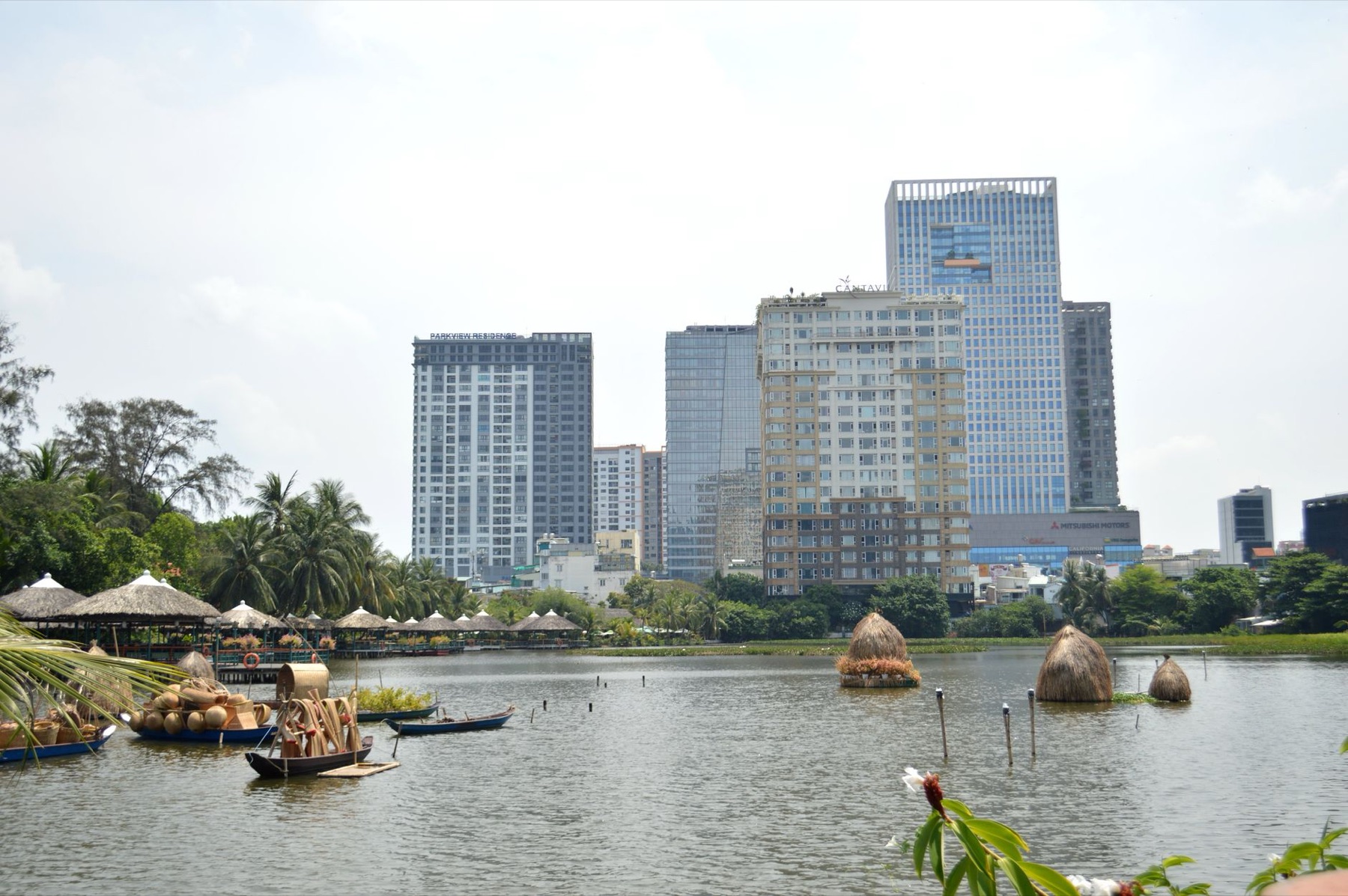
Bến Thành Market (District 1, central location) stays lively until 11 p.m. with vendors outside the main entrance and in side alleys. Expect crowds, no reserved seating, and constant upsell to tourists. We recommend arriving after 7 p.m. to skip the day-trip rush. Tây Hồ ward, District 1 (near the canal, quiet residential zone) has family-run stalls with no tourist pricing—locals bring kids here. Bình Thạnh District (north of the city center) hosts entire street-food strips on Đinh Bộ Lĩnh and Nguyễn Hữu Cảnh streets; these open 6 p.m.–midnight and cater exclusively to office workers. Phú Nhuận District (District 7, near business parks) has newer, cleaner stalls with slightly higher prices (30,000–70,000 VND / $1.20–$2.80) and WiFi. Choose by your tolerance for chaos: Bến Thành = high energy + tourists; Bình Thạnh = authentic + crowded; Phú Nhuận = comfort + markup.
What's the Real Price Range & How to Avoid Overpaying?
| Dish | Who It's For | Typical Price (VND) | USD Equiv. | Why Locals Choose It |
|---|---|---|---|---|
| Bánh mì | Quick eaters, breakfast-before-bed | 25,000–35,000 | $1.00–$1.40 | Portable, fast, filling |
| Cơm tấm | Hearty appetites, dinner | 35,000–50,000 | $1.40–$2.00 | Protein-rich, authentic |
| Bánh cuốn | Delicate palate, light eater | 20,000–30,000 | $0.80–$1.20 | Soft texture, subtle flavor |
| Bánh tráng nướng | Snack lovers, vegetarian option | 15,000–25,000 | $0.60–$1.00 | Crispy, interactive (watch it cook) |
| Chè | Dessert, hot-weather relief | 15,000–20,000 | $0.60–$0.80 | Cooling, sweet, social |
| Spring rolls | Starters, light meal | 10,000–20,000 | $0.40–$0.80 | Pairs with everything |
Price rule: If a vendor quotes double these amounts, walk away. Tourist-facing stalls (Bến Thành perimeter) routinely charge 60,000–80,000 VND ($2.40–$3.20) for the same dish locals pay 30,000 for. Check the plastic laminated price board (some stalls have it; if not, ask a local standing nearby). Negotiating is culturally odd—accept the quoted price or leave. Cash only; no card readers at night stalls.
How Do You Stay Safe Eating Street Food in HCMC After Dark?
The biggest risk isn't the food—it's environment. Watch your bag, phone, and wallet while balancing on a stool with chopsticks. Street stalls themselves are generally safe; HCMC food-safety incidents are rare for established vendors (those with multiple repeat customers and a fixed spot). Avoid stalls with no queue (locals know quality) and those prepping food in direct sunlight without a cover (sign of poor sanitation). Check the pot: if oil or broth looks murky or weeks old, don't order. Fresh herbs (basil, mint, coriander) should be vibrant green, not wilted. Pickled vegetables should smell sharp and acidic, not sour or off. Drink only bottled water, canned drinks, or ordered chè; skip tap water even if offered free.
Visit between 6 p.m. and 10 p.m. for peak freshness—ingredients turn over fast, so you're eating food prepared within the hour. After 10 p.m., portions shrink and quality drops as vendors rush to close. Bring hand sanitizer; sinks are rare. Wear shoes (not sandals) if squatting near gutters. If your stomach is sensitive, skip street food on your first night in HCMC; acclimatize with restaurant meals first.
📸 Book an ao dai photoshoot in Hanoi or Saigon (Cáo Studio)
What's the Best Decision Framework for Choosing a Stall?
Use this checklist before ordering:
- Crowd presence – Is there a line of locals? If yes, the stall passes the first filter.
- Turnover speed – Watch the vendor for 2 minutes. Do they sell a dish every 30 seconds? High turnover = fresh ingredients.
- Price board clarity – Laminated menu or written price visible? If vague pricing, politely move on.
- Ingredient visibility – Can you see fresh herbs, cooked meat, and prepared items? Transparent prep beats hidden kitchens.
- Vendor hygiene – Do they wear a hat or headwrap? Do they wash hands between orders (or use hand sanitizer)? Not perfect, but a positive sign.
- Time of visit – Are you there before 8 p.m.? Ingredients fresher than after 9 p.m.
- Your stomach type – Sensitive gut? Skip the raw herbs; order cooked-meat options. First time street eating? Start with bánh cuốn (softer, lower risk) before diving into offal or fermented sides.
We recommend starting with one vendor per trip—don't tour five stalls in one night. Pick one, order one dish, eat, observe. You'll develop instinct fast.
🎟️ Compare tours & tickets for this place
How Does HCMC Night Street Food Compare to Day Markets?
Day markets (open 5 a.m.–10 a.m.) like Bến Thành focus on fresh produce and spice bulk-buys. Night stalls specialize in cooked, ready-to-eat meals. Day markets have more variety (50+ vegetable types, dried seafood, spices); night stalls repeat the same core six dishes. Day markets are chaotic but navigable; night markets are cramped, lit by bare bulbs, and require Vietnamese comfort. Day food is fresher (just-picked herbs); night food is fresher by time (cooked within the hour). Prices are identical, but night stalls have no tourists, so no markup. If you're a first-timer, eat at a day market during the day, then return to night stalls once you're familiar with vendors and dishes.
For deeper HCMC food context, see our Ho Chi Minh City food guide.
What to Check Before You Buy
- Price board visible? Ask "Bao nhiêu tiền?" (How much?) before ordering if unsure.
- Vendor handling raw + cooked items separately? Cross-contamination is rare but possible; stalls with separate zones are safer.
- Your food touching someone else's plate? Bring your own spoon if paranoid; most vendors provide new utensils.
- Feeling unwell within 12 hours? Eat light the next day; most HCMC street-food issues are mild and self-resolving.
- First time trying a dish? Order the small/half portion if offered, not the full bowl.
---
Ready to Explore HCMC's Other Districts & Cities?
We also cover street food, markets, and dining across Vietnam:
- Hanoi food guide & street eats
- Ho Chi Minh City full travel guide
- Hoi An ancient town & local eateries
- Vietnam visa & eSIM for travelers
For capturing your HCMC street-food experience in style, book an ao dai photoshoot with professional makeup:
📸 Book an ao dai photoshoot in Hanoi or Saigon (Cáo Studio)
---
FAQ
Is street food in HCMC at night actually safe to eat?
Yes, if you follow basic rules: eat at busy stalls with high turnover, between 6–10 p.m., and choose cooked items over raw. HCMC's street-food safety record is solid. Avoid stalls with no locals, murky oil, and wilted herbs. Your stomach may need 2–3 days to adjust; start light.
How much should I expect to spend per meal at a night stall?
Around 30,000–60,000 VND ($1.20–$2.40) per dish. A full meal (cơm tấm + spring rolls + chè) runs 60,000–100,000 VND ($2.40–$4.00). Tourist-facing stalls charge 2–3× more; avoid them by eating in residential alleys, not near Bến Thành.
What's the difference between bánh mì and bánh tráng nướng?
Bánh mì is a soft baguette sandwich with cold cuts and pickles (savory, filling). Bánh tráng nướng is grilled rice paper with egg and herbs (crispy, light, more of a snack). Order bánh mì for dinner, bánh tráng nướng for a quick bite.
Can I negotiate prices at street stalls?
No. Street vendors in HCMC quote fixed prices, and haggling is unusual and seen as disrespectful. If the price feels too high, move to another stall—competition is fierce, and better deals are 20 meters away.
What drink pairs best with HCMC night street food?
Chè (Vietnamese sweet soup with coconut, taro, or mung bean) is iconic. Bottled bia hơi (fresh beer, very light, around 15,000 VND / $0.60) is popular but warm. Soft drinks (7-Up, Coca-Cola) cost 8,000–12,000 VND ($0.32–$0.48). Avoid tap water and juice from unlicensed carts.
Which neighborhoods have the best night street food, and how do I get there?
Bình Thạnh District (Đinh Bộ Lĩnh Street) is locals-only and authentic. Bến Thành Market (District 1) is central but touristy. Tây Hồ ward (District 1, near the canal) is quiet and genuine. Use Google Maps offline or ask your hotel for directions; Grab (ride-app) costs 20,000–40,000 VND ($0.80–$1.60) from most hotels.
FAQ
Is street food in HCMC at night actually safe to eat?
Yes, if you follow basic rules: eat at busy stalls with high turnover, between 6–10 p.m., and choose cooked items over raw. HCMC's street-food safety record is solid. Avoid stalls with no locals, murky oil, and wilted herbs. Your stomach may need 2–3 days to adjust; start light.
How much should I expect to spend per meal at a night stall?
Around 30,000–60,000 VND ($1.20–$2.40) per dish. A full meal (cơm tấm + spring rolls + chè) runs 60,000–100,000 VND ($2.40–$4.00). Tourist-facing stalls charge 2–3× more; avoid them by eating in residential alleys, not near Bến Thành.
What's the difference between bánh mì and bánh tráng nướng?
Bánh mì is a soft baguette sandwich with cold cuts and pickles (savory, filling). Bánh tráng nướng is grilled rice paper with egg and herbs (crispy, light, more of a snack). Order bánh mì for dinner, bánh tráng nướng for a quick bite.
Can I negotiate prices at street stalls?
No. Street vendors in HCMC quote fixed prices, and haggling is unusual and seen as disrespectful. If the price feels too high, move to another stall—competition is fierce, and better deals are 20 meters away.
What drink pairs best with HCMC night street food?
Chè (Vietnamese sweet soup with coconut, taro, or mung bean) is iconic. Bottled bia hơi (fresh beer, very light, around 15,000 VND / $0.60) is popular but warm. Soft drinks (7-Up, Coca-Cola) cost 8,000–12,000 VND ($0.32–$0.48). Avoid tap water and juice from unlicensed carts.
Which neighborhoods have the best night street food, and how do I get there?
Bình Thạnh District (Đinh Bộ Lĩnh Street) is locals-only and authentic. Bến Thành Market (District 1) is central but touristy. Tây Hồ ward (District 1, near the canal) is quiet and genuine. Use Google Maps offline or ask your hotel for directions; Grab (ride-app) costs 20,000–40,000 VND ($0.80–$1.60) from most hotels.
More: Ho Chi Minh City guide · What to eat in Ho Chi Minh City