Ho Chi Minh City · Food
Ho Chi Minh City Street Food Night Markets: What to Buy & Prices 2026
By Wander in Vietnam editorial team · Hanoi, Vietnam
Ho Chi Minh City's street food night markets are not theme parks—they're working-class feeding grounds where locals queue for grilled squid, bánh mì variants, and seafood hot pots that change location weekly. Prices hover between 20,000–50,000 VND (~$0.80–$2 USD) per dish, and the real test isn't Instagram likes but repeat customers at 11 p.m. This guide cuts through the hype and walks you through actual decision-making: where to eat, what costs what, which stalls are worth your time, and the one mistake tourists make that guarantees watered-down broth.
📸 Book an ao dai photoshoot in Hanoi or Saigon (Cáo Studio)
Which Districts Actually Have Night Markets, and What's the Scam?
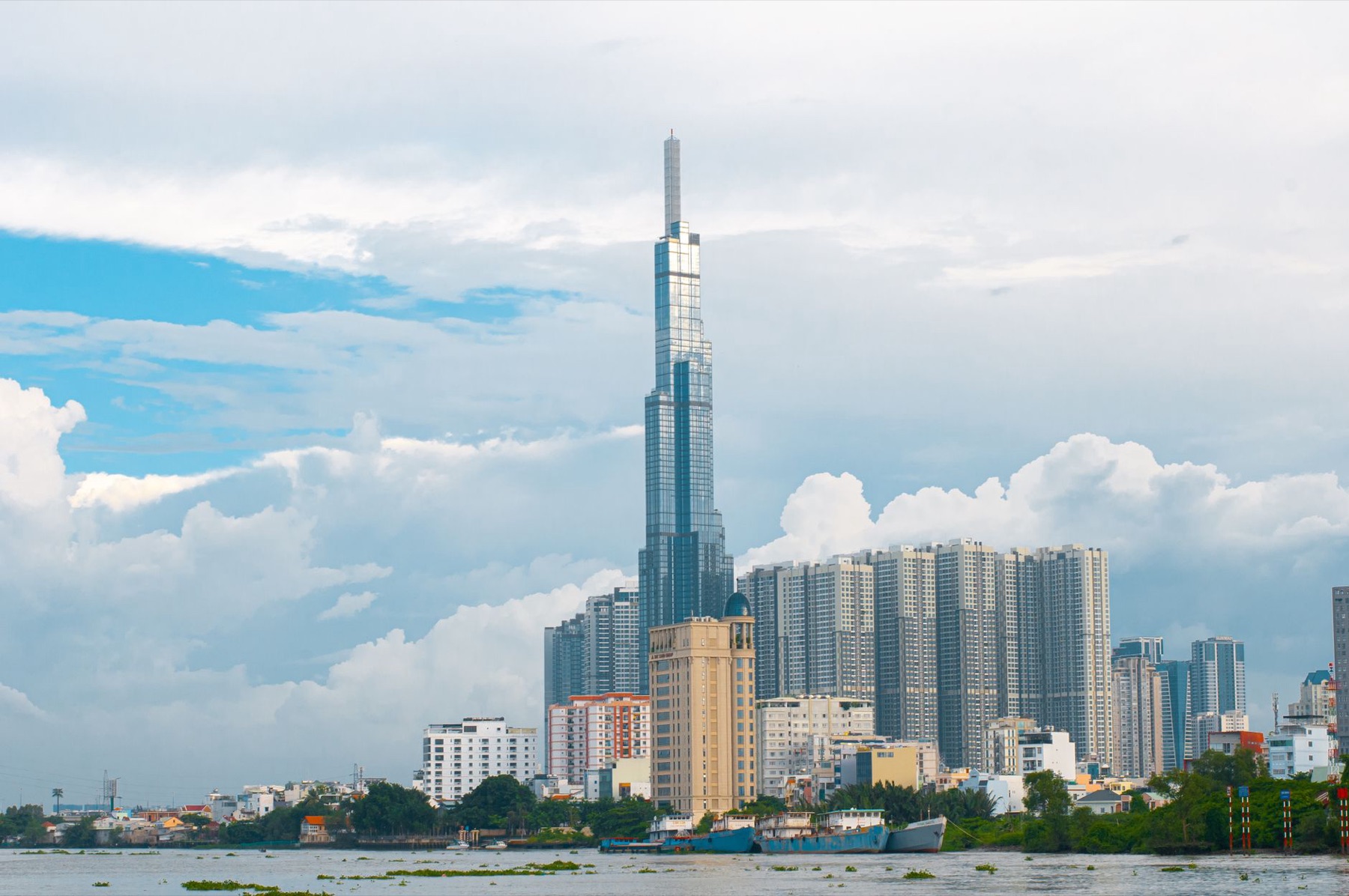
District 1's Ben Thanh Market has no official night market—the "night market" vendors you'll see are unlicensed stalls clustering outside after 6 p.m. in the alleys between Tran Hung Dao and Le Loi streets. Some are legit; many charge 2–3× normal prices. Binh Thanh District runs proper weekend night markets (Friday–Sunday, 7 p.m.–midnight) near the Landmark 81 tower and along Nguyen Hue Walking Street extensions. Thu Duc hosts rotating weekend markets in neighborhoods like Thu Duc Market proper (district boundary areas). The scam: tourist-facing stalls near backpacker hotels (Pham Ngu Lao area) serve reheated food and won't show prices until after you've eaten.
Golden rule: If a stall has a printed menu or price board, it's semi-formal. If the vendor won't quote a price upfront, walk. Locals never haggle over street food in HCMC—you pay what's written or you leave.
🗺️ Plan your route: Vietnam itinerary
Bánh Mì & Bánh Mì Nuong: Why Prices Vary So Much
Bánh mì (Vietnamese sandwich) runs 15,000–35,000 VND (~$0.60–$1.40 USD) depending on filling. A basic chicken or pâté bánh mì costs around 15,000–20,000 VND; bánh mì nuong (grilled with egg, cheese, or meat) jumps to 25,000–35,000 VND. The difference comes down to bread quality (some vendors use industrial white bread instead of crispy baguettes) and meat sourcing. Stalls near Ben Thanh charge double because of foot traffic; the same bánh mì at a cart in Binh Thanh costs 20,000 VND. What to check: bread should be crusty outside, soft inside, baked same-day. If it feels spongy or pre-cut, skip it. Meat should smell fresh—if there's an off odor, the vendor hasn't changed protein since lunch.
Real-deal bánh mì stalls operate from street-side carts with one or two employees who move fast. Tourist-trap versions are sit-down or have laminated menus with photos.
Grilled Squid, Shrimp & Seafood Skewers: Fresh or Frozen?
Grilled squid (mực nướng) typically sells for 40,000–60,000 VND (~$1.60–$2.40 USD) per 100g. The markup comes from freshness. Live squid is cleaned on-site; frozen versions (cheaper for vendors, sadder for your plate) get rubbery when grilled. Shrimp skewers (tôm nướng) run 50,000–70,000 VND (~$2–$2.80 USD) per 5–6 skewers. Here's the insider check: squid should smell like salt water and ocean, not ammonia. If it smells sharp, it's been sitting or was low-quality to begin with. Ask the vendor "squid này sống hay đông lạnh?" (Is this squid fresh or frozen?). Most honest vendors will say "đông lạnh" (frozen) if it is. Avoid stalls that dodge the question.
Shrimp should be firm and translucent before grilling. Post-grill, they should snap when you bite, not be mushy.
Comparing Night Market Dish Prices: Hanoi vs. Ho Chi Minh City
We've eaten across both cities. HCMC night market prices are 20–30% higher than Hanoi's owing to rent pressure and tourist density, but quality variance is wider. Here's a real breakdown:
| Dish | HCMC Avg Price | Hanoi Avg Price | HCMC Quality Range | Best HCMC Area |
|---|---|---|---|---|
| Bánh mì | 20,000 VND | 15,000 VND | High variance | Binh Thanh |
| Mực nướng (squid) | 50,000 VND | 40,000 VND | Good–great | Ben Thanh edges |
| Bánh canh (tapioca cake) | 15,000 VND | 12,000 VND | Consistent | Everywhere |
| Cơm tấm (broken rice) | 30,000 VND | 22,000 VND | Hit–miss | Market stalls |
| Bánh hoai (Hoi An cake) | 20,000 VND | – | Rare in HN | District 1 tourist stalls |
| Mì quảng (Quang noodles) | 35,000 VND | 28,000 VND | Lower–medium | Fewer stalls |
What this means: HCMC charges city-center premiums but doesn't always deliver. Seek out smaller vendors in Binh Thanh or Thu Duc for better value. If you're used to Hanoi's street food scene, expect similar items but higher tabs and fewer no-name gems.
🎟️ Compare tours & tickets for this place

What to Check Before You Order: The Checklist
Before you hand over money:
- Visible prep: Can you see the food being cooked? If the vendor preps from a hidden cooler, skip it.
- Price board: Look for written prices or ask first. Verbal quotes to tourists change mid-meal.
- Smell test: Grilled meat should smell charred and savory. Rotten or off odors mean bacterial risk.
- Temperature: Hot food should steam. Cold items (salads, dipping sauces) should be refrigerated, not room-temp.
- Crowd check: Is there a line of locals? That's the best endorsement. Empty stalls at peak dinner hours mean poor food or overpricing.
- Sauce container: Dipping sauce (nuoc cham) should be freshly made. If it's brown and cloudy, it's oxidized—pass.
- Toilet access: If you eat something risky, can you find a bathroom? Stick to main markets, not hidden alleys.
The one mistake: Ordering "special" off-menu items. Vendors sometimes use older protein for custom orders. Stick to what's already prepped and visible.
Popular Night Market Zones & Logistics
Ben Thanh Market surrounds (District 1): Evening overflow area on Tran Hung Dao and Ton That Thingh streets, 6 p.m.–midnight. Close to backpacker hotels but pricier. Real locals avoid it. Go only if you're already in District 1 at Nguyen Hue Walking Street.
Binh Thanh Market proper: Friday–Sunday, 7 p.m.–midnight, near Landmark 81. Better quality, mixed tourists and locals. Arrive by 8 p.m. for full selection. Parking easy (street side or mini-lot nearby). Expect 30–45 minutes of browsing and eating.
Thu Duc weekend markets: Rotate by neighborhood. Check locally or ask your hotel day-of. Fewer tourists, lowest prices, authentic crowd. Bus lines 10, 14 serve the area. Go before 9 p.m.; vendors close by 11 p.m.
Pham Ngu Lao backpacker strip (District 1): Has daily street food stalls but inflated prices and lower hygiene standards. Avoid unless convenient and hungry.
Getting there: Grab (app-based taxi) costs around 30,000–50,000 VND (~$1.20–$2 USD) from central hotels to Binh Thanh; Ben Thanh is walkable if you're downtown. Use a Vietnam eSIM or your hotel WiFi to book rides or check market hours.
Real Recommendations: Where Locals Actually Eat
After years navigating HCMC's food scene, we recommend:
- Bánh canh stalls: Fastest, cheapest, most consistent. Tapioca cake with pork and shrimp, 15,000 VND. Available at every market.
- Grilled meat on skewers: Quality depends on vendor. Stick to stalls with line-ups. Pork (thịt lợn nướng) is safer than mystery meat.
- Cơm tấm (broken rice with grilled pork): 30,000 VND. Hit-or-miss because rice quality varies. Ask if it's freshly cooked; if it's been sitting under heat lamps, it's dry.
- Bánh hoai (Hoi An-style fried cakes): Tourist item but genuinely good. 20,000 VND. Only at District 1 markets.
- Nước sâm (herbal sweet drink): 10,000 VND. Refreshing, safe, made fresh daily.
- Avoid: Pre-cut fruit salads, raw vegetables, anything in a bowl that's been sitting. Risk isn't worth saving $0.20 USD.
📸 Book an ao dai photoshoot in Hanoi or Saigon (Cáo Studio)
If you're exploring HCMC's food culture beyond night markets, check our full Ho Chi Minh City food guide for daytime spots and restaurant recommendations. For broader travel planning, use our Vietnam itinerary planner to map multi-city food tours. And if you want to document your street food adventures in traditional dress, book an áo dài photoshoot with Cáo Studio in Saigon for makeup, hair, and styling.
Expanding your Vietnam trip? Read our Hanoi guide for northern street food equivalents, explore Hoi An's night markets, or plan a Ha Long Bay food tour focusing on fresh seafood. For rural food culture, Ninh Binh and Sapa offer entirely different night market experiences—more village-focused, fewer tourists.
FAQ
Is street food in HCMC night markets safe to eat?
Yes, if you follow the checklist above. Stick to stalls with visible prep, high foot traffic, and prices written down. Avoid reheated dishes, raw vegetables, and items that've been sitting. Your biggest risks are pre-cut fruit and room-temperature dipping sauces—not the grilled meat.
How much should I budget for a night market meal in Ho Chi Minh City?
Plan 50,000–100,000 VND (~$2–$4 USD) per person for 2–3 dishes and a drink. Bánh mì runs 20,000 VND, grilled squid 50,000 VND, drink 10,000 VND. Bargaining isn't normal for street food in HCMC; prices are set.
What's the difference between Ben Thanh Market's "night market" and Binh Thanh's real night market?
Ben Thanh has unlicensed evening stalls outside; Binh Thanh runs an official weekend market. Binh Thanh is cheaper, cleaner, and more local. Ben Thanh is convenient if you're already downtown but overpriced and inconsistent.
Why does bánh mì cost so much more at tourist stalls?
Rent, foot traffic, and zero accountability. Tourist-facing vendors expect you won't return, so they charge 2× and use cheaper bread. Local stalls repeat customers and maintain standards. Always cross a street or walk 50 meters to find a cheaper, better version.
What should I do if I get food poisoning from street food?
Go to a clinic (most neighborhoods have one). Bring your hotel card or ask Grab driver to take you. Rehydrate with oral solution (available at any pharmacy). Most street-food illness is mild and resolves in 24–48 hours. Prevention is easier: check temperature, avoid pre-cut fruit, ask if meat's fresh.
Are night markets open year-round in Ho Chi Minh City?
Yes, but summer (May–September) heat reduces evening crowds; markets are slower. Winter (December–February) and Tet holidays (late Jan–early Feb) see peak action. Binh Thanh markets run Friday–Sunday consistently; Ben Thanh and Thu Duc vary. Call your hotel or check Google Maps (Vietnamese name: chợ đêm + district) for current hours.
FAQ
Is street food in HCMC night markets safe to eat?
Yes, if you follow the checklist above. Stick to stalls with visible prep, high foot traffic, and prices written down. Avoid reheated dishes, raw vegetables, and items that've been sitting. Your biggest risks are pre-cut fruit and room-temperature dipping sauces—not the grilled meat.
How much should I budget for a night market meal in Ho Chi Minh City?
Plan 50,000–100,000 VND (~$2–$4 USD) per person for 2–3 dishes and a drink. Bánh mì runs 20,000 VND, grilled squid 50,000 VND, drink 10,000 VND. Bargaining isn't normal for street food in HCMC; prices are set.
What's the difference between Ben Thanh Market's "night market" and Binh Thanh's real night market?
Ben Thanh has unlicensed evening stalls outside; Binh Thanh runs an official weekend market. Binh Thanh is cheaper, cleaner, and more local. Ben Thanh is convenient if you're already downtown but overpriced and inconsistent.
Why does bánh mì cost so much more at tourist stalls?
Rent, foot traffic, and zero accountability. Tourist-facing vendors expect you won't return, so they charge 2× and use cheaper bread. Local stalls repeat customers and maintain standards. Always cross a street or walk 50 meters to find a cheaper, better version.
What should I do if I get food poisoning from street food?
Go to a clinic (most neighborhoods have one). Bring your hotel card or ask Grab driver to take you. Rehydrate with oral solution (available at any pharmacy). Most street-food illness is mild and resolves in 24–48 hours. Prevention is easier: check temperature, avoid pre-cut fruit, ask if meat's fresh.
Are night markets open year-round in Ho Chi Minh City?
Yes, but summer (May–September) heat reduces evening crowds; markets are slower. Winter (December–February) and Tet holidays (late Jan–early Feb) see peak action. Binh Thanh markets run Friday–Sunday consistently; Ben Thanh and Thu Duc vary. Call your hotel or check Google Maps (Vietnamese name: chợ đêm + district) for current hours.
More: Ho Chi Minh City travel guide · What to eat in Ho Chi Minh City