Ho Chi Minh City · Food
Ho Chi Minh City Street Food Scooters: What to Order & How to Choose
By Wander in Vietnam editorial team · Hanoi, Vietnam
Street food scooters dominate Ho Chi Minh City's eating culture because they're fast, affordable, and everywhere. Unlike sit-down restaurants, you order, eat standing up or walking, and move on—ideal for busy travelers and locals. But choosing which scooter matters: food safety, value, and satisfaction vary widely. This guide walks you through what each vendor type sells, how to spot a reliable one, and what to check before handing over cash.
What dishes do street food scooters actually sell?
Most HCMC scooters specialize in one or two items, not full menus. Bánh mì carts stack baguettes with pâté, cold cuts, pickled vegetables, and mayo—ready in 60 seconds. Phở and cơm tấm vendors bring portable stove setups, simmering broth on a gas burner beside a rice cooker. Spring roll, satay skewer, and grilled fish cake carts operate at night near parks and beer corners (bia hơi zones). Expect 20,000–50,000 VND (≈$0.80–$2.00 USD) per dish; combo plates rarely exist.
🗺️ Plan your route: Vietnam itinerary
Where in HCMC do you find the best street food scooter clusters?
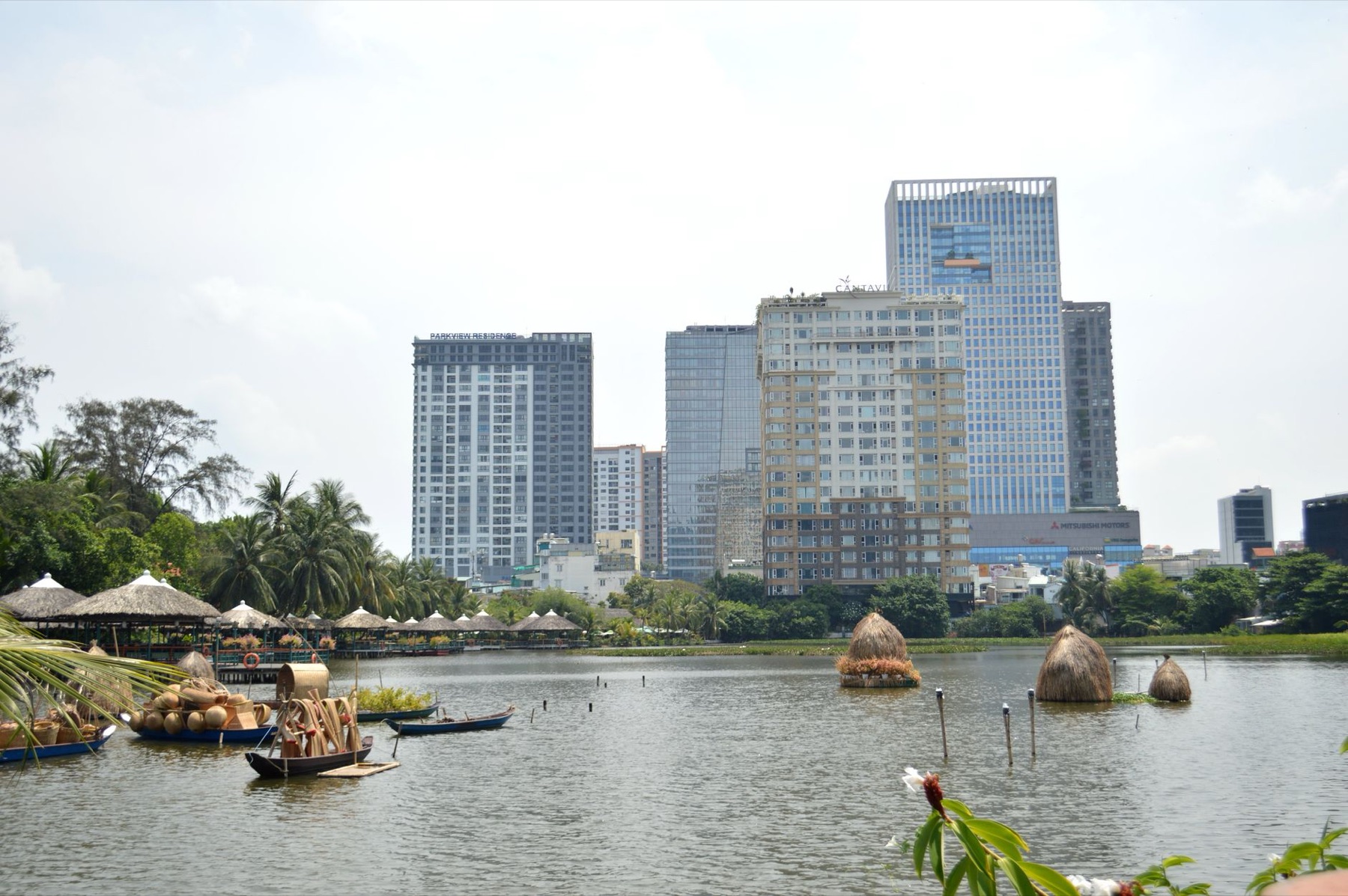
High-density zones cluster around metro stations, parks, and commercial strips. Ben Thanh Market's outer perimeter (District 1) swarms with carts 6–9am and 4–6pm. Tao Đàn Park (District 1, near Hai Ba Trung) fills with satay and grilled fish cake vendors after 5pm. Nguyen Hue Walking Street (District 1) gets breakfast bánh mì carts at dawn. Bitexco area (District 1) hosts lunch phở scooters 11am–1pm near office workers. Tan Dinh Ward (District 1) has persistent cơm tấm corners. Each zone has a predictable rotation—same vendors, same times, same quality levels week-to-week.
How do you spot a safe, busy vendor versus a risky one?
| Safety Signal | Red Flag | What It Means |
|---|---|---|
| Long line of locals, fast turnover | Empty cart, slow movement | High volume = fresh ingredients, safe handling |
| Clear plastic covers on ingredients | Exposed raw vegetables, flies | Contamination risk, digestive illness |
| Vendor wearing gloves, handling cash separately | Bare hands, touching face, no hand-washing | Cross-contamination likely |
| Broth simmering visibly in large pot | Pre-made broth in thermos, unclear age | Boiling = bacteria killed; old broth = food poisoning |
| Cool box with ice or shade for meats | Raw meat in sun, no cooling | Spoilage and bacteria growth |
Choose vendors with visible crowds. A 15-person queue at 7am means the bánh mì is good and ingredients are fresh daily. Avoid single-vendor carts under direct sun with no customers; they're either closed or stale.
What's the price range, and how do you avoid overcharging?
Most single-item dishes run 20,000–40,000 VND (≈$0.80–$1.60 USD). Bánh mì: 25,000–35,000 VND. Phở bowls: 30,000–50,000 VND. Spring rolls (two pieces): 15,000–25,000 VND. Cơm tấm with grilled meat: 35,000–55,000 VND. Tourist-facing carts in District 1 near hostels charge 10–20% more. Locals pay cash; vendors often don't have change, so carry small bills (1,000–10,000 VND notes). A simple rule: if the queue is all Vietnamese locals, the price is fair. If only tourists are eating there, you're likely overpaying. Compare adjacent carts; prices rarely vary by >5,000 VND.
📸 Book an ao dai photoshoot in Hanoi or Saigon (Cáo Studio)
What should you check before ordering—a quick pre-order checklist?
Before handing cash, scan these points:
- Ingredient freshness: Are herbs (mint, cilantro, basil) bright green and crisp, or wilted? Wilted = 2+ days old. Pass.
- Broth clarity: Is phở or cơm tấm broth cloudy or rich amber? Cloudiness suggests reheated, recycled stock.
- Vendor hand hygiene: Did they wash hands after handling money? No = skip.
- Meat color: Is grilled chicken golden-brown or pale/grey? Pale = undercooked or old.
- Ice source: If drinking sugarcane juice or iced coffee, are ice cubes clear (boiled water) or cloudy (tap water)? Cloudy = gastrointestinal risk.
- Language backup: Can you point to an ingredient photo on your phone, or do you speak enough Vietnamese to confirm no peanut/shellfish if allergic?
- Timing: Arrive during peak hours (7–9am breakfast, 11.30am–1pm lunch, 5–7pm dinner). Off-hours = older stock.
Most vendors are safe. Stick to busy zones, watch the preparation, and you'll avoid the food poisoning 5% of tourists experience.
Is eating from a scooter culturally normal, or is it seen as low-class?
Eating street food in HCMC is universal—office workers, doctors, retirees, and children all queue at the same carts. There's no stigma. Vietnamese families often prefer a quick bánh mì over a coffee-shop breakfast. Upscale tourists sometimes avoid scooters out of hesitation, not local preference. The reality: many of the city's tastiest, most consistent dishes only exist on scooters, not in restaurants. Cơm tấm chiên (broken-rice with caramelized pork), bánh mì with liver pâté, and night-time satay aren't served in formal dining. You're not slumming; you're eating how locals eat.
🎟️ Compare tours & tickets for this place
Common scooter scams and how to prevent them
- Inflated pricing for foreigners: Vendor quotes 60,000 VND instead of 35,000. Solution: ask a local friend to inquire first, or compare two carts side-by-side.
- Short-change sleight-of-hand: Vendor hands back 15,000 VND change for a 50,000 note on a 35,000 purchase, claims you owe more. Solution: count change before walking away; stand your ground.
- "Extra charge" add-ons: A bánh mì is 30,000; vendor suddenly adds 5,000 for avocado. Solution: ask the price for each topping before ordering.
- Expired ice in drinks: Sugarcane juice, iced coffee, or smoothies made with tap-water ice cause diarrhea. Solution: order hot drinks, or specify "ice cubes only" (though vendors often ignore it). Bring bottled water instead.
- Misidentified meat: You order grilled pork; vendor serves old chicken. Solution: watch the preparation, or point to the specific meat.
Most vendors are honest. Scams cluster in ultra-tourist zones (hostels, backpacker streets, major markets). Neighborhood carts serving locals have near-zero scams.
---
What to check before you buy
- Vendor crowd size: No line = avoid.
- Ingredient visibility: Can you see raw ingredients? If not, ask to see the meat and herbs before ordering.
- Broth temperature: Is it hot enough to steam? Cold phở is a health risk.
- Allergies: Practice saying "no peanuts" (không đậu phộng) or "no shellfish" (không tôm) in advance, or show a photo on your phone.
- Timing: Eat 11am–1pm or 5–7pm, never 2–4pm (slow hours, old stock).
- Payment method: Confirm the vendor accepts cash before ordering; many don't use digital payment.
---
Related guides to explore
For deeper dives into HCMC's food scene and neighborhoods, start with our Ho Chi Minh City food guide, which maps sit-down restaurants, markets, and food tours. If you're building a broader Vietnam trip, check the Vietnam itinerary planner to balance street food with regional specialties. Heading to other cities? See our guides to Hanoi, Hoi An, and Ha Long Bay—each has distinct street food cultures.
For a memorable souvenir, book a professional ao dai photoshoot in Saigon (Cáo Studio) wearing traditional dress while exploring food neighborhoods—or send fresh flowers from Hoa Lang Thang to thank a local friend.
FAQ
Is street food safe to eat in Ho Chi Minh City?
Yes, for most travelers. Choose vendors with local queues, visible ingredient freshness, and high turnover. Avoid raw vegetable piles, unclear meat color, and off-peak hours. About 5% of tourists report mild diarrhea from street food; 95% have no issues. Carry hand sanitizer and follow the checklist above.
How much should I expect to spend on street food meals?
Single dishes cost 20,000–50,000 VND (≈$0.80–$2.00 USD). A full meal—bánh mì and sugarcane juice, or phở and spring rolls—runs 50,000–100,000 VND (≈$2.00–$4.00 USD). Tourist-zone carts charge 10–20% more. Neighborhood scooters near locals are cheapest and most authentic.
What's the difference between a scooter, a cart, and a street stall?
Scooters are motorbikes with attached boxes holding ingredients and a tiny burner. Carts are three-wheeled or two-wheeled metal frames with a cooler or pot. Stalls are semi-permanent tables on a sidewalk. All are mobile and cheap. Scooters and carts offer fresher, faster service; stalls are slightly less hygienic but sometimes more generous portions.
How do I order if I don't speak Vietnamese?
Point to the dish you want, or show a photo on your phone. For allergies, write "no peanuts" or "no shellfish" on your phone screen and show it. Most vendors understand basic gestures. Learning "hello" (xin chào), "thank you" (cảm ơn), and "how much?" (bao nhiêu tiền?) earns respect and occasionally discounts.
Are there vegetarian or vegan street food scooters?
Yes, but fewer than meat vendors. Look for carts advertising "cơm tấm chay" (vegetarian broken rice), "bánh mì chay" (vegetarian bánh mì with tofu), or "spring rolls chay." Most operate near pagodas or Buddhist neighborhoods. Ask locals to point you to nearby scooters; they're not clustered like meat vendors. Expect 25,000–40,000 VND per dish.
What's the best time of day to eat from street food scooters?
Breakfast (6–9am) and lunch (11.30am–1pm) have the freshest ingredients and busiest queues. Dinner (5–7pm) is second-best. Avoid 2–4pm (slow, stale stock) and after 8pm (aging ingredients). Phở and cơm tấm are best 11am–1pm; bánh mì and satay peak at breakfast and dinner.
FAQ
Is street food safe to eat in Ho Chi Minh City?
Yes, for most travelers. Choose vendors with local queues, visible ingredient freshness, and high turnover. Avoid raw vegetable piles, unclear meat color, and off-peak hours. About 5% of tourists report mild diarrhea from street food; 95% have no issues. Carry hand sanitizer and follow the checklist above.
How much should I expect to spend on street food meals?
Single dishes cost 20,000–50,000 VND (≈$0.80–$2.00 USD). A full meal—bánh mì and sugarcane juice, or phở and spring rolls—runs 50,000–100,000 VND (≈$2.00–$4.00 USD). Tourist-zone carts charge 10–20% more. Neighborhood scooters near locals are cheapest and most authentic.
What's the difference between a scooter, a cart, and a street stall?
Scooters are motorbikes with attached boxes holding ingredients and a tiny burner. Carts are three-wheeled or two-wheeled metal frames with a cooler or pot. Stalls are semi-permanent tables on a sidewalk. All are mobile and cheap. Scooters and carts offer fresher, faster service; stalls are slightly less hygienic but sometimes more generous portions.
How do I order if I don't speak Vietnamese?
Point to the dish you want, or show a photo on your phone. For allergies, write "no peanuts" or "no shellfish" on your phone screen and show it. Most vendors understand basic gestures. Learning "hello" (xin chào), "thank you" (cảm ơn), and "how much?" (bao nhiêu tiền?) earns respect and occasionally discounts.
Are there vegetarian or vegan street food scooters?
Yes, but fewer than meat vendors. Look for carts advertising "cơm tấm chay" (vegetarian broken rice), "bánh mì chay" (vegetarian bánh mì with tofu), or "spring rolls chay." Most operate near pagodas or Buddhist neighborhoods. Ask locals to point you to nearby scooters; they're not clustered like meat vendors. Expect 25,000–40,000 VND per dish.
What's the best time of day to eat from street food scooters?
Breakfast (6–9am) and lunch (11.30am–1pm) have the freshest ingredients and busiest queues. Dinner (5–7pm) is second-best. Avoid 2–4pm (slow, stale stock) and after 8pm (aging ingredients). Phở and cơm tấm are best 11am–1pm; bánh mì and satay peak at breakfast and dinner.
More: Ho Chi Minh City travel guide · What to eat in Ho Chi Minh City