Ho Chi Minh City · Food
Ho Chi Minh City Street Food Vendors: What to Order & How to Choose
By Wander in Vietnam editorial team · Hanoi, Vietnam
Street food vendors line HCMC's pavements, markets, and alleys. Choosing the right stall—by freshness, hygiene, and price—separates memorable meals from regret.
Which Street Food Vendors Are Safe to Eat From?
Safety depends on visible turnover, clean hands, and hot equipment. Avoid vendors where cooked food sits uncovered for hours or whose utensils touch the ground. Pick stalls with a line of locals eating simultaneously—they're filtering risk for you. Water should come from sealed bottles or a dedicated dispenser, never from street taps.
🗺️ Plan your route: Vietnam itinerary

What Districts Have the Best Street Food Vendor Clusters?
District 1 (Tây Hồ area and around Bùi Viện Street): Most vendors target tourists; prices are 40–60% higher. Bánh mì from street carts here costs around 40,000 VND ($1.60 USD) versus 25,000 VND ($1 USD) in Districts 3–5.
District 3 (Nguyễn Huệ, Lê Lợi vicinity): Lunch rush brings working locals; vendors here are cheaper and less accustomed to tourists. Cơm tấm plates run 30,000–45,000 VND ($1.20–$1.80 USD).
District 5 (Chợ Lớn area): Densest vendor concentration. Phở, bánh chưng, chè vendors cluster around street corners. Prices stay low (20,000–35,000 VND, or $0.80–$1.40 USD).
District 10 (Phan Xích Long, Trần Hưng Đạo): Working-class neighborhood—minimal tourist markup, authentic vendor behavior.
Visit our full Ho Chi Minh City guide for neighborhood safety notes and area-by-area eating tips.
Which Vendors Sell What, and at What Price?
| Vendor Type | Signature Dish | Typical Price | Who It's For | What to Check |
|---|---|---|---|---|
| Bánh mì cart | Banh mi with pâté, cold cuts, herbs | 25–40k VND ($1–$1.60) | Anyone, anytime | Bread crispness, fresh herbs, pâté not grayish |
| Cơm tấm stall | Broken rice, grilled pork, egg, pickle | 30–50k VND ($1.20–$2) | Lunch crowd, budget eaters | Rice warmth, pork color, sauce freshness |
| Phở street vendor | Beef/chicken noodle soup, garnish plate | 35–55k VND ($1.40–$2.20) | Morning/evening | Broth clarity, noodle freshness, herb aroma |
| Chè vendor | Sweet dessert soup (bean, grass, tapioca) | 15–25k VND ($0.60–$1) | Afternoon/evening | Ingredient variety, cold sweetness (test a spoon) |
| Bánh chưng cart | Sticky rice cake, pork, salted egg | 20–35k VND ($0.80–$1.40) | Breakfast, snack | Cake firmness, filling visible, warm wrapping |
| Meatball soup (bánh canh) | Tapioca cake noodles, broth, meatball | 30–45k VND ($1.20–$1.80) | Cold-weather eating | Broth heat, noodle texture, meatball firmness |
🎟️ Compare tours & tickets for this place
What Mistakes Do Tourists Make When Ordering From Street Vendors?
Mistaking "tourist vendor" for "popular vendor." A cart surrounded by travelers paying 3× local price isn't high-quality—it's crowded because guidebooks sent everyone there. Seek vendors where locals queue at 11 AM and 6 PM, not all day.
Ordering "mild" or asking the vendor to skip local ingredients. Street vendors don't customize; they work fast on preset recipes. If you ask for no chili or no fish sauce, you'll get a slow, frustrated response and mediocre food. Accept the dish as made, or order something else.
Ignoring the pickle (cà chua muối) or herbs. These aren't optional—they're the acid and brightness that make street food complete. Don't remove them; they also help digestion.
Choosing vendors without a trash bin nearby. You'll end up holding your wrapper. Respect the vendor's setup; if there's no bin, walk to another stall.
Eating during off-peak hours. A bánh mì cart operating at 2 PM might have yesterday's bread. Peak hours (7–9 AM, 11 AM–1 PM, 5–7 PM) guarantee fresh rotation.
What Should You Check Before Ordering?
- Ingredient visibility: Can you see meat cooking, broth simmering, or herbs being washed?
- Vendor's hands: Are they washed before touching your food? Do they use tongs or touch cooked food directly?
- Water source: Sealed bottle or pump dispenser—not a bucket.
- Traffic: Is there a line of locals? If empty at lunch, ask why (often they've sold out, which is good; sometimes it's poor quality).
- Smell: Fresh, spiced, savory—not stale or sour.
- Price negotiation: Street vendors don't haggle on food. If they do, walk.
- Change: Carry small bills. Verify change before walking away.
How to Avoid Common Scams and Health Risks
Inflated tourist prices: Vendors in Districts 1 and 5 near backpacker alleys charge 2–3× normal rates. Compare: a bánh mì should cost 25–30k VND ($1–$1.20 USD), not 60k VND ($2.40 USD).
Fake ice: Some vendors make ice from tap water. Stick to vendors who use pre-packaged ice or sealed water containers.
Hidden fish sauce or offal: If you dislike these, ask before ordering: "Có nước mắm không?" (Does this have fish sauce?). Some broths contain offal; clarify if that matters to you.
Rushed eating = upset stomach: Eat slowly. Your stomach adjusts to new bacteria; eating too fast increases bloating risk.
Leftover oil reuse: Reputable vendors change oil daily (visible by clear color). Murky, dark oil means it's been reused multiple times—risk of stomach upset.
📸 Book an ao dai photoshoot in Hanoi or Saigon (Cáo Studio)
Best Neighborhoods & Landmarks for Street Food Vendor Tours
Chợ Bà Chiểu (District 3): Early morning wet market with dozens of vendors selling phở, bánh chưng, and grilled meats. Go 6–8 AM for maximum activity.
Bùi Viện Street (District 1): Tourist-heavy, but evening hours (after 7 PM) show vendors serving locals at lower prices.
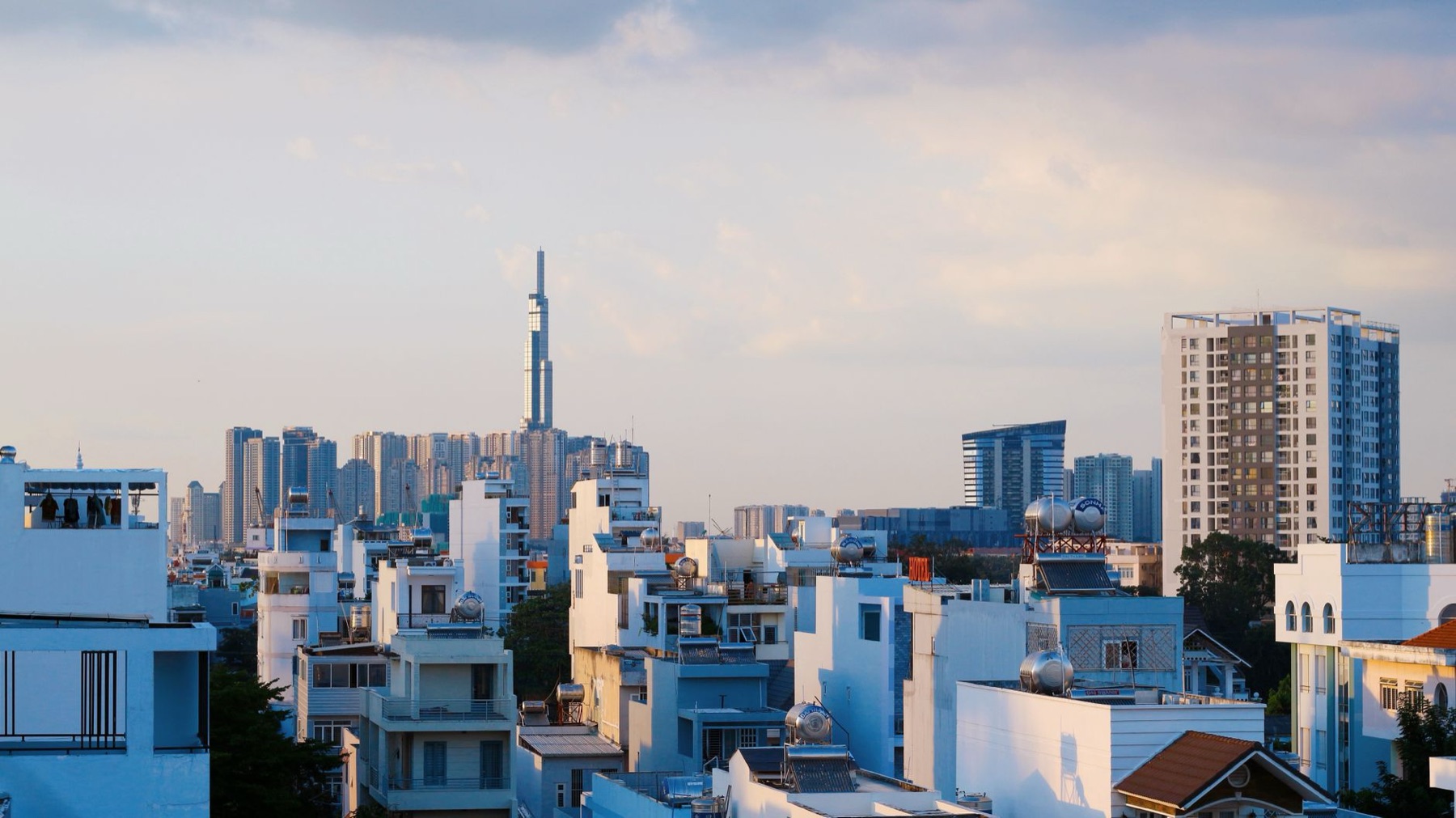
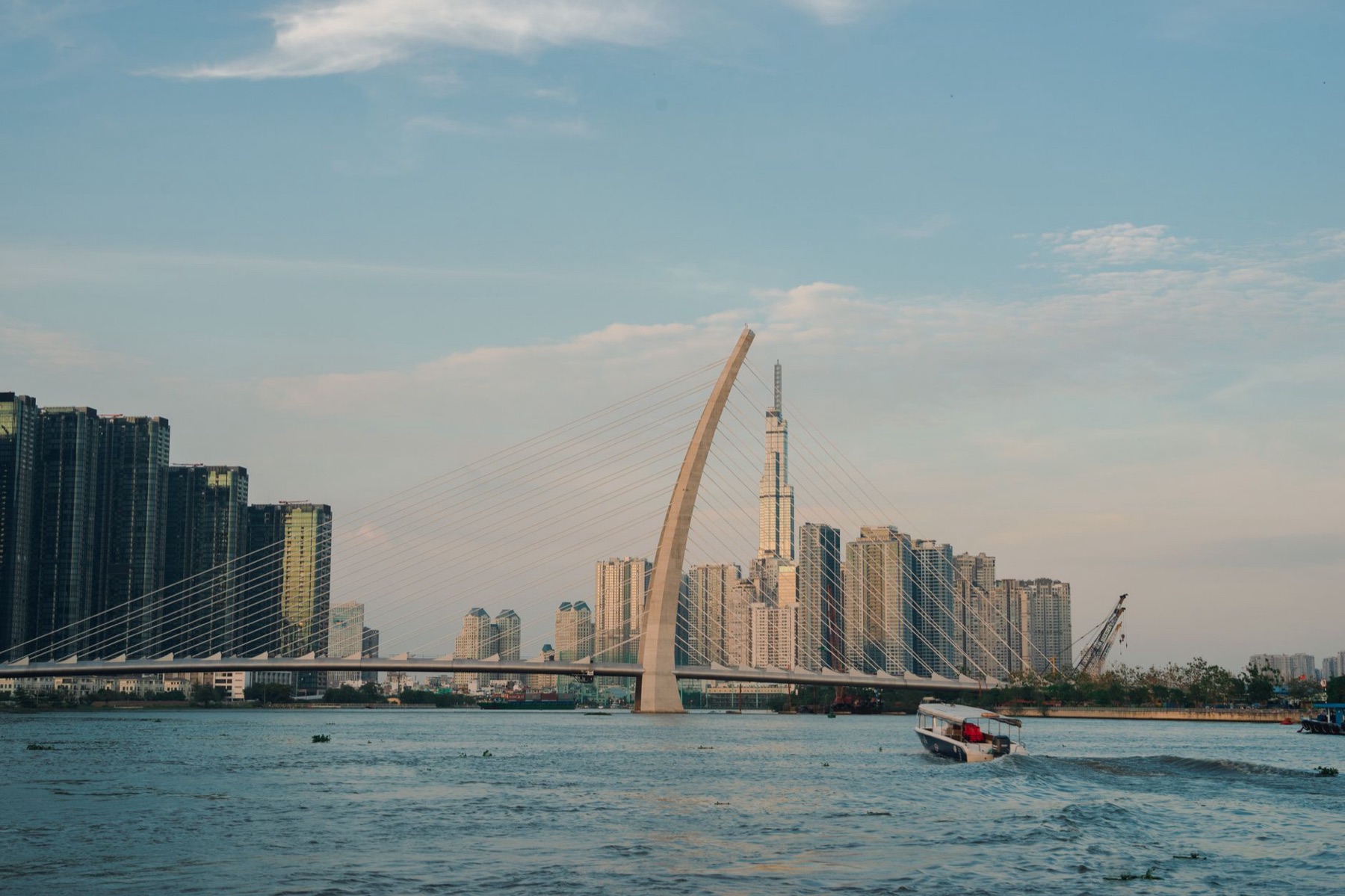
Landmark 81 surroundings (Bình Thạnh District): Modern area with smaller vendor clusters; quieter, less intimidating for first-timers.
Cộng Hòa Street (Tân Bình District): Less touristy, morning vendors selling regional specialties (bánh tráng nướng, mạn thui).
Tạo Đàn Market area (District 3): Vendors cluster outside the market. Lunch is peak time—phở, bánh mì, and chè.
Read our pillar guide to Ho Chi Minh City food for full market hours, transit details, and seasonal dish recommendations.
---
Quick Vendor Comparison: Street vs. Restaurant
| Factor | Street Vendor | Sit-Down Restaurant |
|---|---|---|
| Price | 20–60k VND ($0.80–$2.40) | 80–200k VND ($3.20–$8) |
| Wait time | 5–10 min | 15–30 min |
| Hygiene control | Lower (open-air) | Higher (kitchen visible or closed) |
| Customization | Minimal | Yes |
| Authenticity | Often higher | Often refined/Westernized |
| Best for | Breakfast, lunch, snacks | Dinner, groups, indulgent eating |
Vendors win for speed, price, and flavor. Restaurants win for consistency, comfort, and complex dishes.
---
Planning a longer Vietnam trip? Check out guides for Hanoi, Hoi An, Ha Long Bay, Ninh Binh, and Sapa to find regional street food styles.
Need reliable internet while vendor-hopping? Grab a Vietnam eSIM or sort your visa in advance—no delays, more time eating.
🗺️ Plan your route: Vietnam itinerary
FAQ
Is street food in HCMC safe for travelers with sensitive stomachs?
Yes, if you choose busy vendors with visible turnover and hot food. Avoid raw herbs on the side (add them yourself), drink only sealed water, and eat at peak meal times. Your stomach adjusts within 2–3 days if you're careful. Start with mild dishes (bánh mì, cơm tấm) before spicy phở.
How do I know if a vendor's meat is fresh, not yesterday's?
Smell is the first test—fresh meat smells savory and spiced, not sour or metallic. Check color: pork should be pink-brown, not gray. Watch them cook your portion in front of you. If they're reheating a pre-cooked batch, move on.
What's the difference between a "proper" bánh mì and a tourist bánh mì?
A proper bánh mì (25–30k VND) has crispy bread, thin pâté, cold cuts, fresh herbs, and minimal mayo. Tourist versions add cream cheese, extra mayo, or soft bread (not crispy), charge 50–60k VND, and taste heavy. Locals don't eat those; neither should you.
Can I negotiate prices with street vendors?
No. Food vendors have fixed prices and high turnover; they don't haggle. Tour guides or souvenir sellers do; food vendors don't. If a vendor quotes a price, it's final. If it seems high, walk to the next stall.
Should I eat at the vendor's counter or take it away?
Both are safe if the vendor is reputable. Eating on-site lets you watch preparation; takeaway is faster. Most vendors assume takeaway (they wrap in plastic) unless you sit at a small stool. Either way, hygiene depends on the vendor, not the location.
What's the best time to eat from street vendors in HCMC?
Breakfast (6–8 AM), lunch (11 AM–1 PM), and early dinner (5–7 PM). Avoid midday 1–4 PM and late night (after 9 PM), when foot traffic drops and food freshness suffers.
FAQ
Is street food in HCMC safe for travelers with sensitive stomachs?
Yes, if you choose busy vendors with visible turnover and hot food. Avoid raw herbs on the side (add them yourself), drink only sealed water, and eat at peak meal times. Your stomach adjusts within 2–3 days if you're careful. Start with mild dishes (bánh mì, cơm tấm) before spicy phở.
How do I know if a vendor's meat is fresh, not yesterday's?
Smell is the first test—fresh meat smells savory and spiced, not sour or metallic. Check color: pork should be pink-brown, not gray. Watch them cook your portion in front of you. If they're reheating a pre-cooked batch, move on.
What's the difference between a "proper" bánh mì and a tourist bánh mì?
A proper bánh mì (25–30k VND) has crispy bread, thin pâté, cold cuts, fresh herbs, and minimal mayo. Tourist versions add cream cheese, extra mayo, or soft bread (not crispy), charge 50–60k VND, and taste heavy. Locals don't eat those; neither should you.
Can I negotiate prices with street vendors?
No. Food vendors have fixed prices and high turnover; they don't haggle. Tour guides or souvenir sellers do; food vendors don't. If a vendor quotes a price, it's final. If it seems high, walk to the next stall.
Should I eat at the vendor's counter or take it away?
Both are safe if the vendor is reputable. Eating on-site lets you watch preparation; takeaway is faster. Most vendors assume takeaway (they wrap in plastic) unless you sit at a small stool. Either way, hygiene depends on the vendor, not the location.
What's the best time to eat from street vendors in HCMC?
Breakfast (6–8 AM), lunch (11 AM–1 PM), and early dinner (5–7 PM). Avoid midday 1–4 PM and late night (after 9 PM), when foot traffic drops and food freshness suffers.
More: Ho Chi Minh City travel guide · What to eat in Ho Chi Minh City