Ho Chi Minh City · Things to do
Ho Chi Minh City Things to Do: Beyond Tourist Traps
By Wander in Vietnam editorial team · Hanoi, Vietnam
Ho Chi Minh City—still called Saigon by locals—is not a museum frozen in the past. It's a humid, chaotic, electric present-tense city where motorbike horns compete with coffee-cup clinking, where a $3 dinner turns into a street-side feast, and where a wrong turn down an alley might lead to the most memorable conversation of your trip.
We live here. We've eaten at both the "carefully made" restaurants that serve mediocre food to tourists and the hole-in-the-wall where a bowl of cơm tấm (broken-rice with ribs) costs around 50,000 VND ($2 USD) and tastes like someone's grandmother is cooking for you—because she is. This guide strips away hype and maps the city by what you actually want to do, not what algorithms tell you to photograph.
🗺️ Plan your route: Vietnam itinerary
---
Which neighborhoods should I actually spend time in—and which are tourist traps?
District 1 (downtown, riverside) is unavoidable: museums, old villas, Nguyen Hue Walking Street. But stay only 1–2 days; prices inflate, crowds peak midday, and mediocre restaurants thrive on foot traffic. Walk it early (6–7 AM) when it feels like the city breathes.
Binh Thanh (east of District 1, residential) is where younger locals live, work, and eat. Easier motorbike rides, real café culture, smaller pho shops where you sit elbow-to-elbow and nobody speaks English—which is the point. Around 15–20 minutes from District 1 by taxi or Grab (around 50,000–80,000 VND / $2–3 USD).
District 3 (northwest, bohemian) has art galleries, indie bookshops, and a creative vibe without the Instagram crush. Restaurants here serve food because they believe in it, not because TripAdvisor ranked them. Grittier, safer than it looks.
District 7 (new money, expat hub, riverside towers) is where you go if you want a sanitized, expensive version of the city—skip it unless you need Western comfort food or are meeting someone there.
Ben Thanh Market area (District 1, but walk outside the market proper) feels like a scam corridor. The market itself has dried goods, textiles, tourist knickknacks—fine for 1 hour, but street-level stalls outside prey on confusion. Real markets: Binh Tay (District 6, far west, Vietnamese wholesale) and Tan Dinh (District 1, flowers and fabric—locals only, no English, exactly the point).
Skip entirely: "Saigon River cruises" (overpriced, mediocre food, you're on a boat surrounded by other tourists), "Diamond Plaza shopping" (air-conditioned mall, no local flavor), and any "cooking class" in a tourist-zoned kitchen in District 1—they're theater, not education.
---
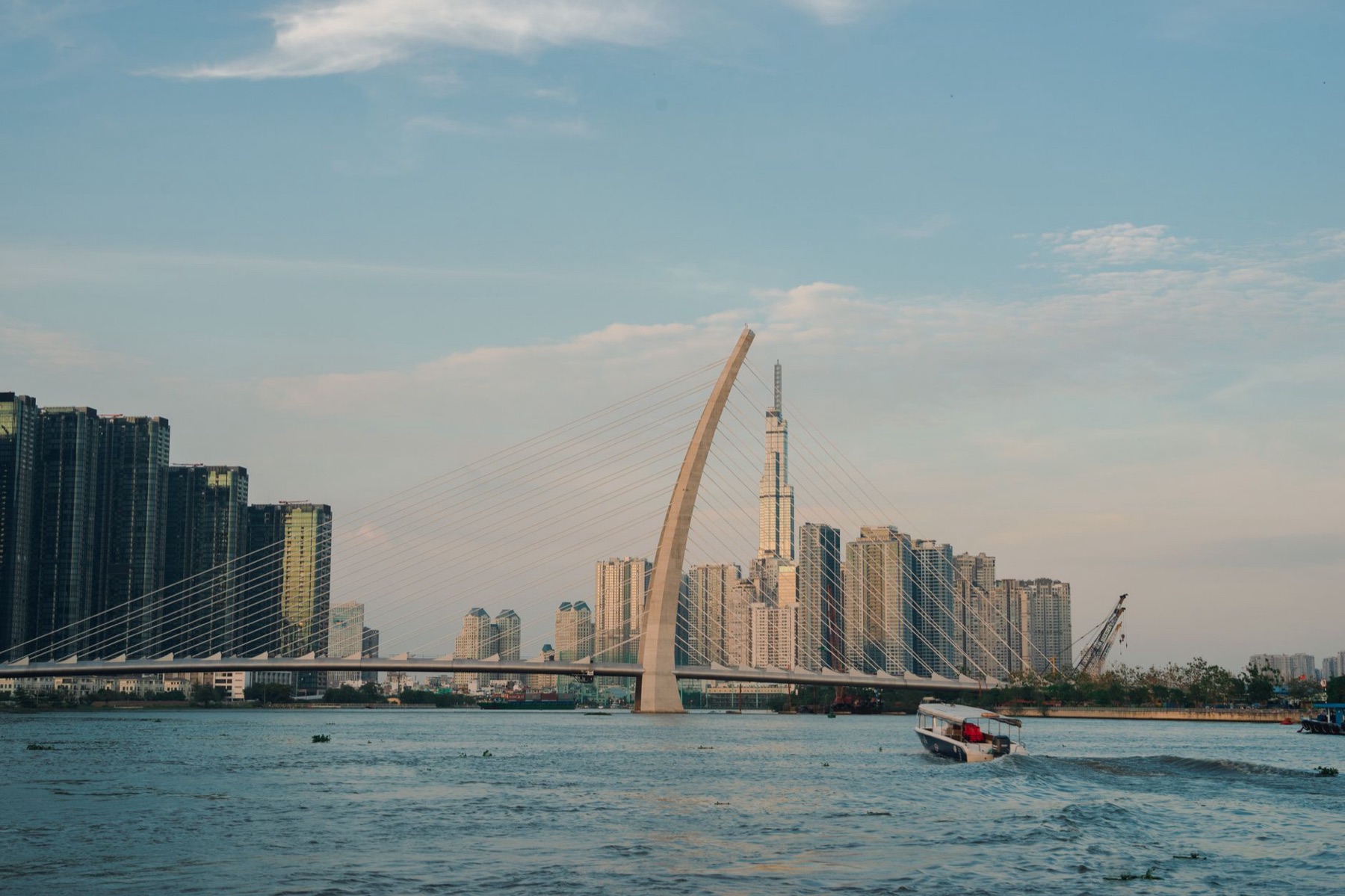
What are the real must-see museums, temples, and historical sites?
War Remnants Museum (District 1, 28 Vo Van Tan) is heavy—genuinely difficult. Graphic, honest, no sanitizing. American tourists often leave shaken; Vietnamese visitors come as pilgrimage. Open 7:30 AM–6 PM. Arrive before 9 AM to avoid school groups. Entry around 40,000 VND ($1.50 USD). Spend 2–3 hours.
Independence Palace (District 1, formerly Presidential Palace) is a 1960s time capsule: frozen waiting rooms, period furniture, the bomb shelter where the last president hid. Architecture is the story. Entry around 40,000 VND ($1.50 USD). Tours in English available; book on-site. Morning light is best.
Jade Emperor Pagoda (District 10, 73 Mai Thi Luu Street) is working temple, not a museum—locals burn incense, tourists arrive for photos. Cramped, smoky, alive. Free entry, but bring small donation (20,000–50,000 VND / $0.75–2 USD). Visit after 3 PM when tour buses leave.
Bitexco Financial Tower (District 1, skybridge viewing platform, 49 floors up) offers 360-degree views of sprawl and river. Entry around 200,000 VND ($8 USD). Only worth it on clear days; skip in haze (common May–September). Sunset is crowded but golden.
Reunification Hall (formerly Saigon City Hall, District 1) is colonial architecture and people-watching from the front steps—the building is less interesting than the street energy around it. Free to photograph exterior; enter only if interior tours appeal to you.
Honest take: temples and museums are secondary here. The real sites are the streets themselves—markets at dawn, motorbike flow at dusk, the chaos of District 1 at lunch.
---
How do I eat like a local without getting ripped off or sick?
Choose places where locals are eating and paying cash—not credit card machines in sight, plastic stools, no laminated menu in English, prices written on a board or simply called out. These places turn over food fast, which means it's fresh.
Pho and broken rice (cơm tấm): Find a shop in a residential district (Binh Thanh, District 3) at 6–7 AM. A full bowl with meat costs 50,000–80,000 VND ($2–3 USD). Eat standing or sitting on low plastic stools. If the owner's family is eating there too, you're in the right place.
Bánh mì (Vietnamese sandwich): Street carts, not shops. Around 25,000–40,000 VND ($1–1.50 USD). Watch them assemble it; if they're using a clean knife and fresh cilantro, order. The best ones are near small markets around 11 AM–1 PM.
Hủ tiếu (clear soup with pork, shrimp, offal): A dish most tourists skip. Costs 40,000–60,000 VND ($1.50–2.50 USD). Eaten as breakfast or lunch. You'll see locals slurping; sit next to them.
Cơm chiên (fried rice): Simple, filling, and almost impossible to mess up. 50,000–70,000 VND ($2–2.50 USD).
Street drinks: Fresh sugarcane juice (nước mía), fresh limeade with salt (nước chanh), egg coffee (an egg yolk beaten into a dense foam, poured over hot coffee). All around 15,000–30,000 VND ($0.75–1.25 USD). Hygienic if you watch them prepare it.
Avoid: Anything pre-cooked and sitting under heat lamps for hours, raw vegetables at roadside stalls (water source unknown), ice at street carts (source murky). Tap water is not safe; buy bottled water from 7-Eleven or big markets.
Stomach trouble? Have oral rehydration salts (sold at any pharmacy for around 20,000 VND / $0.75 USD) and don't skip meals thinking it'll help. Most travelers' stomach issues resolve in 24–48 hours if you stay hydrated.
📸 Book an ao dai photoshoot in Hanoi or Saigon (Cáo Studio)
---
What's actually worth buying—souvenirs that aren't mass-produced tourist junk?
Most tourist-zone souvenirs (lacquerware with tourist clichés, plastic ao dais, fake North Vietnamese flag keychains) are made in factories in Dong Nai Province and marked up 300–500%.
Consider instead:
| Item | Who It's For | Where to Find | Why It Works |
|---|---|---|---|
| Lacquerware bowl (plain or hand-painted, no "I ❤️ HCMC") | Someone with a home | District 3 galleries, Tan Dinh Market small vendors | Actual craft, lasts decades, functional. Verify it's signed or has maker's mark. |
| Silk scarf or shawl (hand-woven) | Someone who wears accessories | Tan Dinh Market (haggle, expect 200,000–400,000 VND / $8–16 USD) | Light, packable, genuine silk. Check weave under light. |
| Coffee beans (roasted in-house) | Serious coffee drinker | Any local coffee roastery in District 3 or Binh Thanh | Vietnamese coffee is carefully made. Buy beans, not pre-ground. Around 150,000–300,000 VND ($6–12 USD) per 500g. |
| Conical hat (nón lá, hand-woven) | Traveler with humor & sun sense | Tan Dinh Market or small craft shops in District 3 | Functional, distinctive, impossible to find at home. Around 50,000–150,000 VND ($2–6 USD). |
| Ceramics (hand-thrown) | Art-focused visitor | Local galleries in District 3, or direct from makers in Ben Thanh area | One-off pieces, supports artisans. Fragile; pack carefully. |
Skip: Any "handmade" item at Bitexco or Ben Thanh tourist stalls (likely mass-produced), embroidered wall hangings with tourist clichés, miniature war memorabilia.
---
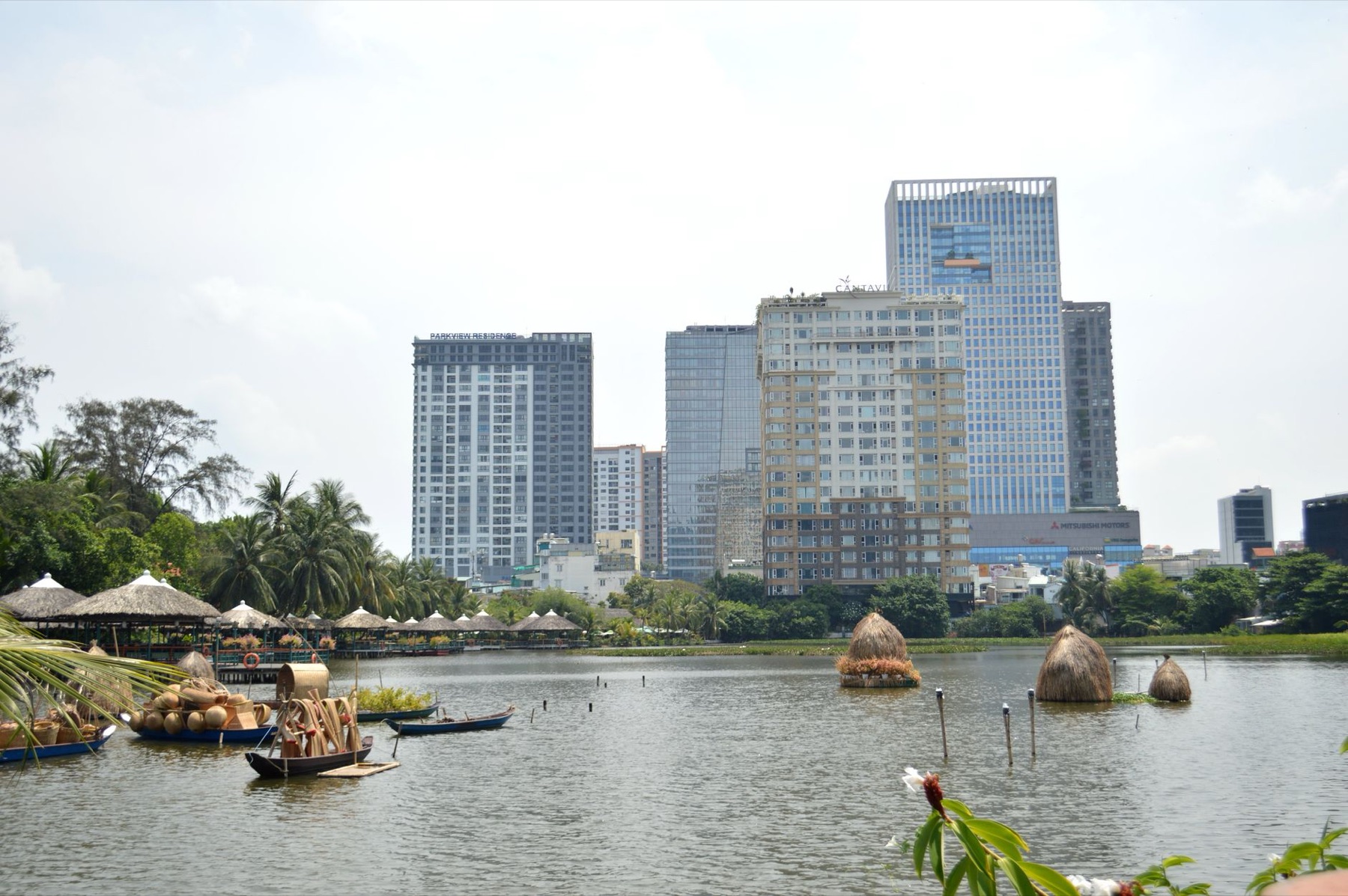
How many days do I actually need, and what does a realistic itinerary look like?
3 days (minimum):
- Day 1: War Remnants Museum (morning), Independence Palace (lunch area), Jade Emperor Pagoda (late afternoon), dinner in District 3 or Binh Thanh.
- Day 2: Bitexco Financial Tower (early morning for light), riverside walk, Ben Thanh Market (1 hour), street food crawl in District 1, evening at a local café.
- Day 3: Neighborhood exploration (pick Binh Thanh or District 3), breakfast at a local pho shop, walk and sit in cafés, day trip to Cu Chi Tunnels (if interested—book morning tour day-of, around 200,000–300,000 VND / $8–12 USD for group tour).
5 days (ideal):
- Add a motorbike tour with a local driver (arrange through your accommodation or ask a café owner for a recommendation—avoid big tour operators). Around 300,000–500,000 VND ($12–20 USD) for 4 hours, includes gas and driver's time.
- Spend a full day in one neighborhood: Tan Dinh Market, temple visits, lunch at three different spots, afternoon at a local coffee shop observing street life.
- Day trip to Mekong Delta (2–3 hours south by van or taxi—around 400,000–600,000 VND / $16–24 USD for shared van)—floating markets, fruit orchards, homestays. Better done on a small-group tour booked through a hostel (cheaper and more transparent than major operators).
Plan your full Vietnam route with our itinerary planner
---
What are the actual scams, and how do I avoid them?
Overpriced taxis/Grab: Always use Grab app (ride-hailing, rates locked before you book) or reputable taxi companies (Vinataxi, displayed phone number on door). Loose cabs at the airport charge 2–3x normal fare. From Tan Son Nhat airport to District 1: expect around 200,000–300,000 VND ($8–12 USD) by Grab, 400,000+ VND by unmarked taxi.
Fake gems, watches, "silk factories": Avoid any shop that offers a "factory tour." You'll be pressured to buy overpriced items. Real silk is sold in markets by weight; fake is impossible to distinguish without lab testing.
"Friendly local" walking you to a shop: If a stranger on the street befriends you and steers you to a restaurant or tailor, that person gets a commission (marked up into your bill). Politely refuse.
Currency exchange scams: Only exchange money at official banks (BIDV, Vietcombank, listed rates on window) or ATMs. Street money-changers advertise "better rates"—it's a short con. Use ATMs in busy areas (shopping malls, banks), not dark alleys.
Counterfeit goods: Ben Thanh and tourist-zone markets sell knockoff bags, watches, designer goods. Technically illegal to export; customs can confiscate. Don't waste money or luggage space.
Overcooked tour books: A "sunset river cruise" advertised as "premium" at 500,000+ VND ($20+ USD) is mediocre food on a crowded boat. Skip it. A local riverside café drink costs 50,000 VND ($2 USD) and is better.
What to check before you buy anything:
- Does a local person use this brand/shop? If only tourists photograph it, it's a trap.
- Is the price posted or negotiable? Unmarked prices in tourist areas usually mean inflated starting quotes.
- Can you see it being made? Lacquerware, ceramics, coffee—real craftsmanship is visible.
- Does your accommodation owner know it? Ask your hotel or hostel staff; they know which places are honest.
🎟️ Compare tours & tickets for this place
---
When should I visit, and what's the weather actually like?
Best time: November–February (cool, dry, 20–25°C / 68–77°F). Tourist season, so prices rise and crowds peak. But the city is genuinely more pleasant.
March–April (hot, humid, 28–32°C / 82–90°F): Bearable if you nap midday and move at dawn and dusk.
May–September (monsoon, 30°C+ / 86°F+, heavy rain in afternoons): Floods certain streets, locals wear ponchos, you'll be drenched. Fewer tourists, lower prices, atmospheric if you don't mind being soaked. Malaria risk in outer areas (not city proper, but take precautions if venturing to Mekong).
October (transition, 25–28°C / 77–82°F): Underrated sweet spot—weather clearing, tourist numbers still moderate.
Bring: lightweight, breathable clothing; a compact umbrella (not a big one—useless in a motorbike traffic jam); sunscreen; electrolyte tablets; a sarong or scarf for temples and conservative areas.
---
Wander in Vietnam's honest take: Ho Chi Minh City isn't "Instagram-perfect" like some Southeast Asian cities. It's loud, sweaty, sometimes overwhelming. But if you step outside the District 1 tourist corridor and eat where locals eat, you'll find a city with real energy, real history, and real warmth. Three days minimum; five is richer. Come in cool season, avoid tour operators' hype, and ask your café owner where to go next.
For a full Vietnam journey that includes Ho Chi Minh City, explore our guides for Hanoi, Hoi An, Ha Long Bay, Ninh Binh, and Sapa—each offers a different rhythm. If you need fast connectivity while traveling, check our eSIM guide for Vietnam. Visa details here.
For a meaningful travel memory, consider an ao dai photoshoot in Saigon with professional makeup and hair—captures the city and you at once.
FAQ
Is Ho Chi Minh City safe for solo travelers?
Yes. Standard precautions apply: don't flash expensive items, use registered taxis or Grab, avoid dark alleys at night. Locals are generally helpful. Petty theft exists but serious crime against tourists is rare. Women solo travelers report feeling safer here than in Bangkok or Manila.
How much should I budget per day?
Budget backpackers: 500,000–700,000 VND/day ($20–28 USD)—includes dorm bed, street food, museums, local transport. Mid-range: 1–1.5 million VND/day ($40–60 USD)—modest hotel, restaurant meals, occasional tour. Comfort: 2+ million VND/day ($80+ USD)—nicer hotel, upscale dining, Grab rides. Food is cheapest spend; accommodation is highest.
Do I need a visa, and how long can I stay?
Most nationalities need a visa. E-visa (online) costs around 25 USD and takes 3 days. On-arrival visa at airport is pricier and slower. Single-entry visa valid 90 days typically. Check Vietnam visa requirements and apply here.
What's the best time to visit for weather and fewer crowds?
November–February (cool, dry) is peak season—pleasant but crowded and pricier. October is underrated—clearing skies, fewer tourists, still warm. Avoid May–September unless you enjoy heat and afternoon rain; prices drop and crowds thin.
Can I use credit cards everywhere, or should I carry cash?
Carry cash (Vietnamese dong). ATMs are plentiful in Districts 1, 3, Binh Thanh. Street food, local shops, and markets don't accept cards. Hotels, restaurants in touristy areas, and 7-Elevens take cards. Always have 200,000–500,000 VND ($8–20 USD) in small notes for markets and taxis.
Do I need to speak Vietnamese, or do people speak English?
English is spoken in tourist areas and by younger people in cafés. Outside District 1, English drops sharply. Learn basic phrases: "hello" (xin chào), "thank you" (cảm ơn), "how much?" (bao nhiêu?), "delicious" (ngon). A translation app helps. Locals appreciate any effort to speak Vietnamese.
FAQ
Is Ho Chi Minh City safe for solo travelers?
Yes. Standard precautions apply: don't flash expensive items, use registered taxis or Grab, avoid dark alleys at night. Locals are generally helpful. Petty theft exists but serious crime against tourists is rare. Women solo travelers report feeling safer here than in Bangkok or Manila.
How much should I budget per day?
Budget backpackers: 500,000–700,000 VND/day ($20–28 USD)—includes dorm bed, street food, museums, local transport. Mid-range: 1–1.5 million VND/day ($40–60 USD)—modest hotel, restaurant meals, occasional tour. Comfort: 2+ million VND/day ($80+ USD)—nicer hotel, upscale dining, Grab rides. Food is cheapest spend; accommodation is highest.
Do I need a visa, and how long can I stay?
Most nationalities need a visa. E-visa (online) costs around 25 USD and takes 3 days. On-arrival visa at airport is pricier and slower. Single-entry visa valid 90 days typically. [Check Vietnam visa requirements and apply here](/vietnam/visa).
What's the best time to visit for weather and fewer crowds?
November–February (cool, dry) is peak season—pleasant but crowded and pricier. October is underrated—clearing skies, fewer tourists, still warm. Avoid May–September unless you enjoy heat and afternoon rain; prices drop and crowds thin.
Can I use credit cards everywhere, or should I carry cash?
Carry cash (Vietnamese dong). ATMs are plentiful in Districts 1, 3, Binh Thanh. Street food, local shops, and markets don't accept cards. Hotels, restaurants in touristy areas, and 7-Elevens take cards. Always have 200,000–500,000 VND ($8–20 USD) in small notes for markets and taxis.
Do I need to speak Vietnamese, or do people speak English?
English is spoken in tourist areas and by younger people in cafés. Outside District 1, English drops sharply. Learn basic phrases: "hello" (xin chào), "thank you" (cảm ơn), "how much?" (bao nhiêu?), "delicious" (ngon). A translation app helps. Locals appreciate any effort to speak Vietnamese.
More: Ho Chi Minh City guide · Things to do in Ho Chi Minh City