Ho Chi Minh City · Things to do
Ho Chi Minh City Travel Guide: Neighbourhoods, Food & Real Costs
By Wander in Vietnam editorial team · Hanoi, Vietnam
Ho Chi Minh City (still often called Saigon by locals) is chaotic, loud, and absolutely rewarding for travellers willing to navigate beyond the obvious. Unlike Hanoi's dense Old Quarter, HCMC sprawls—so knowing which districts matter saves days of aimless motorbike rides. We've spent enough time here to know the real rhythms: where to eat like a local, which neighbourhoods have substance, and what's pure tourist theatre.
The city sits on two sides of the Saigon River. District 1 (Quan 1) holds most landmarks but charges premium prices for everything. Districts 3, 5, and 10 are where the city actually lives—chaotic wet markets, hole-in-the-wall noodle shops, and neighbourhoods tourists rarely photograph. Getting around means either hiring a Grab (app-based taxi, around 25,000–60,000 VND / $1–2.40 per ride), walking (sweaty but revealing), or renting a motorbike (risky unless you're confident; around 100,000–200,000 VND / $4–8 per day from small rental shops near your hostel).
Which districts should you actually visit?
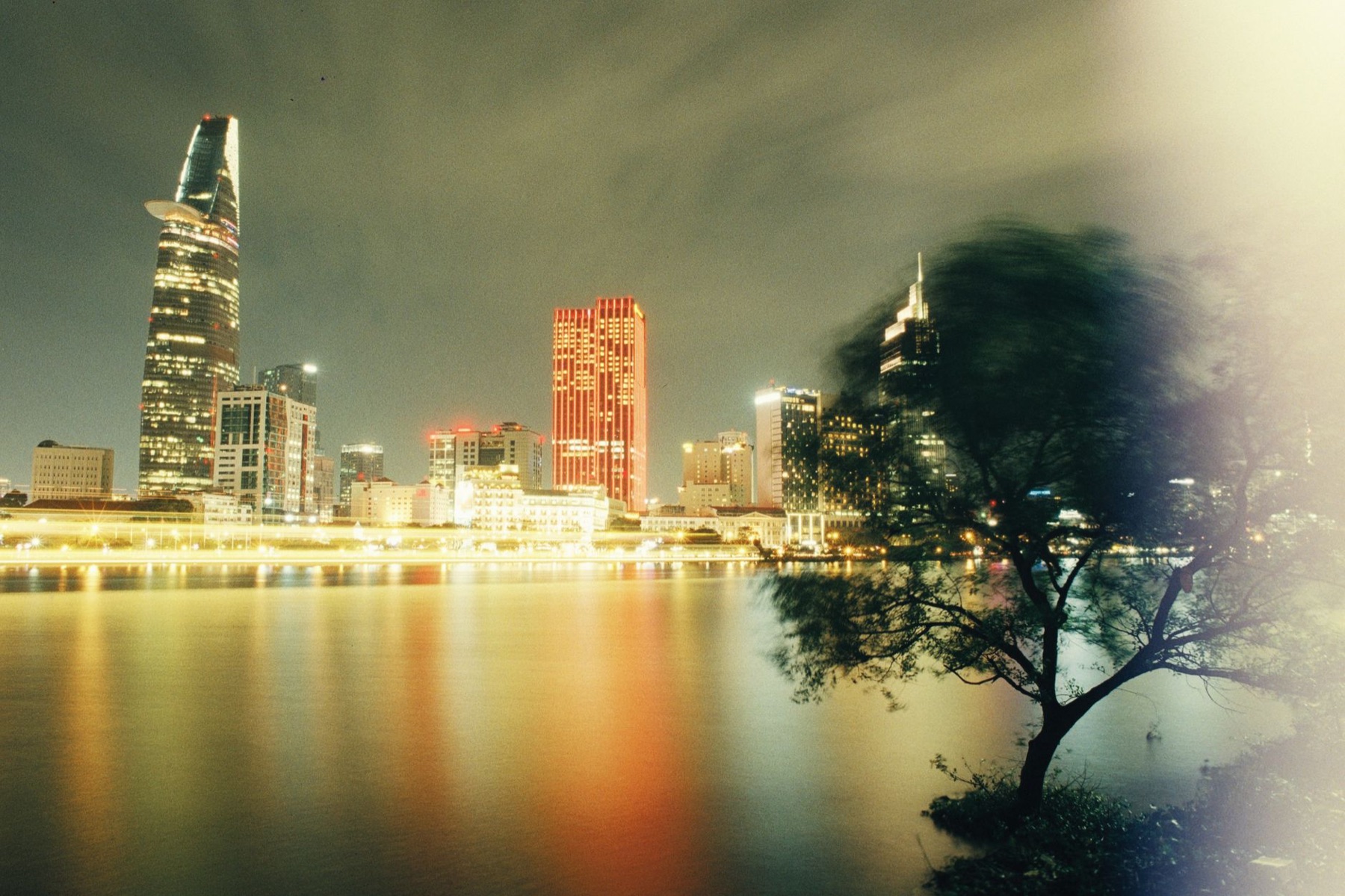
District 1 holds War Remnants Museum, Reunification Palace, and Notre-Dame Cathedral. It's the oldest European-built area and packed with tourists, overpriced restaurants, and cyclo riders asking inflated prices (negotiated down to around 150,000–200,000 VND / $6–8 per hour). Skip the chain coffee shops on Nguyen Hue Boulevard; they're for Instagram, not flavour. District 3 is where we go to eat—packed with pho shops, banh mi stalls, and seafood grilling joints with plastic stools and zero English menus. Binh Thanh District (east of the river) has the Thu Thiem waterfront, modern cafes, and evening joggers who actually live here rather than visit. District 5 (Chinatown / Cholon) is the oldest commercial zone—narrow alleys, dried seafood vendors, fabric wholesalers, and family-run restaurants unchanged in decades. If you have time for only one market beyond Ben Thanh, make it Binh Tay Market in District 5; it's real, chaotic, and full of actual shoppers.
How much does food actually cost?
A bowl of pho from a street stall runs around 35,000–50,000 VND ($1.40–2). Banh mi (Vietnamese sandwich) is 20,000–35,000 VND ($0.80–1.40) depending on fillings. A sit-down lunch at a local com tam (broken rice) shop costs around 40,000–80,000 VND ($1.60–3.20). Tourist-facing restaurants in District 1 charge 150,000–300,000+ VND ($6–12+) for similar dishes. Street seafood grills (where you choose fresh fish and they grill it on-site) cost around 150,000–250,000 VND ($6–10) per person including rice and vegetables—good value if you split and know how to order. Avoid restaurants with picture menus and staff outside tugging your arm; those exist to overcharge. Instead, look for places where the queue is entirely Vietnamese, no English sign visible, and a handwritten menu in Vietnamese taped to a wall.
| Meal type | Real local price | Tourist area price | Why the difference | What to order |
|---|---|---|---|---|
| Pho | 35–50k VND ($1.40–2) | 80–150k VND ($3.20–6) | Labour, rent, English menu | Beef (bo), get the broth flavour |
| Banh mi | 20–35k VND ($0.80–1.40) | 60–100k VND ($2.40–4) | Packaged bread vs. fresh baked | Sardine or pâté (pâté) |
| Com tam | 40–80k VND ($1.60–3.20) | 120–180k VND ($4.80–7) | Simple rice bowl vs. plated | Grilled pork (thit nuong) |
| Seafood grill | 150–250k VND ($6–10) per person | 300–500k+ VND ($12–20+) | Catch quality, beer markup | Ask the cook which fish is freshest |
| Coffee | 15–25k VND ($0.60–1) | 45–80k VND ($1.80–3.20) | Instant vs. espresso machine | Egg coffee only, rare elsewhere |
What markets and landmarks are actually worth your time?
Ben Thanh Market (District 1) is the postcard-famous one—covered, air-conditioned, full of tourist-price souvenirs and tailors. Skip it unless you enjoy crowds. Binh Tay Market (District 5) is the real wholesale operation: dried squid, fabric, spices, live fish tanks. You won't buy much but the energy is infectious. Dong Xuan Market (just south of District 1) is smaller, less touristy, and full of textiles and household goods locals actually need.
War Remnants Museum is genuinely important and graphic—not cheerful, but necessary if you're visiting Vietnam. Budget 2 hours and prepare for heavy context. Reunification Palace is architecturally striking (1960s modernism) but feels hollow compared to Hanoi's Hoan Kiem Lake energy; worth 1 hour if you're in District 1 anyway. Jade Emperor Pagoda (District 1) smells of incense, cramped with tourists, but authentic—locals actually pray here alongside visitors.
Skip the "cyclo tour" hustles (overpriced, scam-prone), the nightlife strips around Bui Vien (backpacker ghetto), and anything with a tout on the street telling you a "local price" for a tour. Real tours run via Grab bookings or from established tour companies near your hotel.
📸 Book an ao dai photoshoot in Hanoi or Saigon (Cáo Studio)
What are the common scams and how do we avoid them?
Taxi meters that jump (use Grab app instead—transparent, GPS-logged). Drink prices hidden (always ask cost before ordering, especially at go-go bars). Fake tickets (buy museum tickets only at the gate or from your hotel concierge, not street vendors). Motorbike rentals without helmets or insurance (insist on both; around 20,000 VND / $0.80 extra for basic coverage). Restaurant bills padded with fake drinks (keep a close eye on what arrives, order in Vietnamese if possible, or use pointing).
Street vendors asking "where you from?" or offering tours are not criminals—they're salespeople. A polite "cam on, khong" (thanks, no) works better than rudeness. If you're genuinely interested in learning, book tours in advance via an app or your accommodation's front desk, not on the street.
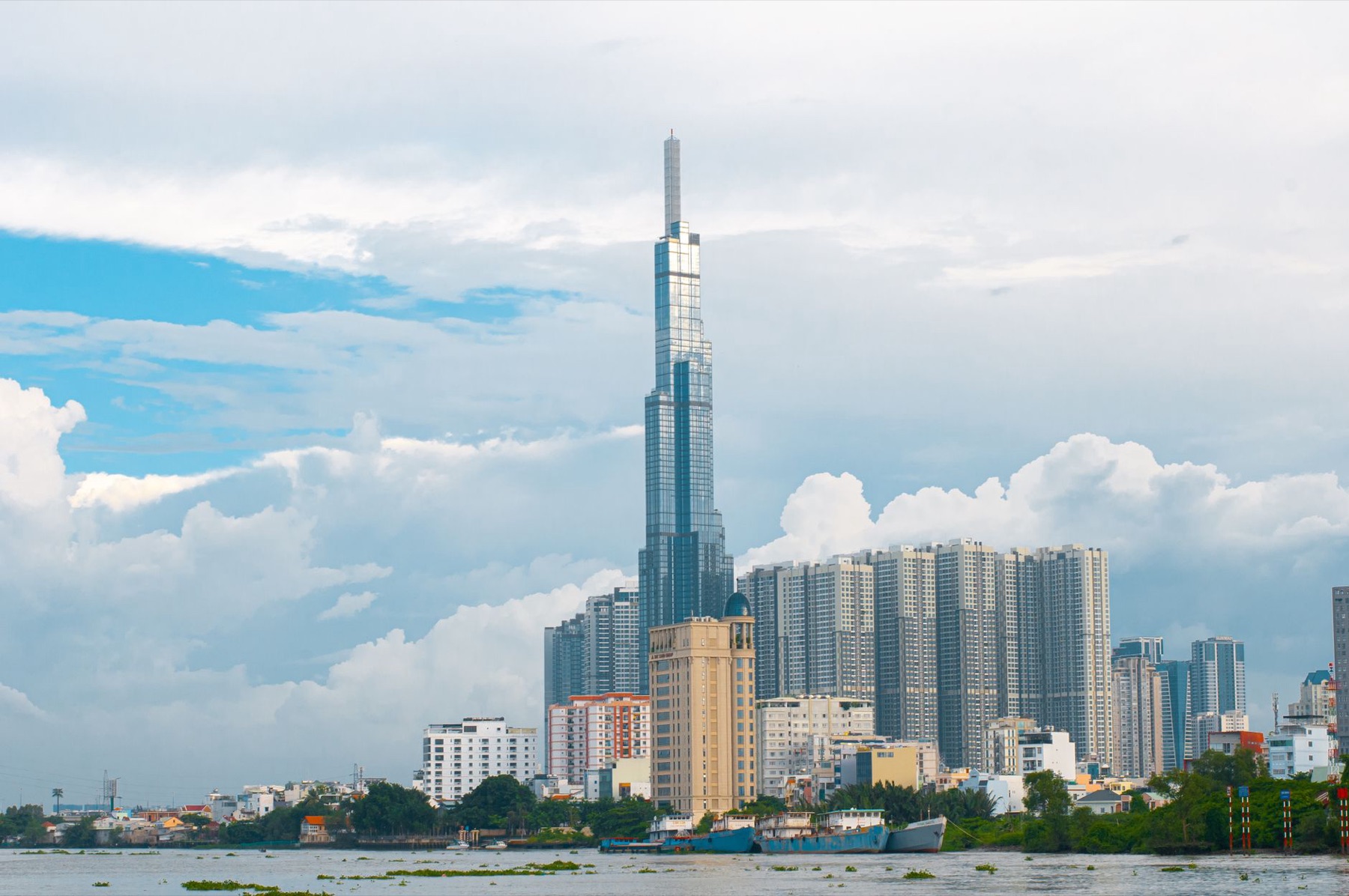
How do you spend 3–4 days here intelligently?
Day 1: Arrive, settle in District 1 or 3, eat pho at breakfast (any busy stall), walk along Saigon River, visit War Remnants Museum (afternoon, avoid noon crowds). Dinner at a local com tam spot in District 3.
Day 2: Early morning Ben Thanh or Binh Tay market (6–8 a.m. best light and fewest tourists). Jade Emperor Pagoda or Reunification Palace mid-morning. Lunch at a seafood grill in District 5 (Cholon). Afternoon exploring Binh Tay Market alleys. Evening coffee and street wandering.
Day 3: Day trip to Cu Chi Tunnels (north, 30 km away—book via Grab or tour company, around 400,000–600,000 VND / $16–24 including transport and entry) or explore the Binh Thanh waterfront and modern cafes if you prefer staying in the city. Return for late-afternoon beer at a street stall (bia hoi—around 10,000 VND / $0.40 per glass).
Day 4 (if you have it): Early motorbike rental and ride to the Mekong Delta (Cai Be or Can Tho, 2–3 hours south) for floating markets, fruit orchards, and a completely different pace. Or fly to Hanoi, Hoi An, or Ha Long Bay for variety.
🗺️ Plan your route: Vietnam itinerary
Prepare before arrival: grab a Vietnam e-visa online (instant or 3-day processing), buy a local eSIM (around 150,000–250,000 VND / $6–10 for 7 days, 4G coverage solid in the city), and download offline maps (Google Maps works but sometimes lags; Grab app is essential).
What should we check before we buy or book anything here?
- Restaurant reviews: Ignore Google ratings if the place has three reviews; check TripAdvisor for older visitor feedback or ask your hotel concierge.
- Tour operators: Book with companies that have physical offices or app verification, not street hustlers. Check reviews on Trustpilot or your hotel's recommendation.
- Accommodation: Stay in District 1, 3, or Binh Thanh for walkability and real food access. Avoid Bui Vien backpacker strip if you want to sleep; it's loud 24/7.
- Motorbike rental: Inspect brakes and lights before you leave. Take photos of the bike's condition. Agree on damage charges in writing (even a photo message counts).
- Market tailors: Agree on price, fabric choice, and fitting schedule before any deposit. Get a written estimate in Vietnamese if possible. Allow 5–7 days minimum for alterations.
- Souvenir shops: If buying lacquerware, silk, or art, inspect for actual craftsmanship (hand-painted, not printed). Ask where it's made; tourist-zone prices suggest factory stock, not artisan work.
🎟️ Compare tours & tickets for this place
Honest: what should we skip?
The "Saigon Pearl" building observation deck (expensive, ordinary views). Luxury hotel rooftop bars (cocktails cost 250,000+ VND / $10+ and the crowd is tourists and expats, not experience). Tourist "dinner cruises" on the Saigon River (overpriced, mediocre food, aggressively commercial). Most Western restaurants in District 1 (you're here for Vietnamese food, not a burger). The "Bitexco" helipad if you're only paying for a 15-minute helicopter ride; not worth the cost or hassle. Cyclo rides as "tours"—they're marketed as romantic but they're slow, uncomfortable, and overcharged when split among tourists.
We genuinely enjoy HCMC for its energy, the food's honesty, and how little it costs if you know where to eat. The chaos that overwhelms first-time visitors becomes rhythm once you get the district map in your head and stop expecting colonial charm. It's a working city, not a museum, and that's the appeal.
---
Internal links for context:
- Exploring more of Vietnam? Check our Vietnam itinerary planner to link HCMC with other regions.
- Contrasting city energy? See our Hanoi guide for Old Quarter vibes.
- Coastal alternative? Hoi An guide offers a slower, more quaint experience.
- Day-trip ideas? Ha Long Bay, Ninh Binh, and Sapa are all reachable with advance booking.
- Practical prep? Secure your Vietnam e-visa and eSIM before arrival.
FAQ
Is it safe to walk around HCMC alone at night?
Yes, HCMC is safer than reputation suggests. Avoid empty alleys and excessive money displays. Stick to lit main streets, busy markets, and restaurant areas after dark. Use Grab for late-night transport (always cheaper and safer than taxis). Petty theft is more common than violence; watch bags in crowds.
How much should I budget per day in Ho Chi Minh City?
Budget $20–30 daily if eating street food, using Grab, and free attraction-hopping. $40–60 adds comfort meals and one paid museum or activity. $80+ includes mid-range hotels, sit-down dining, and tours. Street food stays cheap; hotels and tours are where budgets flex.
What's the best time of year to visit HCMC?
November–February (cool and dry, 20–25°C / 68–77°F) is peak season and most comfortable. March–April gets hot and humid. May–October is rainy and hot (30–35°C / 86–95°F), but crowds disappear and prices drop 20–30%. All seasons work; seasonal choice depends on your heat tolerance and budget priority.
Can I use my phone SIM card or should I get a local eSIM?
International roaming is expensive. Buy a local eSIM online before arrival (around 150,000–250,000 VND / $6–10 for 7-day 4G) or a physical SIM at the airport (similar price, requires phone setup time). eSIM is faster and works instantly upon landing.
How do I get from Tan Son Nhat Airport to the city centre?
Grab taxi (around 120,000–200,000 VND / $4.80–8 depending on traffic, 20–45 minutes). Airport bus #152 to Ben Thanh Market (around 20,000 VND / $0.80, 45–60 min, slower but authentic). Hotel pick-up (arrange with your accommodation, typically 150,000–300,000 VND / $6–12 for 1–2 people). Avoid metered taxis at the exit; scams are common.
Do I need to speak Vietnamese or learn any phrases?
English is rare outside tourist areas and hotels. Learning "Hello" (xin chào), "How much?" (bao nhiêu tiền?), "No thank you" (không cảm ơn), and "Delicious" (ngon lắm) opens doors. Pointing, hand gestures, and Google Translate work in a pinch. Effort to try Vietnamese phrases is always appreciated by locals.
FAQ
Is it safe to walk around HCMC alone at night?
Yes, HCMC is safer than reputation suggests. Avoid empty alleys and excessive money displays. Stick to lit main streets, busy markets, and restaurant areas after dark. Use Grab for late-night transport (always cheaper and safer than taxis). Petty theft is more common than violence; watch bags in crowds.
How much should I budget per day in Ho Chi Minh City?
Budget $20–30 daily if eating street food, using Grab, and free attraction-hopping. $40–60 adds comfort meals and one paid museum or activity. $80+ includes mid-range hotels, sit-down dining, and tours. Street food stays cheap; hotels and tours are where budgets flex.
What's the best time of year to visit HCMC?
November–February (cool and dry, 20–25°C / 68–77°F) is peak season and most comfortable. March–April gets hot and humid. May–October is rainy and hot (30–35°C / 86–95°F), but crowds disappear and prices drop 20–30%. All seasons work; seasonal choice depends on your heat tolerance and budget priority.
Can I use my phone SIM card or should I get a local eSIM?
International roaming is expensive. Buy a local [eSIM](/vietnam/esim) online before arrival (around 150,000–250,000 VND / $6–10 for 7-day 4G) or a physical SIM at the airport (similar price, requires phone setup time). eSIM is faster and works instantly upon landing.
How do I get from Tan Son Nhat Airport to the city centre?
Grab taxi (around 120,000–200,000 VND / $4.80–8 depending on traffic, 20–45 minutes). Airport bus #152 to Ben Thanh Market (around 20,000 VND / $0.80, 45–60 min, slower but authentic). Hotel pick-up (arrange with your accommodation, typically 150,000–300,000 VND / $6–12 for 1–2 people). Avoid metered taxis at the exit; scams are common.
Do I need to speak Vietnamese or learn any phrases?
English is rare outside tourist areas and hotels. Learning "Hello" (xin chào), "How much?" (bao nhiêu tiền?), "No thank you" (không cảm ơn), and "Delicious" (ngon lắm) opens doors. Pointing, hand gestures, and Google Translate work in a pinch. Effort to try Vietnamese phrases is always appreciated by locals.
More: Ho Chi Minh City travel guide · Things to do in Ho Chi Minh City