Ho Chi Minh City · Itinerary
Ho Chi Minh City Travel Itinerary: 4 Days of Real Neighbourhood Walks
By Wander in Vietnam editorial team · Hanoi, Vietnam
How do locals actually spend 4 days in Ho Chi Minh City?
Most guidebooks cram temples, museums, and "must-see" markets into 48 hours, leaving you exhausted and pickpocketed. We structure this differently: two days anchored to real neighbourhoods (where people live and eat), one full-day Mekong excursion, one free afternoon for what calls you. This pace lets you taste pho at a standing counter, overhear conversations in coffee shops, and notice details tour buses miss.
🗺️ Plan your broader route: Vietnam itinerary
---
What should Day 1 and Day 2 actually include?
Day 1: District 1 heritage loop (War Remnants Museum, Saigon River, food). Start 07:00 at Ben Thanh Market (central, chaotic, cash only). Buy breakfast bánh mì (around 30,000–50,000 VND / $1.25–$2) from a stall, not a café. By 08:30, head to War Remnants Museum (Vo Van Tan Street, District 1; entry around 100,000 VND / $4). Arrive before 09:00—crowds explode after 10:00. Spend 2 hours (grim, essential, no photos of certain displays). Lunch at Quan Com Phu My (unmarked plastic chairs on Ngo Duc Ke Street, District 1; rice, stir-fry, egg, around 40,000 VND / $1.70). Afternoon walk along Ton Duc Thang Street toward Saigon River viewpoint. Coffee at a local café (not a chain)—around 20,000–40,000 VND / $0.80–$1.70 for iced coffee. Dinner at Nha Hang Saigon (a mid-range restaurant in District 1 serving mixed Vietnamese; mains around 80,000–150,000 VND / $3.20–$6).
Day 2: Binh Thanh District (residential, market, coffee culture). Skip the tourism core. Head to Binh Thanh District via Taxi (around 40,000–60,000 VND / $1.60–$2.40 depending on traffic). Walk Nguyen Hue Street area (food stalls, locals in motion). Breakfast com tam (broken-rice breakfast) at a corner vendor—30,000 VND / $1.20. Visit Binh Tay Market if in Cholon instead (District 5; less polished than Ben Thanh, real wholesale energy). Lunch: grilled pork belly (thit nuong) from a plastic-stool joint, around 50,000–80,000 VND / $2–$3.20. Afternoon: coffee culture crawl. Hanoi-style egg coffee (Ca Phe Trung) or traditional dark roast. Spend 1.5 hours sitting, observing, not rushing. Dinner on Pasteur Street (District 1 boundary)—mid-range mixed fare, around 100,000–180,000 VND / $4–$7.20 per plate.
---
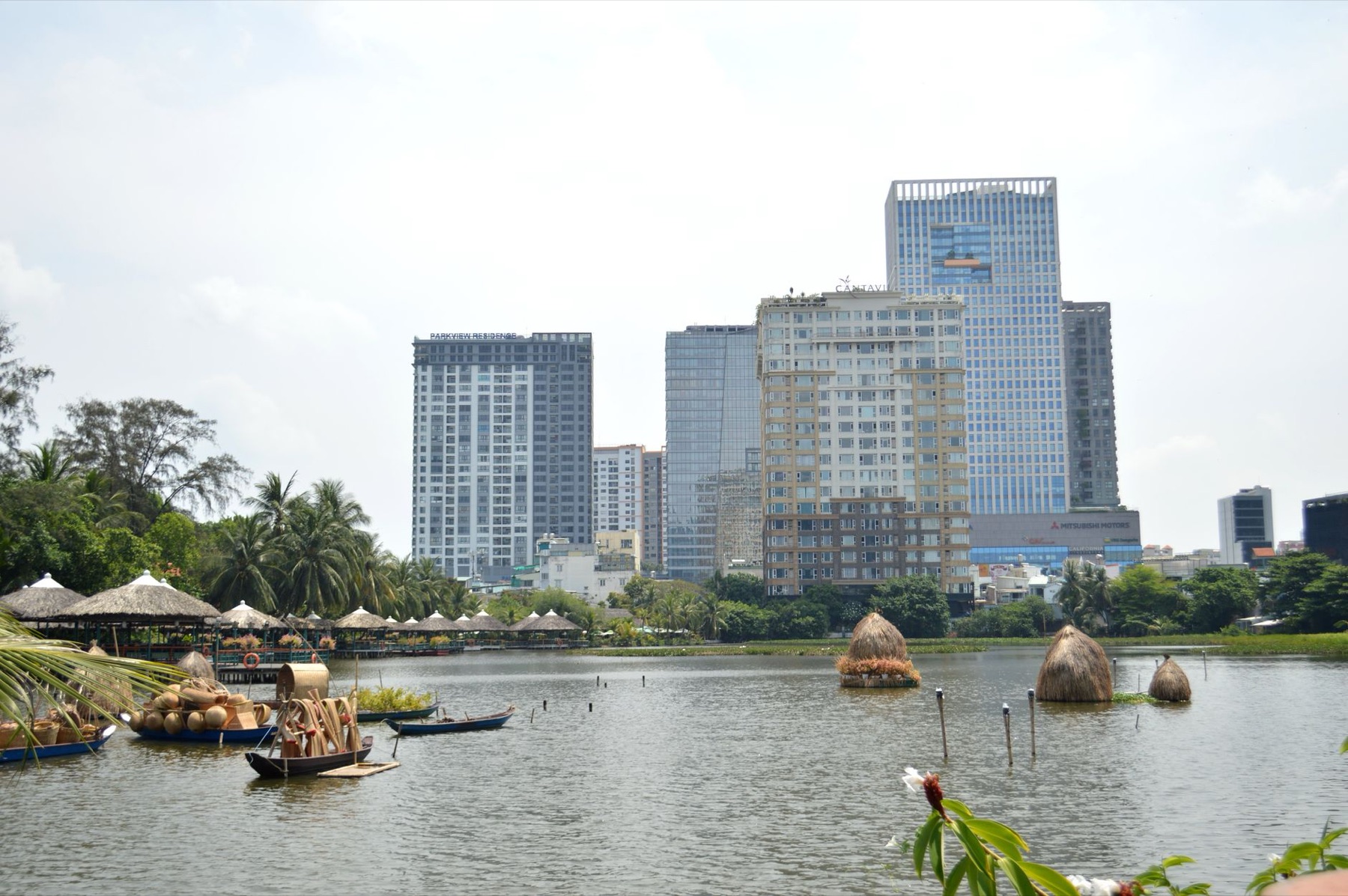
Why is a Mekong Delta day-trip essential, and what actually happens?
Most travelers book a tourist boat (expensive, narrated in English). We take a local minibus (around 80,000–120,000 VND / $3.20–$4.80 round-trip) from Mien Dong Bus Station to Can Tho or My Tho, then hire a local boatman directly (negotiate: around 300,000–500,000 VND / $12–$20 for 3–4 hours, not a tour company). You'll see:
- Floating markets at dawn (Can Tho market, Cai Be market) with no other tourists.
- Coconut-processing workshops where locals make candy, oil, and rope.
- Lunch on a houseboat: grilled catfish, river prawns, fresh coconut juice (around 100,000–200,000 VND / $4–$8 per person).
- Return by 16:00 (traffic worsens after).
Book direct with boatmen in the area—never through your hotel concierge.
---
Which neighbourhoods should you skip, and which reward lingering?
| Neighbourhood | Why go / skip | Time | Vibe | Food highlights |
|---|---|---|---|---|
| District 1 (CBD) | Iconic museums, riverfront; packed 10:00–17:00 | 1.5 days | Tourist-heavy, colonial | Mixed Vietnamese, upscale cafés |
| Binh Thanh | Real residential life, best food, locals only | 1 day | Authentic, slow | Pho, grilled pork, egg coffee |
| Cholon (District 5) | Chinese temples, oldest neighbourhood, hidden gems | 0.5 day | Labyrinthine, cash-driven | Dim sum, noodle soup, pho |
| Phu Nhuan | Shopping, upmarket; skip unless you need malls | 0 days | Soulless | Chain restaurants |
| Mekong Delta | Floating markets, agrarian life, boat culture | 1 full day | Peaceful, early mornings | River catfish, fruit, coconut |
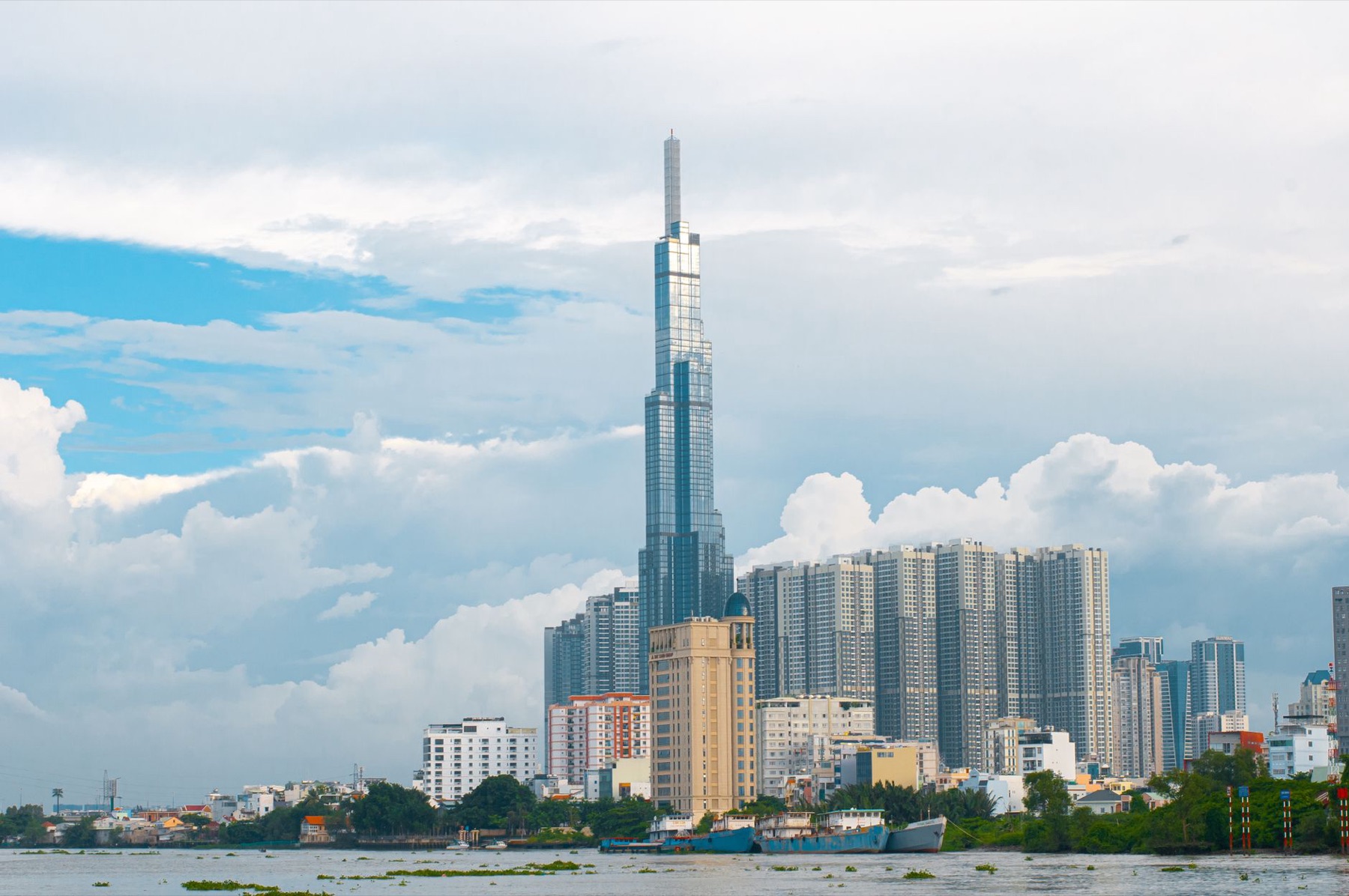
Avoid: Pham Ngu Lao Street (tourist ghettos, overpriced everything); District 7 (new, expensive, no character); Landmark 81 tower (queued tourist trap).
---
How should you handle transport, money, and scams in Day 3–4?
Transport:
- Grab (app-based motorbike/car): 20,000–80,000 VND ($0.80–$3.20) per ride, cashless, safest option.
- Taxi: negotiate or use metered cab; agree price before boarding.
- Bus: cheap (around 10,000 VND / $0.40), confusing routes, slow but real.
- Motorbike rental (if you ride): around 100,000–150,000 VND / $4–$6 per day; traffic is chaotic—only if experienced.
Money:
- ATMs are everywhere (withdraw 2–3 million VND at once to minimize fees).
- Credit cards accepted in restaurants/shops; expect 2–3% surcharge.
- Street markets, pho stalls, boat trips: cash only.
- Scam alert: Fake taxis (unlicensed, overcharge 2–3x). Use Grab or hail from your hotel. Gem shops offering "deals" to tourists are con. Avoid them entirely.
Days 3–4 free choice:
- Half-day cooking class (around 400,000–600,000 VND / $16–$24; book via local guides, not online).
- Photoshoot tour in áo dài (traditional dress) at heritage sites. 📸 Book an ao dai photoshoot in Hanoi or Saigon (Cáo Studio) for professional makeup, hair, and guidance through iconic backdrops.
- Visit Hoa Lang Thang (based in Hanoi) for flower delivery to friends—or order before you leave Saigon for a farewell gift.
- Cyclo (pedicab) sunset ride along Saigon River (tourist, pricey at 200,000–300,000 VND / $8–$12, but memorable if negotiated).
- Afternoon at Reunification Palace or Independence Palace (around 100,000 VND / $4 entry) if you want more colonial history.
---
What gifts should you bring home, and how do they fit your trip?
Since you've walked neighbourhoods and tasted real food, consider bringing home items that anchor those memories—not mass-produced "Vietnam" souvenirs.
| Item type | Who it's for | Why it works with this itinerary |
|---|---|---|
| Áo dài fabric or custom áo dài | Yourself or close friends | You've seen them in markets and streets; a tailored version (Cholon tailors, 400,000–800,000 VND / $16–$32) becomes a personal keepsake. |
| Handwritten cookbook or street-food guide | Food-lover friends | Document the pho stalls, bánh mì spots, and eateries you've found. Create a printed or bound version at a local print shop. |
| Locally-made coffee beans or filters | Home | Buy from a specialty roaster in District 1 or Binh Thanh, not a tourist shop. Around 200,000–300,000 VND / $8–$12 per kg. |
| Lacquer box or wooden craft | Home decoration | Cholon markets have authentic pieces; negotiate hard. 100,000–500,000 VND / $4–$20 depending on size. |
| Photo prints from your shoot | Social media / albums | If you've done the áo dài photoshoot, order prints or a coffee-table book from Cáo Studio—professional, personalized, instant keepsake. |
We recommend custom keepsake items that reflect your itinerary: a handbound travel journal you've written in, a framed photo from your Mekong boat, a fabric sample from Cholon. These beat generic souvenirs because they anchor real moments.
🎟️ Compare tours & tickets for this place
---
What to check before you book tours or accommodation
- Book direct with boatmen, not tour operators. Mekong day-trips cost 300,000–500,000 VND when negotiated on-site; tour operators charge 800,000–1,200,000 VND ($32–$48) for the same tour.
- Stay in District 1 or Binh Thanh, not Pham Ngu Lao. Hotels in tourist lanes inflate prices 30–50% and attract pickpockets. District 1 waterfront or Binh Thanh local guesthouses (500,000–800,000 VND / $20–$32 per night) are better value.
- Don't book cooking classes on Airbnb or Klook. Find them via your hotel concierge or ask local street-food vendors. Real cooking classes (400,000 VND / $16) negotiate down from 600,000 VND ($24).
- Use Grab for all rides. Unlicensed taxis overcharge tourists by 150–300%. Grab's app price is transparent and fixed.
- Visit museums 08:00–09:00 or after 16:00. War Remnants Museum and Reunification Palace are crowded 10:00–15:00. Early/late visits avoid queues.
- Never accept "helpful local" offers for gems or tailoring. These are coordinated scams. Stick to established tailors in Cholon or your hotel recommendation.
---
How does this fit into a broader Vietnam trip?
If you have more time, anchor Ho Chi Minh City as your southern hub, then explore:
- Mekong Delta guide for multi-day homestays or organic farm tours (extend Day 3).
- Hoi An guide (3.5-hour bus, around 100,000–150,000 VND / $4–$6) for tailoring, lantern festivals, and quieter riverside stays.
- Ninh Binh guide (4 hours north) for karst landscapes and boat caves.
- Hanoi guide (flying or overnight bus recommended) to complete a north-to-south or south-to-north loop.
For a seamless multi-city trip, grab a Vietnam e-visa and an eSIM for Vietnam before departure so you're online everywhere and avoiding airport lines.
---
Ready to start? Book your accommodation in District 1 or Binh Thanh now—the best-value, character-filled places fill first. Use Grab for all transport, withdraw cash at an ATM, and eat where the locals are standing (no chairs, loud, good). This pace—slow, neighbourly, honest—is how Ho Chi Minh City reveals itself.
FAQ
Should I book a full-day tour from my hotel?
No. Hotel concierge tours mark up prices 40–50%. Instead, book your Mekong boat directly with a boatman in Can Tho (where the boats depart), use Grab for city transport, and hire a private local guide (around 300,000 VND / $12 per half-day) if you need one. You'll save money and get an authentic experience.
How many days is minimum for Ho Chi Minh City?
Three full days are realistic. Day 1: District 1 (War Remnants, river). Day 2: Binh Thanh neighbourhood and food. Day 3: Mekong Delta. A fourth day lets you revisit favourite spots or do a cooking class without rushing.
Is it safe to walk around alone at night?
Yes, if you stay in District 1, Binh Thanh, or near your hotel. Avoid Pham Ngu Lao after midnight (bar crowds, pickpockets). Keep valuables in your hotel safe, don't flash cash, and use Grab after 22:00 instead of walking.
What's the best time to visit Ho Chi Minh City?
November–February (cool and dry, 20–27°C). March–May is hot and muggy. June–October is rainy, but prices drop 20–30% and tourists thin out. Avoid Tet (lunar new year, late Jan–early Feb) if you want restaurants and shops open.
Can I do the Mekong Delta in a half-day?
Technically yes, but half-day tours are rushed, miss floating markets (which happen 06:00–08:00), and feel touristy. A full day (08:00–16:00) with a local boatman lets you eat on the boat and see agrarian life beyond photo stops. Worth the extra 4–5 hours.
Do I need cash or can I use cards?
Both. Street food, markets, motorbike taxis, and boat trips are cash-only (Vietnamese Dong). Restaurants, hotels, and Grab accept cards (2–3% surcharge sometimes). Withdraw 2–3 million VND ($80–$120) at an ATM when you land and manage from there.
FAQ
Should I book a full-day tour from my hotel?
No. Hotel concierge tours mark up prices 40–50%. Instead, book your Mekong boat directly with a boatman in Can Tho (where the boats depart), use Grab for city transport, and hire a private local guide (around 300,000 VND / $12 per half-day) if you need one. You'll save money and get an authentic experience.
How many days is minimum for Ho Chi Minh City?
Three full days are realistic. Day 1: District 1 (War Remnants, river). Day 2: Binh Thanh neighbourhood and food. Day 3: Mekong Delta. A fourth day lets you revisit favourite spots or do a cooking class without rushing.
Is it safe to walk around alone at night?
Yes, if you stay in District 1, Binh Thanh, or near your hotel. Avoid Pham Ngu Lao after midnight (bar crowds, pickpockets). Keep valuables in your hotel safe, don't flash cash, and use Grab after 22:00 instead of walking.
What's the best time to visit Ho Chi Minh City?
November–February (cool and dry, 20–27°C). March–May is hot and muggy. June–October is rainy, but prices drop 20–30% and tourists thin out. Avoid Tet (lunar new year, late Jan–early Feb) if you want restaurants and shops open.
Can I do the Mekong Delta in a half-day?
Technically yes, but half-day tours are rushed, miss floating markets (which happen 06:00–08:00), and feel touristy. A full day (08:00–16:00) with a local boatman lets you eat on the boat and see agrarian life beyond photo stops. Worth the extra 4–5 hours.
Do I need cash or can I use cards?
Both. Street food, markets, motorbike taxis, and boat trips are cash-only (Vietnamese Dong). Restaurants, hotels, and Grab accept cards (2–3% surcharge sometimes). Withdraw 2–3 million VND ($80–$120) at an ATM when you land and manage from there.
More: Ho Chi Minh City guide · Ho Chi Minh City itinerary: 1, 2, 3 days