Ho Chi Minh City · Things to do
Ho Chi Minh City Vacation: What To Do, Buy & Skip in 2026
By Wander in Vietnam editorial team · Hanoi, Vietnam
Ho Chi Minh City demands a different approach than Hanoi. The city sprawls across 24 districts; traffic is fiercer, humidity peaks April–October, and English penetration is higher in central tourist zones but lower in residential neighborhoods. Most international visitors cluster in Districts 1 and 3 (Binh Thanh), where colonial villas, rooftop bars, and high-street cafés dominate. Our approach: pick 2–3 base neighborhoods, walk deliberately at dawn or dusk, and use District 4's waterfront as your second hub if you're staying 5+ days.
🗺️ Plan your route: Vietnam itinerary
Which Ho Chi Minh City neighborhoods should I actually visit?
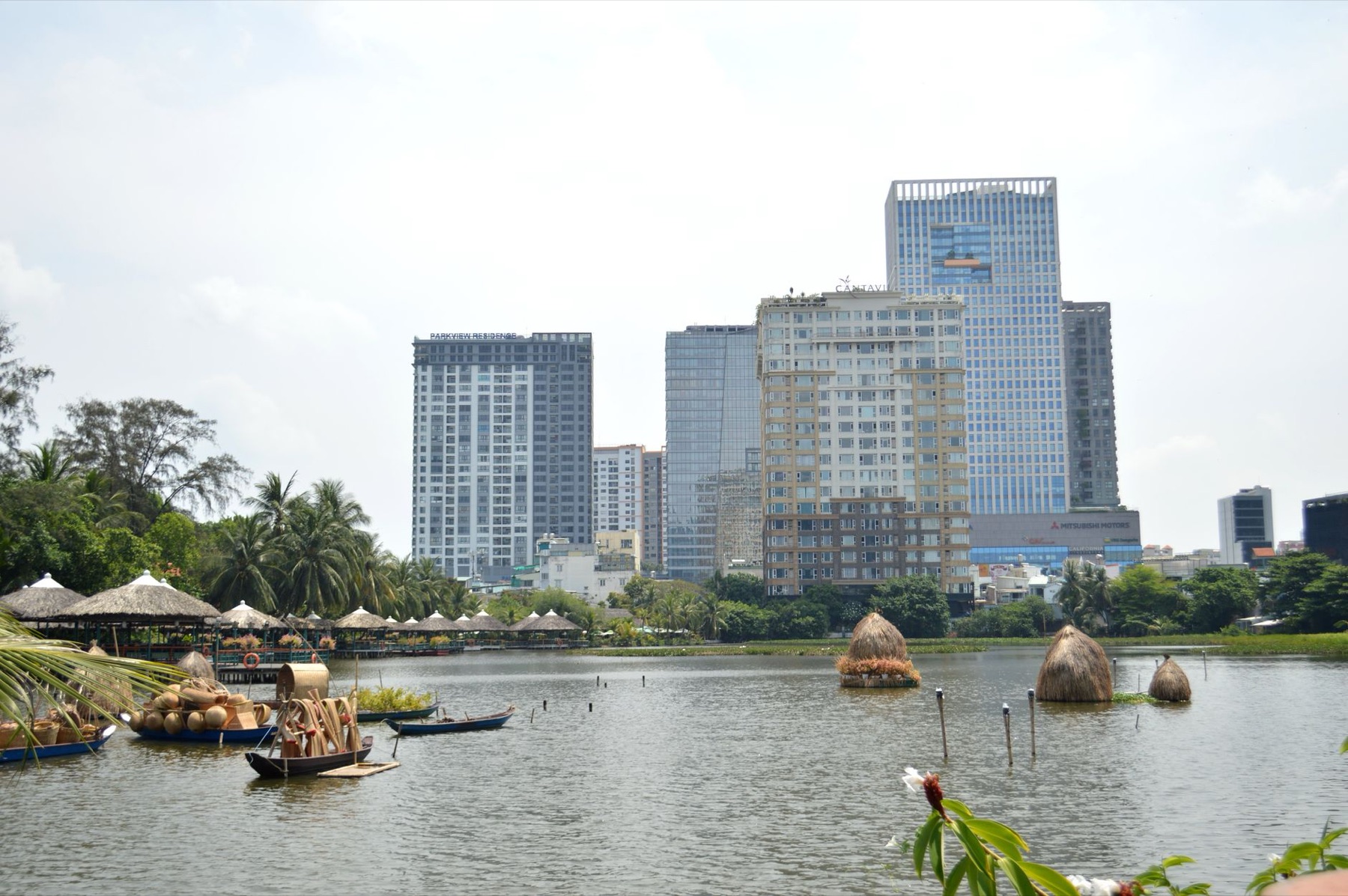
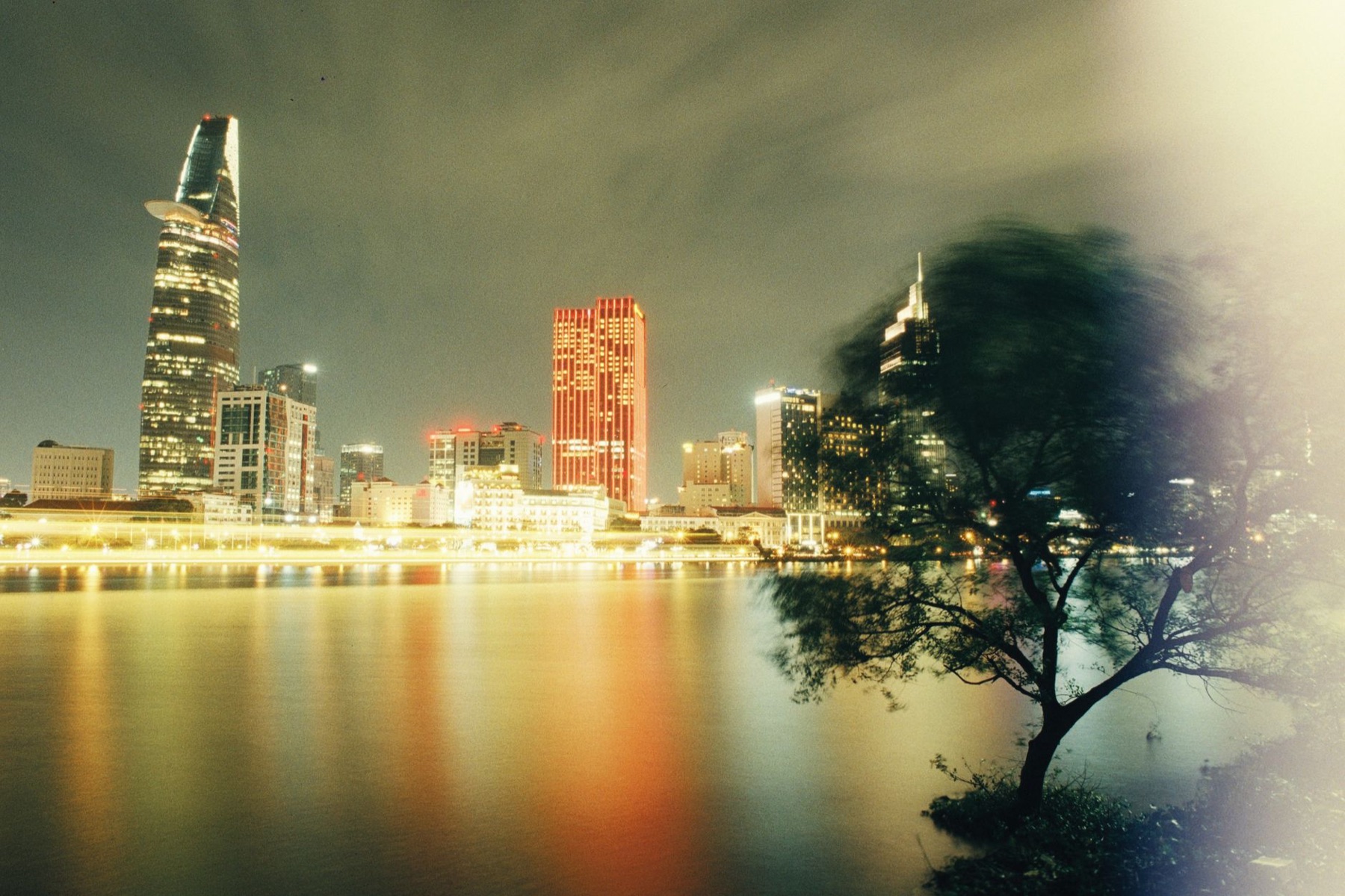
District 1 (central) holds War Remnants Museum, Reunification Palace, and Ben Thanh Market—essential but congested midday. District 3 (Binh Thanh) offers quieter cafés, the Bitexco Financial Tower, and the Saigon River waterfront without the chaos. District 4 (Thu Duc) is where expats live; leafy, modern, with riverside parks and mid-range restaurants. Districts 5–8 are residential or industrial; avoid unless you're hunting street food in a very specific alley (e.g., Pho 24, not a tourist draw). For a first-time 4-day trip, sleep in District 1 or 3, walk to key sites by 8 a.m., rest 11 a.m.–3 p.m. (heat is dangerous), and explore again 5 p.m.–9 p.m.
What are the top paid attractions and how much do they cost?
| Attraction | District | Typical price | Duration | Worth it? |
|---|---|---|---|---|
| War Remnants Museum | 1 | 45,000–80,000 VND (~$2–3 USD) | 2–3 hrs | Yes; harrowing, necessary context |
| Reunification Palace | 1 | 50,000 VND (~$2 USD) | 1 hr guided tour | Reasonable; only go on guided entry |
| Bitexco Financial Tower (72nd floor) | 1 | 200,000 VND (~$8 USD) | 45 min | Overpriced; Ben Thanh rooftop bar is free entry |
| Cu Chi Tunnels (day trip) | Outside | 250,000–500,000 VND (~$10–20 USD) + transport | 6–7 hrs | Good if DIY; skip packaged tours |
| Mekong Delta tour (day trip) | Outside | 300,000–800,000 VND (~$12–32 USD) | 8–10 hrs | Mixed; hire local boatman direct for half price |
Paid attractions in central Saigon are modest in cost but often overcrowded 10 a.m.–3 p.m. Book War Remnants Museum online to skip queues. Reunification Palace only opens 8–11 a.m. and 1–4 p.m.; go early. Bitexco tower is a tourist trap; the 23rd-floor Saigon Skydeck is cheaper and less crowded. Cu Chi Tunnels (30 km northwest, Ben Cat District) require a 1.5-hour drive each way; many operators lie about "original tunnels"—most expanded areas are reconstructions. Book direct with Ben Cat locals or use a Vietnamese-speaking guide, not a hotel concierge.
📸 Book an ao dai photoshoot in Hanoi or Saigon (Cáo Studio)
What souvenirs and gifts should I buy, and where?
Saigon's souvenir ecosystem splits into tourist trap (Ben Thanh Market overpricing), mid-market craft shops (Nguyen Hue and District 3 design stores), and authentic workshops (Thu Duc and District 8). We recommend:
- Hand-painted ceramic or porcelain pieces: Buy from small artisan studios in District 3 or Thu Duc, not from Ben Thanh stalls. Prices 150,000–800,000 VND (~$6–32 USD) for a quality bowl or vase.
- Lacquerware with mother-of-pearl inlay: Genuine pieces are expensive (500,000+ VND / ~$20+); most Ben Thanh items are plastic-backed. True lacquer comes from Bat Trang (Hanoi day trip) or specialist Saigon shops.
- Ao dai fabric or custom tailoring: Ben Thanh tailors are notorious for poor finish and fake silk. Get fabric from Saigon Square (District 1) and pay a reputable tailor 1–2 million VND (~$40–80 USD) for a dress. Or book an ao dai photoshoot experience with professional tailoring via Cáo Studio.
- Coffee (ground or whole bean): Buy from Saigon-based roasters (e.g., Cà Phê X or similar independent shops in Districts 1, 3, 4), not airport duty-free. A 250 g bag costs 80,000–200,000 VND (~$3–8 USD).
- Bamboo or wooden handicrafts: Verify at source; many Ben Thanh items are import-relabeled. Pricing is often triple the workshop cost.
Avoid Ben Thanh Market for souvenirs. It's a teeming transit hub; vendors inflate prices 400–600% for tourists, staff are pushy, and quality is mixed or counterfeit. Use it to experience Saigon's chaos, buy fresh fruit or street snacks—not gifts.
🎟️ Compare tours & tickets for this place
How do I avoid scams and overpay in Ho Chi Minh City?
Saigon's scam profile is sharper than other Vietnamese cities because of higher tourist density and competition for foreign wallets.
- Cyclo rides: Agree on price (60,000–100,000 VND / ~$2.50–4 USD per 20 min) before boarding. Many drivers ask for USD and pocket the difference. Use Grab (app-based motorbike or car) instead.
- Taxi overcharges: Use Vinasun or Grab app. Street hails are unreliable; many run broken meters. A 5 km trip costs 60,000–100,000 VND (~$2.50–4 USD) if meter is honest.
- Fake tailoring: Pay 50% upfront for a suit (1.5–3 million VND / ~$60–120 USD), final 50% on delivery. Many "24-hour" tailors cut corners or substitute fabric. Budget 4–7 days and use photos of the exact garment you want.
- Restaurant bill padding: Always ask for menu prices before ordering. Seafood and riverfront venues add service charges (5–10%) and often inflate weight or portion. Pho and banh mi from street stalls are transparent and cost 30,000–50,000 VND (~$1.25–2 USD).
- Booking "tours": Hotel concierges earn commissions and often recommend overpriced operators. Hire guides directly via Wander in Vietnam resources or ask local expat groups on Facebook.
Most critical rule: Never hand over cash before service is complete. Deposits are acceptable; balance due only upon delivery or end of service.
How should I plan a 3-day, 5-day, or 7-day trip to Ho Chi Minh City?
3 days (first-time visitor)
- Day 1: Arrive, settle in District 1 or 3, walk Saigon River waterfront at sunset, dinner in Binh Thanh.
- Day 2: War Remnants Museum (8 a.m.), Reunification Palace (10:30 a.m.), Ben Thanh Market (late afternoon for atmosphere, not buying).
- Day 3: Day trip to Cu Chi Tunnels (book 6 p.m. previous day) or a 3-hour Mekong Delta boat tour from Saigon Square dock.
5 days (medium exploration)
- Days 1–2: As above.
- Day 3: Bitexco tower skip; instead, visit History Museum, then walk District 4's waterfront parks. Dinner by the river.
- Day 4: Mekong Delta or Cu Chi Tunnels.
- Day 5: Morning market walk (Binh Tay Market in District 6 if adventurous, or Saigon Square for fabric), lunch, depart.
7 days (deep dive)
- Days 1–5: As above.
- Day 6: Bus or train to Can Gio Biosphere Reserve (1 hour southeast) or Can Tho (overnight to Mekong Delta's quieter hub). Alternatively, day trip to Tay Ninh Black Lady Temple or Vung Tau beach (2 hours, humid, not recommended in peak heat).
- Day 7: Return, last-minute shopping or café crawl in District 1 before departure.
Honest take: Most first-timers overestimate Ho Chi Minh City's appeal after 3 days. The city is HOT, traffic-heavy, and lacks the charm of Hoi An or the history clarity of Hanoi. Its value is in business, nightlife, and Mekong proximity. If you're heritage-focused, allocate 2–3 days here and spend 4+ days in Hoi An, Ninh Binh, or Hanoi instead.
What is the best time to visit Ho Chi Minh City, and what should I pack?
Best season: November to mid-February. Temperatures drop to 25–30°C (77–86°F), humidity is manageable, and rain is rare.
Worst season: April–October. Heat peaks 35–40°C (95–104°F), humidity is 80%+, and sudden downpours flood streets. October–November sees the tail of monsoon; expect afternoon storms.
Packing essentials:
- Lightweight, breathable clothing (cotton, linen). Dark colors show sweat less.
- Closed shoes for walking (sneakers, not sandals; open-toed shoes reveal blisters in tropical heat).
- Sunscreen SPF 50+, wide-brimmed hat, sunglasses.
- A light rain jacket (November–February rarely, but key April–October).
- Portable charger (walking all day drains phones fast).
- Cash (small bills; many small vendors don't take cards).
Health note: Tap water is not safe. Drink bottled water (5,000 VND / ~$0.20 USD per 1.5 L bottle). Dengue and hand-foot-mouth disease spike in rainy months; use mosquito repellent. If you're unlucky with food, Saigon has good pharmacies and international clinics; ask your hotel.
Connectivity: Get a local eSIM or SIM card at the airport. Data is cheap (100,000 VND / ~$4 USD for 7 days of 4G). See our Vietnam eSIM guide for options.
---
Before you buy souvenirs or book experiences, check this list:
- Is the seller native or a reseller? (Native = lower price, higher quality.)
- Does the item come with a receipt or proof of origin? (No receipt = likely counterfeit or inflated markup.)
- Can you see the product being made? (Workshops are transparent; market stalls are not.)
- Is the price 30%+ higher than the same item elsewhere? (It probably is; walk away or negotiate down.)
- Does the seller pressure you or offer a "deal that expires in 5 minutes"? (Classic scam. Leave.)
FAQ
Is Ho Chi Minh City safe for solo travelers?
Yes. Petty theft and overcharging are the main risks, not violent crime. Avoid empty streets after midnight, don't flash expensive jewelry, and keep bag zippers visible. Women should expect staring and occasional comments but rarely harassment. Expats and solo travelers live and work here safely.
How much should I budget per day in Ho Chi Minh City?
Budget 50–100 USD/day for backpacker (hostel, street food, free sites), 150–250 USD/day for mid-range (hotel, mix of street and restaurant meals, paid attractions), or 300+ USD/day for comfort (mid-upscale hotel, dining out, guides). Costs are higher than Hanoi or Hoi An by 20–30%.
Should I take a tour or explore Ho Chi Minh City independently?
Independent is cheaper and flexible; hire guides only for Cu Chi Tunnels or Mekong Delta if you speak no Vietnamese. War Remnants Museum and Reunification Palace are self-guided. Day trips can be booked same-day via hotel or Wander in Vietnam resources at 20–40% less than pre-booked tours.
What's the difference between Ho Chi Minh City and Hanoi for tourists?
Saigon is busier, hotter, more chaotic, and business-focused; Hanoi is older, denser, with clearer history and French charm. Saigon suits travelers who like nightlife and modern infrastructure; Hanoi suits history buffs. Both require 3–4 days to appreciate; neither is "better"—they're different.
Can I use credit cards in Ho Chi Minh City, or do I need cash?
Major hotels, restaurants, and malls accept Visa/Mastercard. Small eateries, markets, and taxis often demand cash only. Withdraw 500,000–1,000,000 VND (~$20–40 USD) at your hotel ATM on arrival (airport rates are worse). Always carry mixed denominations; many vendors can't change large notes.
How do I get from Tan Son Nhat Airport to my hotel?
Tan Son Nhat (SGN) is 7 km north of central Saigon. Use Grab app (80,000–150,000 VND / ~$3–6 USD, 20–45 min depending on traffic), airport taxi booth (fixed 250,000–300,000 VND / ~$10–12 USD, but slower), or ask your hotel to arrange pickup. Don't accept offers from unofficial "taxi" touts outside arrivals; they overprice by 300%.
FAQ
Is Ho Chi Minh City safe for solo travelers?
Yes. Petty theft and overcharging are the main risks, not violent crime. Avoid empty streets after midnight, don't flash expensive jewelry, and keep bag zippers visible. Women should expect staring and occasional comments but rarely harassment. Expats and solo travelers live and work here safely.
How much should I budget per day in Ho Chi Minh City?
Budget 50–100 USD/day for backpacker (hostel, street food, free sites), 150–250 USD/day for mid-range (hotel, mix of street and restaurant meals, paid attractions), or 300+ USD/day for comfort (mid-upscale hotel, dining out, guides). Costs are higher than Hanoi or Hoi An by 20–30%.
Should I take a tour or explore Ho Chi Minh City independently?
Independent is cheaper and flexible; hire guides only for Cu Chi Tunnels or Mekong Delta if you speak no Vietnamese. War Remnants Museum and Reunification Palace are self-guided. Day trips can be booked same-day via hotel or Wander in Vietnam resources at 20–40% less than pre-booked tours.
What's the difference between Ho Chi Minh City and Hanoi for tourists?
Saigon is busier, hotter, more chaotic, and business-focused; Hanoi is older, denser, with clearer history and French charm. Saigon suits travelers who like nightlife and modern infrastructure; Hanoi suits history buffs. Both require 3–4 days to appreciate; neither is "better"—they're different.
Can I use credit cards in Ho Chi Minh City, or do I need cash?
Major hotels, restaurants, and malls accept Visa/Mastercard. Small eateries, markets, and taxis often demand cash only. Withdraw 500,000–1,000,000 VND (~$20–40 USD) at your hotel ATM on arrival (airport rates are worse). Always carry mixed denominations; many vendors can't change large notes.
How do I get from Tan Son Nhat Airport to my hotel?
Tan Son Nhat (SGN) is 7 km north of central Saigon. Use Grab app (80,000–150,000 VND / ~$3–6 USD, 20–45 min depending on traffic), airport taxi booth (fixed 250,000–300,000 VND / ~$10–12 USD, but slower), or ask your hotel to arrange pickup. Don't accept offers from unofficial "taxi" touts outside arrivals; they overprice by 300%.
More: Ho Chi Minh City guide · Things to do in Ho Chi Minh City