Ho Chi Minh City · Itinerary
Ho Chi Minh City: What to Do in 2026 (Honest Local Guide)
By Wander in Vietnam editorial team · Hanoi, Vietnam
Ho Chi Minh City is not Hanoi. It moves faster, wider, louder—eight million people jammed into a sprawl where you can eat Michelin-level pho in a plastic chair and buy knockoff handbags in the same alley. Visitors often arrive with a museum checklist and leave without seeing the real city. We've spent enough time sweating through District 1's backpacker gauntlet and ducking through District 4's noodle shops to know which three-day plan actually sticks with you.
Which neighborhoods should you explore first in HCMC?
Start with District 1 (Quận 1) for colonial architecture and tourist-ready infrastructure, but don't camp there. Reunification Palace, War Remnants Museum, and Ben Thanh Market cluster within walking distance—you can knock out four hours of sightseeing before lunch. The problem: prices triple, and hustlers multiply. Grab breakfast (banh mi, pho, or cà phê) anywhere except tourist-facing cafés on Nguyen Hue Street; walk two blocks inland to Ly Tu Trong or Le Loi side streets where a bowl runs 25,000–40,000 VND (USD ~$1.60–2.50).
🗺️ Plan your route: Vietnam itinerary
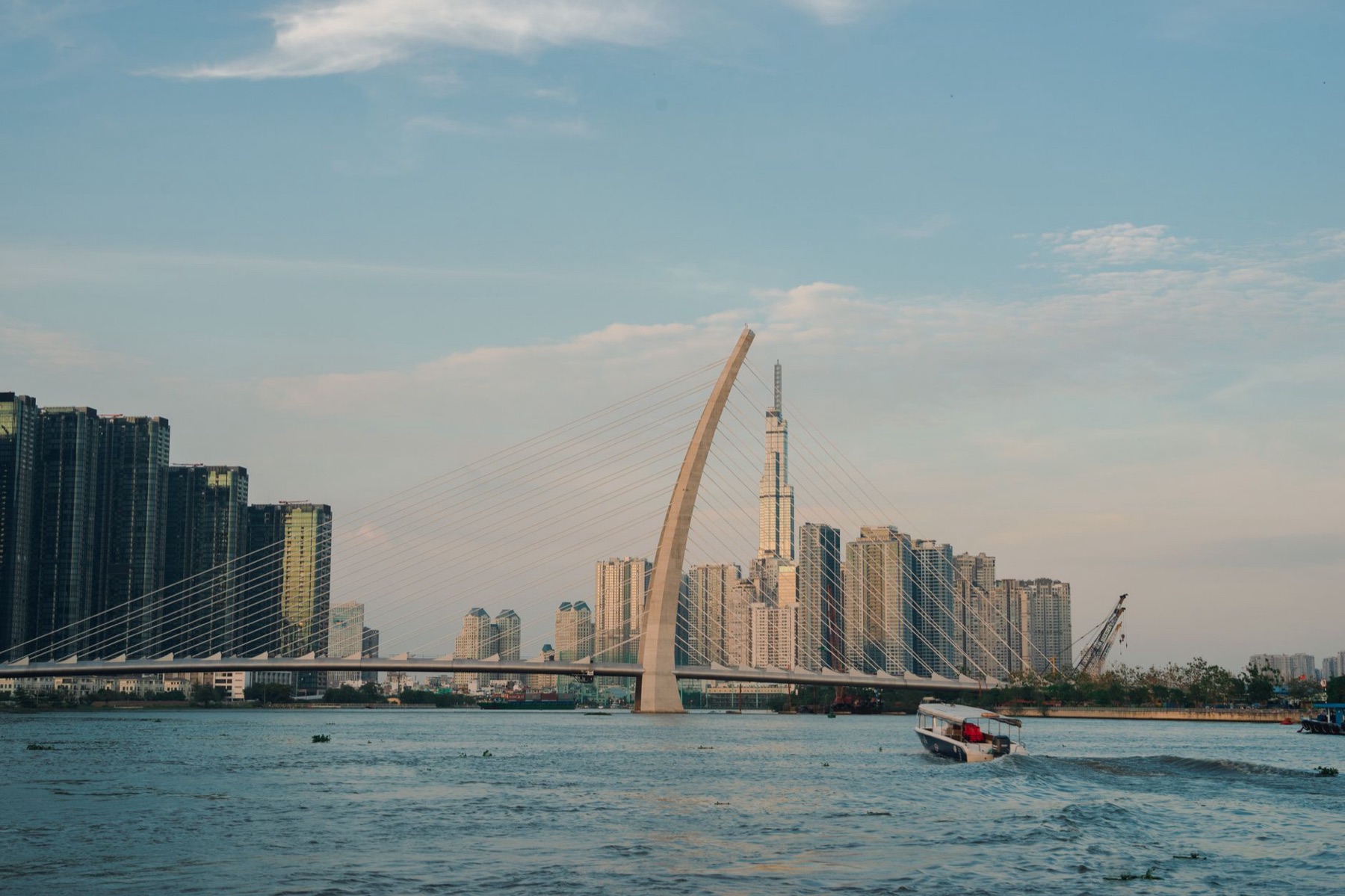
District 4 (Quận 4), across the Saigon River, is where we take people who want to see how HCMC actually eats. The riverside isn't Instagram-polished—it's chaotic, humid, and packed with lunch crowds by 11:30 a.m. Flan factories, noodle joints serving exactly one dish, and bánh mì stands fill Ton Duc Thang Street. No English menus. No tourist tax. Locals cross the pedestrian bridge from District 1 in under 15 minutes.
District 10 (Quận 10) gives you Tan Dinh Church (a pink colonial landmark), flower markets, and the real residential buzz. Coffee shops here cater to students and office workers, not travelers—darker roasts, no Frappuccinos. Rent a motorbike or take Grab; cyclos are fun for photos but slow for covering ground.
What are the must-see historical sites, and how long should you spend?
War Remnants Museum deserves two hours minimum. Yes, it's heavy—Agent Orange exhibits, bomb craters, photos that don't fit on Instagram. But it's the most honest narrative of 1965–1975 you'll find anywhere. Entry is around 110,000 VND (USD ~$4.50). Go early (7:30–8:30 a.m.) to beat tour groups. English signage is solid. Avoid the gift shop's overpriced books; buy them at Saigon Books on Dong Khoi Street instead.
Reunification Palace feels smaller in person than in photos—it's a 1960s government building with guided tours every 15 minutes. Around 40,000 VND (USD ~$1.60). The manicured gardens and period rooms matter less than the context; read about the 1975 Fall of Saigon before you go so the empty rooms mean something.
Ben Thanh Market is a tourist photo op that works if you go after 3 p.m. when backpackers clear out. The food court (back-left corner) serves authentic southern snacks: bánh canh (tapioca dumplings), bánh hoai, and crab salads. Expect 30,000–60,000 VND (USD ~$1.20–2.40) per plate. The souvenir stalls are designed to separate money from your pocket; hard-negotiate or skip them.
Jade Emperor Pagoda (Phuoc Hai Tu) in District 10 is quieter and more rewarding than tourist-mobbed temples in District 1. It's active (not a museum), free, and smells like genuine incense. Go with no expectations; locals pray here, not tourists.
Where should you eat, and what are realistic prices?
| Dish type | Where (District) | Price VND | Price USD | Why it works |
|---|---|---|---|---|
| Pho bo (beef noodle) | 4, 6, 10 side streets | 30k–45k | $1.20–1.80 | Authentic broth, no tourist markup |
| Banh mi | Ben Thanh area or D4 vendors | 25k–40k | $1.00–1.60 | Crusty bread, proper pâté |
| Com tam (broken rice) | D4, D10 lunch spots | 40k–65k | $1.60–2.60 | Smoky rice, grilled meat, fresh herbs |
| Bun rieu (crab noodle soup) | D4 morning (7–10am) | 35k–50k | $1.40–2.00 | Salty, funky, authentic—order fast |
| Seafood (river snail, clams) | D4 riverside cafés | 60k–120k | $2.40–4.80 | Fresh catch, seated at plastic tables |
Dinner recommendations: Skip the tourist trap restaurant strips. Instead, find a 30-seat noodle place open 6–9 p.m. in your district; ask your Grab driver to recommend one. You'll eat better and spend half the money. Pho 24 is a chain (decent, everywhere, mediocre), not a scam, but the 50,000 VND bowl is 10,000 VND overpriced.
📸 Book an ao dai photoshoot in Hanoi or Saigon (Cáo Studio)
How many days is the right amount of time?
Three days covers the main museums, neighborhoods, and food without exhaustion. Day 1: War Remnants + Ben Thanh + Dong Khoi Street walk (colonial archi). Day 2: District 4 food crawl + Saigon River evening. Day 3: Jade Emperor Pagoda + District 10 coffee + departure.
Five days lets you breathe—add a full morning in District 6 (Binh Thanh District), which has a Buddhist university campus and quieter café culture. Or take a half-day trip to the Cu Chi Tunnels (1.5 hours north). Many tourists skip this; the tunnels are tiny, touristy, and the history is condensed into 3 hours. Decide based on your interest in war history; it's not mandatory.
Seven to ten days? Pair HCMC with a beach trip (Vung Tau, 2 hours by bus) or move on to the Mekong Delta, Dalat, or Nha Trang. HCMC holds its own for a week if you're learning the food scene or taking a cooking class, but it's not a relax-on-a-beach destination.
What scams actually happen, and how do you avoid them?
Cyclo drivers overcharge tourists. Agree on a price before you sit down. A fair ride in District 1 costs around 30,000–50,000 VND (USD ~$1.20–2.00) for 10 minutes; if they quote 200,000 VND, walk away.
Fake currency. Check all large bills (500,000 VND notes and up) under light before handing cash over. ATMs in malls are safer than street ones.
Drink spiking is rare but real. Don't accept drinks from strangers. Roofied traveler stories in Bui Vien Street backpacker bars are overblown (tourism police patrol heavily), but stay aware.
Pearl shops and gem scams: ignore any guide or driver offering a "family jeweler" or "closing-day sale." Pearls are sold at established shops on Dong Khoi or Ben Thanh, not alleyways. Pricing: legitimate pearls start around 300,000 VND (USD ~$12) per strand minimum; anything cheaper is plastic.
Taxi apps: use Grab (verified drivers, app rating) or Gojek, never hail cabs on the street. Meter taxis are legal but negotiate first.
The biggest scam is your own expectations. HCMC won't feel "undiscovered"—it's a 9-million-person city. You won't find a secret waterfall or a hidden beach. You will eat incredible food, learn history, and see how a Vietnamese megacity actually runs.
What gifts and keepsakes make sense to take home?
After exploring markets and craft neighborhoods, consider thoughtful souvenirs that don't scream "tourist." Lacquerware boxes (genuinely handmade in Hue and resold here) work if you check the finish for chips; expect 200,000–800,000 VND (USD ~$8–32) for a mid-size box. Browse our lacquer keepsake collection for inspiration on what quality looks like.
Conical hats (non la) are iconic but bulky to pack. Buy them at Ben Thanh for 60,000–150,000 VND (USD ~$2.40–6.00); the price difference is pure haggling room. Water puppets (small wooden figurines) cost 50,000–200,000 VND (USD ~$2.00–8.00)—authentic ones require carving time, so anything under 40,000 VND is low-quality plastic.
Coffee is the smartest buy. Weasel coffee (kopi luwak—digestive-tract coffee) is pricey and ethics-questionable; skip it. Instead, get highland robusta or arabica from local roasters like The Coffee House or Trung Nguyen (mid-range beans, around 150,000–400,000 VND / USD ~$6–16 per half-kilo). Roasting dates matter; buy bags less than two weeks old.
🎟️ Compare tours & tickets for this place
For personalized keepsakes, consider an áo dài photoshoot before you leave. A full session (makeup, hair, traditional silk dress) costs less in Saigon than elsewhere in Southeast Asia and leaves you with professional shots—not a souvenir, but a memory you can share instantly. Cáo Studio offers Saigon shoots with English-speaking stylists.
Browse our artisan gift collection for ideas you can also order online before your trip or after, for friends back home.
What to check before you book your HCMC trip
Internet & mobility: eSIM cards work everywhere; buy one at the airport or online beforehand. Get Vietnam eSIM before departure for seamless connectivity—Grab and Google Maps won't work without it.
Visa: Most Western nationals get a 90-day visa exemption (US, UK, Australia, Canada, EU). Check Vietnam e-visa requirements if you need one; online processing takes 3–5 business days.
Weather: May–September is hot and wet; October–April is ideal (22–28°C / 72–82°F). Pack light, breathable clothing and a lightweight rain jacket.
Transportation: Grab (ride-sharing) is reliable and tracked in real-time. Walking is feasible in District 1–4 but exhausting in 35°C heat. A rented motorbike (200,000–300,000 VND / USD ~$8–12 per day) is freeing if you're confident; insurance is not included, so negotiate that upfront.
🗺️ Plan your full Vietnam route to decide if HCMC fits your timeline or if you're better served by Hanoi, Hoi An, or Ha Long Bay.
FAQ
Is three days enough for Ho Chi Minh City?
Yes. One day museums/colonial district, one day district 4 food and riverside, one day temples and cafés. If you're rushed, 48 hours covers War Remnants and Ben Thanh. Longer trips let you explore suburbs or pair with day trips.
How much should I budget per day for food and sightseeing?
Around 300,000–500,000 VND (USD ~$12–20) per day covers entry fees, meals, and transport. Eat at local spots (30k–60k pho), skip tourist restaurants (150k–300k mains), and use Grab instead of cyclos. Budget can drop to 200k (USD ~$8) if you're very frugal.
Do I need to speak Vietnamese?
No. Young people and service workers in District 1 speak English. In districts 4–10, you'll encounter less English; download Google Translate or point at menu items. Older vendors speak almost no English, but they're patient and friendly. Learn "cam on" (thanks) and "bao nhieu tien?" (how much?) for respect points.
Is it safe to walk alone at night?
Yes, generally. Stick to lit main streets (Dong Khoi, Nguyen Hue, Le Loi in District 1) and use Grab after dark instead of walking. Petty theft (bag snatching, phone theft) happens in crowds; keep valuables secure. Women solo travelers report feeling safe; standard city caution applies.
Should I take the Cu Chi Tunnels tour?
Only if you're deeply interested in Vietnam War history. Tours are 3–4 hours, touristy, and tunnels are genuinely claustrophobic (small openings). The War Remnants Museum gives fuller context in less time. If you go, book through your hotel or a reputable tour operator; independent operators often overcharge and underpay tour guides.
FAQ
Is three days enough for Ho Chi Minh City?
Yes. One day museums/colonial district, one day district 4 food and riverside, one day temples and cafés. If you're rushed, 48 hours covers War Remnants and Ben Thanh. Longer trips let you explore suburbs or pair with day trips.
How much should I budget per day for food and sightseeing?
Around 300,000–500,000 VND (USD ~$12–20) per day covers entry fees, meals, and transport. Eat at local spots (30k–60k pho), skip tourist restaurants (150k–300k mains), and use Grab instead of cyclos. Budget can drop to 200k (USD ~$8) if you're very frugal.
Do I need to speak Vietnamese?
No. Young people and service workers in District 1 speak English. In districts 4–10, you'll encounter less English; download Google Translate or point at menu items. Older vendors speak almost no English, but they're patient and friendly. Learn "cam on" (thanks) and "bao nhieu tien?" (how much?) for respect points.
Is it safe to walk alone at night?
Yes, generally. Stick to lit main streets (Dong Khoi, Nguyen Hue, Le Loi in District 1) and use Grab after dark instead of walking. Petty theft (bag snatching, phone theft) happens in crowds; keep valuables secure. Women solo travelers report feeling safe; standard city caution applies.
Should I take the Cu Chi Tunnels tour?
Only if you're deeply interested in Vietnam War history. Tours are 3–4 hours, touristy, and tunnels are genuinely claustrophobic (small openings). The War Remnants Museum gives fuller context in less time. If you go, book through your hotel or a reputable tour operator; independent operators often overcharge and underpay tour guides.
More: Ho Chi Minh City guide · Ho Chi Minh City itinerary: 1, 2, 3 days