Hanoi · Where to stay
Hotel in Hanoi: Compare Options, Prices & Neighborhoods #
By Wander in Vietnam editorial team · Hanoi, Vietnam
Hanoi's hotel market has matured fast. Ten years ago, backpackers ruled; now you'll find boutique conversions, international chains, and new luxury builds competing side-by-side. Prices have risen, but quality variance is sharper—a $50 room in one guesthouse offers reliability and design; in another, it means peeling paint and erratic water. We've navigated these choices long enough to help you avoid wasting money or time.
What neighborhoods should you actually consider?
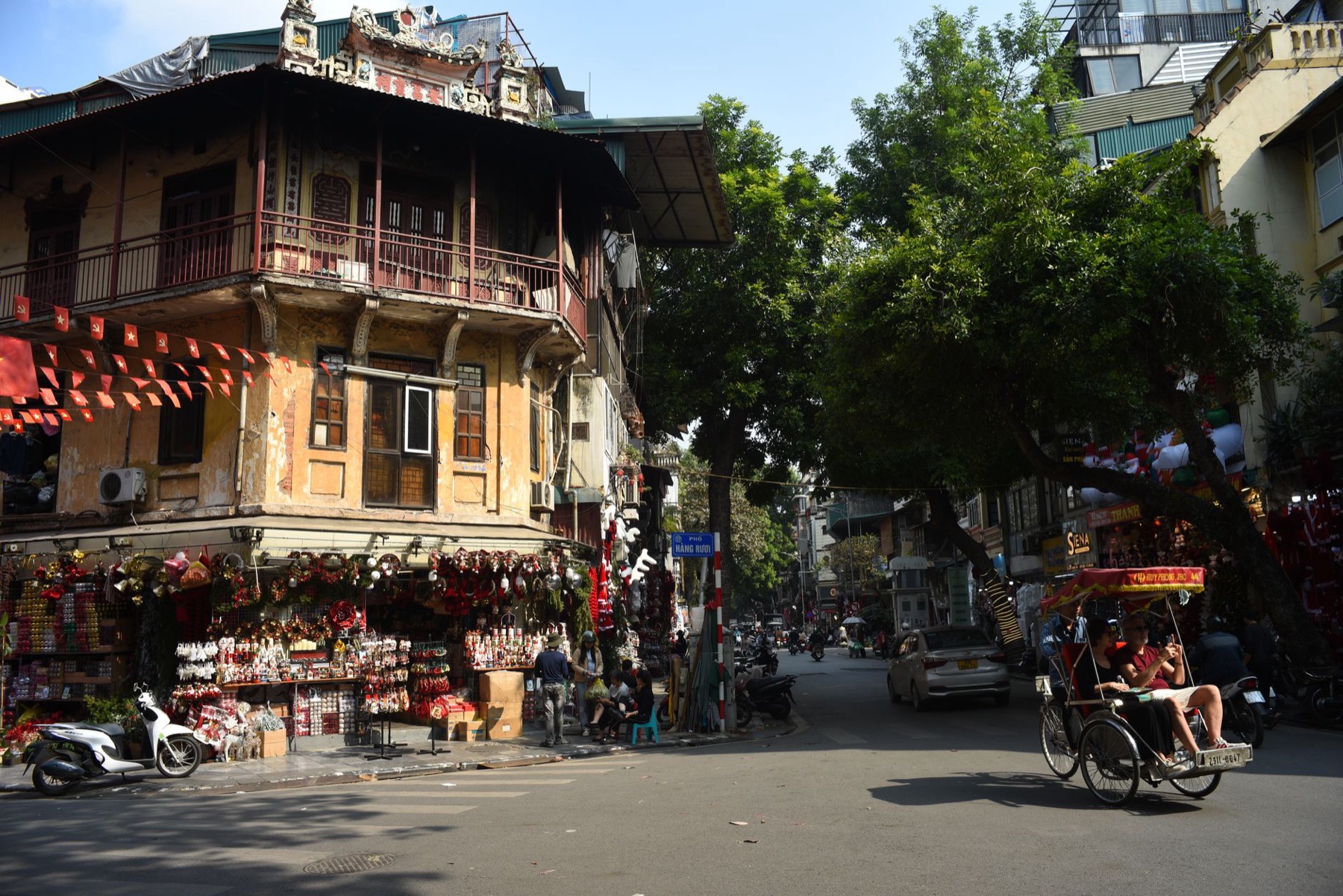
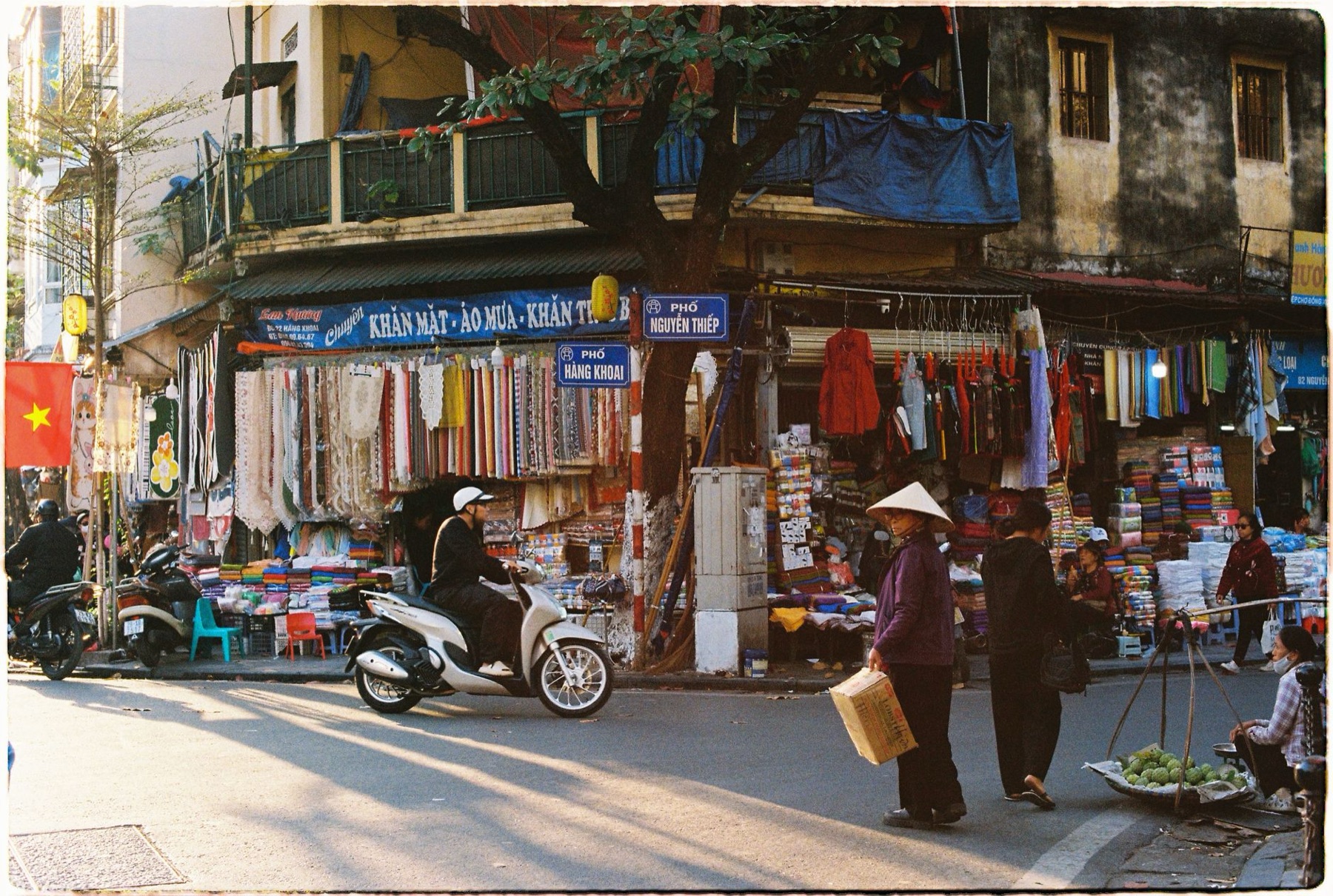
The Old Quarter (Hoan Kiem district, roughly from Hang Dao to Hang Be streets) is loud, walkable, and saturated with $15–25/night guesthouses. If you plan 2–3 days exploring Hoan Kiem Lake, the Temple of Literature, and dense street markets on foot, it's logical. Downsides: motorbike noise until 2 a.m., inconsistent WiFi, and rooms often 8–10 square meters. Mid-range Old Quarter hotels ($40–70/night) offer thicker walls and breakfast, but noise persists.
Ba Dinh district (west of Old Quarter, near Ho Chi Minh Mausoleum and One Pillar Pagoda) attracts travelers planning day trips to Ninh Binh or Ha Long Bay. It's calmer, greener, and hotel staff speak better English. Expect $35–100/night for reliable mid-range stays; luxury starts around $120/night.
Tay Ho (West Lake) is where Hanoi's affluent and long-term expats live. Hotels here ($80–300+/night) prioritize space, gyms, and cafes. The waterfront is serene, but you'll need taxis to explore downtown—not ideal if you're carless and want walkable immersion.
🗺️ Plan your route: Vietnam itinerary
How much should you actually budget for a hotel?
| Neighborhood | Typical Price/Night | Best For | Trade-offs |
|---|---|---|---|
| Old Quarter | $15–50 | Young travelers, 2–3 days urban exploration | Noise, tiny rooms, WiFi hits-and-misses |
| Ba Dinh | $35–100 | Day-trip base (Ninh Binh, Ha Long, Sapa), families | Less walking tourism, less nightlife |
| Hoan Kiem (mid-range) | $40–80 | Tourists wanting location + comfort | Still noisy, premium for location |
| Tay Ho | $80–300+ | Families, remote workers, luxury seekers | Taxi-dependent, less Old Quarter buzz |
| Airport area (Dong Anh) | $20–60 | Layovers, early flights | Only useful 1 night, not for sightseeing |
Around $50/night buys a clean double bed, hot water, and basic breakfast in Ba Dinh or quieter Old Quarter corners (like near Hang Gai). At $100+, you enter mid-to-upscale chains: correct water pressure, gym, restaurant, and staff trained on English bookings. Compare this to your home city's hotels—Hanoi's value remains real at every tier.
🎟️ Compare tours & tickets for this place
Why do so many travelers pick the wrong hotel type?
Most first-timers read reviews mentioning "authentic Old Quarter experience" and book the nosiest, smallest room available. Then they spend two nights exhausted, miss a planned day trip because they overslept after 1 a.m. traffic noise, and write an angry review. The truth: authenticity is free. Walk Hang Dao Street for 20 minutes any morning—you'll see traditional wet markets, cyclo garages, and tea drinkers. You don't need to live in a shoebox to feel it.
Conversely, some travelers book Tay Ho luxury expecting "local Hanoi." They get a modern resort bubble. Both are valid, but the mismatch ruins trips.
Our framework: Ask yourself three questions first.
- How many nights are you actually staying in Hanoi? (One night: don't overthink; just pick clean. Three+ nights: location and comfort matter hugely.)
- What will you spend most time doing? (Walking the Old Quarter and French Quarter: stay close, accept noise. Day trips to Ninh Binh, Ha Long, or Sapa: choose Ba Dinh or Tay Ho and rest well.)
- Do you work or video-call during your trip? (Yes: prioritize reliable WiFi, power outlets, and quiet mornings. No: noise is secondary.)
What should you check before you hit "book"?
Verify WiFi speed before booking. Many guesthouses list "WiFi" but deliver 0.5 Mbps. Use booking sites' filter for "high-speed internet" or email the hotel directly: "We video-call daily. What's your typical download speed?" Real hotels answer honestly; scammers ghost.
Confirm water quality. Ask in reviews or messages: "Is water hot year-round? Any brown tap water issues?" Monsoon season (May–September) sometimes causes sediment.
Check cancellation policies. Most Hanoi hotels offer flexible cancellation until 48 hours before check-in, but budget chains (especially during Tet and October holidays) may require 14-day notice. Read the fine print—non-refundable bookings are rare now, but extended-stay discounts sometimes lock you in.
Ask about breakfast inclusion. A $50/night room with breakfast saves you $3–5 daily. But if the hotel is near Pho Gia Truyen (famous pho shop, Hang Gai Street, breakfast ~$1.50 for a bowl), skip the breakfast plan and pocket the discount.
Confirm location precisely on Google Maps. Some hotels claim "Old Quarter" but are three blocks away—quieter, cheaper, but a 10-minute walk to the core. That's fine if you know it. Others exaggerate proximity.
Ask checkout time. Standard is 11 a.m. If you have a late evening flight and want a shower after checkout, confirm late checkout is free or ask the deposit cost (usually $5–10 for a few extra hours).
---
How do booking platforms and hotel websites differ?
Booking.com, Agoda, and direct hotel websites sometimes show different rates on the same day. Booking.com taxes may hide until the final screen (adding 8–10% to your bill in Hanoi). Agoda and direct bookings often show all-in pricing upfront. Hotels sometimes offer a small discount (1–3%) for direct bookings to avoid platform fees.
Our habit: search Booking.com to compare properties and read reviews, then call or email the hotel directly to ask if they'll match or beat the rate. Many will; Hanoi remains competitive.
📸 Book an ao dai photoshoot in Hanoi or Saigon (Cáo Studio)
---
What about Tet, holidays, and price surges?
Tet (Lunar New Year, usually late January or early February) and October National Day week see hotel prices double or triple. A $50 room becomes $120. Some hotels close entirely for Tet when staff goes home. Booking 2–3 months ahead is essential. Shoulder months (March–April, September–October) offer the best weather and stable pricing. Monsoon (July–August) is cheapest but humid and rainy.
---
What to check before you book:
- Exact street address (verify on Google Maps yourself, not the hotel's claim)
- Real check-in time (most say 2 p.m., but earlier is negotiable if rooms are ready)
- WiFi test: ask for speed or try logging in via hotel's website guest network
- Water pressure and temperature (ask recent guests or call the hotel)
- Cancellation deadline and refund policy in writing
- Noise level: ask about nearby construction, traffic, or bars
- Breakfast menu and dietary options if you have allergies
---
Where does Hanoi fit in your bigger Vietnam trip?
Wander in Vietnam's main Hanoi guide covers temples, markets, and day trips. Hotels are the base—choose well and you'll sleep soundly before exploring Ninh Binh's karst caves, Ha Long Bay's cruises, or Sapa's trekking. If you're planning a multi-city loop, link Hanoi to Ho Chi Minh City, Hoi An, or Ha Long Bay. Each has different hotel character; Hanoi's tend to emphasize location and street life, while Hoi An caters to romance and Hoi An's heritage feel.
For seamless travel, grab a Vietnam eSIM so you can message hotels, check maps, and access reviews on the go.
🗺️ Plan your route: Vietnam itinerary
---
#
FAQ
Is it safe to stay in Old Quarter Hanoi?
Yes. Petty theft (bag snatching on motorbikes) is rare if you're alert. Aggressive touts and drink-spiking happen in late-night bars, not hotels. Stick to busy areas at night, keep valuables in room safes, and use registered taxis. Hotels themselves are safe; noise and small rooms are your main complaints.
Do I need to book hotels in advance or can I wing it?
For March–April, September–October, and Tet: book 2–8 weeks ahead. May–August (monsoon, low season): booking a week or two ahead is fine, and rates drop. November–February (dry season, no Tet): 3–4 weeks is sensible. Last-minute walk-ins work for budget guesthouses but risk full occupancy and no choice of room quality.
What's the difference between a guesthouse, hotel, and homestay?
Guesthouse: family-run, 5–20 rooms, no frills, ~$15–40/night. Hotel: chain or local, 30–100+ rooms, breakfast/WiFi/gym, ~$50–200/night. Homestay: a room in someone's apartment, often through Airbnb, ~$30–80/night, hit-or-miss cleanliness. Guesthouses are most common in Old Quarter; hotels in Ba Dinh and Tay Ho; homestays scattered. Reviews are crucial for each type.
Should I book a room with a balcony or window?
Windows are essential for air circulation and natural light—Old Quarter rooms are dark. Balconies are nice but noisy (street sounds funnel in). Prioritize a window and quiet side street over lake or boulevard views. Test window-closing noise on your first night; if it's bad, ask reception to move you.
What's the actual cost of staying in Hanoi vs. other Vietnam cities?
Hanoi and Ho Chi Minh City are similarly priced—slightly cheaper than Hoi An and Da Nang. Ha Long Bay accommodations (boat cruises and coastal hotels) are pricier. Sapa and Ninh Binh are cheaper. Budget guesthouses: Hanoi $15–25, Sapa $12–18, Ha Long $40–80 (overnight cruise). Mid-range: Hanoi $50–80, Sapa $30–50, Ha Long $90–150.
Can I negotiate hotel prices if I'm staying 7+ nights?
Yes, directly. Call or email and say: "We're interested in 7 nights, March 15–22. What's your best rate?" Budget guesthouses often offer 5–10% discounts for weekly stays. Mid-range chains are firmer but sometimes shave $2–5/night. Online platforms rarely budge. Direct contact always wins.
FAQ
Is it safe to stay in Old Quarter Hanoi?
Yes. Petty theft (bag snatching on motorbikes) is rare if you're alert. Aggressive touts and drink-spiking happen in late-night bars, not hotels. Stick to busy areas at night, keep valuables in room safes, and use registered taxis. Hotels themselves are safe; noise and small rooms are your main complaints.
Do I need to book hotels in advance or can I wing it?
For March–April, September–October, and Tet: book 2–8 weeks ahead. May–August (monsoon, low season): booking a week or two ahead is fine, and rates drop. November–February (dry season, no Tet): 3–4 weeks is sensible. Last-minute walk-ins work for budget guesthouses but risk full occupancy and no choice of room quality.
What's the difference between a guesthouse, hotel, and homestay?
Guesthouse: family-run, 5–20 rooms, no frills, ~$15–40/night. Hotel: chain or local, 30–100+ rooms, breakfast/WiFi/gym, ~$50–200/night. Homestay: a room in someone's apartment, often through Airbnb, ~$30–80/night, hit-or-miss cleanliness. Guesthouses are most common in Old Quarter; hotels in Ba Dinh and Tay Ho; homestays scattered. Reviews are crucial for each type.
Should I book a room with a balcony or window?
Windows are essential for air circulation and natural light—Old Quarter rooms are dark. Balconies are nice but noisy (street sounds funnel in). Prioritize a window and quiet side street over lake or boulevard views. Test window-closing noise on your first night; if it's bad, ask reception to move you.
What's the actual cost of staying in Hanoi vs. other Vietnam cities?
Hanoi and Ho Chi Minh City are similarly priced—slightly cheaper than Hoi An and Da Nang. Ha Long Bay accommodations (boat cruises and coastal hotels) are pricier. Sapa and Ninh Binh are cheaper. Budget guesthouses: Hanoi $15–25, Sapa $12–18, Ha Long $40–80 (overnight cruise). Mid-range: Hanoi $50–80, Sapa $30–50, Ha Long $90–150.
Can I negotiate hotel prices if I'm staying 7+ nights?
Yes, directly. Call or email and say: "We're interested in 7 nights, March 15–22. What's your best rate?" Budget guesthouses often offer 5–10% discounts for weekly stays. Mid-range chains are firmer but sometimes shave $2–5/night. Online platforms rarely budge. Direct contact always wins.