Hanoi · Where to stay
Hotel in Hanoi Vietnam: How to Choose by Budget, Location & Stay Type
By Wander in Vietnam editorial team · Hanoi, Vietnam
Hanoi offers hotels for every budget: hostels from around $10–20 USD per night in the Old Quarter (Hoan Kiem district), mid-range boutiques ($40–90 USD) in Ba Dinh and Hoan Kiem, and upscale riverside or business-class properties ($120–300+ USD). Use our Hanoi hotel guide to compare by location, amenities, and guest feedback before booking.
🗺️ Plan your route: Vietnam itinerary
Where Should You Stay in Hanoi?
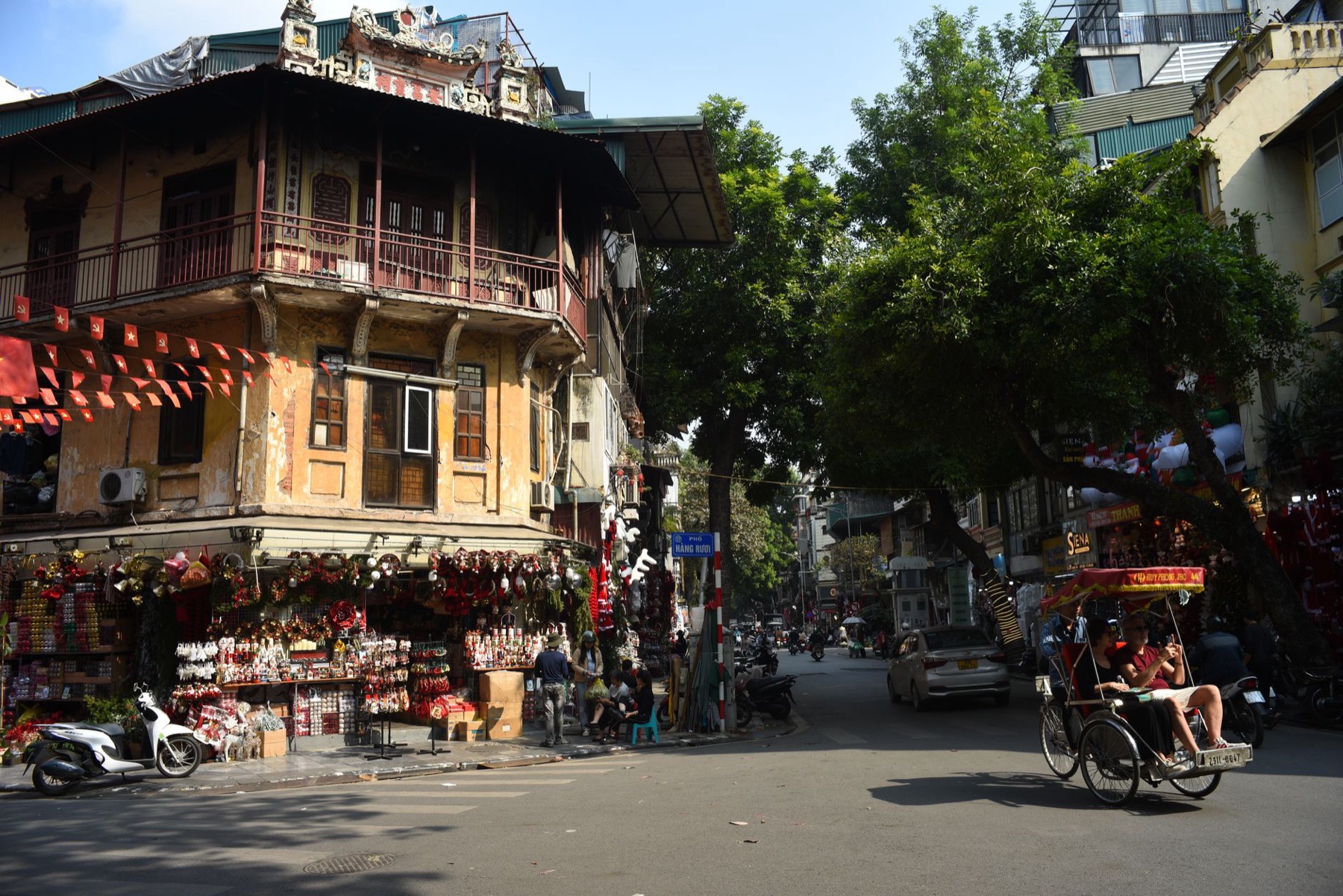
Location is everything in Hanoi. The Old Quarter (Hoan Kiem district) buzzes with backpackers and street food; it's chaotic but walkable and cheap. Ba Dinh, home to Ho Chi Minh's Mausoleum and the Temple of Literature, attracts culture seekers and families. The French Colonial area around Hoan Kiem Lake draws visitors seeking quieter, tree-lined streets and boutique properties. Tay Ho (West Lake) appeals to expats and leisure travelers wanting space and calm.
Budget Hotel Neighbourhoods: What to Expect
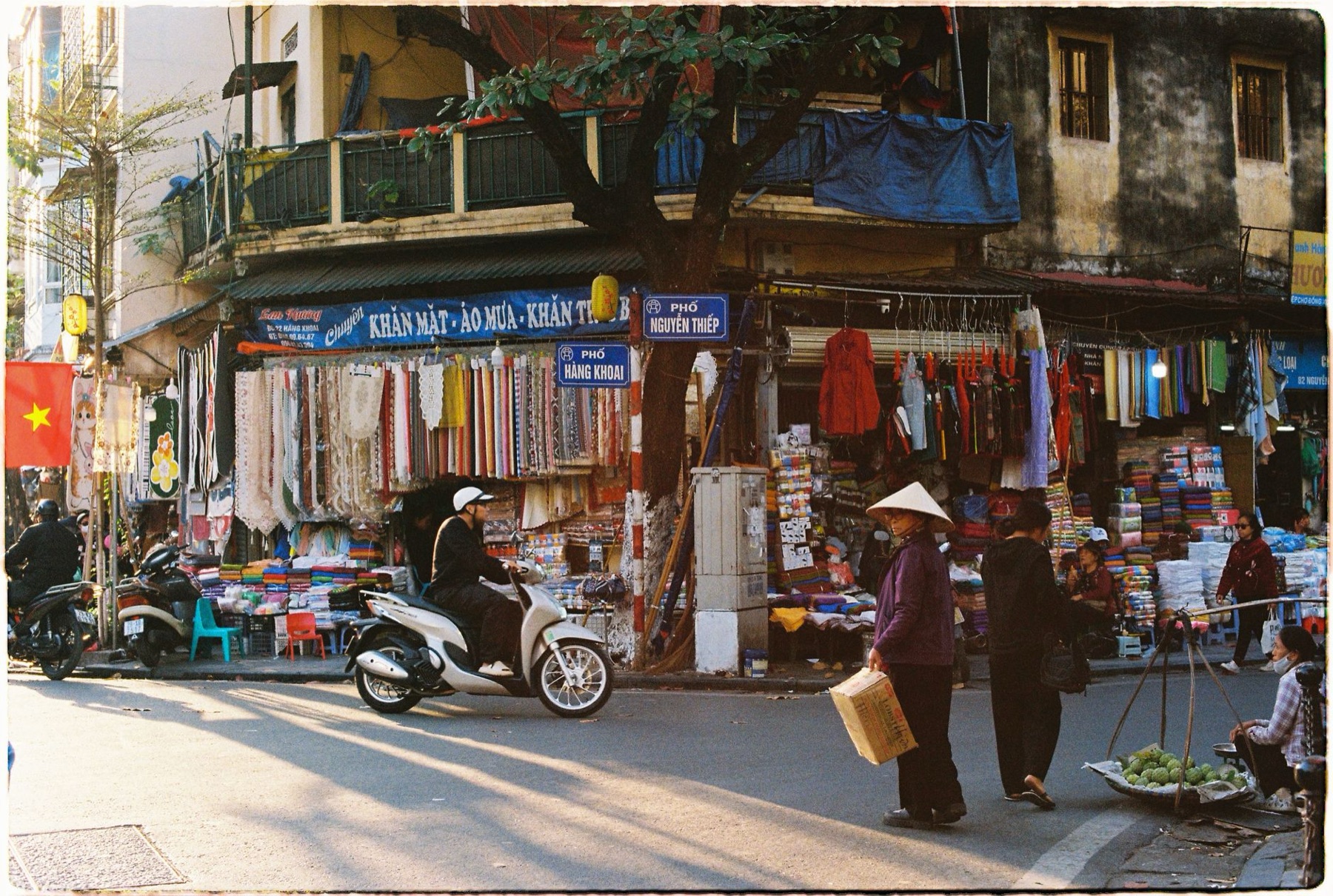
Old Quarter (Hoan Kiem): Dense, narrow streets, neon signs, constant noise until 2 a.m., street food vendors. Hotels here are basic but social; backpacker dorms cost around $8–15 USD, private doubles $15–35 USD. Pros: everything walkable, night economy thriving. Cons: motorbike horns, few quiet hours, minimal privacy.
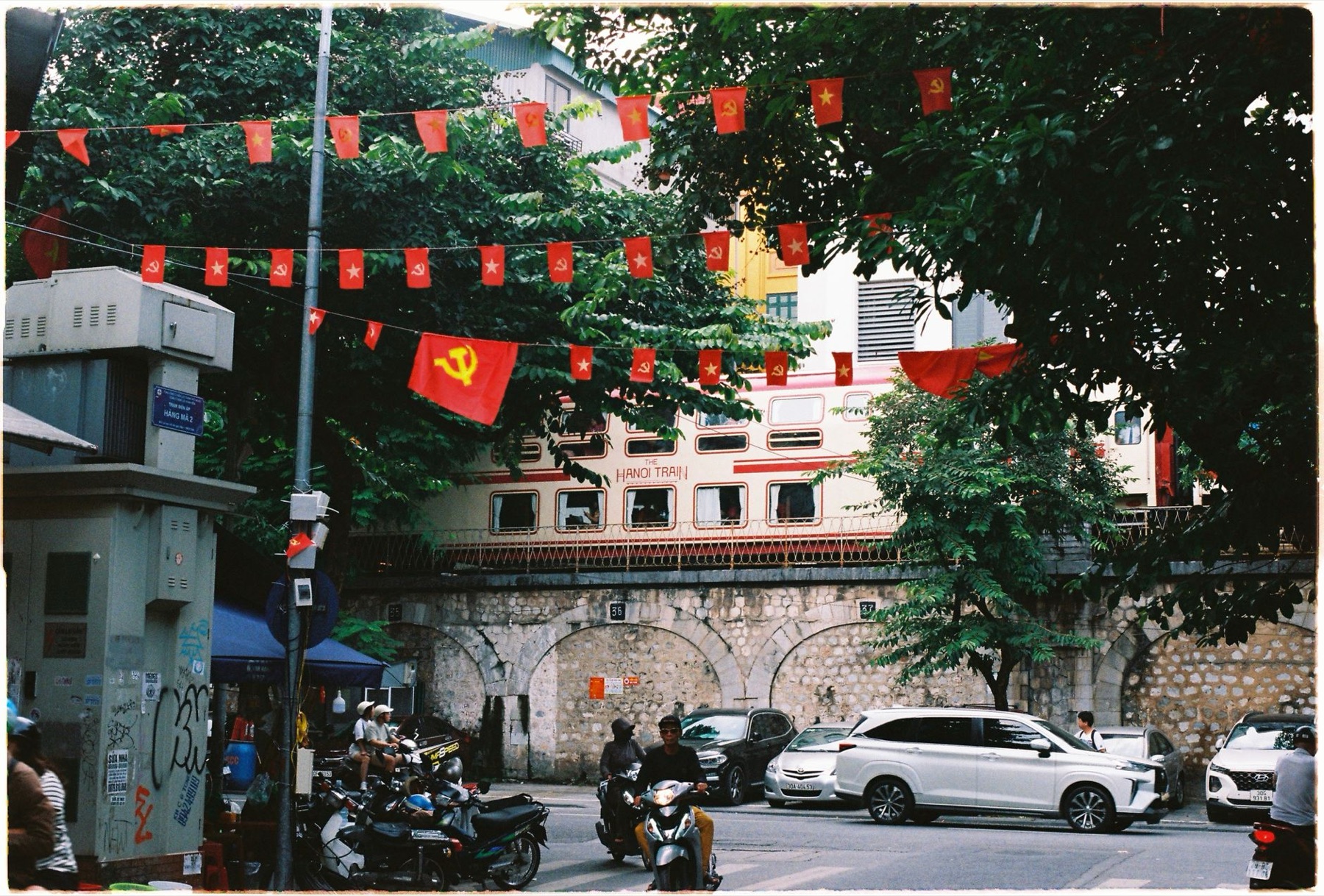
French Colonial / Hoan Kiem Lake: Tree-lined boulevards, colonial villas, upscale cafes. Mid-range and boutique hotels ($50–120 USD) cluster here. Quieter than the Old Quarter, better for sleep and photography. Less chaotic, more refined.
Ba Dinh: Government offices, museums, temple grounds. Good for historians and families. Hotels are quieter, mid-range ($35–80 USD). Less touristy than the Old Quarter.
Tay Ho (West Lake): Suburban feel, local food scenes, water views. Quieter but further from downtown. Expat-heavy. Mid-range and upscale ($60–180 USD). Best for drivers or those booking via Grab.
Don't stay in: Dong Da and Hai Ba Trung unless you have a specific reason (they're residential and far from tourist circuits).
Budget Breakdown: What You'll Spend
Use this table to decide your tier and location:
| Hotel Type | Typical Neighbourhood | Nightly Rate (USD) | Room Size | Best For | Trade-offs |
|---|---|---|---|---|---|
| Dorm/Hostel | Old Quarter, Hoan Kiem | $8–18 | Shared 4–8 bed | Backpackers, solo travelers, social scene | No privacy, noise, mixed cleanliness |
| Budget Private (Fan) | Old Quarter, Ba Dinh | $15–30 | Single/double, no A/C | Budget families, short stays | Hot rooms, street noise, basic toilet |
| Budget Private (A/C) | Old Quarter, Hoan Kiem Lake | $25–45 | Double, A/C, ensuite | Budget couples, groups | Small rooms, street-facing noise, thin walls |
| Mid-Range Boutique | French Colonial, Ba Dinh, Hoan Kiem | $50–100 | Double/twin, A/C, nice decor | Couples, families wanting comfort | Mid-level service, possible slow WiFi |
| Upscale (3–4 star) | Hoan Kiem Lake, Tay Ho, near Red River | $120–200 | Suite, full amenities, views | Business travelers, luxury seekers | Pricier, may lack authentic feel |
| Premium/Luxury | Red River, Ba Dinh, Tay Ho | $200–400+ | Suite/villa, spa, restaurant | Honeymooners, executives, special occasions | Highest cost, sometimes over-designed |
Factors that drive price up: proximity to Hoan Kiem Lake, views (Red River or West Lake), brand reputation, on-site dining, and gym/spa facilities.
📸 Book an ao dai photoshoot in Hanoi or Saigon (Cáo Studio)
How to Choose: A Decision Framework
Before booking, ask yourself these questions in order:
1. How long are you staying? Dorm beds often offer weekly discounts; family-run budget hotels sometimes negotiate monthly rates.
2. Are you here for work, culture, or nightlife? Business travelers need WiFi, late checkout, and proximity to Ba Dinh (government district). Culture enthusiasts should stay near the Temple of Literature or Hoan Kiem. Nightlife seekers pick the Old Quarter or Tay Ho clubs.
3. Do you value sleep and quiet or social energy? Old Quarter hostels = constant activity. French Colonial area = peaceful.
4. What's your actual budget after flights and food? If you're backpacking Southeast Asia and want to spend 5–7 nights in Hanoi, a $25–40 USD mid-range room lets you eat well and take tours. A $15 USD dorm leaves more for activities but cuts sleep quality.
5. Can you read and speak Vietnamese, or do you need English support? Budget hotels in the Old Quarter often have multilingual staff. Rural or residential-area budget hotels may only speak Vietnamese; staff at mid-range and upscale hotels are more likely fluent in English.
6. Do you need a kitchen or just a room? Apartments (not hotels) are cheaper for groups or long stays; search "serviced apartment Hanoi" if you'll cook.
What to Check Before You Book:
- WiFi speed: Ask in advance; many budget hotels have spotty internet. Essential if you're working remotely.
- Bathroom location: Some old-town dorms have shared bathrooms on hallways; mid-range rooms should have ensuite.
- Noise curfew: Street-facing budget rooms hear motorbike noise until 2 a.m. Request upper-floor, courtyard-facing rooms.
- Air conditioning: Essential. Check if it's industrial A/C (noisy but cold) or individual units (quieter, sometimes weak).
- Cancellation policy: Vietnam tourist boards say always read fine print; free cancellation up to 48 hours is standard, but some budget hotels charge non-refundable rates.
- Breakfast inclusion: Budget hotels rarely include it; mid-range often do. Worth clarifying.
- Check-in/out times: Default is 2 p.m. check-in, 11 a.m. checkout. Request early/late if needed; sometimes available at no charge.
Comparing Hotel Websites & Booking Tactics
Booking platforms (Agoda, Booking.com, Airbnb, Hotels.com) show the same properties but prices vary by 5–15% depending on their commission. We recommend:
- Search on multiple platforms to compare.
- Check the hotel's own website; it sometimes undercuts OTA prices.
- Read guest reviews, but ignore one-star rants and well-made gushes; focus on the 3- and 4-star middle.
- Filter for properties with recent reviews (last 30 days); Hanoi hotels change ownership and standards fast.
- Book direct if the rate is competitive—you'll get better customer service if something goes wrong.
Common Hanoi hotel booking scams:
- Bait-and-switch: Photos show a clean room; you arrive to mold or broken A/C. Mitigate by reading the most recent reviews and calling the hotel directly to confirm room condition before paying.
- Hidden fees: Budget hotels sometimes add "city tax" or "tourist fee" (around 50,000–100,000 VND / $2–4 USD per night) not listed online. Always ask for the final total by phone.
- No-show or overbooking: Rare but happens during Tet (lunar new year, late January/February). Book early and get written confirmation.
- Fake reviews: Trustpilot and Tripadvisor are generally more honest than Booking.com's filtered scores.
Specific Hotel Types by Purpose
For Backpackers
Old Quarter dorms are the epicenter. These are social, unsafe-proof (lockers, mixed dorms), and include common kitchens and free maps. Expect to hear about local bars and tours from roommates. Beds cost $8–15 USD; private rooms $20–40 USD. A few chains operate here, but family-run hostels are just as safe and cheaper.
For Families
Mid-range boutiques in Ba Dinh or Hoan Kiem Lake are safest. Look for properties with extra beds, family rooms (larger), and ground-floor access. Suites run $70–150 USD and reduce the stress of cramped spaces. Pool access is rare in Hanoi's compact central areas but common in Tay Ho and Red River suburbs.
For Business Travelers
Top-tier hotels (Hilton, InterContinental, Sofitel, Sunway, Golden Tulip, Melia) line Ba Dinh and Red River. They offer business centers, multiple restaurants, and meeting rooms. Rates: $150–400+ USD. But mid-range properties in Ba Dinh also have desk space and reliable WiFi for $60–120 USD, and you'll experience Hanoi more authentically.
For Couples (Romance)
Upscale boutiques with views and in-room amenities work best. Properties in Tay Ho, on the Red River, or the restored French Colonial quarter offer ambiance. Rates: $120–250 USD. Avoid the Old Quarter unless you enjoy crowds and honking horns at midnight.
For Digital Nomads (Month-long stays)
Serviced apartments beat hotels. Search "serviced apartment Ba Dinh" or "Hoan Kiem" on Airbnb and local sites. Expect $600–1,200 USD/month for a studio, $1,000–2,000 USD/month for a one-bedroom. Hotels don't offer good monthly rates; apartments do. Also check out co-living spaces in Ba Dinh and Dong Da, which are $800–1,500 USD/month, all-in.
🎟️ Compare tours & tickets for this place
What to Skip & Why
Old Quarter at night if you need sleep: The traffic noise is real; if quiet is essential, book elsewhere.
Riverside "luxury" properties without verification: Some newer builds have teething problems (plumbing, housekeeping). Read reviews from the last two weeks.
Obscure booking sites promising 50% discounts: They're often scams or use very outdated photos. Stick to Booking.com, Agoda, Hotels.com, and Airbnb.
"All-inclusive" budget packages: Hanoi is cheap; paying upfront for meals you might not eat defeats the purpose. Book room-only and eat street food or at cafes instead.
Getting There & Around from Your Hotel
Once booked, use Grab (Southeast Asia's Uber) to move around the city. A ride from Noi Bai Airport to central Hanoi costs around 250,000–400,000 VND ($10–16 USD). Most mid-range and upscale hotels can arrange this or call a taxi. Budget hostels in the Old Quarter have shuttle services (often free or $3–5 USD).
For onward travel to Ha Long Bay, Ninh Binh, Sapa, or Hoi An, your hotel concierge can book buses or private cars. Hanoi Luxury Coach and Kumho Samco run long-distance routes; a seat to Sapa (6 hours) costs around 300,000 VND ($12 USD).
Need a mobile connection? Grab a local eSIM before you arrive or buy a SIM at the airport. See our Vietnam eSIM guide for options.
Your Next Steps
Browse the Hanoi hotels pillar to compare specific properties by rating and price. Cross-reference on two platforms. Call directly to confirm WiFi speed, noise levels, and cancellation terms. Book for the quietest, most comfortable option within your budget.
Planning a longer trip? Use our Vietnam itinerary planner to blend Hanoi with coastal and mountain destinations. Heading to Ho Chi Minh City after Hanoi? That guide covers Saigon's hotel landscape too.
Make your stay memorable: book an ao dai photoshoot in Hanoi with professional makeup and hair (Cáo Studio offers this service, vietnamphotoshoot.com), or arrange a flower delivery from Hoa Lang Thang to surprise a travel companion.
---
FAQ
Is the Old Quarter safe for solo travelers at night?
Yes, it's well-lit and tourist-heavy. Petty theft (bag snatching from motorbikes) is rare if you keep valuables in your room. Avoid walking alone 2–4 a.m. Stick to main streets, and use Grab after midnight.
Do Hanoi hotels provide towels and toiletries?
Budget dorms and cheap private rooms rarely do; bring your own. Mid-range (above $40 USD) almost always include basic towels and soap. Upscale hotels add shampoo, conditioner, robes, and slippers.
Can I negotiate a lower nightly rate in person?
Yes, for stays over 3 nights at budget and mid-range hotels. Walk in, ask the manager directly, and offer a weekly rate. Expect 10–20% off. Online platforms discourage this, so direct booking helps you negotiate.
What's the best time to visit Hanoi for hotel availability and price?
Shoulder seasons (September–November, February–March) offer mild weather and cheaper rates. Avoid Tet (late January/early February) and peak summer (June–August heat, typhoon risk). Book 2–4 weeks ahead during shoulder season for mid-range properties.
Do hotels in Hanoi accept international credit cards and cash?
Most mid-range and upscale hotels accept Visa and Mastercard with 2–3% fees. Budget hotels and Old Quarter hostels prefer cash (VND). ATMs are everywhere; use Agribank or Vietcombank to minimize fees.
Is breakfast worth paying extra for at Hanoi hotels?
At budget hotels, no—street pho is better and costs 30,000–50,000 VND ($1–2 USD). At mid-range and upscale hotels, yes—breakfast often includes fruit, egg, and coffee, saving you 100,000–150,000 VND ($4–6 USD) daily.
FAQ
Is the Old Quarter safe for solo travelers at night?
Yes, it's well-lit and tourist-heavy. Petty theft (bag snatching from motorbikes) is rare if you keep valuables in your room. Avoid walking alone 2–4 a.m. Stick to main streets, and use Grab after midnight.
Do Hanoi hotels provide towels and toiletries?
Budget dorms and cheap private rooms rarely do; bring your own. Mid-range (above $40 USD) almost always include basic towels and soap. Upscale hotels add shampoo, conditioner, robes, and slippers.
Can I negotiate a lower nightly rate in person?
Yes, for stays over 3 nights at budget and mid-range hotels. Walk in, ask the manager directly, and offer a weekly rate. Expect 10–20% off. Online platforms discourage this, so direct booking helps you negotiate.
What's the best time to visit Hanoi for hotel availability and price?
Shoulder seasons (September–November, February–March) offer mild weather and cheaper rates. Avoid Tet (late January/early February) and peak summer (June–August heat, typhoon risk). Book 2–4 weeks ahead during shoulder season for mid-range properties.
Do hotels in Hanoi accept international credit cards and cash?
Most mid-range and upscale hotels accept Visa and Mastercard with 2–3% fees. Budget hotels and Old Quarter hostels prefer cash (VND). ATMs are everywhere; use Agribank or Vietcombank to minimize fees.
Is breakfast worth paying extra for at Hanoi hotels?
At budget hotels, no—street pho is better and costs 30,000–50,000 VND ($1–2 USD). At mid-range and upscale hotels, yes—breakfast often includes fruit, egg, and coffee, saving you 100,000–150,000 VND ($4–6 USD) daily.
More: Hanoi guide · Where to stay in Hanoi