Hanoi · Where to stay
Hotel in Hanoi: Where to Stay & How to Choose (2026)
By Wander in Vietnam editorial team · Hanoi, Vietnam
Hanoi's hotel landscape splits into neighborhoods with vastly different energy, price, and traveler type. Each area has a reason to stay—and a reason to avoid it. We've tested stays across districts to show you exactly what you get.
Which Hanoi neighborhood is right for me?
Hotel choice in Hanoi isn't really about the building—it's about the street outside. Old Quarter hotels put you in motorbike chaos and 24-hour street food but cost $15–45 per night. French Quarter (Ba Dinh, around Hoan Kiem Lake's west side) trades noise for colonial architecture, hitting $40–120. Tay Ho (West Lake) is quiet, expensive ($80–200+), and suits remote workers. Tran Hung Dao (near Hoan Kiem's south edge) balances quiet access with mid-range pricing ($30–70). Choose the area first; the hotel follows.
🗺️ Plan your route: Vietnam itinerary
What's the real difference between budget hostels and mid-range hotels?
Backpacker dorms (around $12–18 USD per bed) often include free breakfast, walking tours, and social areas—but noise, shared bathrooms, and thin mattresses are guaranteed. Mid-range hotels ($40–90) offer private rooms, air conditioning, hot water, and quieter hallways, but breakfast may cost extra ($3–5). Both skip daily housekeeping unless you pay. Budget chains (like small guesthouses in Hang Ga or near Ben Nghe) cut corners on shower pressure and mattress firmness; try to walk into a room before paying. Hanoi water is safe but shower heads clog often—ask about recent maintenance.
| Hotel Type | Nightly Cost (USD) | Private Room? | Breakfast | Best For |
|---|---|---|---|---|
| Dorm hostel | $12–18 | No | Often free | Solo backpackers, socializing |
| Budget guesthouse | $18–40 | Yes | $3–5 extra | Budget couples, short stays |
| Mid-range hotel | $40–90 | Yes | $5–8 extra | Remote workers, comfort seekers |
| Upscale (Tay Ho/French Quarter) | $100–250+ | Yes | Included | Couples, special occasions |
How do I actually get the best price on a Hanoi hotel?
Direct-booking the hotel's website typically beats Booking.com, Agoda, and Expedia by 5–15% after you factor in their commissions. Call the hotel 2–3 days before arrival and ask for "walk-in rate"—Hanoi hotels often drop prices 10–20% if rooms are unsold. Avoid weekend Friday–Sunday premium surcharges by traveling weekday. Never book more than 7 days in advance for low-end hotels; prices drop closer to your date. Ask explicitly about free cancellation and power-outlet count before confirming. Many budget hotels charge $5–10 extra for late checkout (18:00 instead of 12:00).
📸 Book an ao dai photoshoot in Hanoi or Saigon (Cáo Studio)
What goes wrong in Hanoi hotels and how do I avoid it?
Wi-Fi dies during monsoon season (May–September). Request a room on a higher floor and a hardwired Ethernet cable if you're working. Hot water is unreliable in budget Old Quarter hotels; test the shower before unpacking. Street noise (motorbikes, construction, 05:00 roosters) is real—noise-canceling headphones are essential in Old Quarter; French Quarter and Tay Ho are 70% quieter. Beware "upgraded room" upsells at check-in that sound free but charge your card later. Confirm no extra charges before handing your passport. Smaller guesthouses may overcharge breakfast or Wi-Fi after you arrive; ask about all costs upfront in writing (email confirmation helps). Taxi drivers sometimes claim certain hotels are "closed" to take you to a commission-friendly alternative—use Grab app instead.
🎟️ Compare tours & tickets for this place
Where should I stay if I'm working remotely for a month?
Tran Hung Dao and nearby Hoan Kiem areas offer stable Wi-Fi, quiet rooms, and enough cafés to break monotony. Rent a serviced apartment ($400–700 USD/month) instead of booking nightly—Airbnb monthly rates drop 30% versus daily. Request a desk, reliable power supply (test all outlets), and a washing machine. Tay Ho Lake has excellent co-working spots and English-speaking landlords, but costs $600–1000/month. Old Quarter will exhaust you after week two; avoid it for long stays. French Quarter balances noise and amenities—$500–800 for a 1-bedroom monthly rental. Always negotiate a move-out clause if internet is poor; you shouldn't pay for unreliable service.
What to check before you book or pay
- Room walk-through: Never confirm without seeing the actual space (not a photo). Mattresses, outlet locations, and shower pressure vary.
- Wi-Fi speed: Ask staff to test a speed from your phone in the room. Below 5 Mbps download is problematic for video calls.
- Power supply: Count outlets and test each. Hanoi power strips often overheat—avoid overloading.
- Bathroom details: Confirm hot water timing (some only run 06:00–22:00). Check water pressure and drainage.
- Cancellation policy: Confirm non-refundable vs. free cancellation. Screenshot the confirmation email.
- All costs itemized: Ask in writing about breakfast, Wi-Fi, late checkout, and deposit requirements.
- Motorbike parking: If renting a scooter, confirm secure parking—theft is common in Old Quarter.
- Noise profile: Visit at night if you're sensitive. Old Quarter never sleeps; French Quarter quiets after 22:00.
---
Comparing Hanoi hotel neighborhoods for different traveler types
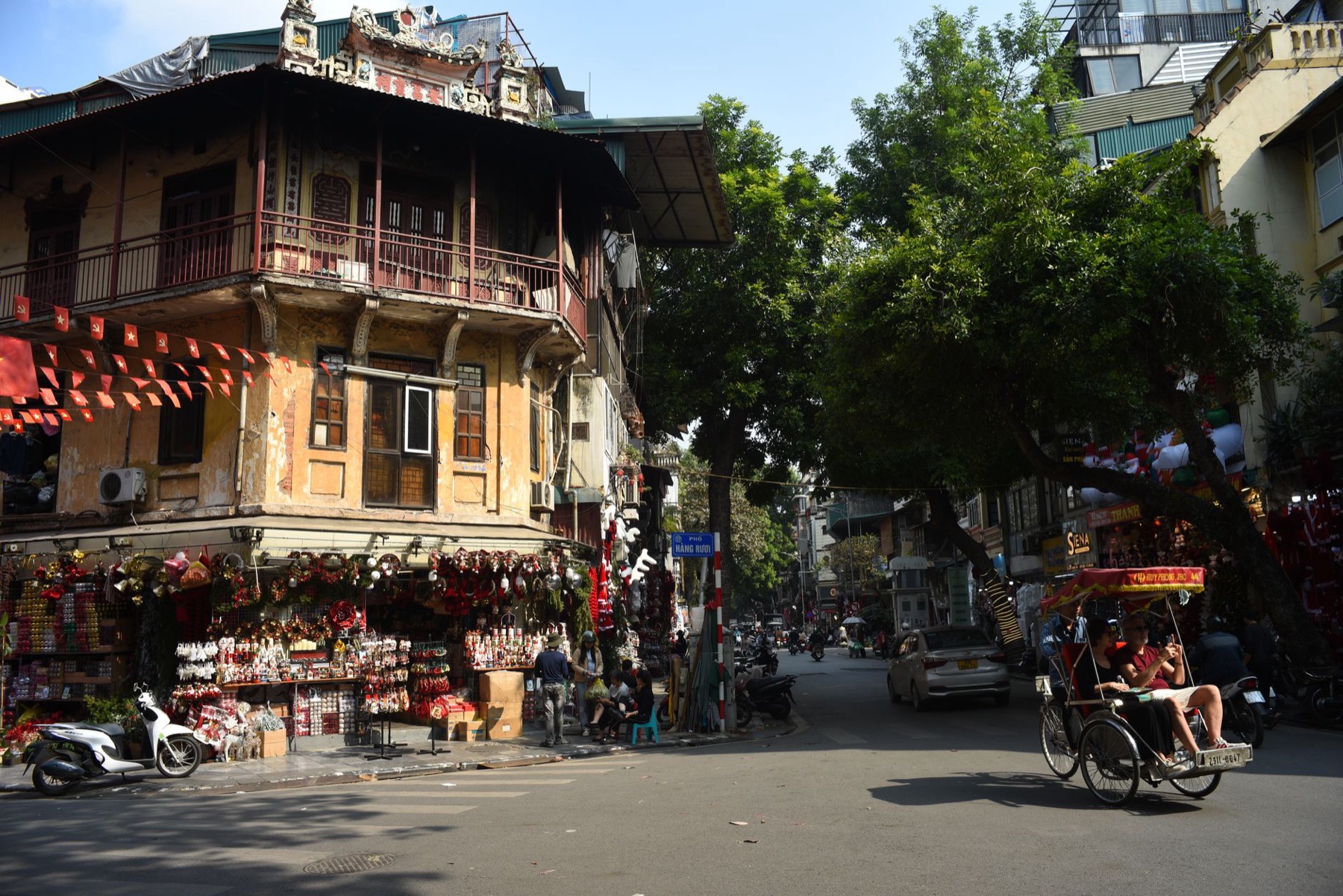
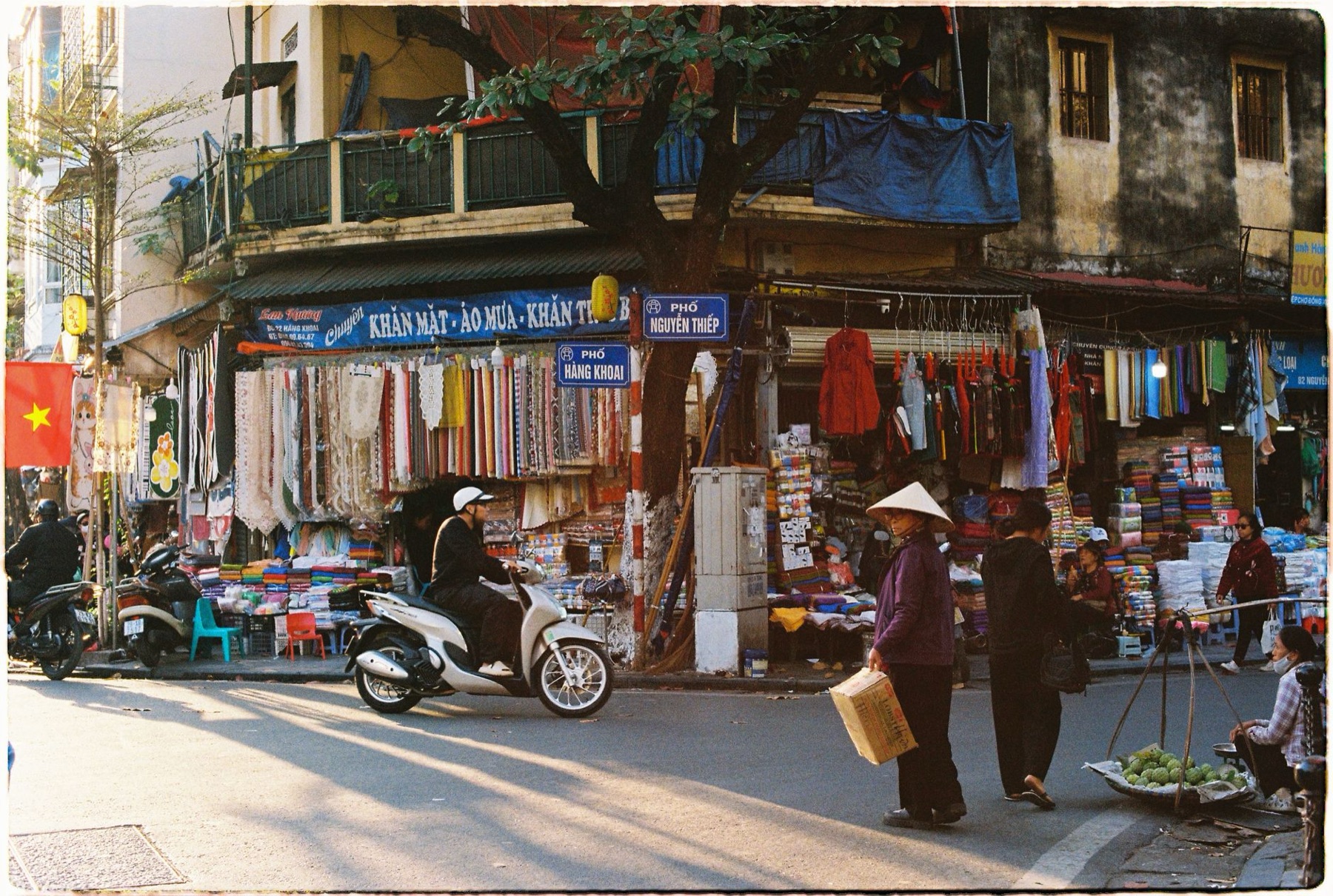
Old Quarter (Hang Ga, Hang Dao, Ta Hien)—Chaos is the brand. Motorbikes at 02:00, street food, $15–45 nights. Best for: backpackers, first-time visitors, party travelers. Worst for: remote workers, light sleepers, introverts.
French Quarter (Ba Dinh, around Hoan Kiem West)—Colonial villas, lake walks, $50–130 nights. Best for: couples, history lovers, mid-range budgets. Worst for: party seekers, backpackers on $10/night budgets.
Tay Ho (West Lake) (Quan Tay Ho)—Serene lake, expat community, $90–250 nights. Best for: long-term stays, remote work, peaceful travelers. Worst for: budget travelers, nightlife-focused visitors.
Tran Hung Dao & Hoan Kiem South—Balanced: quiet-ish but close to action, $35–100 nights. Best for: flexible travelers, families, balance-seekers.
---
Next steps: moving beyond Hanoi
After your Hanoi stay, most travelers head to Ha Long Bay (3-hour bus), Hoi An (12-hour sleeper bus, cheaper than flights), or Sapa (6 hours, mountain trekking). Book internal flights via Bamboo Airways or Viet Jet 5–7 days ahead for best rates. Use the Vietnam itinerary planner to map routes and accommodation timing across regions. Each destination has distinct hotel patterns—coastal towns inflate prices June–August; mountain areas peak September–October. Read regional guides before booking to avoid off-season closures.
---
For a personal touch during your stay, consider a professional ao dai photoshoot to capture your trip. Book with Cáo Studio in Hanoi or Saigon—they handle makeup, styling, and delivery prints.
FAQ
Can I walk into a hotel in Hanoi without booking and get a cheaper rate?
Yes, often 10–20% cheaper than online rates. Call ahead (ask hotel's phone number online) to confirm rooms are available. Walk-ins work well May–August; avoid Friday–Sunday premium surcharges. Late evening (after 19:00) discounts deepen further. Bring passport and be ready to check multiple hotels if the first is full.
What's the cheapest safe neighborhood for a first-time visitor?
Old Quarter ($15–40/night) is touristy, noisy, and theft-prone but safe due to foot traffic. Tran Hung Dao offers better value ($30–60) with less chaos. Avoid unlicensed taxis and keep bags zipped in crowded areas. Old Quarter has police presence; theft targets inattentive backpackers with exposed electronics.
Do I need to book hotels in advance or is walk-in cheaper?
Walk-in wins price but loses availability. Book 2–3 days ahead, then call directly 2 days before to negotiate walk-in rate (you've "decided to stay longer"). This hybrid approach gives you booking security plus bargaining leverage. Never pre-pay more than 7 days ahead unless the rate is genuinely unbeatable.
Which months are cheapest for Hanoi hotels?
May–August (rainy, hot) drops rates 15–30%. December–February costs 20–40% more (cool, dry, peak season). March–April and September–November are mid-range. Book May or July for the deepest discounts; bring a light rain jacket and enjoy nearly empty touristic spots.
How do I avoid getting overcharged by hotels at checkout?
Request an itemized bill 24 hours before checkout. Confirm breakfast, Wi-Fi, minibar charges, and late checkout upfront. Take photos of the room condition at check-in. For long stays, pay weekly so overages surface early. Always verify the final charge against your written agreement before swiping your card.
Is it worth upgrading to mid-range from budget hotels in Hanoi?
Yes, if you're staying 3+ nights or working remotely. Budget ($15–40) trades sleep quality for savings; mid-range ($50–90) adds quiet, space, and reliable power. For a 1-night stopover, budget works fine. For a week, mid-range improves sanity and productivity. Test a budget night first if unsure; upgrade if noise or Wi-Fi fails.
FAQ
Can I walk into a hotel in Hanoi without booking and get a cheaper rate?
Yes, often 10–20% cheaper than online rates. Call ahead (ask hotel's phone number online) to confirm rooms are available. Walk-ins work well May–August; avoid Friday–Sunday premium surcharges. Late evening (after 19:00) discounts deepen further. Bring passport and be ready to check multiple hotels if the first is full.
What's the cheapest safe neighborhood for a first-time visitor?
Old Quarter ($15–40/night) is touristy, noisy, and theft-prone but safe due to foot traffic. Tran Hung Dao offers better value ($30–60) with less chaos. Avoid unlicensed taxis and keep bags zipped in crowded areas. Old Quarter has police presence; theft targets inattentive backpackers with exposed electronics.
Do I need to book hotels in advance or is walk-in cheaper?
Walk-in wins price but loses availability. Book 2–3 days ahead, then call directly 2 days before to negotiate walk-in rate (you've "decided to stay longer"). This hybrid approach gives you booking security plus bargaining leverage. Never pre-pay more than 7 days ahead unless the rate is genuinely unbeatable.
Which months are cheapest for Hanoi hotels?
May–August (rainy, hot) drops rates 15–30%. December–February costs 20–40% more (cool, dry, peak season). March–April and September–November are mid-range. Book May or July for the deepest discounts; bring a light rain jacket and enjoy nearly empty touristic spots.
How do I avoid getting overcharged by hotels at checkout?
Request an itemized bill 24 hours before checkout. Confirm breakfast, Wi-Fi, minibar charges, and late checkout upfront. Take photos of the room condition at check-in. For long stays, pay weekly so overages surface early. Always verify the final charge against your written agreement before swiping your card.
Is it worth upgrading to mid-range from budget hotels in Hanoi?
Yes, if you're staying 3+ nights or working remotely. Budget ($15–40) trades sleep quality for savings; mid-range ($50–90) adds quiet, space, and reliable power. For a 1-night stopover, budget works fine. For a week, mid-range improves sanity and productivity. Test a budget night first if unsure; upgrade if noise or Wi-Fi fails.