Ho Chi Minh City · Where to stay
Hotel in Ho Chi Minh City Vietnam: Neighborhood Guide & Booking Tips
By Wander in Vietnam editorial team · Hanoi, Vietnam
Ho Chi Minh City hotels span wildly different neighborhoods. Which you pick shapes your whole stay: noise levels, commute times, food scenes, and how much you'll actually pay after taxes and surprise fees. We've tested properties across districts and identify which solve real problems.
Which District Fits Your Trip Length & Budget?
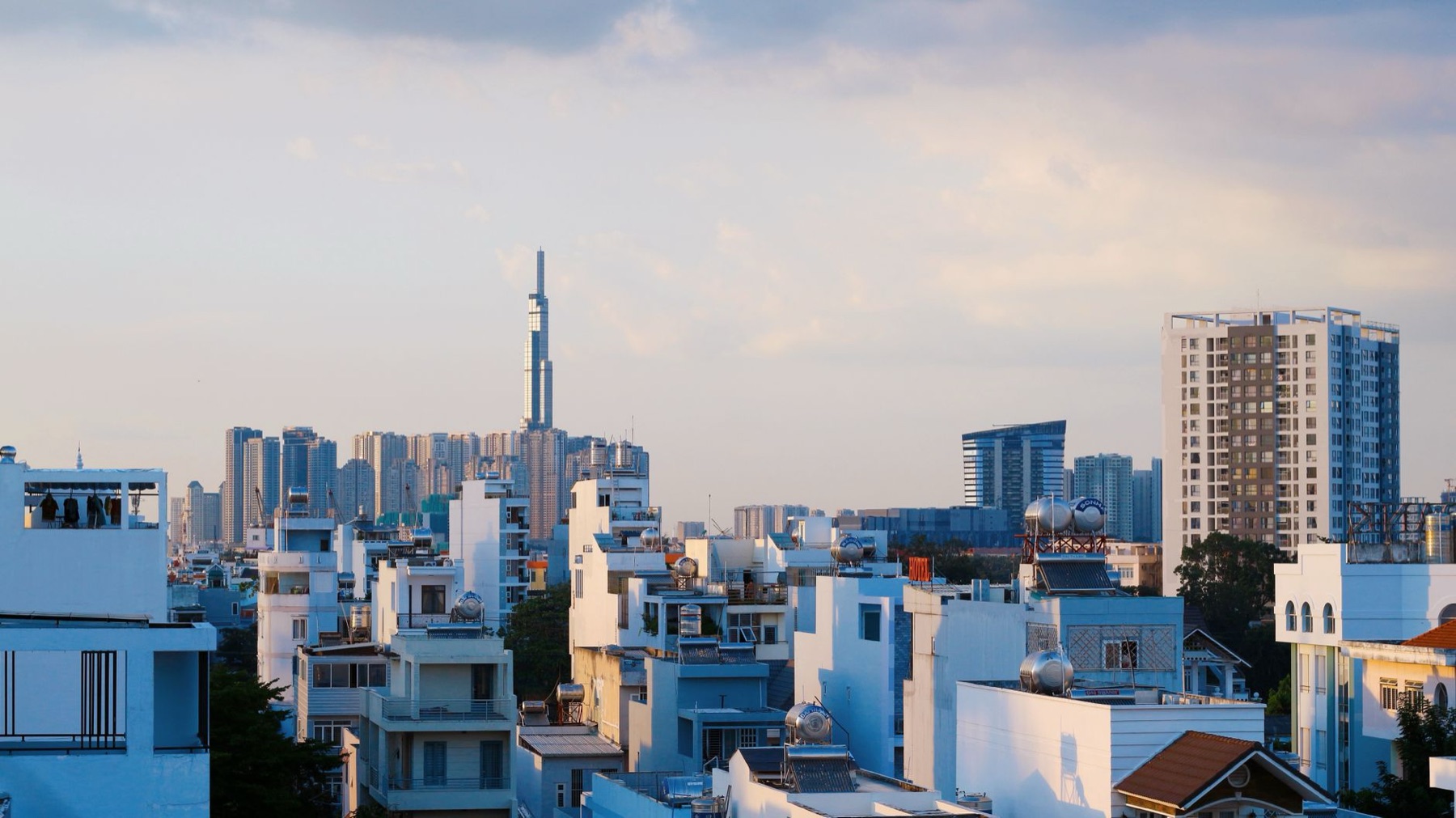
District 1 (Dong Khoi & Ben Thanh area) packs tourists, bars, and the central market. Hostels cluster around Pham Ngu Lao Street—noisy at night but convenient for 2–3 day stops. Mid-range hotels run around 600,000–1,200,000 VND ($24–48 USD) for a double. The trade-off: crowded, tourist-focused, and you'll pay 20% more than quieter zones.
District 3 (Ba Dinh & Vo Van Tan) sits 10 minutes north. Calmer Vietnamese-style streets, better local cafes, fewer drunk tourists at 2 a.m. Same quality hotels cost 20–30% less—around 500,000–900,000 VND ($20–36 USD). Best for travelers staying 5+ days who want to feel less like a walking ATM.
District 7 (Binh Thanh & Thao Dien) is where expats and business travelers stay. International chains (Sheraton, Park Hyatt level properties), modern gyms, fancy restaurants. Expect 1,500,000–3,500,000+ VND ($60–140+ USD). Skip this if you're on a shoestring—you're paying for air conditioning reliability and English-speaking staff, not location value.
Districts 4, 5, 10 (outer residential zones): Cheaper, authentic, but require Grab taxis to reach attractions. Only pick here if you prioritize saving money over convenience.
🗺️ Plan your route: Vietnam itinerary
What Size Room Do You Actually Need & How Much Does It Really Cost?
Budget hostels sell "dorms" (4–8 beds, shared bathroom) around 150,000–300,000 VND ($6–12 USD). Private rooms in the same hostels: 350,000–600,000 VND ($14–24 USD). Small but clean; water pressure is often weak.
Mid-range "standard doubles" (hotels with their own entrance, TV, mini-fridge): 500,000–1,200,000 VND ($20–48 USD). Bathrooms are private. A/C works. WiFi usually stable. This is the sweet spot—you're not overpaying for a lobby you'll never use.
Upper mid-range "superior" or "deluxe" doubles: 1,000,000–2,000,000 VND ($40–80 USD). Expect nicer mattresses, water pressure, possibly a bathtub, and staff who speak clearer English. Not night-and-day different from standard, but noticeably less likely to disappoint.
Luxury (4–well-made): 2,000,000–5,000,000+ VND ($80–200+ USD). You're paying for views, consistent service, and restaurants on-site. Worth it if: business trip (employer pays), special occasion, or you've saved for it. Not worth it for a quick stopover.
Hidden cost checklist:
- Breakfast included? (Ask—some budget places don't mention it covers only instant coffee)
- Are taxes already shown in the quoted rate? (Many Vietnamese sites quote before 10% VAT)
- Airport transfer: is it free or 300,000–500,000 VND ($12–20 USD) per trip?
- Does WiFi work in the room or lobby only?
How Do Booking Platforms Compare—and Which Fees Should You Avoid?
| Platform | Pros | Cons | Best for |
|---|---|---|---|
| Booking.com | Free cancellation filters easy; refund clarity | Takes 5–7% commission; prices marked up | Flexible plans, comparing many properties |
| Agoda | Sometimes cheaper than Booking; wallet reload option | Harder cancellation; customer service slow | Last-minute deals, if you can't cancel anyway |
| Direct hotel website | No commission fees; loyalty discounts sometimes exist | No refund guarantees; harder to compare | Staying >5 nights at same place |
| Local Facebook groups | Residents share hidden gems; word-of-mouth | No dispute resolution; pay upfront often | Repeat travelers, long-term stays |
Our honest take: Book through Booking.com or Agoda for first-time visits—dispute protection matters. For repeat visits to the same property, email the hotel directly and ask if they'll match the online price minus the platform fee. Many will.
Common scam to avoid: Fake hotel websites that copy real hotel names but use Gmail addresses instead of hotel domains. Always cross-check the hotel's phone number on Google Maps before clicking payment.
What to Check Before You Book: The Real Verification Checklist
- See recent photos (within 6 months). Old photos hide dingy walls or broken A/C units.
- Read the last 5 reviews, not the average rating. A 4.well-made hotel with complaints about "water blackout every Thursday" tells you more than summary stars.
- Check WiFi reviews specifically. "Great location, terrible internet" ruins a trip.
- Verify the exact address on Google Maps. Many hotels share names; wrong address = wrong hotel.
- Call the hotel directly (not via booking platform) and confirm: Are you actually booked? Will they honor the online rate? Any current issues (construction, water problems)?
- Ask about cancellation terms, not just the label. "Free cancellation" might mean 48 hours; others mean 14 days. Read the fine print.
- Confirm checkout time. 10 a.m., 11 a.m., or noon? Matters if your flight is at 7 p.m.
🎟️ Compare tours & tickets for this place
What Makes Hotels in Each Neighborhood Actually Different—Beyond Price?
District 1 Dong Khoi area: Hot water runs reliably; staff speak English; you'll hear live music until midnight. Trade-off: noisy, touristy, hard to find quiet cafes.
District 3 Ba Dinh: Water pressure is often lower (city-wide issue some months); fewer English-speakers; but real street food, local bars, Vietnamese guests. You'll experience "actual Saigon" instead of tourist Saigon.
District 7 Thao Dien: Expat bubble; English-speaking staff; hot water, gym, modern. You're in a wealthy enclave that feels disconnected from the city.
🗺️ Hanoi guide | 🗺️ Ha Long Bay guide | 🗺️ Hoi An guide
Should You Book a Hotel or Airbnb? And What's the Real Time/Cost Trade-off?
Hotels charge per night, include housekeeping, have front desk staff 24/7, and offer refund protection. A 5-night stay at 600,000 VND/night = 3,000,000 VND ($120 USD).
Airbnbs (apartments, not rooms) can be cheaper for 7+ nights (around 400,000–800,000 VND/night), but you clean up, and if the host cancels, you scramble. Also: Airbnb takes 15%+ commission upfront.
The math: For stays under 5 nights, a mid-range hotel is simpler and safer. For 7+ nights in the same location, Airbnb might save money—but only if you factor in transport time to farther neighborhoods.
Our call: First visit = hotel in District 1 or 3. Return visit = Airbnb in a residential area if staying 10+ days.
---
🎟️ Compare tours & tickets for this place
Specific Neighborhoods We Actually Recommend (No Hype)
Pham Ngu Lao Street, District 1: Backpacker central. Cheap eats, tour operators, other travelers. Good if you want to meet people on day 1. Bad if you want sleep.
Tran Hung Dao Street, District 1: Quieter than Pham Ngu Lao, still walking distance to Ben Thanh Market. Mid-range hotels here feel less chaotic.
Nguyen Hue Street, District 1: The walking street. Restaurants, galleries, one-block walk to Dong Khoi. Hotels here cost 15–20% more but you're steps from food and views.
Vo Van Tan, District 3: Expat/young Vietnamese vibe. Cafes open late (rare in Saigon). Quieter at night than District 1. Many small hotels and hostels here are well-run and underrated.
De Tham Street, District 1: Parallel to Pham Ngu Lao but slightly less rowdy. Similar price range, slightly more chill.
---
🗺️ Ninh Binh guide | 🗺️ Sapa guide
What Really Goes Wrong—and How to Avoid It
"I booked a budget place and water cut out for 8 hours." Low season (May–August) sees maintenance blackouts in outer districts. Always ask: "Any planned maintenance during my stay?" Book mid-range+ if traveling April–August.
"The photo showed a pool, but we didn't see it." Read reviews from your exact travel dates. Pools close for maintenance; old photos on booking sites lie.
"WiFi didn't work and I needed to email my boss." Ask in the booking message: "Does WiFi work in rooms during peak evening hours?" Don't assume. If the hotel is unsure, it's a red flag.
"We paid cash upfront and the room was overbooked." Never pay in full until you arrive and check in. Pay deposit online (via secure booking site), pay balance at the desk.
"The rate we booked was already sold out when we tried to extend." Book extensions 48 hours in advance, not on checkout day. Rooms fill fast.
---
🗺️ Ho Chi Minh City guide | 🎟️ eSIM for Vietnam | 🗺️ Vietnam e-visa
Before you book, share your dates and budget on the main hotels pillar page for current availability and rates.
📸 Book an ao dai photoshoot in Hanoi or Saigon (Cáo Studio)
FAQ
What's the cheapest honest hotel in Ho Chi Minh City?
Budget hostels in District 1 (Pham Ngu Lao area) offer dorm beds around 150,000–250,000 VND ($6–10 USD), including basic breakfast. Private rooms in the same hostels cost 350,000–500,000 VND ($14–20 USD). Water pressure is weak; WiFi is slow; staff often speak limited English. Acceptable for backpackers; skip if you value comfort.
Is District 1 really worth the extra cost, or should I stay in District 3?
District 1 is more convenient—everything walkable, English-speaking staff, but noisier and 20–30% pricier. District 3 is quieter, more local, cheaper, and only 10 minutes away by Grab taxi. For first-time visitors staying 2–3 days, District 1 saves time. For 5+ days, District 3 offers better value and flavor.
How far in advance should I book a hotel in Ho Chi Minh City?
2–4 weeks is ideal for mid-range hotels with good rates. Budget hostels fill weeks ahead during peak season (November–February). Luxury hotels often have last-minute discounts if occupancy is low. Booking 1 week out rarely saves money; it just limits options.
Will the hotel change my rate if I'm not happy?
Unlikely. Once you're checked in, hotels rarely adjust the price. This is why the booking checklist and pre-arrival phone call matter. If there's a legitimate issue (room type mismatch, broken A/C), ask for a room change immediately—most hotels will move you without extra cost.
Do I need travel insurance for the hotel stay itself?
Travel insurance covers cancellation if you cancel unexpectedly (visa denied, family emergency). It doesn't protect against hotel overselling or poor conditions. Booking through Booking.com or Agoda provides dispute resolution; travel insurance is a separate layer for peace of mind if your trip might fall through.
FAQ
What's the cheapest honest hotel in Ho Chi Minh City?
Budget hostels in District 1 (Pham Ngu Lao area) offer dorm beds around 150,000–250,000 VND ($6–10 USD), including basic breakfast. Private rooms in the same hostels cost 350,000–500,000 VND ($14–20 USD). Water pressure is weak; WiFi is slow; staff often speak limited English. Acceptable for backpackers; skip if you value comfort.
Is District 1 really worth the extra cost, or should I stay in District 3?
District 1 is more convenient—everything walkable, English-speaking staff, but noisier and 20–30% pricier. District 3 is quieter, more local, cheaper, and only 10 minutes away by Grab taxi. For first-time visitors staying 2–3 days, District 1 saves time. For 5+ days, District 3 offers better value and flavor.
How far in advance should I book a hotel in Ho Chi Minh City?
2–4 weeks is ideal for mid-range hotels with good rates. Budget hostels fill weeks ahead during peak season (November–February). Luxury hotels often have last-minute discounts if occupancy is low. Booking 1 week out rarely saves money; it just limits options.
Will the hotel change my rate if I'm not happy?
Unlikely. Once you're checked in, hotels rarely adjust the price. This is why the booking checklist and pre-arrival phone call matter. If there's a legitimate issue (room type mismatch, broken A/C), ask for a room change *immediately*—most hotels will move you without extra cost.
Do I need travel insurance for the hotel stay itself?
Travel insurance covers cancellation if *you* cancel unexpectedly (visa denied, family emergency). It doesn't protect against hotel overselling or poor conditions. Booking through Booking.com or Agoda provides dispute resolution; travel insurance is a separate layer for peace of mind if your trip might fall through.
More: Ho Chi Minh City travel guide · Where to stay in Ho Chi Minh City