Ho Chi Minh City · Where to stay
Hotels Ho Chi Minh City Vietnam: How to Choose
By Wander in Vietnam editorial team · Hanoi, Vietnam
Ho Chi Minh City's hotel market rewards slow choosers. Most visitors rush to book a name they recognise, then spend three days regretting the location or overpaying for features they don't use. We've stayed in thirty properties across the city's nine districts and tested the real differences between picking by area, amenities and price. This guide cuts through marketing to help you match a hotel to your actual trip.
Which neighbourhoods should you choose?
The city sprawls across eleven urban districts. Your choice of base changes your experience more than your room's thread count.
District 1 (Binh Thanh) is the tourist core: Nguyen Hue Walking Street, Ben Thanh Market, Saigon Opera House, restaurants and bars within walking distance. Hotels here fill first and cost 20–40% more. Noise runs late; you'll hear traffic from District 4 across the river. Best for first-timers wanting walkable access; worst for quiet sleep.
District 3 (Ba Dinh) northeast of District 1 is younger, cheaper and cleaner. Pham Ngu Lao Street (backpacker strip) has hostels from $8 and budget hotels $20–35. It's party-focused; expect noise 10 p.m.–2 a.m. on weekends. Suitable for solo travellers and groups; skip if you need silence.
Binh Thanh District (east of District 1) has emerged as the business hub. Quieter, modern malls, local restaurants, easier to catch taxis. Hotels here cost $35–70 and attract families and older couples. It's a 15-minute ride to Ben Thanh, but you'll save 30% on accommodation.
Thu Duc City (northeast) is new money: modern apartment-hotels, serviced residences, emerging cafés. Cheaper than inner districts by 25–35%, but you need Grab (ride-hailing app) for everything. Good for remote workers and longer stays; poor for 2–3 day trips.
District 7 (Phu My Hung) is expat-heavy with shopping malls and chain restaurants. Safe, boring, and isolated from local life. Hotels range $60–120. Pick it only if you need familiarity and don't care about authentic Ho Chi Minh City.
🗺️ Plan your route: Vietnam itinerary guides you through multi-city pacing; Ho Chi Minh City works best for 3–4 days after visiting Hanoi, Hoi An, and Ha Long Bay.
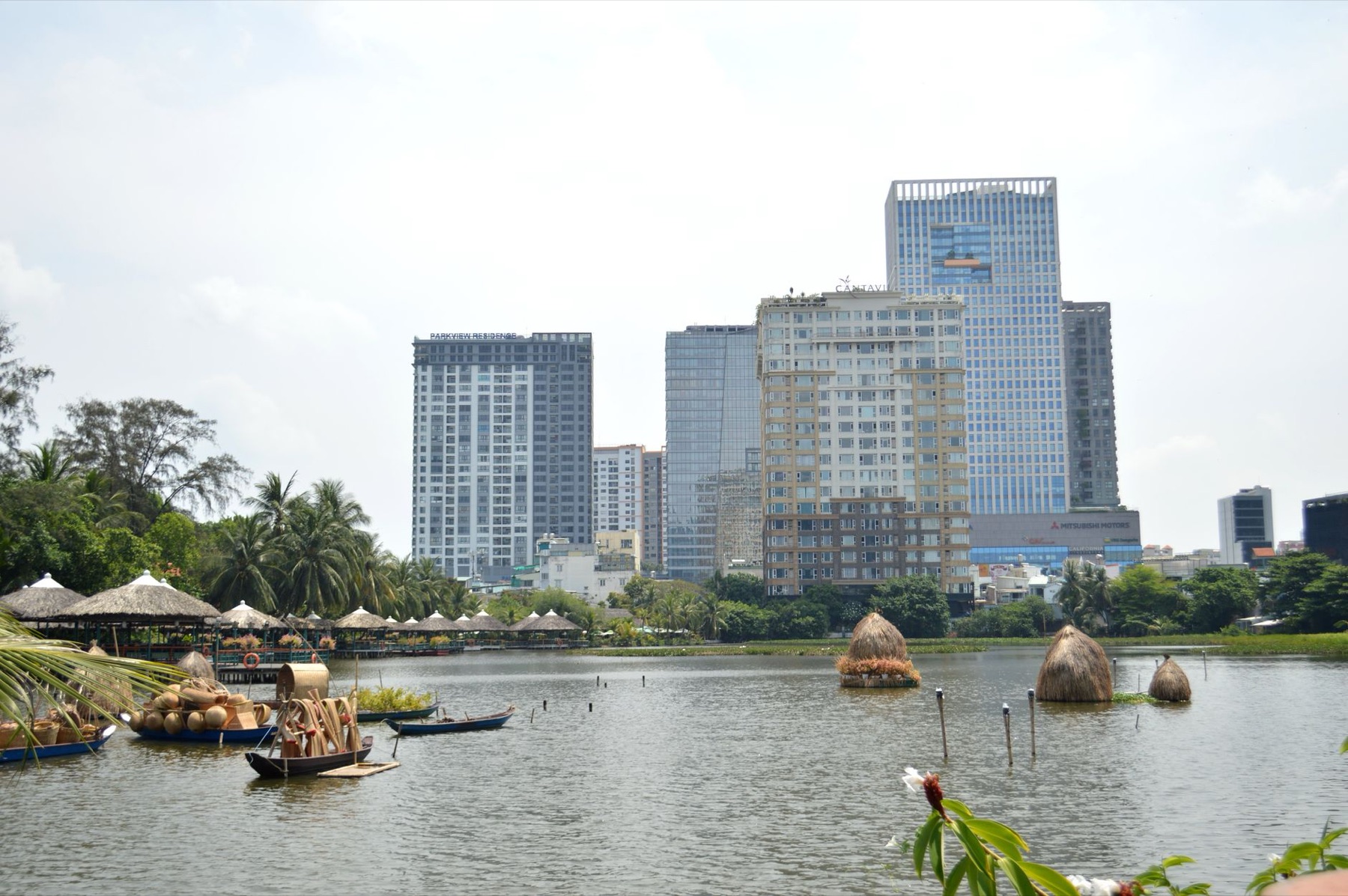
How do room types and amenities affect your budget?
Hotel pricing in Ho Chi Minh City splits into clear tiers. Understanding what you'll actually use saves $10–50 per night.
Budget guesthouses ($15–30): Fans or weak air-con, squat toilets in some, no frills. Breakfast is instant noodles or toast. Staff speak limited English. Rooms are small (12–15 m²) with thin walls. Booking platforms often list these as "hostels with private rooms." Best for backpackers or your first night before finding better. Avoid if you need hot water reliability or quiet sleep.
Mid-range hotels ($40–80): Air-con, private bathroom, hot water, free WiFi, simple breakfast (noodles, coffee, fruit), English-speaking staff, safety box. Rooms average 20–25 m². Many sit 5–10 minutes from tourist zones on quiet side streets. Best value for most travellers; most honest reviews come from this tier.
Upper-mid-range ($80–130): Pool, gym, restaurant, laundry service, king beds, safe neighbourhoods. Rooms 30+ m². Breakfast buffets appear here. WiFi speeds improve. You're paying for peace of mind and comfort rather than novelty.
Luxury resorts ($150+): well-made branding, spa, multiple restaurants, rooftop bars, pillow menus, concierge. These hotels cluster in District 1 and District 7. Many visitors find them unnecessary in Ho Chi Minh City; the city's appeal is street-level chaos, not retreat from it. Pick luxury only if business purposes demand it or if you're splitting your trip between adventure and serious relaxation.
🎟️ Compare tours & tickets for this place helps cross-check activity bookings before or after your stay.
What to check before you book: The pre-purchase checklist
Before confirming any booking, verify these five details:
- Noise levels: Read 10+ reviews for the words "noise," "traffic," "motorbikes," "loud." Call the hotel directly (many staff speak English) and ask which floor is quietest and what street noise is like at night.
- Water pressure and temperature: Cheap hotels often have weak hot-water supplies. Check reviews mentioning "shower," "water," or "pressure." Avoid properties with more than 5% of reviews citing cold water.
- Checkout and hidden fees: Ask about early checkout (free or charged?), airport transfers (included or $15–25?), city tax (around 5% in some properties). Many budget hotels charge for WiFi ($1–3/day) not mentioned upfront.
- Distance to the street: Ground-floor rooms above street-level restaurants or karaoke bars are louder at night. Confirm your room's location (floor, side of building) before arrival.
- Breakfast timing and quality: Peak breakfast times (7–9 a.m.) can mean long waits. Ask if breakfast is self-serve (faster) and what's included (bread, eggs, fruit, coffee—or just instant noodles?).

How to compare hotel types side by side?
This table matches hotel categories to traveller types, budgets and compromise points:
| Hotel Type | Best For | Rough Price/Night | WiFi Quality | Breakfast | Noise Risk | Why Book |
|---|---|---|---|---|---|---|
| Budget guesthouse | Backpackers, budget travellers | $15–30 | Spotty | Basic toast/noodles | High | Saves money for activities |
| Mid-range (local) | Couples, families, solo travellers | $40–70 | Reliable | Buffet (noodles, eggs, fruit) | Moderate | Best value; quiet side streets |
| Upper-mid-range | Business travellers, comfort-first | $80–130 | Excellent | Full buffet + coffee | Low | Pool, gym, reliability |
| Luxury chain | Special occasions, business stays | $150+ | Premium | Extensive buffet | Very low | Comfort, but overkill for most |
| Apartment-hotel (Binh Thanh/Thu Duc) | Remote workers, families 5+ nights | $50–90 | Excellent | Minimal or none | Low | Kitchen, laundry, value |
Mid-range properties in Binh Thanh or District 3 offer the best experience-to-cost ratio for most visitors.
What scams and pitfalls should you avoid when booking?
Fake review filtering: Booking platforms now hide negative reviews on Chinese and Russian hotel-booking sites. Always cross-check the same property on at least two platforms. A property showing 4.8 stars on one site and 3.9 on another is hiding something.
"Booking direct saves money" myth: Calling a hotel directly rarely yields discounts, especially Oct–Feb. You'll often pay the same rate as Booking.com, but lose refund protection. Use platforms for dispute resolution.
Airport transfer traps: Hotels quote airport transfers at $15 in writing, then demand $25 on arrival if you haven't pre-paid. Pre-book and pay in advance via email, or use Grab ($5–8 for the same trip).
"Free breakfast" that isn't: Some guesthouses list breakfast on the website but charge $1.50–2 per person on arrival. Confirm in writing during booking whether breakfast is included.
Overbooking in peak season: Hotels sometimes overbook November–February and move guests to a "sister property" without consent. Book with platforms offering free cancellation up to 48 hours before arrival, in case this happens.
📸 Book an ao dai photoshoot in Hanoi or Saigon (Cáo Studio) offers professional shoots after you settle into your hotel, capturing your trip in traditional Vietnamese dress.
How does booking timing affect availability and price?
Peak season (November–February) fills 80%+ of mid-range and above by September. If you're arriving then, book 2–4 weeks ahead.
Shoulder season (March–May, Sept–Oct) offers better rates and availability; book 1–2 weeks prior.
Low season (June–August) has discounts but brings heat and rain. Booking 3–5 days ahead often works, though prices stay low anyway.
Last-minute booking (1–3 days before): Possible in low season, risky in peak. Hotels rarely discount; they simply hold rooms hoping for full-price bookings. Only try this if flexible on location.
Cancellation policies matter. Non-refundable rates save 10–20%, but restrict your options. Refundable rates cost more upfront but let you cancel free until 24–48 hours before arrival.
---
What to check before you buy:
- Confirm the specific street address and district, not just "near Ben Thanh."
- Read 10+ reviews mentioning your travel dates' season (noise and crowds differ month to month).
- Ask about your room number's floor and side of building.
- Verify breakfast inclusion and timing in writing.
- Check the cancellation deadline and refund terms before confirming.
---
🎟️ Compare tours & tickets for this place to bundle hotel stays with day trips and activity bookings.
Extend your Ho Chi Minh City trip with side excursions to Ninh Binh (2 hours north) or Ha Long Bay (6 hours). A hotel in District 3 or Binh Thanh puts you 20–30 minutes from the coach stations on your day of departure, saving rush-hour stress. eSIM for Vietnam keeps you online for last-minute Grab bookings between neighbourhood hotel hunts.
FAQ
Is it worth booking a luxury five-star hotel in Ho Chi Minh City?
Most visitors overspend on luxury here. The city's appeal is street food, markets and chaos—experiences best found outside. Pick luxury only for business needs or post-trip decompression; mid-range hotels ($40–80) offer genuine rest and save $70–100/night for flights or tours.
Which district is safest for first-time visitors?
District 1 and Binh Thanh are safest and most walkable. District 3 is safe but louder. Thu Duc and District 7 are safe but isolated. All districts within the inner ring are secure for travellers using normal precautions (avoid displaying cash, use Grab at night).
Should I book an apartment-hotel instead of a traditional hotel?
Apartment-hotels (serviced residences) in Binh Thanh and Thu Duc work well for stays 5+ nights and families. They're cheaper by 20–30%, include kitchens and laundry, and quieter. For 2–4 night trips, mid-range hotels offer better value and no kitchen hassle.
How early should I arrive on check-in day?
Standard check-in is 2–3 p.m. Most hotels store luggage free before check-in. Arriving 7–9 a.m. after a flight, drop your bag and explore; staff will message when your room is ready (often by 1–2 p.m.). Early-check-in fees ($10–20) rarely apply if you ask politely.
Do I need to book accommodation in English, or can I call directly?
Mid-range and above staff speak English. Budget guesthouses may not. Use Booking.com or Agoda for non-English speakers; customer service handles disputes. For direct calls, use Google Translate's phone feature to dial and speak in Vietnamese—hotel staff will often find an English speaker or transfer you.
FAQ
Is it worth booking a luxury five-star hotel in Ho Chi Minh City?
Most visitors overspend on luxury here. The city's appeal is street food, markets and chaos—experiences best found outside. Pick luxury only for business needs or post-trip decompression; mid-range hotels ($40–80) offer genuine rest and save $70–100/night for flights or tours.
Which district is safest for first-time visitors?
District 1 and Binh Thanh are safest and most walkable. District 3 is safe but louder. Thu Duc and District 7 are safe but isolated. All districts within the inner ring are secure for travellers using normal precautions (avoid displaying cash, use Grab at night).
Should I book an apartment-hotel instead of a traditional hotel?
Apartment-hotels (serviced residences) in Binh Thanh and Thu Duc work well for stays 5+ nights and families. They're cheaper by 20–30%, include kitchens and laundry, and quieter. For 2–4 night trips, mid-range hotels offer better value and no kitchen hassle.
How early should I arrive on check-in day?
Standard check-in is 2–3 p.m. Most hotels store luggage free before check-in. Arriving 7–9 a.m. after a flight, drop your bag and explore; staff will message when your room is ready (often by 1–2 p.m.). Early-check-in fees ($10–20) rarely apply if you ask politely.
Do I need to book accommodation in English, or can I call directly?
Mid-range and above staff speak English. Budget guesthouses may not. Use Booking.com or Agoda for non-English speakers; customer service handles disputes. For direct calls, use Google Translate's phone feature to dial and speak in Vietnamese—hotel staff will often find an English speaker or transfer you.
More: Ho Chi Minh City guide · Where to stay in Ho Chi Minh City