Hanoi · Where to stay
Hotels in Hanoi Vietnam: A Resident's Honest Guide & Checklist
By Wander in Vietnam editorial team · Hanoi, Vietnam
Hanoi's hotel market is fragmented by district and traveller type. Unlike Ho Chi Minh City's sprawling Binh Thanh and District 1 divide, Hanoi concentrates around Old Quarter buzz and lakeside calm. We've stayed and walked these neighbourhoods enough to spot what matters: real plumbing, where touts operate, which areas are genuinely walkable at night, and which hotels overcharge for what they deliver.
Which Hanoi neighbourhood fits your trip?
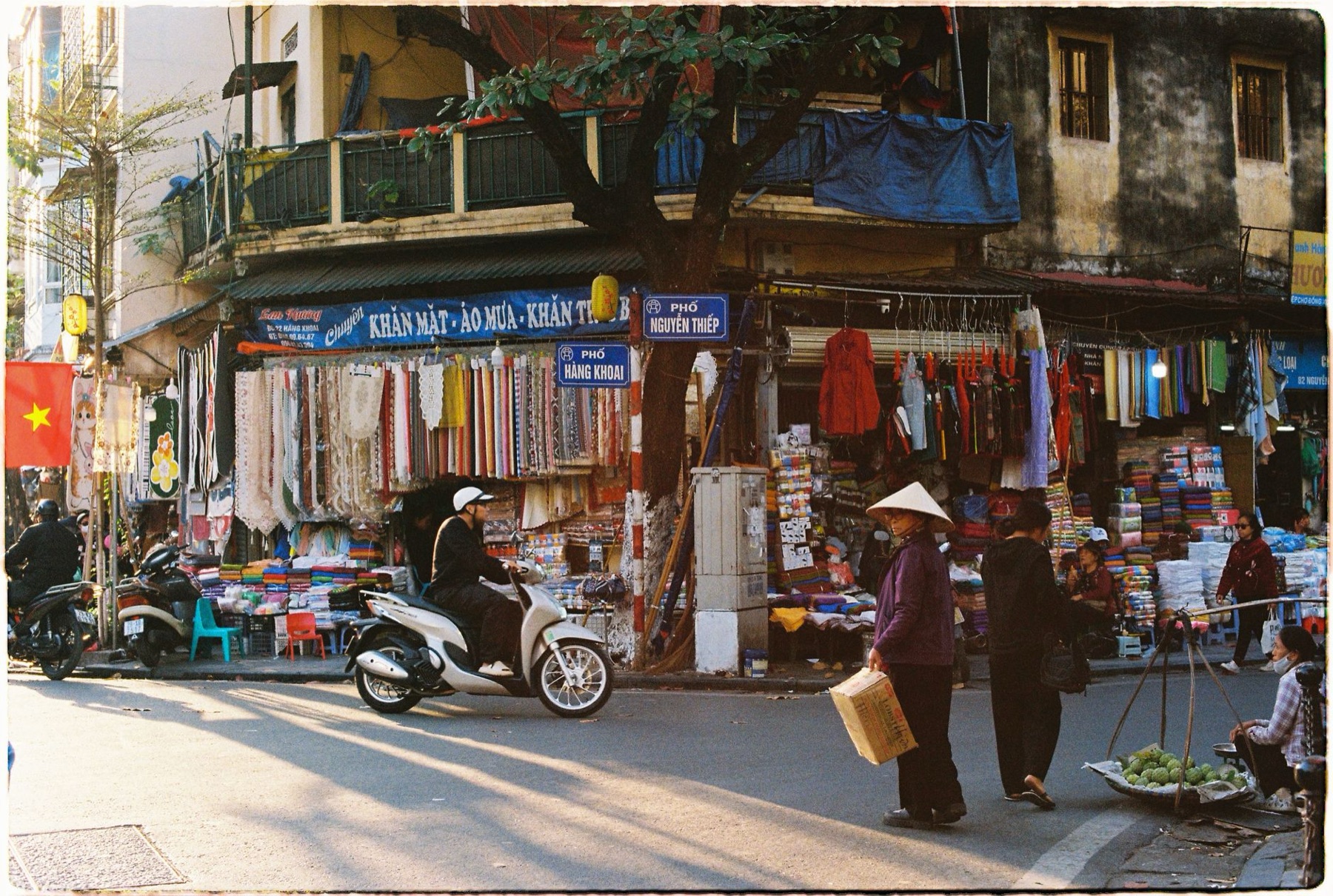
The Old Quarter (Hoan Kiem District) draws backpackers, short-term tourists, and chaos-lovers. Streets are cramped, motorcycles never sleep, but food is exceptional and cheap. Hotels here are mostly 3–4 storey converted shophouses; expect small rooms (12–16 m²), no lift, and noise until midnight. Budget guesthouses run 400–800k VND (around $16–32 USD) per night; mid-range stays 1–1.8M VND (around $40–72 USD).
French Quarter & Hoan Kiem Lake (the calmer side of Hoan Kiem District) hosts boutique hotels, colonial-era properties, and upscale chains. Rooms are larger, water is reliable, streets are quieter. You walk ten minutes to Lake Hoan Kiem's dawn tai chi crowds, but avoid the tourist-trap restaurants on the east shore. Expect 1.5–3M VND (around $60–120 USD) for decent mid-range; 4–8M+ VND (around $160–320+ USD) for four-star charm.
Ba Dinh District (northwest, near Ho Chi Minh Mausoleum) suits business travellers and those who want a residential feel. Less chaos, more Vietnamese families, good pho shops. Hotels are mid-range chains or converted villas; rooms 18–25 m², proper lifts, higher water pressure. Prices 1.2–2.5M VND (around $48–100 USD).
Tay Ho (West Lake) is where expats and upscale tourists rent. Lakeside walking paths, fewer touts, boutique cafes, and a calmer vibe. Hotels are pricier (2–6M+ VND / around $80–240+ USD) and smaller chain properties or renovated colonial villas. Noise is low, but you're 10–15 minutes by taxi from Old Quarter attractions.
Emerging areas: Ba Dinh's "creative zones" (near Hang Bai, Pham Huu Ty streets) and northern Hoan Kiem spots (near Cau Go, Thuong Tien) host newer, design-focused mid-range hotels at 1.3–2.2M VND (around $52–88 USD). Better value than lakeside, less noise than Old Quarter core.
How much should you really pay?
| Hotel type | Typical neighbourhood | Room size (m²) | Price range (VND) | Price (USD) | Who it's for |
|---|---|---|---|---|---|
| Budget guesthouse (fan, no window) | Old Quarter core | 10–14 | 350k–600k | ~$14–24 | Backpackers, very short trips |
| Budget + (private shower, small window) | Old Quarter, side streets | 14–18 | 600k–900k | ~$24–36 | Budget-conscious solo travellers |
| Mid-range 3-star (AC, hot water, small desk) | French Quarter, Ba Dinh, new zones | 16–22 | 1–1.8M | ~$40–72 | Couples, most tourists, 3–7 days |
| Upper mid-range 4-star (larger rooms, gym, café) | Tay Ho, French Quarter, Lake edge | 22–32 | 2–4M | ~$80–160 | Comfort-seekers, longer stays |
| Luxury (fine dining, spa, views, 24hr service) | Central Hoan Kiem, Tay Ho | 35–50+ | 4M–8M+ | ~$160–320+ | Business, anniversaries, splurge trips |
Reality check: A 800k VND (around $32 USD) Old Quarter guesthouse will have a shower stall the size of a filing cabinet and no lift. A 1.5M VND (around $60 USD) French Quarter hotel feels spacious and calm by comparison. The jump from 1M to 1.8M (around $40–72 USD) in the same neighbourhood is often just better maintenance and breakfast, not a different room. Luxury starts visibly at 3.5M+ (around $140+ USD).
🗺️ Plan your route: Vietnam itinerary
What actually goes wrong and how to avoid it?
Water pressure & temperature: Many converted shophouse hotels have weak showers and inconsistent hot water, especially mid-range budget places. Check recent guest photos for bathroom close-ups—if you see a pathetic showerhead, skip it. Ask the reception for water pressure on your booking call; honest staff will admit if it's weak.
Noise (motorcycles, karaoke, construction): Old Quarter properties face streets where bikes honk 24/7 and ground-floor bars/karaoke never quiet. Request a high floor away from street-facing windows. Bring earplugs. Tay Ho and Ba Dinh are genuinely quieter.
Mould and damp: Hanoi's summer humidity (May–September) kills poorly ventilated rooms. Avoid basements or internal rooms with no windows. Insist on AC that works and check for black spots on walls in guest photos.
Hidden charges & overbooking: Some guesthouses levy "airport fees" (200–300k VND / around $8–12 USD) not listed online, or claim full occupancy and downgrade you at check-in. Book via the hotel's direct website or call them directly; avoid third-party sites during peak season (October–March). Read cancellation terms carefully—many budget places have non-refundable rates.
Touts & fake "tours": Hotel staff in budget places sometimes earn kickbacks for steering you to overpriced tours or restaurants. Say "no thanks" firmly; don't ask your hotel for recommendations if you want honest ones. Use Wander in Vietnam's guide instead.
Taxi from airport: Always use Hanoi Airport's official taxi rank (white taxis, meter visible). Some hotels arrange unofficial taxis at inflated rates. A legitimate ride to Old Quarter costs around 250–350k VND (around $10–14 USD), not 500k+.
Booking checklist: What to verify before you pay
- Call the hotel directly (not via booking site) to confirm the rate, cancellation policy, and check-in time. Prices on sites lag; direct rates are often lower.
- Search "[hotel name] 2026" on Google Images to see recent guest photos (not just the glossy hotel pics). Look for bathroom condition, window light, and actual room size.
- Read the 3–4 star reviews only, not the 5 and 1 star extremes. Mid-range reviews show real experience.
- Ask about water pressure, noise, and WiFi speed before booking. A 500-word positive review means nothing if the shower is pathetic.
- Confirm breakfast inclusion and timing. Some claim breakfast but offer only coffee and one pastry; others serve until 11am, which is useless if you want dawn.
- Check the cancellation deadline. If you book 4 months ahead at a non-refundable rate, you're locked in. Flexible rates are worth the extra 100–200k VND (around $4–8 USD).
- Verify location on Google Maps yourself. "5 minutes to Hoan Kiem Lake" on foot is different from "5 minutes by taxi."
- Ask if they hold luggage after checkout. For airport departures in the afternoon, this matters; some hotels charge extra.
📸 Book an ao dai photoshoot in Hanoi or Saigon (Cáo Studio)
Should you book direct, via Agoda/Booking, or use a travel agent?
Direct booking (hotel website or phone) usually offers the best rate—no platform commission. Cancellation terms are often more flexible if you negotiate. Call and ask: "What's your lowest rate for these dates, and can you offer free cancellation until 7 days before?" Many will say yes to avoid platform commissions.
Agoda/Booking.com are fastest, show instant confirmations, and cover you if the hotel cancels. Prices are 5–15% higher than direct because of platform fees. Use them if you want zero-effort refunds or are booking last-minute (sites have more inventory).
Local travel agents (ask Wander in Vietnam or Facebook groups like "Hanoi Expat Network") can negotiate group rates or access deals on small hotels not listed online. Useful only for groups or very specific requests.
In-person negotiation: If you're in Hanoi and walk into a guesthouse, you can often haggle 10–15% off the listed rate for a 3+ night stay, especially in low season (May–August, November–December). Speak to the manager, not reception.
Timing: When prices peak and how to save
Peak season (October–March): Hanoi fills with Europeans and North Americans. Expect 15–25% price premiums and 2–3 week advance bookings a must. Book in August for October, or in early September for November–January. Old Quarter properties sell out fastest.
Shoulder (April, September): Prices drop 10–20% from peak. Weather is hot and humid but manageable if you go in early April. September has rain but fewer tourists.
Low season (May–August, December 24–January 1): Hanoi is swampy and hot (35–38°C), but hotels cut rates by 30–40%. Useful only if heat doesn't scare you. Christmas/New Year week is packed even in summer.
Pro move: Book a mid-range hotel (1.2–1.8M VND / around $48–72 USD) in shoulder season instead of a budget hotel in peak. You get a nicer room, better water, and spend less overall.
🎟️ Compare tours & tickets for this place
What to do before you arrive
Once you've booked, email the hotel 2 weeks and 1 week before arrival with these details:
- Your flight time and airline (they'll know if taxis are surge-priced).
- Any dietary needs for breakfast.
- Request a higher floor, away from street, if noise matters to you.
- Ask if they can store luggage safely if you're taking a Ha Long Bay or Sapa overnight trip mid-stay.
Ask if they have a SIM card or can help you buy a local one, or bring a Vietnam eSIM from home to avoid airport markup.
For photo memories during your stay, consider booking a professional ao dai photoshoot in Hanoi (Cáo Studio) to capture your visit in traditional dress. Hair and makeup are included.
If you're extending to other regions, check our guides for Ho Chi Minh City hotels, Hoi An stays, or the Ninh Binh area. Each has different booking logic based on tourism spread.
FAQ
Is the Old Quarter really as noisy as people say?
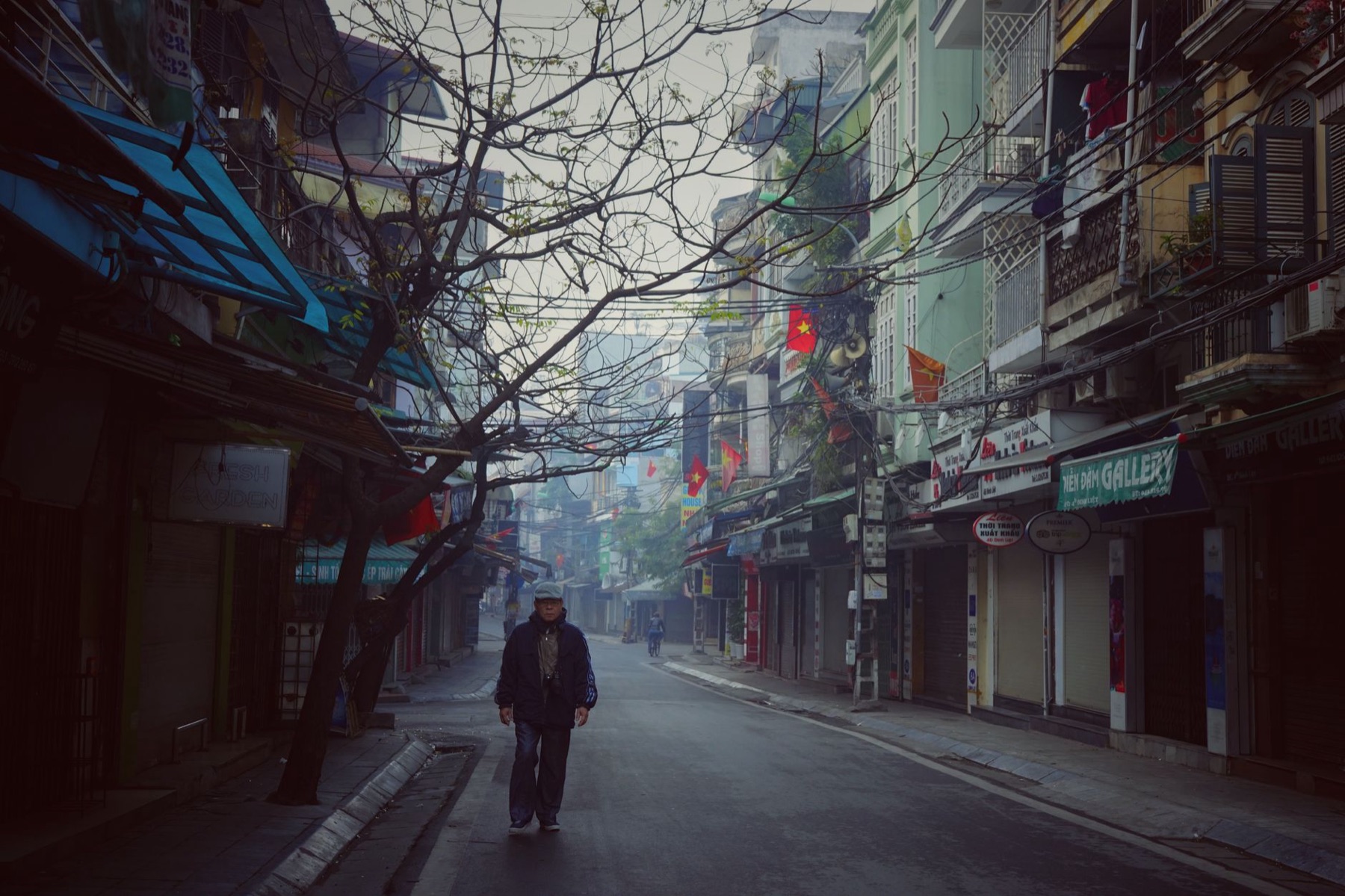
Yes, especially ground and first floors facing main streets (Hang Bac, Ta Hien, Cau Go). Motorbikes honk 6am–11pm; bars play loud music. Upper-floor rooms or side-street hotels (Thuong Tien, Cau Go lane offshoots) are quieter. Earplugs are essential; some travellers love the energy, others regret it.
Should I book a hotel with "free breakfast"?
Only if recent reviews confirm it's decent (bread, cheese, fruit, coffee beyond 8am). Many budget places serve instant noodles and one pastry for 15 minutes. Mid-range and up usually offer a real spread. If breakfast matters, ask the hotel to describe it before booking.
What's the difference between "3-star" and "upper mid-range"?
Hotel stars in Vietnam are informal; "3-star" ranges 800k–1.8M VND. Upper mid-range (2–3M VND / around $80–120 USD) has consistent AC, a proper desk, gym access, and responsive staff. It's the same property class but the higher price tier filters out the budget clutter and water-pressure problems.
Can I negotiate the rate if I arrive without a booking?
Yes, but only in low season (May–August, late November). Walk-in rates are 10–20% off posted rates at guesthouses and mid-range hotels. In peak season (October–March), you risk finding nothing available. Risky for first-time visitors; book ahead.
Is WiFi reliable in Hanoi hotels?
Mid-range and above? Usually. Budget guesthouses often share bandwidth between 20+ rooms; you might get 1–2 Mbps at night. If you work remotely, ask about WiFi speed (Mbps) before booking, not after. Carry a Vietnam eSIM or portable hotspot as backup.
Do I need travel insurance before booking a hotel?
No, but it covers cancellations due to illness or flight changes. Book refundable rates if unsure. Insurance (usually $20–50 USD for a week) is cheaper peace of mind than losing a non-refundable deposit.
FAQ
Is the Old Quarter really as noisy as people say?
Yes, especially ground and first floors facing main streets (Hang Bac, Ta Hien, Cau Go). Motorbikes honk 6am–11pm; bars play loud music. Upper-floor rooms or side-street hotels (Thuong Tien, Cau Go lane offshoots) are quieter. Earplugs are essential; some travellers love the energy, others regret it.
Should I book a hotel with "free breakfast"?
Only if recent reviews confirm it's decent (bread, cheese, fruit, coffee beyond 8am). Many budget places serve instant noodles and one pastry for 15 minutes. Mid-range and up usually offer a real spread. If breakfast matters, ask the hotel to describe it before booking.
What's the difference between "3-star" and "upper mid-range"?
Hotel stars in Vietnam are informal; "3-star" ranges 800k–1.8M VND. Upper mid-range (2–3M VND / around $80–120 USD) has consistent AC, a proper desk, gym access, and responsive staff. It's the same property class but the higher price tier filters out the budget clutter and water-pressure problems.
Can I negotiate the rate if I arrive without a booking?
Yes, but only in low season (May–August, late November). Walk-in rates are 10–20% off posted rates at guesthouses and mid-range hotels. In peak season (October–March), you risk finding nothing available. Risky for first-time visitors; book ahead.
Is WiFi reliable in Hanoi hotels?
Mid-range and above? Usually. Budget guesthouses often share bandwidth between 20+ rooms; you might get 1–2 Mbps at night. If you work remotely, ask about WiFi speed (Mbps) before booking, not after. Carry a [Vietnam eSIM](/vietnam/esim) or portable hotspot as backup.
Do I need travel insurance before booking a hotel?
No, but it covers cancellations due to illness or flight changes. Book refundable rates if unsure. Insurance (usually $20–50 USD for a week) is cheaper peace of mind than losing a non-refundable deposit.