Hanoi · Where to stay
Hotels in Hanoi: Where to Stay by Budget, District & Style
By Wander in Vietnam editorial team · Hanoi, Vietnam
Hanoi's hotel landscape splits cleanly by district, price point, and traveller type. Most visitors end up in one of four zones: the Old Quarter (chaotic, central, cheap), Ba Đình (government district, less noise, walking distance to key sites), Tây Hồ (West Lake, upscale, serene), or Dong Da (real neighbourhood, emerging cafes, few tour buses). Picking the wrong area wastes time and money; picking right saves both.
We've stayed in and tested dozens of properties across Hanoi. Here's how to choose, what to avoid, and what actually works.
---
Which neighbourhood should I stay in?
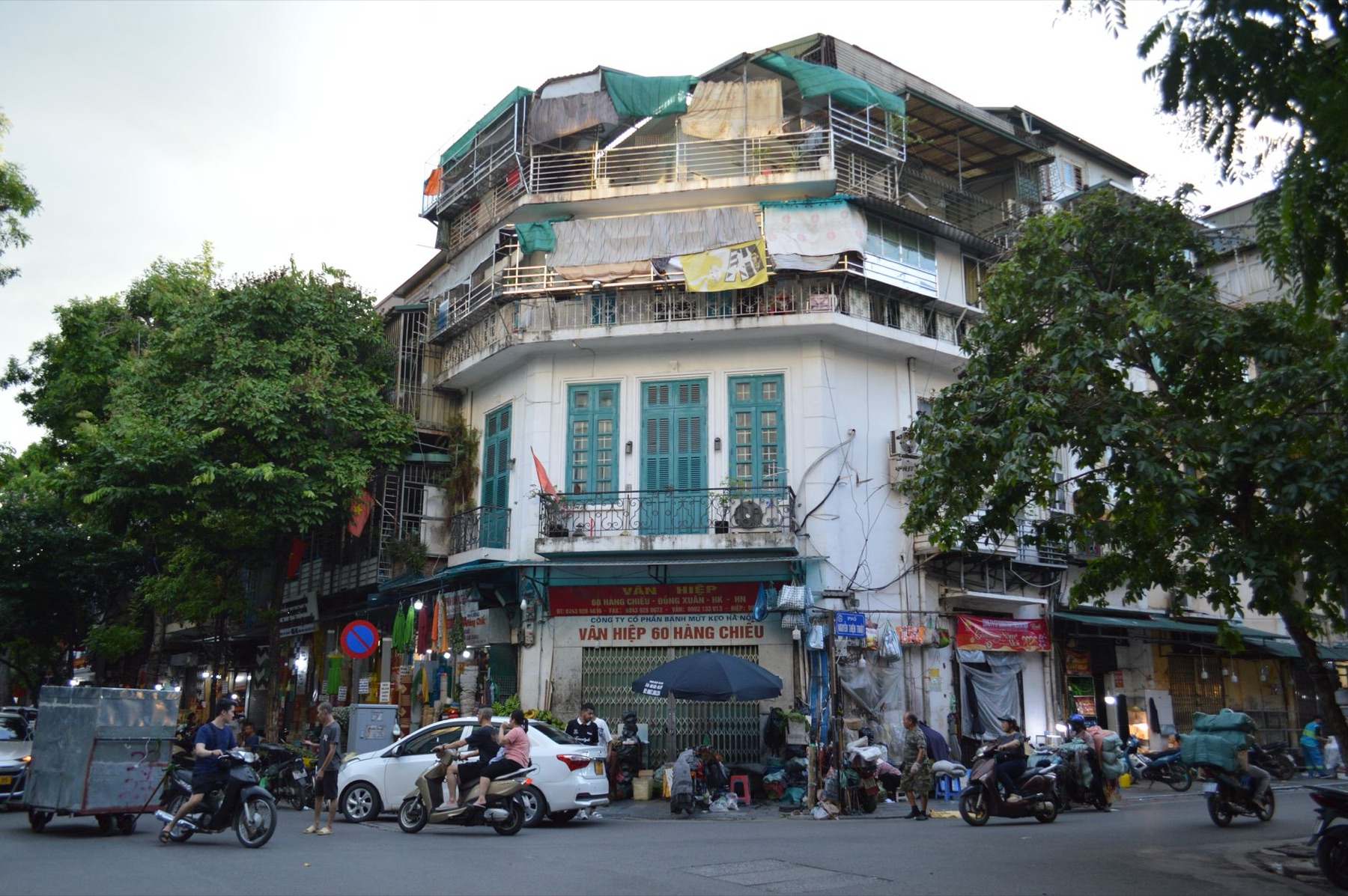
Old Quarter (Hoàn Kiếm) is the default choice: narrow streets, night markets, thousands of eating options, and a traveller infrastructure that's 25 years old. Noise, humidity in summer, and pickpocket crowds are real trade-offs. You're a 5–10 minute walk from Hoàn Kiếm Lake and Temple of Literature.
Ba Đình, west of the Old Quarter, feels calmer. Ho Chi Minh Mausoleum, the One Pillar Pagoda, and French colonial architecture are here. It's 15–20 minutes on foot to main attractions, or a 3-minute taxi ride (around 30,000 VND / $1.20). Fewer drunk backpackers, better sleep.
Tây Hồ (West Lake) is where Hanoi's wealthy and long-term expats live. Upscale hotels, craft coffee shops, flower vendors, and a 7 km cycling path around the lake. Zero nightlife, higher prices, and a 20-minute taxi to the Old Quarter's chaos.
Dong Da borders the Temple of Literature and has emerged as a quiet alternative. Local noodle shops, vintage bookstores, and university energy. Hotels here cater to repeat visitors and couples, not 20-person dorm tours.
---
How much should you expect to spend per night?
| Hotel Type | Neighbourhood | Price (VND) | Price (USD) | Best For |
|---|---|---|---|---|
| Basic guesthouse | Old Quarter | 300k–600k | $12–$24 | Solo backpackers, tight budgets |
| Simple 2–3-star | Ba Đình, Dong Da | 500k–1.2M | $20–$48 | Couples, families wanting quiet |
| Comfortable 3–4-star | Old Quarter, Ba Đình | 1.2M–2.5M | $48–$100 | Groups, business travellers |
| Upscale 4–well-made | Tây Hồ, near Hoàn Kiếm | 2.5M–6M+ | $100–$240+ | Honeymoons, luxury seekers |
Mid-range properties (1–2M VND / $40–$80) offer the best value in Hanoi. Most include a basic breakfast, reliable Wi-Fi, and air conditioning. You avoid the noise and theft risk of ultra-cheap dorms, and you're not overpaying for a branded chain.
---
What matters most when comparing hotel listings?
Water pressure and hot water. Hanoi's older buildings struggle here. Many hotels have weak showers or erratic heating. Ask in reviews or the chat feature whether hot water is consistent during peak morning hours.
Breakfast quality. A free Vietnamese breakfast of bánh mì, egg, coffee, and fruit is genuine value. A stale croissant and instant coffee isn't. Check what the property actually serves, not what their marketing says.
Noise isolation. Old Quarter hotels often face the street. Taxis honk. Motorbikes rev. Karaoke bars pump until 1 a.m. Request a room on a higher floor, away from the main road. Worth paying 100,000–200,000 VND extra.
Distance to public transport. Hanoi's Bus Rapid Transit (BRT) system connects Ba Đình and Dong Da efficiently. If you're not renting a motorbike or taking taxis, proximity to a BRT stop is practical.
Motorbike rental and tour booking. Many hotels offer these services in-house. Check if rates are competitive (a motorbike should be 150,000–250,000 VND / $6–$10 per day) and whether tours are transparent (avoid "free tour" traps where tips are mandatory).
---
Which hotels offer the best value, and what are common pitfalls?
Value plays:
Mid-range 3-star properties in Ba Đình and Dong Da consistently deliver more sleep, less hassle, and real bathrooms for 1–1.5M VND. They're not Instagram-worthy, but they work.
Older French colonial–style hotels near the Temple of Literature in Ba Đình area have character, quieter vibes, and prices comparable to mediocre Old Quarter chains.
Pitfalls to avoid:
"Free" tours: Many hotels push you toward free walking tours where guides expect 200,000+ VND tips. The content is recycled. Pay directly for a proper guide instead (around 400,000–600,000 VND / $16–$24 for half-day, small group).
Inflated restaurant markups: Hotel restaurants charge 2–3× street prices. Eat out.
Fake booking confirmations: Always book directly with the hotel or use Booking.com, Agoda, or similar. Scammers clone hotel websites and pocket deposits.
"Central" claims: Marketing calls anything within 2 km of Hoàn Kiếm Lake "central." It's not a 20-minute walk. Check a map.
🗺️ Plan your route: Vietnam itinerary
---
How do cancellations, deposits, and policies actually work?
Most Hanoi hotels require a booking. Free cancellation up to 7 days before arrival is standard for mid-range properties. Budget guesthouses often demand a non-refundable deposit (30–50%) at booking; luxury chains allow cancel-free stays if you book direct.
When you book, you'll receive a confirmation email with a reservation code. Screenshot it and note the hotel's direct phone number (often listed below the booking). Hanoi's power cuts and internet glitches are rare but possible; having both digital and written records saves hours.
Check-in is typically 2 p.m.; checkout 11 a.m. or noon. If you arrive early and your room isn't ready, ask for luggage storage. Most hotels hold bags for free until evening.
Some properties charge for late checkout (50,000–150,000 VND / $2–$6 per hour). Ask upfront if your flight leaves in the afternoon.
---
What to check before you book—a real checklist
- [ ] Read 3–5 recent reviews (within the last month) on Booking.com or Agoda. Look for mention of water, noise, and staff friendliness, not just decor.
- [ ] Ask the hotel directly: "Is hot water available 6–9 a.m.? Is breakfast included? What's the real cancellation policy?"
- [ ] Verify the exact address on Google Maps. Some listings are off by a street or two.
- [ ] Check what's nearby: supermarket, convenience store, restaurant, BRT stop. Use Maps to measure walking time to your priority sites.
- [ ] Confirm the price includes tax and fees. Hanoi's VAT is 10%; some platforms show final prices, others don't.
- [ ] If booking direct, email or call to confirm. Don't rely on their website form alone (data loss happens).
- [ ] Assess noise risk: Are you on a main street? Higher floors (3+) and side-facing rooms are quieter.
- [ ] Know the refund timeline. If cancelling, ask how long repayment takes (typically 3–7 business days).
---
How does shipping and payment work?
This isn't a product you ship; you're booking a stay. Payment happens either upfront (full prepayment) or at arrival (deposit only). Most platforms accept Visa, Mastercard, and PayPal. Vietnamese banks also offer local payment options via Booking.com's app.
If paying by international card, expect a foreign exchange fee of 1–3% added by your bank. Paying in VND via local transfer (if available) is sometimes cheaper, but it's not commonly offered to tourists.
If you're gifting a stay to someone, consider a gift card or a direct booking confirmation sent to their email. Hanoi hotels don't sell e-gift cards, but you can prepay and send them the details.
📸 Book an ao dai photoshoot in Hanoi or Saigon (Cáo Studio)
---
What should you pack for a Hanoi hotel stay?
Earplugs. A power adapter (Vietnam uses 220V, Type A/C plugs). A light scarf or wrap for aggressive air conditioning (hotels run cooling hard). Flip-flops (you'll remove shoes often). A portable charger.
Many hotels provide toiletries, but bring your own deodorant, sunscreen, and any medications. Pharmacy availability is excellent, but prices are high for foreign brands.
Mosquito repellent helps. Dengue and other mosquito-borne illnesses exist, especially in summer. Sleep in long clothes or request mosquito nets (many older hotels still have them).
---
🎟️ Compare tours & tickets for this place
---
Next steps:
- Pick a neighbourhood based on your priorities (noise vs. nightlife vs. calm).
- Read reviews from the last 30 days on Booking.com or Agoda. Ignore old reviews.
- Email the hotel with your top three questions.
- Cross-check the address on Google Maps.
- Book direct if the rate matches the platform (saves refund delays).
- Screenshot everything and save the hotel's phone number.
If Hanoi is part of a longer trip, read our guides to Hoi An, Ha Long Bay, Ninh Binh, and Sapa to plan transitions. For visa and connectivity, check Vietnam e-visa and eSIM for Vietnam before you arrive.
FAQ
Are Old Quarter hotels actually worth it, or is the noise a dealbreaker?
Noise is real: motorbike horns, late-night karaoke, and foot traffic 24/7. Some travellers love the energy; others hate it. Request a top-floor room facing away from the main street. Ba Đình or Dong Da are quieter alternatives at similar prices. Test one night before committing.
Should I book directly with the hotel or through a platform?
Platforms offer buyer protection and sometimes lower rates. Direct bookings skip fees but put responsibility on you. Both work. Use platforms if you want a dispute channel; book direct if the property offers a better deal and you've verified their legitimacy.
What's the real difference between a "3-star" and a "4-star" hotel here?
Star ratings are vague in Vietnam. A 3-star might have a sit-down breakfast and a lobby; a 4-star adds a gym, room service, and better linens. Read reviews, not stars. A well-reviewed 3-star often beats a mediocre 4-star.
Can I negotiate the price if I book for a week or longer?
Yes, especially for properties under 4-star status. Call the hotel directly and mention length of stay. Expect 10–20% discount for 7+ days. Platforms rarely offer this flexibility.
Is it safe to walk from the hotel to restaurants at night?
Hanoi is generally safe for tourists. Stick to main streets, avoid dark alleys, and don't flash expensive phones or cameras. Taxis are cheap (30,000–50,000 VND / $1–$2 for short rides); use them after 11 p.m. if unsure.
FAQ
Are Old Quarter hotels actually worth it, or is the noise a dealbreaker?
Noise is real: motorbike horns, late-night karaoke, and foot traffic 24/7. Some travellers love the energy; others hate it. Request a top-floor room facing away from the main street. Ba Đình or Dong Da are quieter alternatives at similar prices. Test one night before committing.
Should I book directly with the hotel or through a platform?
Platforms offer buyer protection and sometimes lower rates. Direct bookings skip fees but put responsibility on you. Both work. Use platforms if you want a dispute channel; book direct if the property offers a better deal and you've verified their legitimacy.
What's the real difference between a "3-star" and a "4-star" hotel here?
Star ratings are vague in Vietnam. A 3-star might have a sit-down breakfast and a lobby; a 4-star adds a gym, room service, and better linens. Read reviews, not stars. A well-reviewed 3-star often beats a mediocre 4-star.
Can I negotiate the price if I book for a week or longer?
Yes, especially for properties under 4-star status. Call the hotel directly and mention length of stay. Expect 10–20% discount for 7+ days. Platforms rarely offer this flexibility.
Is it safe to walk from the hotel to restaurants at night?
Hanoi is generally safe for tourists. Stick to main streets, avoid dark alleys, and don't flash expensive phones or cameras. Taxis are cheap (30,000–50,000 VND / $1–$2 for short rides); use them after 11 p.m. if unsure.
More: Hanoi guide · Where to stay in Hanoi