Ho Chi Minh City · Where to stay
Hotels in Ho Chi Minh City: Types, Prices & Booking Guide
By Wander in Vietnam editorial team · Hanoi, Vietnam
Ho Chi Minh City's hotel landscape spans dense central districts packed with backpackers, sprawling riverside resorts, and emerging hospitality zones in Binh Thanh and District 7. Whether you're a first-timer or returning traveller, the choice of where to sleep shapes your entire experience—commute times, access to food, nightlife, and how you'll explore the city.
We've stayed across districts, walked neighbourhoods at different hours, and talked to hundreds of guests about what worked and what didn't. Here's what you need to know.
Which districts have the most hotels, and what's each like?
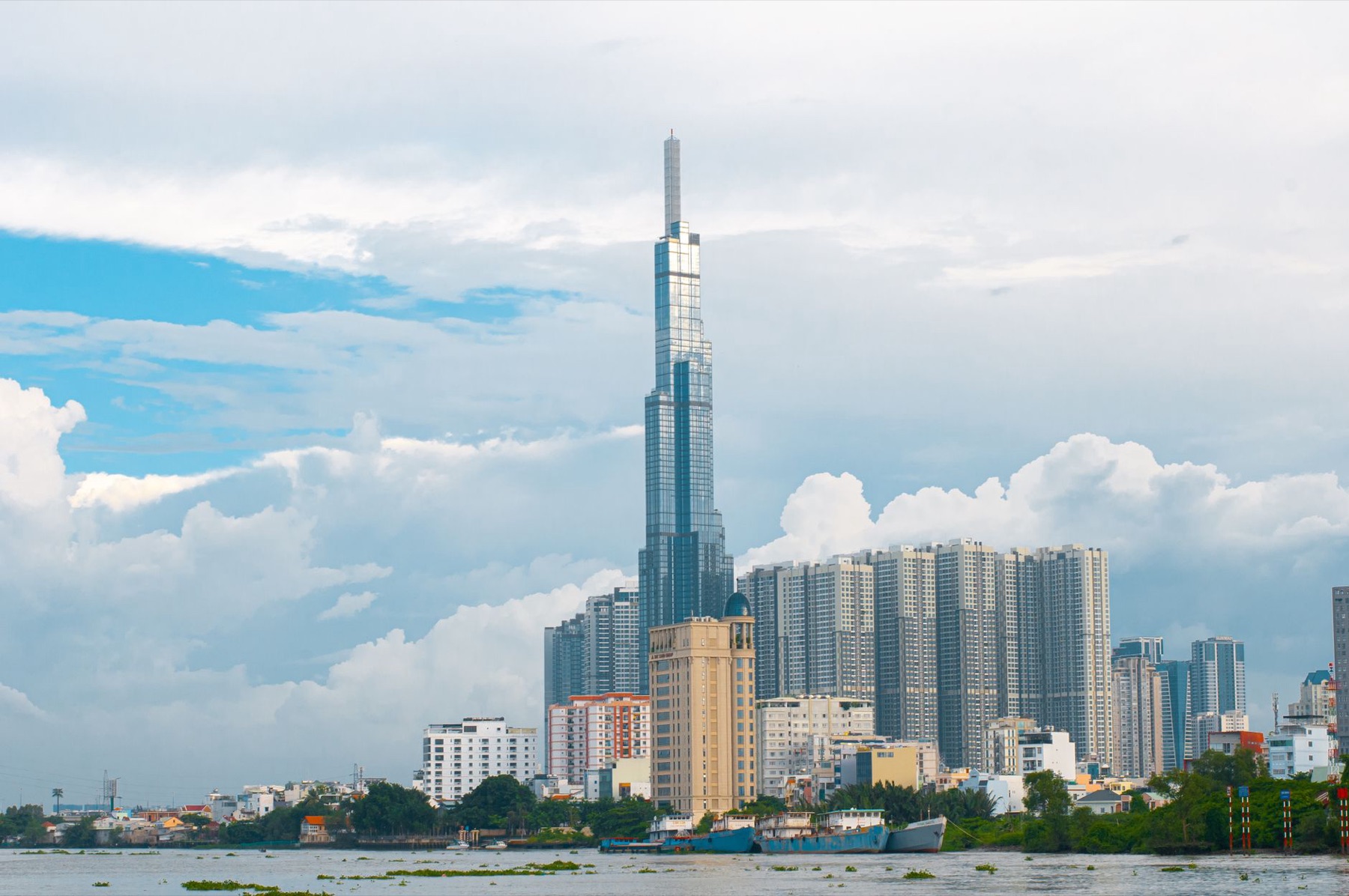
District 1 (Ben Nghe ward) is the obvious choice: it's central, walkable, and packed with dining, bars, and tourist services. Hotels here range from $20–150+ USD per night depending on amenities. Foot traffic is constant; noise from motorbikes and vendors peaks 6 a.m.–9 p.m. District 3 (near Nguyen Hue area) offers quieter streets, cheaper rates ($15–50 USD), and a local vibe. Binh Thanh (east side, around Thao Dien ward) has newer mid-range properties ($50–90 USD), shopping malls, and fewer tourists—better if you're staying 5+ days. District 4 (Thao Dien riverside) has upscale resorts ($100–250+ USD) with pools and gardens; it's 15–20 minutes from District 1 by taxi.
What's the real cost difference between budget, mid-range, and luxury?
Use this table to compare what you actually get for your money:
| Category | Nightly Rate (USD) | Location | Room Size | Breakfast | Common Amenities | Best For |
|---|---|---|---|---|---|---|
| Budget | $15–30 | D1, D3 | 12–16 m² | No (café nearby) | Fan, shared bath or private, WiFi | Backpackers, short stays, tight budgets |
| Mid-Range | $40–80 | D1, Binh Thanh, D4 | 18–28 m² | Often included | AC, pool/gym, front desk 24/7, tour desk | Families, couples, 3–7 day trips |
| Luxury | $120–300+ | D1 central, D4 riverside | 30–50+ m² | Always included | Spa, restaurant, business centre, airport transfer | Long stays, special occasions, business |
Why the gaps? Budget rooms lack air conditioning reliability, maid service, or safety deposit boxes. Mid-range adds consistency: reliable WiFi, daily cleaning, English-speaking staff. Luxury means reliability plus concierge knowledge, gym access, and breakfast variety (not just bread and eggs).
Real costs to know: Airport transfer (Tan Son Nhat to D1) by taxi costs around $15–20 USD; hotel-arranged transfer $25–35 USD. Budget hotels rarely offer this. Breakfast in a mid-range hotel ($5–8 USD value) can save you money if you eat slowly; luxury breakfasts ($12+ USD) are often padded.
🗺️ Plan your route: Vietnam itinerary
How do I pick a hotel without visiting first?
Read reviews, but ignore outliers (one well-made, one 1-star). Focus on reviews from your own nationality—a UK traveller's "loud" might be a Thai traveller's "normal." Check:
- Photos: Are they recent (last 6 months)? Do they show the actual corridor and bathroom?
- WiFi speed: Search "[hotel name] WiFi" in reviews. 10 Mbps is decent; under 5 Mbps will frustrate you.
- Room size: Ask via email before booking. "We have single rooms at 14 m² and double rooms at 22 m²." Smaller = noisier.
- Location accuracy: Use Google Maps to count motorbikes and foot traffic past the hotel. Zoom in on street view.
- Checkout flexibility: Budget hotels often charge extra for late checkout (one hour = $2–5 USD). Ask when booking.
- Noise windows: Ask what time rooms are cleaned (usually 10 a.m.–1 p.m.). Avoid booking on checkout day if you need quiet.
Avoid these mistakes:
- Booking based on price alone (you'll overpay in transport time and frustration).
- Trusting star ratings without reading 10+ reviews.
- Not verifying address on Google Maps (some listings have old addresses).

What amenities actually matter vs. which are marketing fluff?
Essential:
- Working AC (test it before accepting the room; heat + humidity = mould risk).
- Secure WiFi (ask for the router model; TP-Link and D-Link are standard).
- Shower pressure (low pressure = 15 minutes to rinse off motorbike dust).
- Hot water (yes, even in tropical heat; you'll need it for some mornings).
Nice-to-haves that save money:
- In-room kettle + tea/coffee (saves $2 USD per coffee run).
- Fridge (store bottled water, leftover food, reduce convenience-store trips).
- Desk with lamp (if you're working or journaling).
Marketing fluff (often missing or poorly maintained):
- "Rooftop bar" (often just a small terrace, overpriced drinks).
- "Fitness centre" (usually one treadmill and dusty weights).
- "Spa" (budget hotels: just a room with a massage bed; mid-range: 1–2 staff, limited treatments).
Real value adds:
- Free airport transfer (saves $25–35 USD and eliminates taxi-scam risk).
- Included SIM card or eSIM setup assistance (saves time on day 1; see Vietnam eSIM guide for details).
- Staff who speak English fluently (worth $10–20 USD per day in saved translation time).
📸 Book an ao dai photoshoot in Hanoi or Saigon (Cáo Studio)
How do seasons and booking windows affect price and availability?
Peak season (November–January): Prices rise 20–40%. Book 4–6 weeks ahead. Hotels fill 80–95% occupancy. Rooms are clean but you'll share elevators and breakfasts with crowds.
Shoulder season (March–April, August–September): Prices normal (+/– 10%). Book 2–3 weeks ahead. Fewer tourists; better service. September is rainy but cheaper. March is hot and dry.
Low season (May–August, October): Prices drop 10–30%. Book 1–2 weeks ahead. Lots of availability. Expect: humidity, rain (afternoon showers 2–4 p.m.), and negotiation room for week+ stays ("Can you offer a discount for 7 nights?").
Tip: Book Tuesday–Thursday for better rates (weekend demand is factored in). Call the hotel directly after booking online; staff often honour lower rates they've seen elsewhere.
What should I check before paying?
Cancellation policy: Free cancellation up to 7 days before = safe. Non-refundable = risky unless the price is 30%+ lower. Ask: "If I cancel 3 days before, what do I lose?"
Taxes and fees: A $50 USD rate often becomes $58–62 USD after city tax (5–10%) and resort fee ($2–5 USD). Read the booking confirmation line by line.
Hidden costs to clarify by email:
- WiFi (usually free; confirm).
- Parking (if you rent a motorbike: $2–5 USD/night).
- Breakfast (included, or à la carte?).
- Late checkout (time and cost).
Currency: Most hotels accept USD and VND. Credit card payments may incur a 3–4% processing fee. Pay in VND if you have cash (slightly better rate).
Booking platform trust: Agoda and Booking.com are standard; they have dispute resolution. Direct hotel websites sometimes offer "best rate guarantees" but less protection if something goes wrong. We recommend booking directly after checking Booking.com reviews, then calling the hotel to confirm.
---
Compare your options for your dates:
| What You Need | Hotel Type | Neighbourhood | Why Pick It |
|---|---|---|---|
| Total budget < $100/night for 3 days | Budget | D1 or D3 | Walk to everything; no need for transport |
| Comfort + convenience, $60–100/night, 5 days | Mid-range | Binh Thanh or D1 | Pool, gym, consistent service, quieter |
| Special occasion, riverside views, no budget constraint | Luxury | D4 or D1 central | Spa, fine dining, concierge, memorable |
🎟️ Compare tours & tickets for this place
Once you've chosen your hotel, check our Ho Chi Minh City guide for neighbourhood-specific dining, transport, and what to see. Staying longer? Explore nearby areas via Nha Trang day trips, Ha Long Bay, or Ninh Binh as extensions.
---
What to Check Before You Buy
- Confirm exact address on Google Maps (prevents wrong-neighbourhood bookings).
- Email the hotel directly asking for: room size, WiFi speed, noise level, cancellation terms.
- Read 10+ recent reviews on Booking.com or Agoda, filtering by your nationality and trip length.
- Check the cancellation deadline before clicking purchase; set a phone reminder 7 days out.
- Ask about airport transfer cost and whether it's included; compare to Grab taxi (cheaper but less reliable with luggage).
- Verify breakfast details: time window, buffet or room service, dietary options available.
FAQ
Is booking directly cheaper than using Agoda or Booking.com?
Rarely. Booking platforms and hotels negotiate volume discounts that offset commission. Call the hotel after booking to negotiate a discount if you're staying 7+ nights; they may match or beat the online rate to avoid the platform fee. Always read the cancellation policy—direct bookings sometimes have stricter terms.
What's the cheapest neighbourhood, and is it safe?
District 3 and parts of District 1 (south of Nguyen Hue) have budget hotels from $15–25 USD. Both are safe day and night; petty theft (phone, bag) is the only real risk. Avoid walking alone 11 p.m.–5 a.m. with visible valuables. Staying in District 1 east (Ben Nghe ward) near the river is busier but safer due to foot traffic.
Should I book now or wait closer to my travel date?
Book now if you're coming November–January (peak season fills fast). For March–October, waiting until 3 weeks before can save 10–20% and gives you flexibility. Don't wait past 7 days (cancellation policies tighten). Use Google Flights price tracking to watch hotel costs on your chosen dates.
Do I need travel insurance if the hotel falls through?
No—booking platforms and credit cards offer dispute resolution. If a hotel cancels your reservation, platforms refund you immediately. Credit card chargeback (last resort) protects you for billing disputes. Travel insurance covers medical emergencies and flight delays, not hotel overbooking. Get it separately if concerned about those risks.
What's the difference between a "resort" and a "hotel" in Ho Chi Minh?
Resorts (usually D4, District 7) have grounds, pools, restaurants, and spa; they're 15+ minutes from central attractions. Hotels (D1, D3) are in buildings, walkable to food and shops, busier. Resorts suit relaxation and families; hotels suit first-time visitors and solo travellers who want to explore on foot.
Can I negotiate the rate if I arrive without a booking?
Yes, especially low season (May–September). Walk-in rates are often 10–30% lower than online. However, you'll waste 1–2 hours checking rooms and risk full occupancy. Book online first; if you find a cheaper rate in-person, ask the hotel to honour it. Loyalty (staying 3+ nights) works better than bare negotiation.
FAQ
Is booking directly cheaper than using Agoda or Booking.com?
Rarely. Booking platforms and hotels negotiate volume discounts that offset commission. Call the hotel after booking to negotiate a discount if you're staying 7+ nights; they may match or beat the online rate to avoid the platform fee. Always read the cancellation policy—direct bookings sometimes have stricter terms.
What's the cheapest neighbourhood, and is it safe?
District 3 and parts of District 1 (south of Nguyen Hue) have budget hotels from $15–25 USD. Both are safe day and night; petty theft (phone, bag) is the only real risk. Avoid walking alone 11 p.m.–5 a.m. with visible valuables. Staying in District 1 east (Ben Nghe ward) near the river is busier but safer due to foot traffic.
Should I book now or wait closer to my travel date?
Book now if you're coming November–January (peak season fills fast). For March–October, waiting until 3 weeks before can save 10–20% and gives you flexibility. Don't wait past 7 days (cancellation policies tighten). Use Google Flights price tracking to watch hotel costs on your chosen dates.
Do I need travel insurance if the hotel falls through?
No—booking platforms and credit cards offer dispute resolution. If a hotel cancels your reservation, platforms refund you immediately. Credit card chargeback (last resort) protects you for billing disputes. Travel insurance covers medical emergencies and flight delays, not hotel overbooking. Get it separately if concerned about those risks.
What's the difference between a "resort" and a "hotel" in Ho Chi Minh?
Resorts (usually D4, District 7) have grounds, pools, restaurants, and spa; they're 15+ minutes from central attractions. Hotels (D1, D3) are in buildings, walkable to food and shops, busier. Resorts suit relaxation and families; hotels suit first-time visitors and solo travellers who want to explore on foot.
Can I negotiate the rate if I arrive without a booking?
Yes, especially low season (May–September). Walk-in rates are often 10–30% lower than online. However, you'll waste 1–2 hours checking rooms and risk full occupancy. Book online first; if you find a cheaper rate in-person, ask the hotel to honour it. Loyalty (staying 3+ nights) works better than bare negotiation.
More: Ho Chi Minh City travel guide · Where to stay in Ho Chi Minh City