Ho Chi Minh City · Where to stay
Hotels in Ho Chi Minh: Where to Stay by Budget & Neighborhood
By Wander in Vietnam editorial team · Hanoi, Vietnam
Ho Chi Minh City hotels suit every budget and neighborhood preference. The city spans 24 districts, but tourists cluster in three zones: central District 1 (Ben Thanh Market, Nguyen Hue Walking Street), District 3 (backpacker lanes, Pham Ngu Lao Street), and the newer upscale Thao Dien, District 2. Booking requires honest answers: Are you sightseeing or working? Do you need WiFi reliability? Will you eat in or venture out?
We've watched travelers book the "best reviews" only to discover terrible soundproofing, bait-and-switch room types, or no breakfast despite photos. Start with the right question—not "What has the most stars?"—but "What fits my actual days here?"
Which Districts Should You Actually Choose?
District 1 (central Saigon) is expensive and crawling with tourists, but 90% of first-time visitors stay here for Ben Thanh Market, Bitexco Financial Tower, and walkable cafés. Expect to pay around $40–120/night for a clean mid-range room. District 3, south of District 1, is younger—backpacker streets and local pho shops—with rates around $12–50/night. Thao Dien (District 2) is where expats and affluent travelers live: quieter, trees, upscale malls and restaurants, around $80–200/night for comfort-focused stays.
If you're visiting Ninh Binh or Ha Long Bay on a multi-city trip, staying in central District 1 keeps airport transfers simple. If you're working remotely, Thao Dien or Binh Thanh offer better coffee shops, fewer drunk tourists at midnight, and reliable WiFi.
🗺️ Plan your route: Vietnam itinerary
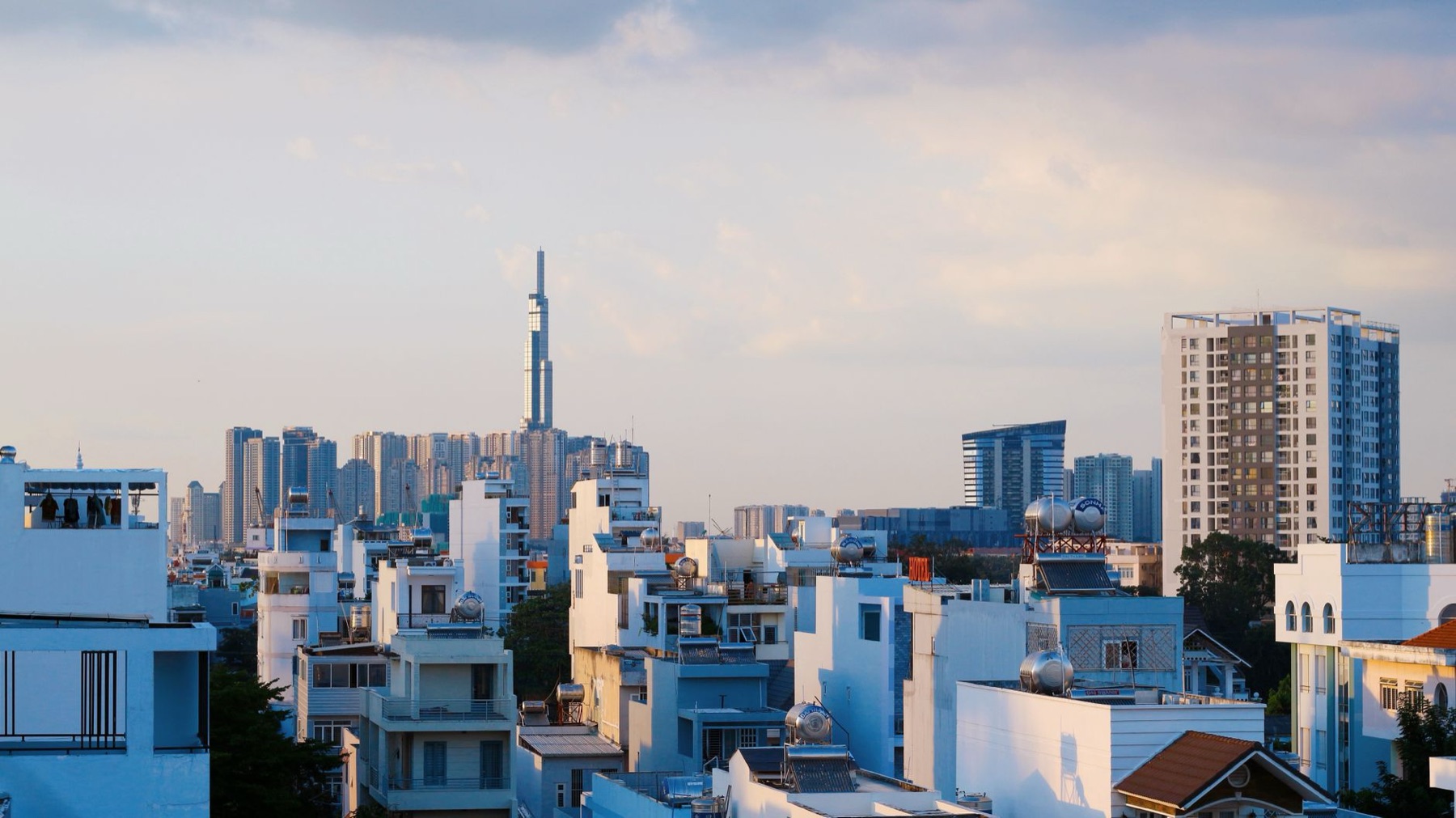
Budget Hotels: What $10–30/Night Actually Means
Budget properties in District 3 (around Pham Ngu Lao, De Tham streets) rent dorm beds for $10–15/night and private rooms from $20–35/night. Breakfasts are basic—usually coffee and bread. Walls are thin. WiFi drops during peak hours (8–10 p.m.). Bathrooms are small but clean if the place maintains itself.
The real advantage: you meet other travelers, staff speak English, and no one cares if you arrive at 2 a.m. The trap: many budget places overstate room size and AC power in photos. Booking via Agoda or Booking.com gives cancellation flexibility—use it. Read the 1-star reviews first (they reveal what happens on day three). Skip places claiming "private balcony with city views"—nine times out of ten, the "view" is a noisy alley.
Honest check: does the review mention WiFi, AC, and water pressure by name? If reviews are vague ("nice place, good owner"), it's because there's little to write home about.
Mid-Range Comfort (Around $40–100/Night): Best Value Zone
This tier includes family-run 3-star hotels and newer boutique guesthouses in Districts 1, 3, and Binh Thanh. You get a real bed, AC that works, a proper shower, daily housekeeping, and often free WiFi and breakfast. Staff usually speak some English. Neighborhoods still feel authentic—not sterilized by chains.
A solid $60/night mid-range hotel in Binh Thanh offers more peace than a $50 budget place in District 1. Room sizes jump from 180 sq. ft. to 250+ sq. ft. Mattresses are firmer. Some include a small café downstairs or a rooftop where locals hang out.
Booking trick: mid-range places often hold last-minute discounts on Agoda if you call directly. Ask about multi-night rates (some knock 10% off a 7-day stay). Verify the address is actually in the district you want—no "District 1, 2 km south of Ben Thanh" mislabeling.
Luxury & Riverside Resorts: When to Splurge
well-made properties on the Saigon River (Thao Dien, District 1 waterfront) run $150–400/night. You get concierge, gym, pool, multiple restaurants, and professional English-speaking staff. Rooms are 400+ sq. ft. with guaranteed hot water, premium toiletries, and often tech perks like USB ports and smart TVs.
These hotels justify their price if you're celebrating an anniversary, have a big conference, or value seamless logistics. The hotel can arrange tours, car hire, and restaurant bookings—all vetted. Kids' clubs exist. Business centers are open 24/7.
The snare: some luxury properties nickel-and-dime you (WiFi surcharge, resort fees not advertised on booking sites, mini-bar markups). Always scroll to "Policies" or "Fees" on the booking page. well-made doesn't mean well-made service—it means well-made facilities. A $180/night mid-range boutique hotel with a passionate owner beats a $250 corporate chain every time for a genuine stay.
📸 Book an ao dai photoshoot in Hanoi or Saigon (Cáo Studio)
Hotel Type Comparison: Who's This Actually For?
| Hotel Type | Nightly Rate (USD) | Who It's For | Key Strength | Watch Out For |
|---|---|---|---|---|
| Dorm/Budget Guesthouse | $10–20 | Backpackers, solo travelers, first-timers on tight funds | Community, flexibility, low risk | Noise, thin walls, limited amenities |
| Mid-Range Private (3-star) | $40–80 | Couples, small groups, remote workers, comfort-conscious travelers | Best value-to-experience ratio | Street noise in central districts, book ahead high season |
| Boutique/Design Hotel | $70–150 | Travelers wanting local character, Instagram-worthy stays, short visits | Unique architecture, personalized service, location intimacy | Smaller rooms, fewer facilities than chains, less English |
| Luxury Resort (well-made) | $150–400 | Honeymoons, business travelers, families wanting every amenity | Professional service, pools, restaurants, concierge, reliability | Impersonal, less authenticity, fees hidden at checkout |
| Serviced Apartments | $60–180/week+ | Long-stay remote workers, families, expats | Kitchen, laundry, local integration, best nightly cost at 4+ weeks | Minimum stay often 7+ days, less housekeeping than hotels |
What to Check Before You Book: A Real Checklist
Verification step 1: Open Google Maps. Search the hotel's exact name. Does the pin match the address on the booking site? Three instances we've seen: "District 1 hotel" actually 8 km away in Go Vap; "near Ben Thanh Market" 2 km on foot; location photos old (Zoom in, cross-reference with Street View).
Verification step 2: Scroll past 4- and well-made reviews. Read the 2-star ones. Are complaints about WiFi, hot water, noise, or room size? Do many mention last-minute "room changes" to smaller units? These are patterns, not one-offs.
Verification step 3: Check the actual booking site's cancellation policy. "Free cancellation until 48 hours before arrival" is standard and safe. "Free until 30 days before" means high risk if plans shift. Non-refundable rates drop price by 10–20%, but in Ho Chi Minh (typhoon season August–October, Tet holidays January–February), flexibility saves stress.
Verification step 4: Email the hotel directly with two questions: "What type of bed is in the room (queen/twin/double)?" and "Does the room face the street or courtyard?" Their reply speed and detail matter. Generic "we have many rooms" = avoid.
Verification step 5: If booking a new property (opened in last 2 years), search for reviews on Google, not just Booking.com. New hotels sometimes buy fake reviews. Fewer than 30 reviews on Booking, but 500 on Google? Red flag.
🎟️ Compare tours & tickets for this place
Neighborhood Deep-Dive: Where to Actually Wake Up
District 1 (Saigon Centre): Pricey, touristy, walkable to markets and colonial architecture. Pham Ngu Lao Street and De Tham Street are backpacker-heavy (rowdy at night, cheap beer). Nguyen Hue Walking Street is pedestrianized, less authentic. Stay here if this is your first Vietnam trip and you want everything close. Skip if you want local Saigon, calm mornings, or a meal without inflated tourist prices.
District 3 (Binh Thanh adjacent, backpacker zone): Younger, louder, way cheaper. Local students, young expats, vintage cafés. Still touristy but less slick. Power cuts happen (invest in a power bank). Coffee is excellent and costs around $1–2/cup. Stay here if you're under 30, solo, or want an authentic backpacker experience without feeling ripped off.
Thao Dien, District 2 (Upscale Saigon): Tree-lined streets, expat families, yoga studios, farm-to-table restaurants, malls, low air pollution. Calm at sunrise. Taxis are metered and less scammy. You won't see drunk tourists peeing in alleys. Stay here if you work, want peace, or are traveling with kids. Trade-off: fewer night markets, more generic (feels like Singapore suburbs).
Binh Thanh (Quiet, local, mid-range): Between central and Thao Dien. Local families, real pho shops, less hassle. Close to Hoi An day-trip routes. Underrated. Fewer tourists = fewer scams. WiFi and AC are standard. Perfect for a 5–7 day stay if you're not glued to Saigon's nightlife.
Common Scams & How to Avoid Them
Scam 1 – Bait-and-switch room: You book a "deluxe double" in photos; you arrive to a smaller "standard room" to save them money. Verify room size (sq. ft. or meters) before booking. Demand a photo of your exact room, not the "room type." Booking.com has a "show similar rooms" feature—use it.
Scam 2 – Hidden WiFi charge: Free breakfast advertised; WiFi "not included, $2/day." Read the fine print. Email the hotel asking, "Is WiFi included or extra?" Get a reply in writing.
Scam 3 – Fake rating/review: A 3.2-star hotel shows 4.8 stars on its own website. Always check the official Booking.com, Agoda, or Google reviews. Cross-reference dates—do reviews spike suddenly? Likely fake.
Scam 4 – Taxi from hotel to airport at inflated rate: Ask the hotel ahead, in writing, for the "fixed airport transfer rate." Compare with Grab (app-based ride, meter shows cost). Confirm Grab works at your hotel (some block it).
Scam 5 – Room-key deposit or "damage fee" on checkout: Most hotels do not charge deposits. If they do, get it in writing at check-in, not as a surprise at checkout.
Planning Your Ho Chi Minh Stay Alongside Other Cities
If you're touring Vietnam via Hanoi, Ha Long Bay, and Sapa, Ho Chi Minh is often the finale or gateway. Expect 3–5 nights here. First night often wastes on jet lag—book budget (spend less). Mid-stay (nights 2–3), explore neighborhoods and museums in day mode. Final nights, relax or work (book comfort mid-range). This beats booking one hotel for all five nights.
Most travelers fly in via Tan Son Nhat Airport (20–30 min to District 1 by Grab, around $8–15). Book your first night before arrival to avoid 1 a.m. stress. After that, flexibility wins.
Getting Internet & Staying Connected
A Vietnam eSIM keeps you reachable without hunting WiFi. Every hotel in this guide has WiFi, but speeds vary wildly. Budget places share bandwidth with 50 guests; luxury resorts dedicate it. An eSIM (around $5–15 for 7 days) is your backup. Grab, Google Maps, hotel calls—all work without relying on café WiFi.
🎟️ Compare tours & tickets for this place
FAQ
What's the real price for a decent 3-star hotel in Ho Chi Minh City?
Around $45–75/night for a private room with AC, WiFi, and breakfast in Districts 1, 3, or Binh Thanh. Central District 1 skews higher (up to $100); quieter districts (Binh Thanh, Go Vap) run $40–60. Read recent reviews—price alone doesn't guarantee quality.
Is it better to book in advance or wait for last-minute deals?
Book 2–4 weeks ahead for Tet (January–February), August, and holidays. Off-season (March–May, September–November), wait until 3 days before for discounts. Always verify cancellation is free. Last-minute doesn't work if the city is full.
Which district is best for first-time visitors?
District 1 or District 3. District 1 is touristy but walkable to Ben Thanh Market and colonial sites; District 3 is backpacker-friendly and cheaper. Both have English-speaking staff and easy Grab access. Binh Thanh is better if you want local immersion and fewer drunk tourists.
Do I need to book a hotel in advance, or can I find one when I arrive?
You can hunt on arrival if you're flexible on location and price. But Tan Son Nhat Airport is 20 km away, and taxiing around tired at night is miserable. Book your first 1–2 nights before flying; after that, explore and book day-by-day if you want freedom.
What amenities actually matter in a hot, humid city like Ho Chi Minh?
Strong AC (test it before checkout), a real shower (pressure, not a trickle), and reliable WiFi. Breakfast is nice but not essential (street pho costs $1–2). A café or common area matters if you're solo. A gym or pool is overrated unless you'll genuinely use it. Ask if the window is soundproof or street-facing noise.
Are there hotels I should absolutely avoid?
Avoid places with fewer than 20 reviews, especially if they're new (opened in last 6 months). Avoid "eco-hotels" with no AC claiming "fresh air" (it's not). Avoid anything claiming "luxury at budget prices"—if it sounds too good, check Google Maps to confirm location, then read the 2-star reviews. Trust recent reviews over old ones.
FAQ
What's the real price for a decent 3-star hotel in Ho Chi Minh City?
Around $45–75/night for a private room with AC, WiFi, and breakfast in Districts 1, 3, or Binh Thanh. Central District 1 skews higher (up to $100); quieter districts (Binh Thanh, Go Vap) run $40–60. Read recent reviews—price alone doesn't guarantee quality.
Is it better to book in advance or wait for last-minute deals?
Book 2–4 weeks ahead for Tet (January–February), August, and holidays. Off-season (March–May, September–November), wait until 3 days before for discounts. Always verify cancellation is free. Last-minute doesn't work if the city is full.
Which district is best for first-time visitors?
District 1 or District 3. District 1 is touristy but walkable to Ben Thanh Market and colonial sites; District 3 is backpacker-friendly and cheaper. Both have English-speaking staff and easy Grab access. Binh Thanh is better if you want local immersion and fewer drunk tourists.
Do I need to book a hotel in advance, or can I find one when I arrive?
You can hunt on arrival if you're flexible on location and price. But Tan Son Nhat Airport is 20 km away, and taxiing around tired at night is miserable. Book your first 1–2 nights before flying; after that, explore and book day-by-day if you want freedom.
What amenities actually matter in a hot, humid city like Ho Chi Minh?
Strong AC (test it before checkout), a real shower (pressure, not a trickle), and reliable WiFi. Breakfast is nice but not essential (street pho costs $1–2). A café or common area matters if you're solo. A gym or pool is overrated unless you'll genuinely use it. Ask if the window is soundproof or street-facing noise.
Are there hotels I should absolutely avoid?
Avoid places with fewer than 20 reviews, especially if they're new (opened in last 6 months). Avoid "eco-hotels" with no AC claiming "fresh air" (it's not). Avoid anything claiming "luxury at budget prices"—if it sounds too good, check Google Maps to confirm location, then read the 2-star reviews. Trust recent reviews over old ones.
More: Ho Chi Minh City guide · Where to stay in Ho Chi Minh City