Ha Giang
How Many Days in Ha Giang: The Complete Itinerary Guide
By Wander in Vietnam editorial team · Hanoi, Vietnam
Ha Giang in far north Vietnam rewards 3–5 days, depending on your pace and interest. A rushed 2-day loop (Ha Giang City → Dong Van → Meo Vac → back) is possible but exhausting; 3 days lets you ride the famous northern loop comfortably, sleep in homestays, meet H'Mong and Tay communities, and explore karst valleys without skipping key stops. 4–5 days add time in Yen Minh district, villages like Lung Cu, local markets, and acclimatization to the high altitude (1,200+ m). Costs run around 300,000–600,000 VND per day (US$12–24) for guesthouses, food, and local guides; motorbike rental is roughly 150,000–200,000 VND daily (US$6–8). We recommend 4 days as the sweet spot: enough to ride safely, engage authentically, and recover from the 7–8 hour journey from Hanoi. 🗺️ Plan your route: Vietnam itinerary ---
What Can You Actually Do in 3 Days in Ha Giang?
Three days is the minimum if you ride the loop and want one full day in the mountains. Day 1 is travel from Hanoi and arrival in Ha Giang City (allow 6–8 hours by car or bus). Day 2 and 3 cover the northern loop: Dong Van Karst Plateau → Meo Vac → Lung Cu flag tower → back. You'll see limestone peaks, minority villages, and local markets, but sleep is short and rider fatigue is real. Most riders regret not adding a day.
Is 4 Days the Ideal Length?
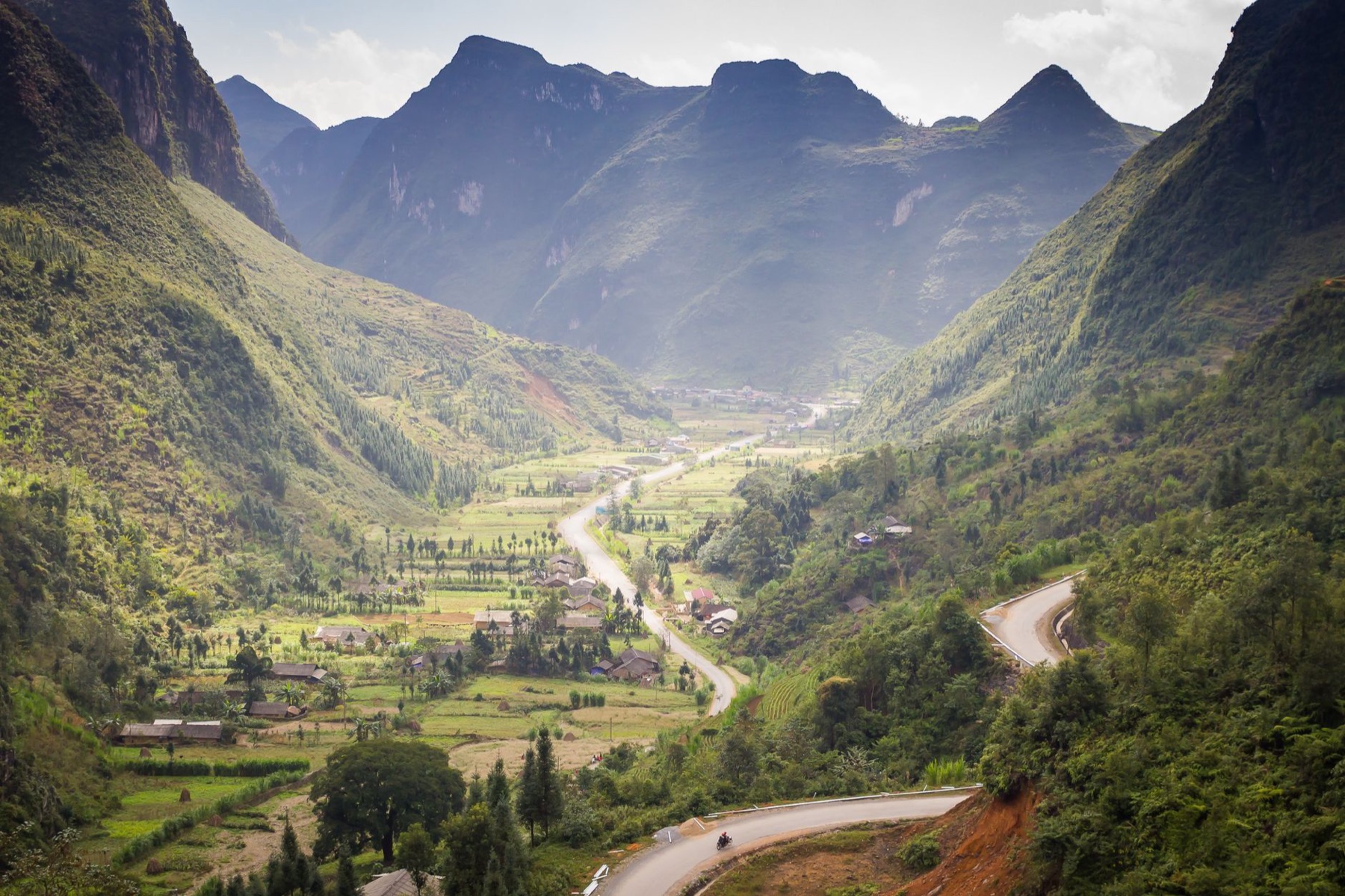
Four days splits the loop across two days, adding one full day for secondary routes or village exploration. Day 1 is arrival and acclimatization in Ha Giang City. Days 2–3 tackle the loop in stages: Dong Van and Meo Vac with a night in one town. Day 4 covers Yen Minh district or returns to explore a specific commune (like Lung Cu or Xin Man) on foot or with a local guide. This pace lets you stop for photos, chat with villagers, and ride sober—a huge safety gain on these tight passes.
📸 Book an ao dai photoshoot in Hanoi or Saigon (Cáo Studio)
Should You Stay 5 Days or More?
Five or more days is ideal for photographers, trekkers, and cultural travelers. You can ride the loop without pressure, spend two nights in mountain towns, hire a local guide for hill-tribe village visits (often arranged through your guesthouse), and explore secondary areas like Yen Minh's terraced fields or Hoang Su Phi valley (though that straddles Ha Giang and Tuyen Quang provinces). You also have buffer time if weather closes passes or you want a rest day. First-time motorbike riders especially benefit from this rhythm: it reduces accident risk and deepens engagement with communities.
What's the Tradeoff Between Speed and Depth?
| Duration | Loop only? | Pace | Sleep quality | Cultural time | Best for |
|---|---|---|---|---|---|
| 2 days | Yes (rushed) | 7–8 hr/day riding | Poor | Minimal photo stops | Experienced riders, tight schedules |
| 3 days | Yes, spread | 4–6 hr/day | Fair | Village walks, market visits | First-time loopers, medium riders |
| 4 days | Yes + one side trip | 3–5 hr/day | Good | Homestay dinners, guide talks | Most travelers, ideal balance |
| 5+ days | Multiple routes + trekking | 2–4 hr/day | Excellent | Multi-day treks, community immersion | Photographers, culture-focused, remote stays |
Shorter = more kilometers per day and higher accident risk on Ha Giang's hairpin passes. Longer = deeper connections and better photos.
How Does Altitude and Weather Affect Your Timeline?
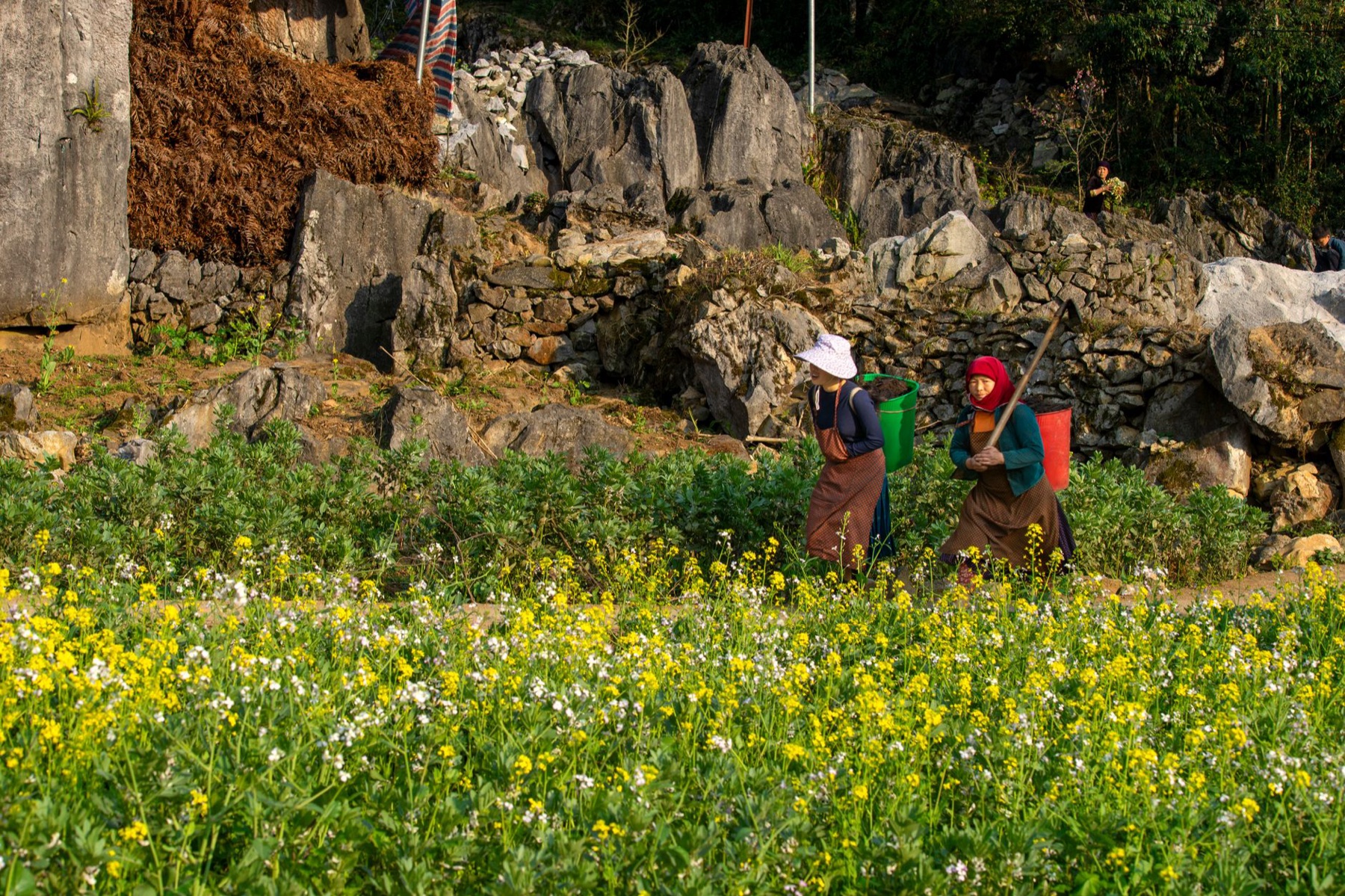
Ha Giang's northern plateau sits 1,000–1,200 m above sea level. Visitors from sea level often feel mild altitude effects (headache, fatigue) on arrival—a reason Day 1 should not be full riding. Monsoon rain (May–September) can close high passes for hours; winter (November–February) brings cold and occasional fog. Spring (March–April) and autumn (October–November) are optimal: clear skies, mild temps, and dry roads. Longer trips absorb weather delays; 3-day schedules have no slack for closures.
🎟️ Compare tours & tickets for this place
---
What to Check Before You Book
- Visa & eSIM: Confirm your Vietnam e-visa covers your dates. Buy a Vietnam eSIM before arrival for maps and ride-share apps—critical on remote roads.
- Motorbike rental: Rent in Hanoi or Ha Giang City; insurance is non-standard. Confirm helmet quality and bike condition (brakes, tires) before leaving town.
- Accommodation: Book homestays or guesthouses in Dong Van or Meo Vac 1–2 weeks ahead during Oct–Nov and Mar–Apr. Wi-Fi is spotty; cash (VND) is essential—ATMs are sparse.
- Language & guide: Hire a guide through your guesthouse (ask for recommendations, not a booking link). A guide costs roughly 400,000–600,000 VND per day (US$16–24) but unlocks Hmong and Tay village access and reduces navigation stress.
- Physical fitness: The loop is 600+ km; if you're not a regular rider, consider hiring a driver (slightly more expensive) or joining a multi-day guided tour from Hanoi.
---
How Do You Make Memories Last After You Leave?
Once you return home, a thoughtful keepsake bridges the gap between experience and daily life. We've found success with gifts that anchor a specific place or emotion. Consider a travel map or destination art collection featuring Ha Giang's karst peaks or the northern loop route—a constant visual reminder of those mountain mornings. Alternatively, explore personalized or engraved keepsake collections where you can record the dates, village names, or a meaningful phrase from your trip. A leather-bound travel journal or a star map print dated to a clear night you spent in Meo Vac or Dong Van ties the memory to a specific moment.
For travelers who invested in photos during their stay, an ao dai photoshoot before departure (if you have time in Hanoi) creates a cultural portrait. Book an ao dai photoshoot in Hanoi or Saigon (Cáo Studio) to capture your journey's spirit in traditional Vietnamese dress—a keepsake that honours both the destination and your travel story.
---
Practical Itinerary Suggestions
3-day loop (minimal):
- Day 1: Hanoi → Ha Giang City (6–8 hours by car/bus). Arrive evening. Sleep in town.
- Day 2: Ha Giang City → Dong Van → Meo Vac (ride ~200 km, 8 hours with stops). Night in Meo Vac.
- Day 3: Meo Vac → Lung Cu → Dong Van → Ha Giang City (ride ~150 km, 7 hours). Return to city or travel back to Hanoi same evening.
4-day loop (recommended):
- Day 1: Hanoi → Ha Giang City. Rest and resupply.
- Day 2: Ha Giang City → Dong Van (ride ~100 km, 5 hours). Explore Dong Van old town and market.
- Day 3: Dong Van → Meo Vac → Lung Cu (ride ~100 km, 6 hours). Night in Meo Vac. Early evening hike or village walk.
- Day 4: Meo Vac → Yen Minh or back to Ha Giang City (ride ~150 km, 6–7 hours). Option to overnight in Yen Minh or return to Hanoi.
5+ days (depth-focused):
- Days 1–4: As above.
- Day 5: Yen Minh district or multi-day trek to H'Mong villages (hire guide; 15,000–30,000 m elevation hikes). Or repeat northern loop via less-trafficked secondary roads.
---
FAQ
Is it safe to ride the Ha Giang loop on a motorbike if I've never ridden before?
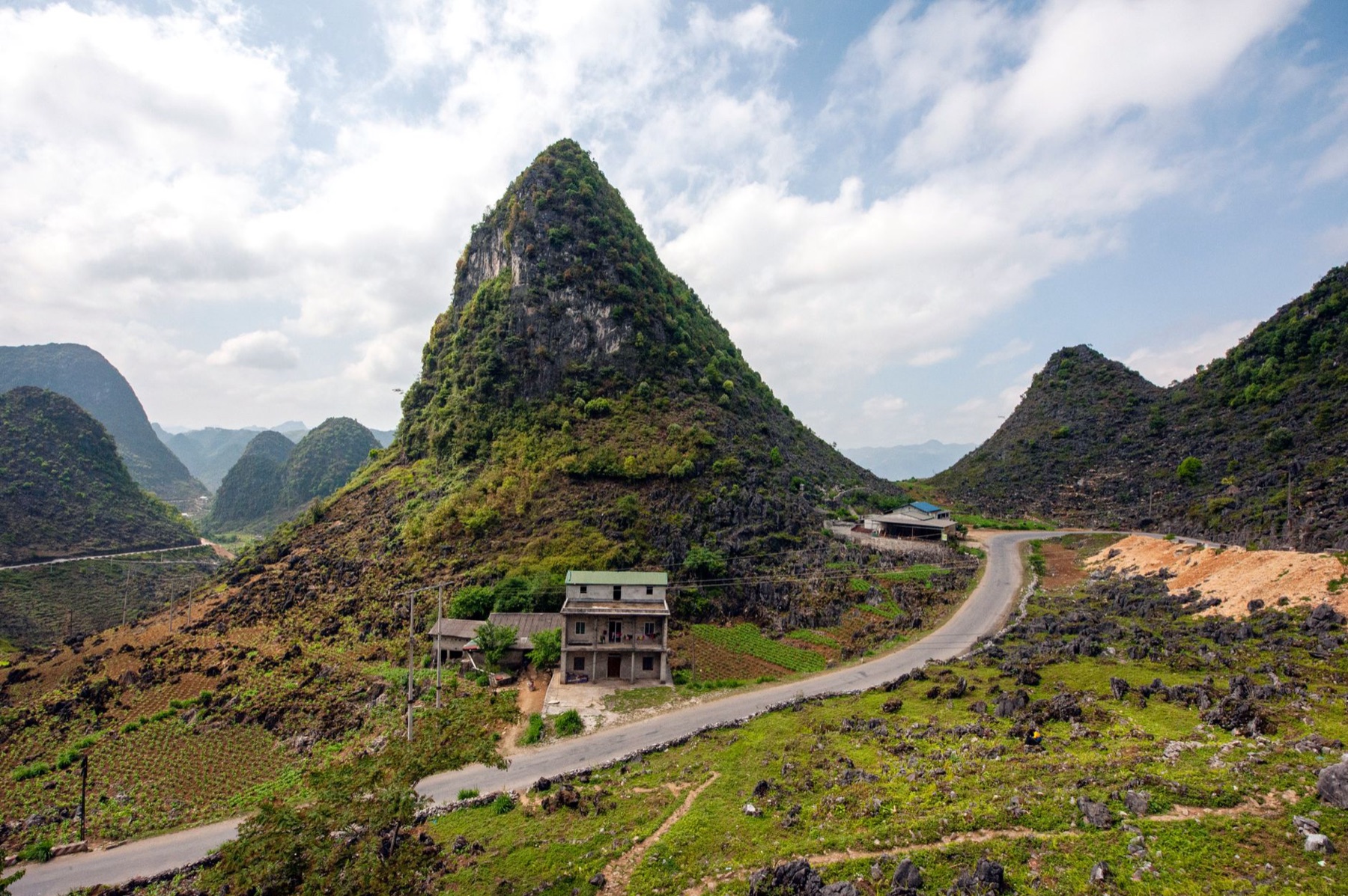
Not recommended without professional training or a guide. The passes have 180° hairpin turns, minimal guardrails, and sheer drops. If you're a beginner, hire a driver, join a guided tour from Hanoi, or take a bus (slower but safe). Experienced riders can manage with a helmet, decent bike maintenance, and sober riding.
What's the cheapest way to do Ha Giang in 3 days?
Rent a motorbike in Hanoi (cheapest rate), travel by bus or car (share costs with other travelers), sleep in budget guesthouses (100,000–150,000 VND / US$4–6 per night), and eat at local pho shops (20,000–40,000 VND / US$1–2 per bowl). Total: around 1.5–2 million VND (US$60–80) for 3 days all-in. Skip paid attractions and hire guides only if culture is your priority.
Do I need a guide, or can I ride alone?
A guide is optional but valuable. Alone, you get solitude and set your own pace; with a guide, you access village homestays, learn minority history, and avoid getting lost on unmarked junctions. Guides also negotiate better guesthouse rates and handle language barriers. Cost is worth it for first-timers or cultural travelers; solo riders often save money but miss deeper stories.
What's the best time to visit Ha Giang?
October–November (autumn) and March–April (spring) offer clear skies, mild temps (15–25°C), and dry roads. December–February is cold (5–12°C) but clear; May–September brings monsoon rain and fog that can close passes. Crowds peak at weekends and holidays; weekdays are quieter.
Should I book tours in advance or arrange things on arrival in Ha Giang?
Mix both. Book your eSIM, Vietnam e-visa, and Hanoi-to-Ha Giang transport 1–2 weeks ahead. For mountain guesthouses and guides, book 3–5 days before arrival (via email or local travel apps like Booking or Agoda) so you're not stuck camping outdoors. Flexibility helps if weather or your mood changes. --- Related guides for your Vietnam trip: - Explore our full Ha Giang guide for markets, costs, and seasonal insights. - Plan a multi-destination itinerary linking Ha Giang with Hanoi, Sapa, and Ha Long Bay. - Northern Vietnam routes often include Ha Giang as a 3–4 day add-on from Sapa. - Ninh Binh guide and Hoi An guide for cultural depth in other regions if Ha Giang is too remote. 🗺️ Plan your route: Vietnam itinerary
FAQ
Is it safe to ride the Ha Giang loop on a motorbike if I've never ridden before?
Not recommended without professional training or a guide. The passes have 180° hairpin turns, minimal guardrails, and sheer drops. If you're a beginner, hire a driver, join a guided tour from Hanoi, or take a bus (slower but safe). Experienced riders can manage with a helmet, decent bike maintenance, and sober riding.
What's the cheapest way to do Ha Giang in 3 days?
Rent a motorbike in Hanoi (cheapest rate), travel by bus or car (share costs with other travelers), sleep in budget guesthouses (100,000–150,000 VND / US$4–6 per night), and eat at local pho shops (20,000–40,000 VND / US$1–2 per bowl). Total: around 1.5–2 million VND (US$60–80) for 3 days all-in. Skip paid attractions and hire guides only if culture is your priority.
Do I need a guide, or can I ride alone?
A guide is optional but valuable. Alone, you get solitude and set your own pace; with a guide, you access village homestays, learn minority history, and avoid getting lost on unmarked junctions. Guides also negotiate better guesthouse rates and handle language barriers. Cost is worth it for first-timers or cultural travelers; solo riders often save money but miss deeper stories.
What's the best time to visit Ha Giang?
October–November (autumn) and March–April (spring) offer clear skies, mild temps (15–25°C), and dry roads. December–February is cold (5–12°C) but clear; May–September brings monsoon rain and fog that can close passes. Crowds peak at weekends and holidays; weekdays are quieter.
Should I book tours in advance or arrange things on arrival in Ha Giang?
Mix both. Book your eSIM, [Vietnam e-visa](/vietnam/visa), and Hanoi-to-Ha Giang transport 1–2 weeks ahead. For mountain guesthouses and guides, book 3–5 days before arrival (via email or local travel apps like Booking or Agoda) so you're not stuck camping outdoors. Flexibility helps if weather or your mood changes. --- Related guides for your Vietnam trip: - [Explore our full Ha Giang guide](/ha-giang/guide) for markets, costs, and seasonal insights. - [Plan a multi-destination itinerary](/vietnam/itinerary) linking Ha Giang with [Hanoi](/hanoi), [Sapa](/sapa), and [Ha Long Bay](/ha-long-bay). - [Northern Vietnam routes](/sapa) often include Ha Giang as a 3–4 day add-on from Sapa. - [Ninh Binh guide](/ninh-binh) and [Hoi An guide](/hoi-an) for cultural depth in other regions if Ha Giang is too remote. [🗺️ Plan your route: Vietnam itinerary](/vietnam/itinerary)
More: Ha Giang travel guide