Ho Chi Minh City · Itinerary
How many days in Ho Chi Minh City: 3–5 day itinerary
By Wander in Vietnam editorial team · Hanoi, Vietnam
Three to five days is the realistic window to experience Ho Chi Minh City without burning out. The city sprawls across multiple districts, and traffic is slow—a 6 km trip can take an hour. Unlike Hanoi's compact old quarter, Ho Chi Minh City's character is spread across neighborhoods, markets, and cafés. Here's how to spend your time honestly.
How many days do you actually need?
Three days: Cover War Remnants Museum, Notre-Dame Cathedral, Central Post Office, Dong Khoi Walking Street (pedestrian area in District 1), and Ben Thanh Market. Eat pho at breakfast, lunch at a local com tam stall (broken-rice shops; around 30,000–50,000 VND / $1.20–$2 USD), coffee at a standing café. Skip: Saigon Skydeck (overpriced, mediocre views), most rooftop bars.
Four days (our recommendation): Add Binh Tay Market (District 5, west of centre—wholesale spice and dry-goods chaos; worth the 20-minute motorbike ride), a neighborhood walk in District 3 or Thao Dien (District 2, expat area with local eateries), and a food tour or cooking class. Spend one evening in a pho alley or local beer stall instead of tourist zones.
Five days: Includes a full day trip—Cu Chi Tunnels (1.5 hours north, wartime history; crowded but real), or Mekong Delta homestay (2–3 hours south, floating gardens, fruit orchards). Alternatively, use the fifth day for a second market, café-hopping in Pham Ngu Lao district, or simply slowing down.
What most visitors get wrong: They pack everything into District 1 and Pham Ngu Lao (the backpacker quarter) and think they've seen the city. Real Ho Chi Minh City is in the motorbike taxis, early-morning pho lines, and local coffee shops where nobody speaks English.
Which neighborhoods matter and which to skip?
Must-see neighborhoods:
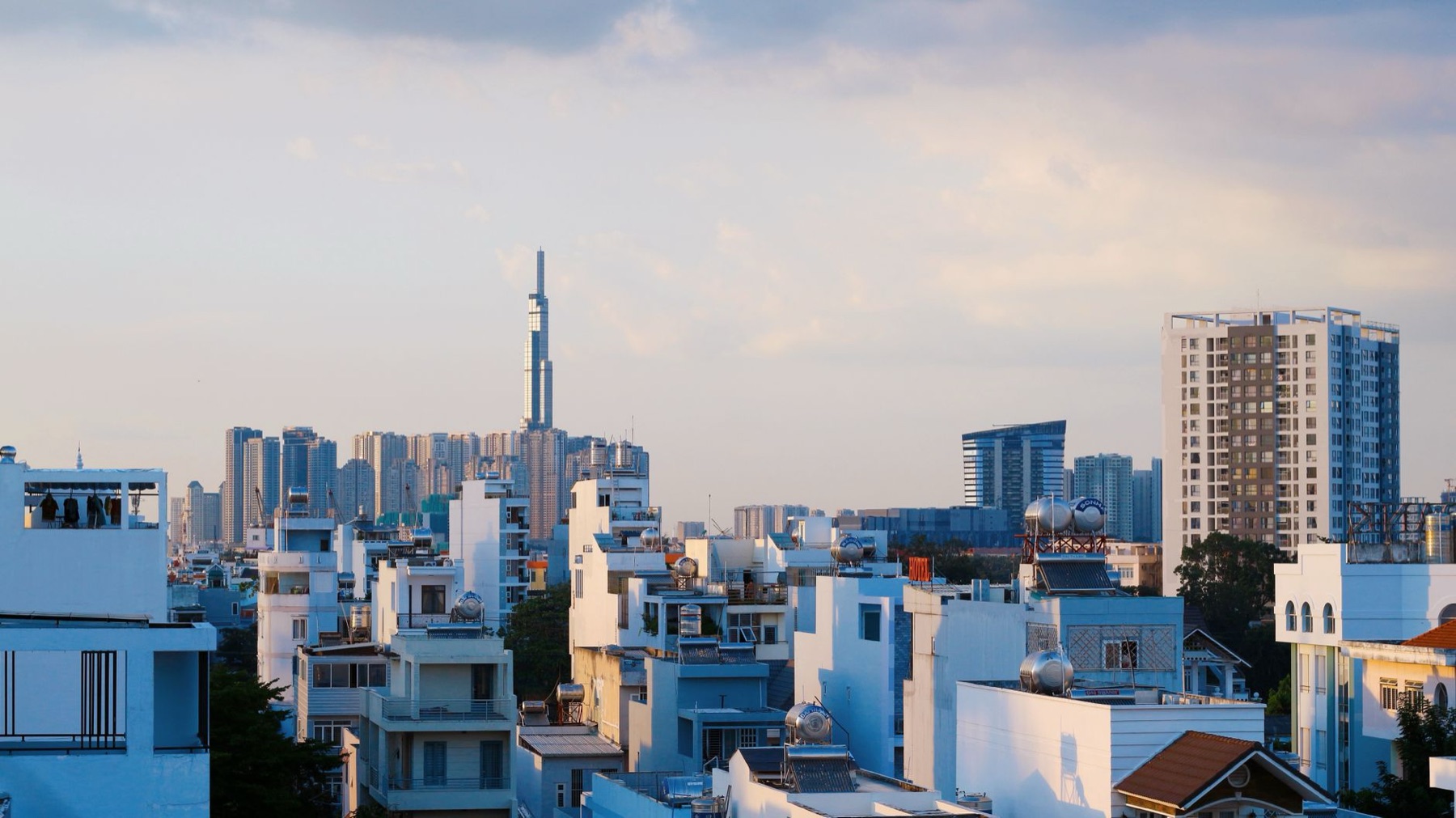
- District 1 (Quan 1): City centre. Dong Khoi Walking Street (pedestrian zone), War Remnants Museum, Notre-Dame Cathedral, Central Post Office. Walk it once; it's polished, touristy, expensive food, but historically important.
- District 3 (Quan 3): Less touristy than District 1, good local pho shops, fewer restaurants aimed at foreigners, real residential feel. Walk around Vo Van Tan or Ba Trieu Street for street food.
- Thao Dien (District 2): Where expats and wealthy Vietnamese live. Higher prices, but excellent international restaurants, yoga studios, organic coffee roasters. Take a motorbike taxi; it's 20–30 minutes from Dong Khoi.
- District 5: Cho Lon district (Binh Tay Market hub). Chinatown, narrow alleys, dried goods, textiles. Chaotic, overwhelming if you're not used to markets, but authentic. Best visited mid-morning before lunch rush.
Overrated or skip:
- Saigon Skydeck: Rooftop observation deck (Bitexco tower, 49th floor). Around 200,000 VND ($8 USD). View is hazy, crowded, worse than free rooftop bars or cafés.
- Reunification Palace tours: Historic but sterile, guided-tour-only format, heavy-handed atmosphere. Better to read about it and visit the exteriors.
- Most rooftop bars in District 1: Pricey cocktails (150,000–250,000 VND / $6–$10), mediocre views, full of tourists. Exceptions: local beer stalls (bia hơi) in Districts 3 and 5 where you sit on plastic stools and pay 5,000–15,000 VND per beer.
Pro tip: Use Wander in Vietnam's Ho Chi Minh City neighbourhood guide to navigate districts safely. Grab (ride-hailing app) or a motorbike taxi app (Be, Grab Bike) gets you around. Walking is pleasant in mornings; 1 pm–4 pm is peak heat and traffic—rest or do indoor museums.
What costs should you budget for each day?
| Expense | Budget (low) | Budget (mid) | What to expect |
|---|---|---|---|
| Meals (3) | 80k–120k VND ($3.20–$4.80) | 200k–300k VND ($8–$12) | Street pho (30k), lunch at local stalls (40k), dinner at sit-down restaurant (100k+) |
| Motorbike taxi/Grab | 20k–50k VND ($0.80–$2) | 50k–100k VND per trip ($2–$4) | Prices per km; peak traffic (5–7 pm) is slower |
| Museum entry | 50k–100k VND ($2–$4) | Same | War Remnants Museum ~100k; some temples free |
| Café/coffee | 20k–40k VND ($0.80–$1.60) | 50k–80k VND ($2–$3.20) | Street stall coffee or egg coffee vs. café au lait |
| Daily total | ~200k–300k VND ($8–$12) | ~400k–500k VND ($16–$20) | Excludes tours, shopping, alcohol |
Reality check: You can eat well for $4–$6 per day if you eat where locals eat. Tourist restaurants cost 2–3× more for worse food. Skip convenience stores (7-Eleven, Circle K); street stalls are cheaper and better.
Currency tip: Use Vietnam e-visa if you haven't already. For connectivity, a Vietnam eSIM costs far less than roaming. Both save time and money.
What's the day-by-day breakdown?
Day 1: War Remnants Museum + Dong Khoi + Cathedral
Start at War Remnants Museum (District 1, Vo Van Tan Street, 08:00–12:00 and 13:30–17:00; closes Monday). Arrive early to avoid crowds. Budget 2 hours. Lunch at a pho stall near the museum (30k–50k VND). Walk to Dong Khoi Walking Street in the afternoon (pedestrian only, roughly Nguyen Hue to Dong Khoi intersection). See Notre-Dame Cathedral and Central Post Office (exteriors free; interiors sometimes entry fees). Coffee at a standing café (bia coffee, 20k–40k VND) by 16:00. Evening: walk Pham Ngu Lao backpacker area if you want nightlife, or find a local beer stall in District 3 for dinner (better vibe).
Day 2: Markets + Neighborhood walk
Morning: Ben Thanh Market (District 1, 06:00–18:00). Chaotic textile, spice, and souvenir section. Go early for energy. Lunch inside (local noodle stalls, 40k–80k VND). Afternoon: motorbike taxi to District 3 (20–30 minutes). Walk Ba Trieu or Vo Van Tan streets; duck into small pho shops, pharmacies, local eateries. No famous sights, but you'll see how a real neighbourhood works. Dinner at a tiny com tam restaurant (broken rice, side dishes, 40k–60k VND).
Day 3: Binh Tay Market or day trip
Option A (Binh Tay Market, District 5): Motorbike taxi west (30–40 min from District 1, 50k–80k VND). Binh Tay is a sprawling wholesale market—textiles, dried goods, spices, live animals. Go mid-morning; it's quietest 09:00–10:30. Take a guide if you want stories; otherwise wander. Lunch at a local noodle or dim-sum stall. This is HOW Vietnam supplies itself, not tourist theatre. Return by 14:00. Afternoon: rest or revisit District 1 cafés.
Option B (day trip): Cu Chi Tunnels (1.5 hours north by minibus tour or private driver; 300k–600k VND / $12–$24 including transport). Wartime history, claustrophobic tunnels, real but touristy. Alternative: Mekong Delta (2–3 hours south, homestay experiences, floating gardens, fruit orchards). Both are full-day commitments.
Day 4 (if staying 4+ days): Thao Dien + cafés
Motorbike taxi to Thao Dien, District 2 (20–30 min, 60k–100k VND). Walk Thao Dien Street. Breakfast at a local coffee roaster or brunch spot (avoid chains). Visit craft shops, organic markets. Lunch at a small Vietnamese restaurant (100k–150k VND). Afternoon: explore Saigon Zoo/Botanical Gardens (free to wander exteriors). Evening: return to District 1, find an egg coffee shop (cà phê trứng, around 50k–80k VND, a unique Hanoi import that's become popular here).
Day 5 (if staying 5+ days): Second day trip, café crawl in Pham Ngu Lao/District 1, shopping at local tailors, or simply rest at a café with a book.
How do you avoid common tourist mistakes?
Scam radar:
- Tuk-tuk overcharging: Use Grab or Be app instead of hailing on street. Agree price upfront if you do take a tuk-tuk.
- Bar tab fraud: Avoid unlicensed "hostess bars" in Pham Ngu Lao. Stick to established venues or bia hơi stalls.
- Fake goods at Ben Thanh: Counterfeit watches, handbags are common. If the price seems insane, it's fake.
- Restaurant upsell: Some tourist zones charge by the item (shrimp = 200k+ per piece). Eat where locals eat; prices are transparent.
- Motorbike rentals: Inspect the bike for damage before taking it. Have ID scanned, not passport. Avoid at night if you're not experienced.
Honest mistakes:
- Trying to do everything in 2 days: You'll exhaust yourself. Slow down.
- Ignoring the heat: 1 pm–4 pm is brutal (32–36°C / 90–97°F). Museums and cafés are air-conditioned; use them.
- Not using apps: Download Grab, Google Maps (offline mode), and a translator app. Internet is cheap; get a Vietnam eSIM if needed.
- Eating only at tourist restaurants: You'll pay 3× more for worse food and miss real flavours.
Pro logistics:
Stay in District 1 if it's your first time (walkable, central). If you're familiar with cities, District 3 or Thao Dien offer better local feel and quieter mornings. Book accommodation near a motorbike taxi stand or Grab-accessible area.
🗺️ Plan your route: Vietnam itinerary | 🎟️ Compare tours & tickets for this place
How to extend Ho Chi Minh City into a longer trip?
If you have 6–7 days, pair Ho Chi Minh City with a nearby destination:
- Mekong Delta homestay (2–3 days): Floating villages, fruit orchards, local meals. Slower pace. Book through a homestay agency or tour operator.
- Da Lat (4 hours north, hill station): Cool climate, markets, waterfalls, coffee plantations. Feels like a different country. 2–3 days recommended.
- Phu Quoc Island (1 hour by plane or ferry): Beach, seafood, relatively undeveloped. 2–3 days.
For a broader Vietnam loop, check our Vietnam itinerary planner, which covers Hanoi, Hoi An, Ha Long Bay, and other regions with realistic timing.
Alternatively, compare Ho Chi Minh City with other major stops: Hanoi guide, Hoi An guide, Ha Long Bay guide, Ninh Binh guide, or Sapa guide.
📸 Book an ao dai photoshoot in Hanoi or Saigon (Cáo Studio) | 🗺️ Plan your route: Vietnam itinerary | 🎟️ Compare tours & tickets for this place
---
What to check before you buy a tour or book accommodation
- Read recent reviews (last 3–6 months, not 2-year-old well-made ones). Weather, crowds, and quality change.
- Verify tour group size: Small groups (≤8 people) are better than 30-person minibus tours.
- Check cancellation policy: Tropical storms can cancel trips. Ensure refund, not just reschedule.
- Ask about meal inclusions: Some day trips charge extra for lunch. Know upfront.
- Confirm pick-up location and time: Expect 30-minute delays in traffic. Leave early.
- Book directly or through reputable agents: Avoid sketchy websites. Ask your hotel for recommendations.
- Currency and payment: Most tours accept cash (VND) or card. Confirm before booking.
---
FAQ
Is 3 days enough for Ho Chi Minh City?
Yes. Three days covers War Remnants Museum, markets, and walking around District 1. You'll feel rushed if you add day trips. Four days is more comfortable and gives you a real feel for local life beyond tourist zones.
Is Ho Chi Minh City worth 5 days?
Only if you're slow-travelling or adding a day trip (Cu Chi Tunnels, Mekong Delta). Many visitors do 3–4 days in the city and use the fifth day for either a nearby destination or deeper neighbourhood exploration in Districts 2, 3, or 5.
What's the best month to visit Ho Chi Minh City?
December to February (cool, dry, 20–26°C / 68–79°F). September to November is humid and wet. May to September is hot (32–35°C / 90–95°F) and sticky. Avoid Tet (lunar new year, late January–early February) if you dislike crowds.
How much does a day in Ho Chi Minh City cost?
Budget USD $8–$12 per day (meals, transport, museums) if you eat street food and use local transport. Mid-range travellers spend $16–$25 per day. Luxury visitors $50+. Food costs 40–50% of your daily spend if you eat where locals do.
Should I take a day trip from Ho Chi Minh City?
Cu Chi Tunnels (north, 1.5 hours) and Mekong Delta (south, 2–3 hours) are popular but long. If you have 4–5 days, one day trip makes sense. Skip if you're staying only 3 days; the travel time eats into city exploration.
Is it safe to walk around Ho Chi Minh City alone?
Yes, but use common sense. Avoid isolated alleys at night; stick to main streets and populated areas. Pickpocketing happens on crowded buses and markets—keep bags zipped and valuables hidden. Petty theft, not violent crime, is the risk. Women solo-travellers report feeling safe in central zones.
What's the best way to get around Ho Chi Minh City?
Use Grab app (ride-hailing, cheaper and safer than street taxis). Motorbike taxis (Grab Bike, Be) are fast and cheap (20k–80k VND per trip) but require balance and experience. Walking is fine in Districts 1, 3, and Thao Dien during mornings. Public buses exist but are crowded and slow; not recommended for first-time visitors.
Where should I stay in Ho Chi Minh City?
District 1 is central, walkable, and touristy. District 3 is quieter, more local, still accessible. Thao Dien (District 2) is upscale and quiet. Pham Ngu Lao is the backpacker hub—lively but noisy and touristy. Choose based on vibe: first-time visitors pick District 1; return visitors or slow-travellers choose District 3 or Thao Dien.
FAQ
Is 3 days enough for Ho Chi Minh City?
Yes. Three days covers War Remnants Museum, markets, and walking around District 1. You'll feel rushed if you add day trips. Four days is more comfortable and gives you a real feel for local life beyond tourist zones.
Is Ho Chi Minh City worth 5 days?
Only if you're slow-travelling or adding a day trip (Cu Chi Tunnels, Mekong Delta). Many visitors do 3–4 days in the city and use the fifth day for either a nearby destination or deeper neighbourhood exploration in Districts 2, 3, or 5.
What's the best month to visit Ho Chi Minh City?
December to February (cool, dry, 20–26°C / 68–79°F). September to November is humid and wet. May to September is hot (32–35°C / 90–95°F) and sticky. Avoid Tet (lunar new year, late January–early February) if you dislike crowds.
How much does a day in Ho Chi Minh City cost?
Budget USD $8–$12 per day (meals, transport, museums) if you eat street food and use local transport. Mid-range travellers spend $16–$25 per day. Luxury visitors $50+. Food costs 40–50% of your daily spend if you eat where locals do.
Should I take a day trip from Ho Chi Minh City?
Cu Chi Tunnels (north, 1.5 hours) and Mekong Delta (south, 2–3 hours) are popular but long. If you have 4–5 days, one day trip makes sense. Skip if you're staying only 3 days; the travel time eats into city exploration.
Is it safe to walk around Ho Chi Minh City alone?
Yes, but use common sense. Avoid isolated alleys at night; stick to main streets and populated areas. Pickpocketing happens on crowded buses and markets—keep bags zipped and valuables hidden. Petty theft, not violent crime, is the risk. Women solo-travellers report feeling safe in central zones.
What's the best way to get around Ho Chi Minh City?
Use Grab app (ride-hailing, cheaper and safer than street taxis). Motorbike taxis (Grab Bike, Be) are fast and cheap (20k–80k VND per trip) but require balance and experience. Walking is fine in Districts 1, 3, and Thao Dien during mornings. Public buses exist but are crowded and slow; not recommended for first-time visitors.
Where should I stay in Ho Chi Minh City?
District 1 is central, walkable, and touristy. District 3 is quieter, more local, still accessible. Thao Dien (District 2) is upscale and quiet. Pham Ngu Lao is the backpacker hub—lively but noisy and touristy. Choose based on vibe: first-time visitors pick District 1; return visitors or slow-travellers choose District 3 or Thao Dien.
More: Ho Chi Minh City travel guide · Ho Chi Minh City itinerary: 1, 2, 3 days