Phong Nha
How Many Days in Phong Nha: Real Itinerary Guide
By Wander in Vietnam editorial team · Hanoi, Vietnam
Two to five days in Phong Nha suits most travelers; we recommend three to four to avoid rushing iconic caves (Son Doong, Hang Tien, Paradise) and still explore Phong Nha town itself. A single full day covers the main cave boat tours from the dock at Phong Nha pier (roughly 500,000–800,000 VND ≈ $20–32 USD per person for multi-cave combos); a second day adds a jungle trek or zip-line canopy walk. Add one more day if you're hiking Son Doong overnight (1.5–2 million VND ≈ $60–80 USD all-in, advance booking mandatory) or cycling the riverfront roads. Phong Nha town itself has limited dining and nightlife—most lodging clusters near the National Park entrance—so extra days are for activities, not neighborhood wandering. Budget-wise, guesthouses cost 200,000–400,000 VND ≈ $8–16 USD per night; food runs 50,000–150,000 VND ≈ $2–6 USD per meal. Skip the overpriced "adventure tours" sold by touts near the bus station; book directly with park-licensed operators or via your guesthouse.
What Exactly Makes Phong Nha Worth Visiting?
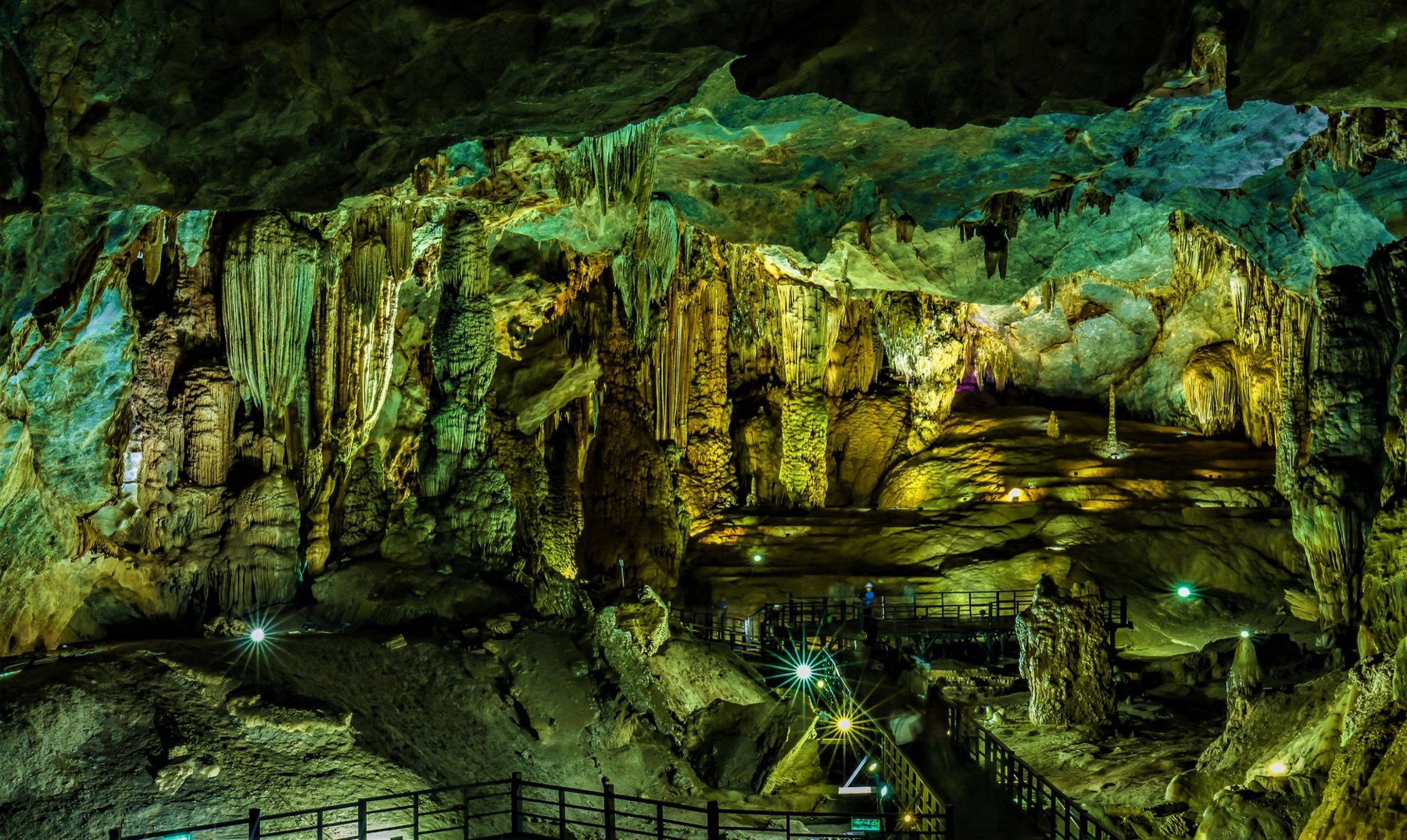
Phong Nha-Ke Bang National Park is a UNESCO World Heritage site spanning 123 square kilometers of karst limestone, underground rivers, and over 80 caves—most still unexplored. The park sits in Quang Binh province, inland from the central coast, and ranks globally for adventure tourism. Son Doong Cave, the world's largest by volume, is here; so is Hang Tien (where the river flows through the cave mouth at sunset), and Paradise Cave (Thien Duong), famous for a 31-meter waterfall inside. The landscape forces you to move—there is almost no sitting-down sightseeing—which is why Phong Nha attracts hikers, cavers, and photographers rather than beach-lounge travelers. The jungle is dense, humid, and genuinely remote in places; guides are not optional, they're essential for safety and permit compliance.
How Does a One-Day Visit Work?
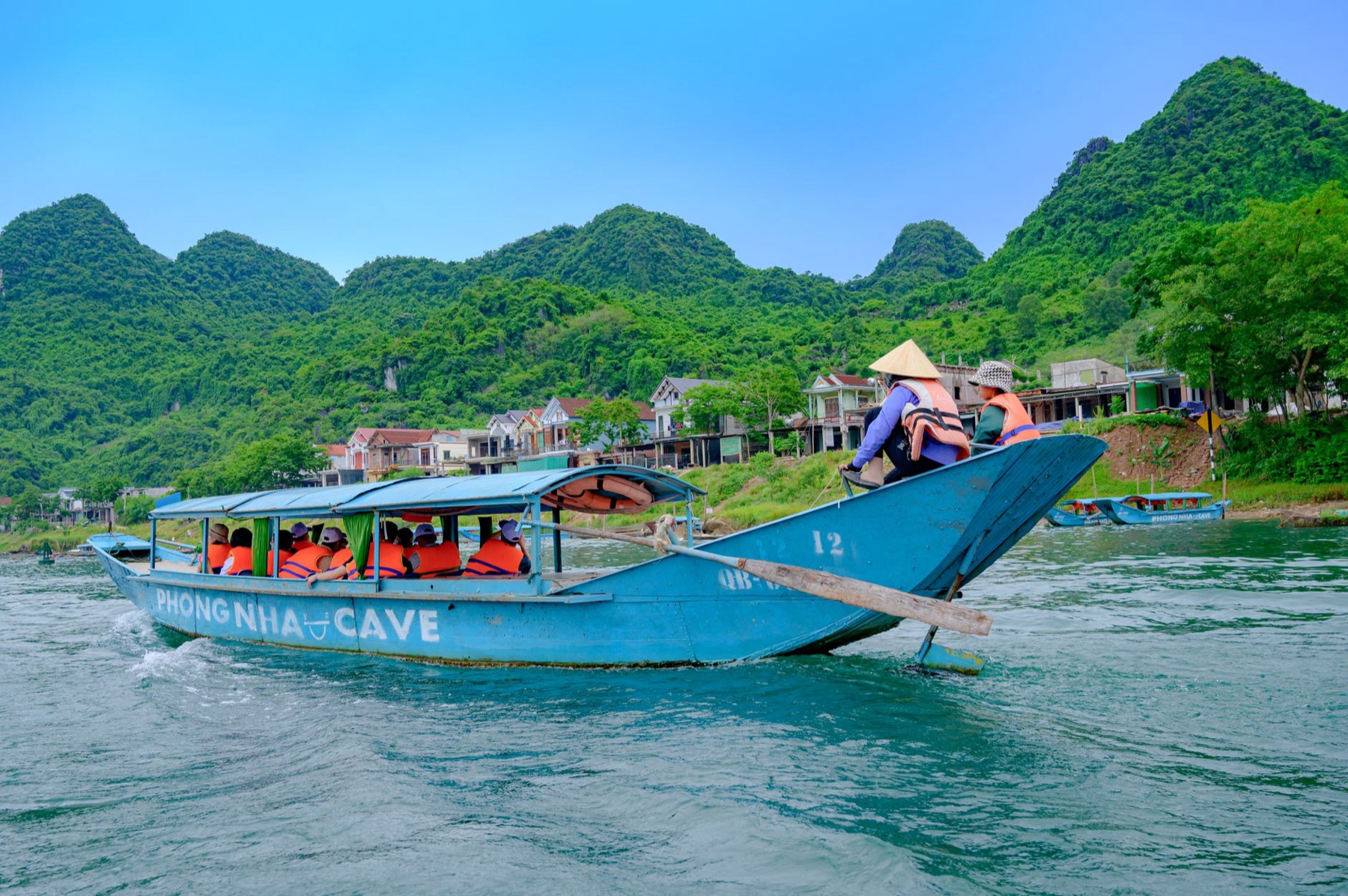
A single day hits the most accessible caves via boat tours launched from Phong Nha pier in town. Most tours run 7 a.m.–3 p.m. and combine Hang Tien (the "river cave," photogenic at dusk), Paradise Cave (a dry cavern with a paved internal walkway), and a smaller scenic cave. Boat captains are experienced; the water is calm except during September–October monsoon runoff. You'll spend roughly 3–4 hours on water and 2–3 hours walking inside caves or on platforms. Lunch is simple (rice, fish, vegetables at a riverside rest stop); bring water and sun cream. One-day tours end by midafternoon, leaving your evening free to walk Phong Nha town's main road, eat at local pho shops, and rest. This suits travelers heading onward to Hanoi or Ho Chi Minh City next morning, but you'll leave feeling you only glimpsed the place.
What Does a Three-Day Itinerary Actually Include?
Day 1: morning boat tour (Hang Tien + Paradise Cave), afternoon rest or visit the smaller Thien Duong viewpoint. Day 2: full-day jungle trek with an English-speaking guide into the Ke Bang forest section—typically 6–8 hours, exploring dry caves, river crossings, and native forest; guides navigate by phone GPS and local knowledge, not marked trails. Some tours add a zip-line canopy walk (30–60 meters above ground, thrilling but short—30 minutes of actual zipping, 2–3 hours with setup). Day 3: either a second cave (Dark Cave, which involves swimming in an underground lake), a bicycle loop along the Son River from town toward the national park boundary, or rest and departure. Three days is realistic for non-hikers; four days allows one of those activities plus breathing room and a second smaller cave.
| Duration | Best for | Main activities | Realistic budget (USD) | Why it works |
|---|---|---|---|---|
| 1 day | Transit stopover | Boat tours only, one cave | $40–60 | See the cave entrance; won't return |
| 2 days | Casual explorer | Boat tour + one trek or zip-line | $100–150 | One cave + one active experience; time to recover |
| 3 days | Confident trekker | Boat tour + jungle trek + secondary cave | $150–220 | Full landscape immersion; slow pace |
| 4–5 days | Adventure seeker | Son Doong overnight + secondary activities | $300–500+ | Son Doong demands 2 days; time for rest days |
Why Does Son Doong Need Its Own Day—Or Two?
Son Doong Cave is a 5-kilometer underground river and passage system requiring a two-day, one-night expedition. You cannot visit as a day trip; park rules mandate overnight camping on the cave floor. Day 1 involves a 1-kilometer uphill hike through jungle to the cave entrance, then 4–5 hours inside navigating rope sections, climbing formations, and swimming across the dark lake; you camp in a sandy chamber that night. Day 2: reverse route, exit by early afternoon. The cave is genuinely cold (15°C year-round), wet, and strenuous—unsuitable if you have knee problems, heart conditions, or poor swimming ability. Operators charge 1.5–2 million VND ≈ $60–80 USD all-in (food, guide, permit, camping kit). Booking opens 3 months ahead and fills weekends; arrange via your guesthouse or oxalis.com.vn (the main licensed operator). Do not skip Son Doong if you have 4+ days and are physically fit; it is genuinely the world's largest cave by volume and an unforgettable single experience.
When Should You Skip Phong Nha or Shorten Your Stay?
Arrive during September–October (monsoon season) only if you accept river flooding, cave access cancellations, and daily rain. The park occasionally closes caves for 1–2 days due to water levels; your operator cannot predict this. If your Vietnam itinerary is tight—say, 14 days total including Hanoi, Hoi An, and Ho Chi Minh City—use two days in Phong Nha for a boat tour + jungle trek and move on. Shorten your stay if you are not a hiker, fear dark spaces, or get sick easily in heat and humidity. Phong Nha is not a beach relaxation destination; it demands physical engagement. If you do not book your guesthouse and tours in advance, do not expect walk-in availability during July–August or around Tet (late January–early February); you risk one-day waits or inflated last-minute prices. Solo travelers and couples have easy logistical access; groups of 4+ can negotiate group discounts directly with operators.
🗺️ Plan your route: Vietnam itinerary
How to Build Your Phong Nha Days into a Wider Trip
Phong Nha sits roughly 60 kilometers inland from Dong Hoi city, which has a small airport and train station. Arriving from Hanoi takes 12–14 hours by overnight bus (12–16 USD) or a domestic flight + bus combo (8–12 hours, 60–100 USD); from Ho Chi Minh City, fly to Hanoi first (1.5 hours, 40–80 USD) then bus south (slower). Nearby Ninh Binh is a scenic limestone valley 3 hours north; Ha Long Bay is 5 hours north (add 1–2 days if you are curious about both). Most travelers do Phong Nha as a standalone 2–4 day stop en route between Hanoi and either Hoi An (7 hours south) or Ho Chi Minh City. If you are doing Vietnam's full north-to-south "golden triangle" (Hanoi, Hoi An, Ho Chi Minh City), add Phong Nha as a 3-day detour from Hanoi down to Hoi An; it breaks the journey and beats sitting on a bus. Get an eSIM for Vietnam so you can book tours and contact guides without carrier roaming.
What Should You Pack and Bring for Your Days Here?
Caving requires a headlamp (or rent one from your guesthouse for 50,000–100,000 VND ≈ $2–4 USD per day), water shoes (essential for wet caves; 150,000–300,000 VND ≈ $6–12 USD, buy in Dong Hoi or Hanoi before arrival), a thick waterproof bag for electronics, and quick-dry clothing. Sun protection is critical on boat tours—sunscreen, a long-sleeve rashguard, and a wide-brimmed hat prevent severe burns. Bring a light down jacket or fleece; cave interiors are cold and damp. A power bank keeps phones charged for guides' GPS and your own photos. Insect repellent (picardin or DEET) is essential during the rainy season. Waterproof phone cases are cheaper online than in Phong Nha; GoPros and underwater cameras rent from guesthouses (300,000–500,000 VND ≈ $12–20 USD per day) if you do not own one. Pack one sturdy pair of hiking boots; rental boots are uncomfortable and often poorly maintained.
📸 Book an ao dai photoshoot in Hanoi or Saigon (Cáo Studio)
Travelers often wish they'd captured the landscape differently; if you return to Hanoi or visit Ho Chi Minh City, Cáo Studio offers professional photoshoots with makeup and styling to frame your adventure narrative in ao dai or casual wear.
What to Check Before You Finalize Your Days
- Park permit: all guided tours include this; verify your operator has a park license (real operators display it on-site).
- Water level: call or message your guesthouse 1–2 days before arrival to confirm which caves are open; monsoon season is unpredictable.
- Physical fitness: be honest about your hiking ability and swimming comfort; guides will refuse unsafe clients and refund fees rather than risk lives.
- Operator reviews: ask your guesthouse which guides they recommend; avoid street touts entirely.
- Tour timing: book overnight tours (Son Doong) at least 2 weeks ahead; day tours can be booked 1–2 days in advance.
- Insurance: check your travel policy covers caving; many do not, and rescue in remote caves is expensive.
🎟️ Compare tours & tickets for this place
FAQ
Is two days enough for Phong Nha if I am not super adventurous?
Yes. One day of boat tours (Hang Tien + Paradise) and one day of rest or a gentle jungle walk with a guide covers the main sights without overexertion. You will not see Son Doong, but you will see why the park is special.
Do I need a guide for all activities?
Yes. Hiking beyond marked trails requires a licensed guide by park law. Boat tours include a captain who acts as guide. Solo exploration is illegal and unsafe; the landscape is unforgiving.
What is the best month to visit Phong Nha?
April–June and October–November offer dry conditions, good visibility, and stable cave access. Avoid September–October if you dislike rain. July–August are hot and crowded; January–February are cold but dry.
Can I do Son Doong and other caves in three days?
Technically yes, but exhausting. Son Doong takes a full 1.5–2 days (cave only), leaving one day for rest or a boat tour. Plan four days if you want both Son Doong and secondary caves without burning out.
Are guesthouses safe and reliable in Phong Nha?
Yes. Most guesthouses cluster around Phong Nha town center and are family-run, clean, and honest. Book via booking.com or Agoda; local prices are similar online. Avoid unmarked accommodations advertised by street touts.
How much cash should I bring?
Most guesthouses, restaurants, and tour operators accept VND only; very few take cards. Dong Hoi (the nearest city, 1 hour away) has ATMs. Bring 1–2 million VND ≈ $40–80 USD per day depending on cave tours.
Is Phong Nha good for families with young children?
Only if your children are 10+ and comfortable in dark, wet spaces. Boat tours are safe for all ages; jungle treks and caving are not suitable for under-10s. Dark Cave swimming is off-limits for young kids.
FAQ
Is two days enough for Phong Nha if I am not super adventurous?
Yes. One day of boat tours (Hang Tien + Paradise) and one day of rest or a gentle jungle walk with a guide covers the main sights without overexertion. You will not see Son Doong, but you will see why the park is special.
Do I need a guide for all activities?
Yes. Hiking beyond marked trails requires a licensed guide by park law. Boat tours include a captain who acts as guide. Solo exploration is illegal and unsafe; the landscape is unforgiving.
What is the best month to visit Phong Nha?
April–June and October–November offer dry conditions, good visibility, and stable cave access. Avoid September–October if you dislike rain. July–August are hot and crowded; January–February are cold but dry.
Can I do Son Doong and other caves in three days?
Technically yes, but exhausting. Son Doong takes a full 1.5–2 days (cave only), leaving one day for rest or a boat tour. Plan four days if you want both Son Doong and secondary caves without burning out.
Are guesthouses safe and reliable in Phong Nha?
Yes. Most guesthouses cluster around Phong Nha town center and are family-run, clean, and honest. Book via booking.com or Agoda; local prices are similar online. Avoid unmarked accommodations advertised by street touts.
How much cash should I bring?
Most guesthouses, restaurants, and tour operators accept VND only; very few take cards. Dong Hoi (the nearest city, 1 hour away) has ATMs. Bring 1–2 million VND ≈ $40–80 USD per day depending on cave tours.
Is Phong Nha good for families with young children?
Only if your children are 10+ and comfortable in dark, wet spaces. Boat tours are safe for all ages; jungle treks and caving are not suitable for under-10s. Dark Cave swimming is off-limits for young kids.
More: Phong Nha travel guide