Ha Giang
How to Get Around Ha Giang: Transport Options & Routes
By Wander in Vietnam editorial team · Hanoi, Vietnam
Ha Giang Province sits on Vietnam's far northern border, accessed from Hanoi via National Highway 2. Most visitors rent a motorbike (around 100,000–200,000 VND per day / $4–8 USD) or join organized minibus tours (around 800,000–1,200,000 VND / $32–48 USD for 2–3 days). The main town, Ha Giang City, sits on the Lo River; the province's main loop road—the Ha Giang Loop—takes 3–4 days by motorbike and covers around 350 km through remote upland valleys. Public buses run from Hanoi's Gia Lâm station but offer few stops useful to tourists. Hired drivers with vehicles (around 1,200,000–2,000,000 VND daily / $48–80 USD) suit groups or those uncomfortable on motorbikes. Wander in Vietnam recommends booking accommodation in advance; roads are winding, fuel stops are sparse, and mobile signal drops frequently. Avoid traveling during typhoon season (May–September) when landslides close passes. ---
What transport type fits your Ha Giang trip?
Choosing how to move through Ha Giang depends on budget, comfort tolerance, and whether you want independence or guided structure. Motorbike rental offers the most flexibility and lowest cost but requires confidence on steep, unpaved sections. Minibus tours sacrifice schedule freedom but bundle accommodation, meals, and a local driver—valuable if you're solo or unfamiliar with Vietnamese road conditions. Hired private drivers suit small groups (2–4 people) wanting personalized stops without navigation stress. Public buses are cheapest but stop infrequently, arrive late, and rarely service the scenic loop routes tourists prefer. Most travelers spend 3–4 days in the province; budget around 2,500,000–4,500,000 VND (100–180 USD) per person all-in if using tours, or 1,200,000–2,000,000 VND (48–80 USD) if self-renting and camping budget.
🗺️ Plan your route: Vietnam itinerary
Which roads should you actually take in Ha Giang?
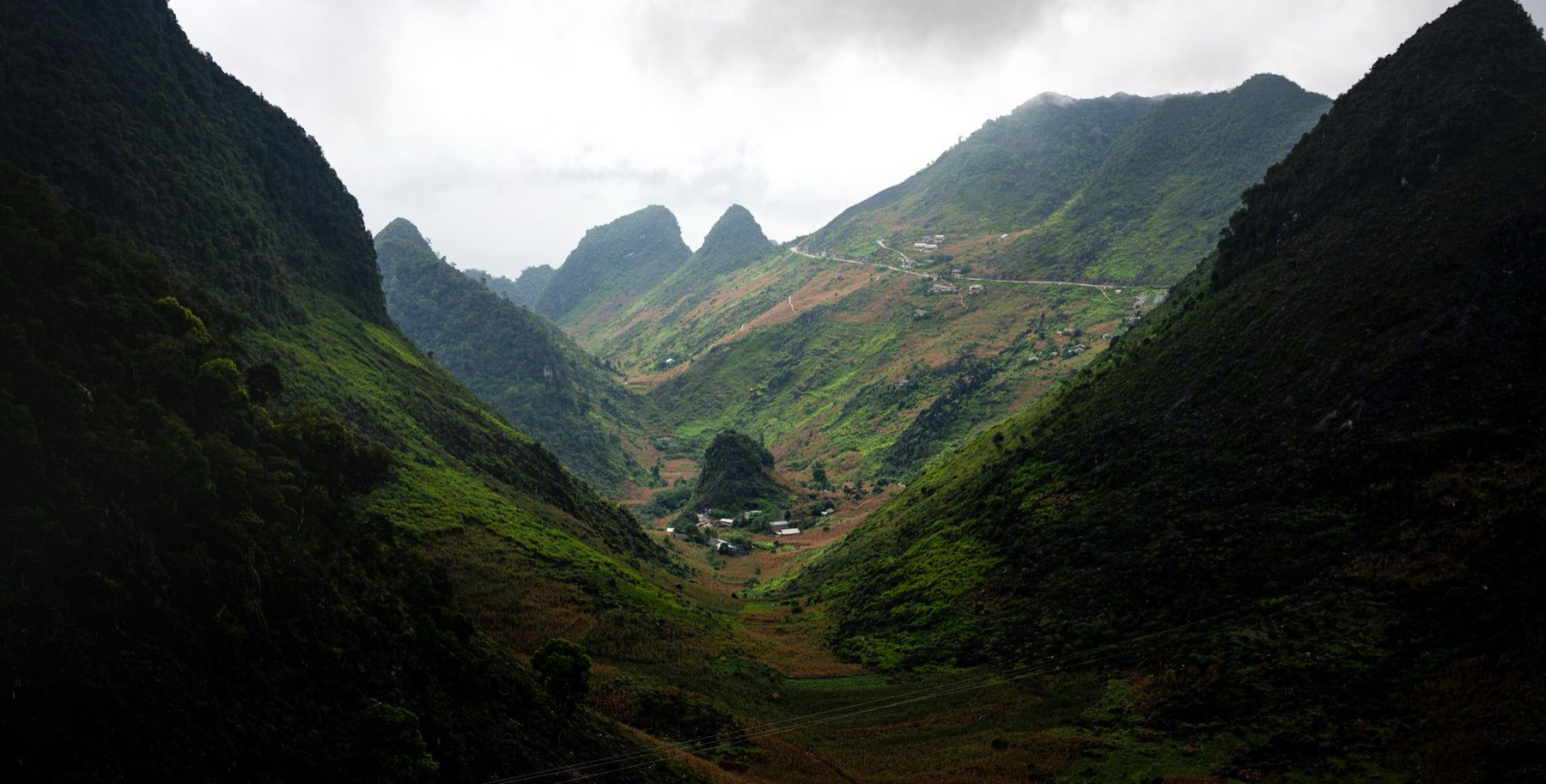
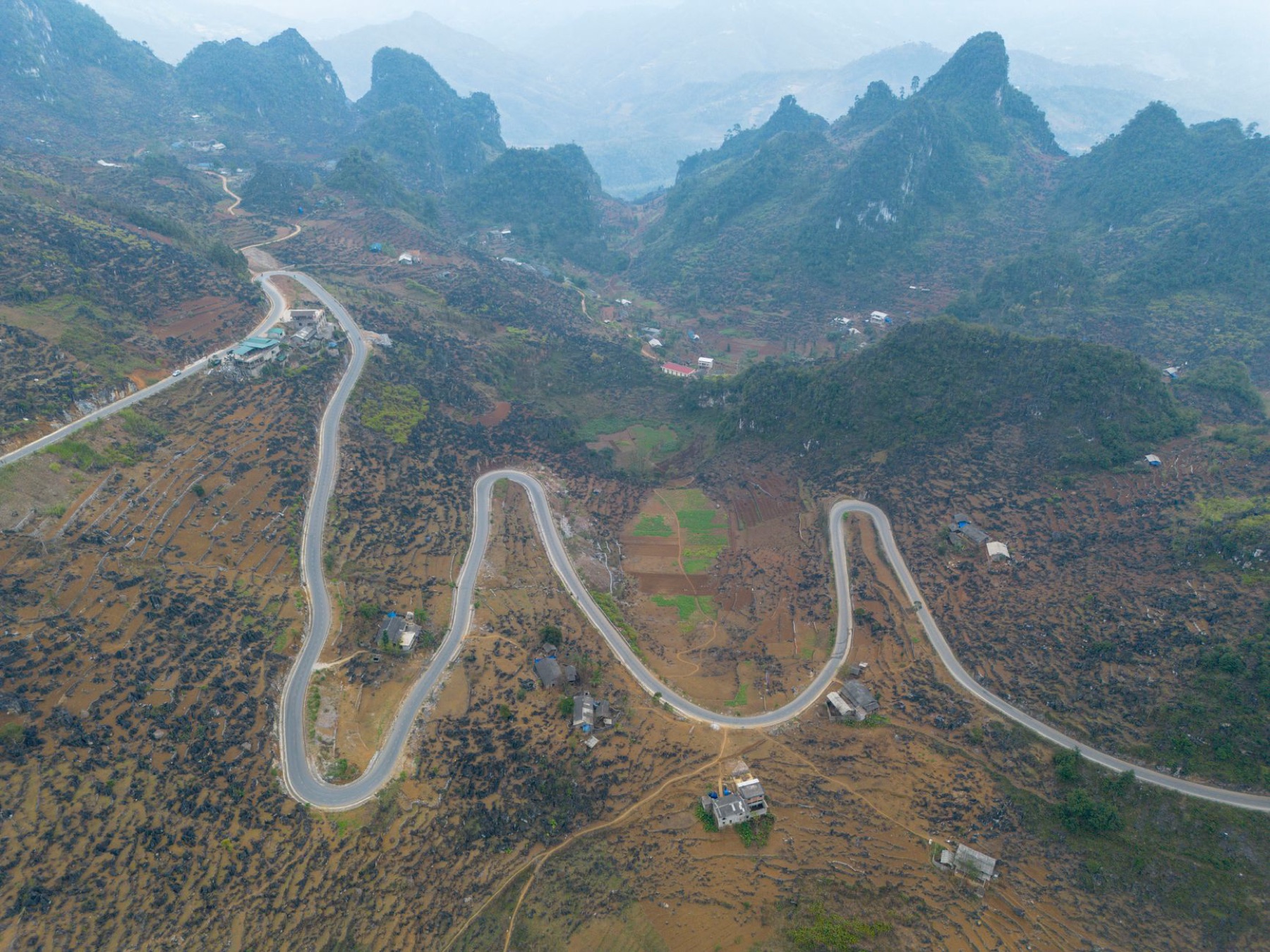
The Ha Giang Loop is the only route worth the time—a 350 km circuit through Dong Van, Meo Vac, and Yen Minh districts that showcases karst plateaus, isolated villages, and minority settlements inaccessible by any shortcut. From Ha Giang City, head northeast via Highway 2 to Dong Van (around 140 km, 4–5 hours), then loop west through Meo Vac's hairpin climbs and plateaus before returning south via Yen Minh. Avoid the southbound detour to Yen Minh town itself unless buying handicrafts; it's a dead-end. The road condition varies: National Highway 2 is paved but winding; district roads to Dong Van and Meo Vac are partly unpaved with washouts after rain. Gas stations exist in Ha Giang City, Dong Van, and Meo Vac only—refuel opportunistically. Solo motorbike travelers should carry a printed map (Nelles or Tracks maps, available at Hanoi bookshops) because GPS signal fails in valleys. The loop takes 3 days minimum; 4–5 days lets you hike to villages and swim in mountain rivers without rushing.
📸 Book an ao dai photoshoot in Hanoi or Saigon (Cáo Studio)
How much does transport actually cost in Ha Giang?
| Transport type | Daily/trip cost (VND) | Daily/trip cost (USD ~) | Who it suits | What you get |
|---|---|---|---|---|
| Motorbike rental | 100,000–200,000 | $4–8 | Budget solo travelers; experienced riders | Full loop freedom; fuel extra (~150,000 VND / $6 per tank) |
| Minibus tour (3 days) | 800,000–1,200,000 | $32–48 | Groups, first-timers, no navigation worry | Driver, shared meals, homestay, fuel included |
| Hired private driver + van | 1,200,000–2,000,000 | $48–80 | 2–4 person groups; comfort-focused | Door-to-door, custom stops, no group wait times |
| Public bus (Hanoi–Ha Giang) | 200,000–300,000 | $8–12 | Cost-minimizers; not returning by bus | Overnight journey; unreliable for loop access |
| Petrol per tank (motorbike) | 150,000–180,000 | $6–7 | Renters | Covers ~200 km of loop |
These prices reflect 2026 open-market rates; tour operators offer seasonal discounts December–February. Minibus tours booked direct with Ha Giang guesthouses cost less than Hanoi-sold packages. Budget 500,000 VND (20 USD) extra for unexpected repairs or guide tips if renting a bike solo.
What stops most tourists—and how to avoid them?
Motorbike renters face five recurring problems. First: engine trouble on unpaved climbs. Rent only from Ha Giang City (not Hanoi) from shops near the main market; inspect brakes and tires before signing. Second: fuel miscalculation. The loop requires 2–3 full tanks; fill up in Ha Giang City and Dong Van before Meo Vac (the plateau section has no fuel). Third: navigation confusion without offline maps. Download the entire Ha Giang province on Google Maps offline before leaving Hanoi—signal is patchy above 1,200 meters elevation. Fourth: altitude sickness and poor accommodation. Guest houses in Dong Van and Meo Vac are basic but functional; book ahead via Facebook or ask Ha Giang City hotels for referrals. Fifth: robbery on night rides. Never ride after dark; stop by 4 PM to avoid headlights-off accident risk. Minibus tours sidestep all five problems but lock you to group pacing; hire a driver privately if you value both safety and schedule freedom.

Is Ha Giang worth visiting before Sapa or after?
Ha Giang is harder terrain and more isolated than Sapa—we'd recommend it after Sapa if this is your first northern trip. Sapa (accessible here) has better guesthouses, quicker acclimatization, and less mechanical risk on motorbike routes. Do Hanoi, then Sapa, then Ha Giang or Ninh Binh, so your fitness and motorbike confidence rise gradually. If you're an experienced Asia rider and have 10+ days in the north, reverse the order: Ha Giang 3–4 days, then drop south to Ha Long Bay by minibus for a paced finish. From Ho Chi Minh City, visitors do a reverse loop (HCMC → Hoi An → Hanoi → Sapa → Ha Giang). Compare tours & tickets for this place to lock in a group or driver early, especially December–February when spaces fill.
🎟️ Compare tours & tickets for this place
---
What to check before you book transport
- Motorbike rental: Ask the renter to start the engine, test brakes on a downhill, and clarify damage liability (deposit, insurance, deductible). Refuse bikes with cracked mirrors or bald tires.
- Minibus tour: Confirm group size, pick-up time from your Hanoi hotel, meal type (vegetarian options?), and cancellation refund rules in writing (WhatsApp is fine). Ask if the driver speaks English.
- Private driver hire: Agree on the total price per day, petrol reimbursement (usually included), and starting/ending location before signing. Request a short phone call with the driver to check compatibility.
- Route safety: Check local guesthouses or your hotel in Ha Giang City for recent road closures. During May–September, ask if the Meo Vac pass is open (landslides block it). Avoid traveling in fog or after rain without daylight left.
- Insurance: Motorbike renters' "insurance" often doesn't cover major theft or accidents. Carry your passport photocopy and note the bike's plate number. Consider travel insurance from home (World Nomads, SafetyWing) that covers motorcycle accidents if relevant.
---
Are there any souvenirs tied to Ha Giang's transport experience?
If you're collecting keepsakes from your motorbike loop or minibus journey, consider engraved maps or custom prints of the Ha Giang Loop route—these commemorate the exact roads you traveled. Local Tay and Hmong artisans in Dong Van and Meo Vac villages sell embroidered textiles and handwoven bags at roadside stalls (around 50,000–300,000 VND / $2–12 USD); buying directly from makers funds their families and avoids tourist markup. For a personalized keepsake, Cáo Studio (our sister business) offers photoshoot sessions in nearby towns if you're staying a few days; an ao dai portrait with karst backdrops captures the Ha Giang landscape in a way a snapshot cannot. Browse our personalized keepsake & gift collections to find custom prints, star maps, or engraved boxes suitable for framing your trip coordinates once home. Your transport memory will last longer on a wall than in a camera roll.
📸 Book an ao dai photoshoot in Hanoi or Saigon (Cáo Studio)
---
FAQ
Can I rent a motorbike in Hanoi and ride it all the way to Ha Giang?
Yes, but avoid it. Hanoi rentals charge extra deposit for remote routes and lack local breakdown support. Rent in Ha Giang City instead (near the market) for cheaper daily rates and mechanics who know the roads. Drop-offs cost 200,000–400,000 VND if returning to a different city.
Do I need an International Driving Permit (IDP) to rent a motorbike in Ha Giang?
Legally, yes—Vietnamese traffic police enforce IDP checks on remote roads. In practice, many renters don't check. We recommend carrying an IDP from your home country (obtain it before traveling) plus your passport and Vietnamese e-visa to avoid fines if stopped.
Is it safer to use Grab (motorbike taxi) or a driver in Ha Giang?
Grab has limited coverage in Ha Giang province; service drops outside the city. Use it for city trips only. For longer distances, hire a driver through your guesthouse—this supports local employment and ensures a vetted, insured vehicle. Cost is similar to Grab for groups.
What's the best time of year to rent a motorbike for the Ha Giang Loop?
October–November and December–February. Dry weather, clear visibility, and cool temperatures make riding comfortable. Avoid May–September (typhoons, landslides, mud) and Tet holidays (January–February start; roads jam with holiday traffic). Check our full Ha Giang guide for seasonal details.
If I'm traveling from Hanoi to Ha Giang, should I take a bus, minibus, or hire a driver?
For the first journey, a minibus tour from Hanoi bundles your ride with accommodation and a guide—reduces stress and lets you rest. For returns, a public bus (200,000–300,000 VND, overnight) is cheapest but slow. Private driver hire suits groups wanting flexible stops. Most solo travelers do Hanoi minibus → Ha Giang loop by motorbike → Hanoi bus return, balancing cost and experience.
Do I need an eSIM or Vietnamese SIM card for navigation in Ha Giang?
A local SIM (Viettel, Mobifone) from Hanoi or Ha Giang City gives the most reliable signal in remote areas—around 50,000 VND for 5GB. Download offline maps before leaving towns. If you prefer a roaming eSIM, check eSIM options for Vietnam to compare data speeds in mountains; some international eSIMs struggle at altitude. --- 🗺️ Plan your route: Vietnam itinerary
FAQ
Can I rent a motorbike in Hanoi and ride it all the way to Ha Giang?
Yes, but avoid it. Hanoi rentals charge extra deposit for remote routes and lack local breakdown support. Rent in Ha Giang City instead (near the market) for cheaper daily rates and mechanics who know the roads. Drop-offs cost 200,000–400,000 VND if returning to a different city.
Do I need an International Driving Permit (IDP) to rent a motorbike in Ha Giang?
Legally, yes—Vietnamese traffic police enforce IDP checks on remote roads. In practice, many renters don't check. We recommend carrying an IDP from your home country (obtain it before traveling) plus your passport and Vietnamese [e-visa](/vietnam/visa) to avoid fines if stopped.
Is it safer to use Grab (motorbike taxi) or a driver in Ha Giang?
Grab has limited coverage in Ha Giang province; service drops outside the city. Use it for city trips only. For longer distances, hire a driver through your guesthouse—this supports local employment and ensures a vetted, insured vehicle. Cost is similar to Grab for groups.
What's the best time of year to rent a motorbike for the Ha Giang Loop?
October–November and December–February. Dry weather, clear visibility, and cool temperatures make riding comfortable. Avoid May–September (typhoons, landslides, mud) and Tet holidays (January–February start; roads jam with holiday traffic). Check [our full Ha Giang guide](/ha-giang/guide) for seasonal details.
If I'm traveling from Hanoi to Ha Giang, should I take a bus, minibus, or hire a driver?
For the first journey, a minibus tour from Hanoi bundles your ride with accommodation and a guide—reduces stress and lets you rest. For returns, a public bus (200,000–300,000 VND, overnight) is cheapest but slow. Private driver hire suits groups wanting flexible stops. Most solo travelers do Hanoi minibus → Ha Giang loop by motorbike → Hanoi bus return, balancing cost and experience.
Do I need an eSIM or Vietnamese SIM card for navigation in Ha Giang?
A local SIM (Viettel, Mobifone) from Hanoi or Ha Giang City gives the most reliable signal in remote areas—around 50,000 VND for 5GB. Download offline maps before leaving towns. If you prefer a roaming eSIM, [check eSIM options for Vietnam](/vietnam/esim) to compare data speeds in mountains; some international eSIMs struggle at altitude. --- [🗺️ Plan your route: Vietnam itinerary](/vietnam/itinerary)
More: Ha Giang travel guide