Ha Giang
Is Ha Giang Worth Visiting? An Honest Local Guide
By Wander in Vietnam editorial team · Hanoi, Vietnam
Ha Giang, in Vietnam's far northeast bordering China, is absolutely worth visiting if you seek raw landscapes and cultural immersion over comfort. The province centers on Dong Van Karst Plateau—a UNESCO Geopark with limestone peaks, rice terraces, and Hmong, Tay, and Lo Lo villages. Most travelers spend 3–5 days here; a circuit ride (Ha Giang town → Dong Van → Meo Vac → back) covers around 300km on winding roads. Costs run roughly 500,000–1,500,000 VND/day (USD 20–60) for budget accommodation, food, and bike rental. Go for the unfiltered experience and mountain roads; skip it if you want resort comfort or are motion-sick prone. We recommend pairing it with Hanoi or Sapa for a complete northern circuit. 🗺️ Plan your route: Vietnam itinerary
Is the Ha Giang loop really as dangerous as people say?
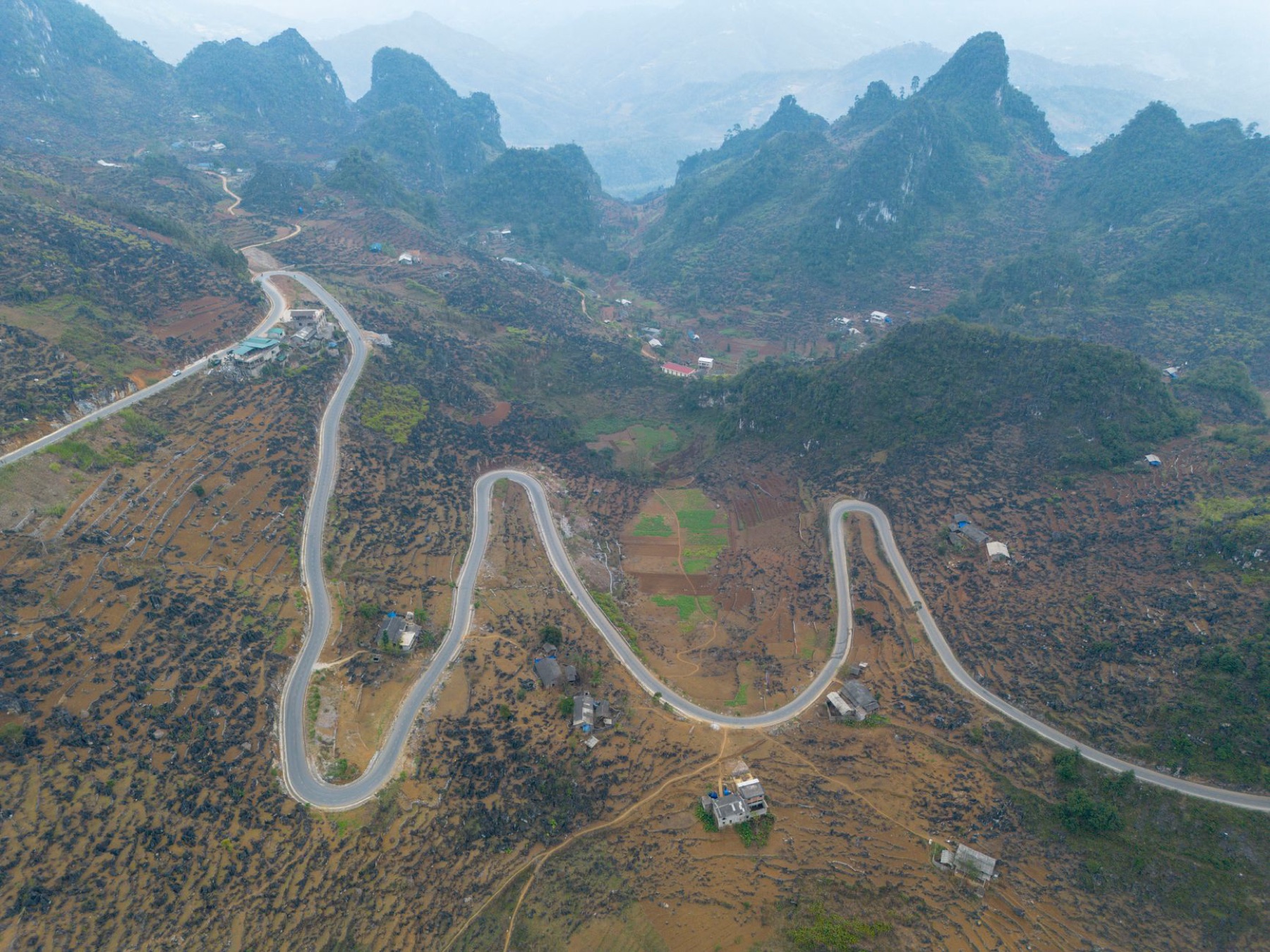
The loop is challenging, not inherently dangerous. Winding mountain roads demand focus—especially in rain or darkness—and bikes are basic rentals. Ride within your ability, drive defensively, and avoid night travel. Local riders tackle it daily; most tourist accidents stem from speeding, wet roads, or inexperience rather than the route itself. Start early, stay alert, and the loop delivers unforgettable views safely.
What's the real difference between Hmong, Tay, and Lo Lo villages?
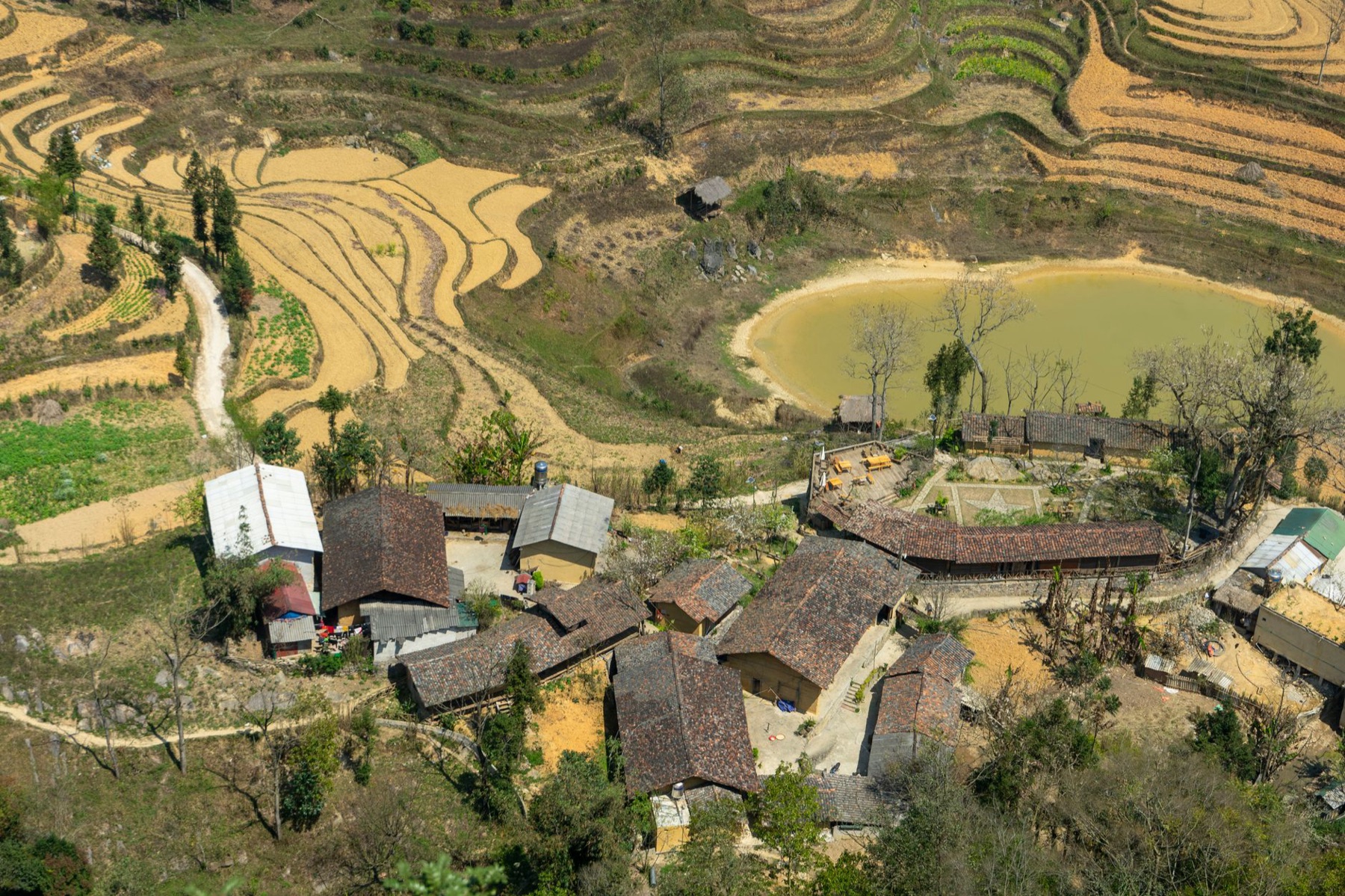
Hmong communities cluster at higher altitudes (800m+), grow corn and indigo, and wear distinctive pleated skirts and embroidered jackets. Tay people live lower, farm rice and cassava, and have gentler, Tao-influenced traditions. Lo Lo villages are smaller, live highest, and maintain more isolated customs. Each group cooks differently, celebrates unique festivals, and welcomes respectful visitors—but tourism hasn't homogenized them yet. Staying overnight in a homestay reveals these differences far better than a day visit.
When should I actually go—and when to avoid?
Spring (March–May) and autumn (September–November) bring clear skies, cool temperatures (15–25°C), and manageable roads. Summer (June–August) means heavy rain and landslide risk; winter (December–February) is dry but cold (5–10°C at altitude). Avoid Tet (lunar new year, late January–February)—villages are closed to family celebrations. March through May is peak season for good reason. Book accommodation early; homestays fill fast.
📸 Book an ao dai photoshoot in Hanoi or Saigon (Cáo Studio)
How much does a typical Ha Giang trip actually cost?
A budget 4-day loop runs approximately 2,000,000–2,800,000 VND (USD 80–110) per person: bike rental (800,000–1,200,000 VND total), fuel (~300,000 VND), homestay or guesthouse (200,000–400,000 VND/night), and food (100,000–200,000 VND/day). Guided tours cost 3,500,000–5,000,000 VND (USD 140–200) for 3 days all-in, which adds safety and context but reduces flexibility. Organized tours include pickup from Hanoi (2–3 hours), guide, accommodation, and some meals; the price difference reflects convenience, not luxury.
Should you hire a guide, rent a bike solo, or join a group tour?
Option | Who it suits | Cost (3 days) | Best for ---|---|---|--- Solo motorbike rental | Experienced riders, tight budget | ~2–2.5M VND | Freedom, off-road discovery Guided private group (2–3 people) | Small groups wanting context | ~3.5–4M VND | Safety + cultural depth Organized public tour (mixed group) | Solo travelers, zero experience | ~4–5M VND | Companionship, structured itinerary
Solo rentals demand motorbike competence and navigation skills; get an offline map and ride within your limits. Guides—local or freelance English speakers—unlock village connections and translate meals. Group tours sacrifice spontaneity but remove logistics stress. None is "best"; choose by confidence level and what you want from the experience.
What should I pack that most travelers forget?
Bring a good rain jacket (June–August especially), sturdy helmet, sunscreen, and electrolyte tablets for altitude. Villagers appreciate small gifts: colored pencils, notebook, instant coffee. Offline maps (Google Maps downloaded, or a Garmin GPS app) are essential; mobile coverage is patchy. A headlamp for homestay nights without electricity is practical. First-aid basics matter on remote roads. Leave fancy luggage in Hanoi—take only a small backpack that won't topple a rental bike.
When is it honestly too crowded, and where are the quieter alternatives?
Dong Van town and the loop circuit fill August–September and peak March–April. Quieter alternatives: ride northwest toward Yen Minh district (fewer homestays, fewer tourists, equally stunning); detour to Khau Vai Love Market (Tay market, slower pace than main loop); or base in smaller hamlets like Sung La or Lung Cu. March–April brings organized groups; October–November brings independent travelers. September is rainy but emptier. The quietest weeks are December–January (cold) and June (rainy).
🎟️ Compare tours & tickets for this place
---
What to bring home: a thoughtful keepsake
Most Ha Giang visitors buy indigo textiles at Dong Van market—scarves, shoulder bags, wall hangings made by Hmong women. These make genuine gifts because they support local artisans directly. When you return to Hanoi or Ho Chi Minh City, we recommend pairing a textile with a personalized star map print capturing your trip date—a private record of where you were when Ha Giang changed how you see Vietnam. For something smaller, custom postcards or engraved wooden pieces documenting the loop route also resonate long after the soreness fades from your legs.
A handmade indigo weaving is already a story. A custom keepsake anchors it to memory.
---
Honest "what to check before you go" checklist
- Bike condition: Test brakes, tires, and lights before leaving town; ask the rental shop which repair shop to call (they know locals).
- Insurance & documents: Your travel policy covers motorbike rental? (Most don't automatically—add it.) Carry passport, international driving permit, and proof of insurance if you have it.
- Homestay standards: Confirm water, toilet, and heating/cooling before booking; homestays range from basic to comfortable—ask recent reviews.
- Weather windows: Check 7-day forecast; if heavy rain predicted, delay or shorten the loop.
- Cash only: ATMs exist in Ha Giang town only; carry enough VND for 3–5 days of back-country riding.
- Communication: Buy a Vietnam eSIM with data before arrival; local SIM cards also work but require registration.
- Respectful photography: Always ask before photographing people or inside homes; many older villagers prefer you don't.
---
Related reading & next steps
Extend your northern circuit by adding Sapa (cooler, higher, more infrastructure) or Ninh Binh (limestone scenery, easier pacing). For a contrast, Ha Long Bay offers similar karst drama by boat. Hoi An in central Vietnam is worth a separate trip for architecture and culture. Already planning? Start with our Vietnam itinerary planner to slot Ha Giang into a realistic week or two.
🗺️ Plan your route: Vietnam itinerary
If you're visiting from abroad, don't forget to arrange your Vietnam e-visa in advance—it saves time and hassle at the border.
---
FAQ
How many days do I actually need in Ha Giang?
Three days minimum for the loop ride itself; four to five days adds village homestays and buffer time for weather or mechanical delays. A rushed 2-day loop is possible but exhausting. Seven days lets you ride slower, explore side valleys, and integrate rest days comfortably.
Is it safer to ride solo or with a guide?
Solo riding works if you're experienced and confident; a guide reduces risk and enriches cultural encounters because they navigate and translate. A guide costs more but adds context, repairs support, and local village connections that solo riders miss. Beginner riders should hire a guide.
Can I hire a driver instead of renting a motorbike?
Yes—arrange private car hire in Ha Giang town (roughly 1,500,000–2,000,000 VND/day for a sedan with driver). You trade the immersive ride-the-loop experience for comfort and safety. Tours include this option. Most travelers who come to Ha Giang specifically want the motorbike challenge; drivers suit those with mobility issues or zero riding experience.
What's the food like, and are there vegetarian options?
Homestay meals center on rice, leafy greens, tofu, and occasional meat; simple, fresh, and filling. Vegetarian travelers should mention it when booking—homestay hosts adapt easily for a few days. Restaurants in Dong Van and Ha Giang town offer pho, com tam, and banh mi. Street food is safe and cheap. Expect basic flavors, not fancy cuisine.
Should I visit the China border at Lung Cu?
The Lung Cu Flagpole sits at Vietnam's northernmost point, offering panoramic views and a quick photostop. It's a 30-minute detour from the main loop and culturally neutral—go if you're curious about borders or want bragging rights. It's not essential to the Ha Giang experience, and crowds peak mid-morning; visit early or skip it if the route feels long already.
FAQ
How many days do I actually need in Ha Giang?
Three days minimum for the loop ride itself; four to five days adds village homestays and buffer time for weather or mechanical delays. A rushed 2-day loop is possible but exhausting. Seven days lets you ride slower, explore side valleys, and integrate rest days comfortably.
Is it safer to ride solo or with a guide?
Solo riding works if you're experienced and confident; a guide reduces risk and enriches cultural encounters because they navigate and translate. A guide costs more but adds context, repairs support, and local village connections that solo riders miss. Beginner riders should hire a guide.
Can I hire a driver instead of renting a motorbike?
Yes—arrange private car hire in Ha Giang town (roughly 1,500,000–2,000,000 VND/day for a sedan with driver). You trade the immersive ride-the-loop experience for comfort and safety. Tours include this option. Most travelers who come to Ha Giang specifically want the motorbike challenge; drivers suit those with mobility issues or zero riding experience.
What's the food like, and are there vegetarian options?
Homestay meals center on rice, leafy greens, tofu, and occasional meat; simple, fresh, and filling. Vegetarian travelers should mention it when booking—homestay hosts adapt easily for a few days. Restaurants in Dong Van and Ha Giang town offer pho, com tam, and banh mi. Street food is safe and cheap. Expect basic flavors, not fancy cuisine.
Should I visit the China border at Lung Cu?
The Lung Cu Flagpole sits at Vietnam's northernmost point, offering panoramic views and a quick photostop. It's a 30-minute detour from the main loop and culturally neutral—go if you're curious about borders or want bragging rights. It's not essential to the Ha Giang experience, and crowds peak mid-morning; visit early or skip it if the route feels long already.
More: Ha Giang travel guide