Hanoi · Things to do
Is Hanoi Worth Visiting? What Real Travelers Find (2026)
By Wander in Vietnam editorial team · Hanoi, Vietnam
Hanoi divides travelers sharply. Half call it transformative; half call it exhausting. Neither side is wrong. The capital demands a particular mindset: you must accept noise, negotiation, and the constant hum of 8 million motorbikes. If you want mall-clean, predictable tourism, skip ahead to Ha Long Bay or Hoi An. If you crave real, messy, living cities where locals eat, argue, and trade on the street, stay.
We've watched visitors arrive with romantic notions from colonial-era photos and leave overwhelmed after 48 hours. Others disappear into Hanoi's backstreets for a week and emerge transformed. The difference isn't luck—it's preparation.
What Makes Hanoi Actually Worth Your Time?
Hanoi's value lies in three things you can't get elsewhere in Southeast Asia: preserved French colonial architecture mixed with communist-era concrete, uninterrupted 1000-year street culture in the Old Quarter, and Hanoian street food that tastes nothing like what travels. The city is a living museum where vendors have occupied the same 2-meter-wide stall for 30+ years. That's not tourism theater—that's survival.
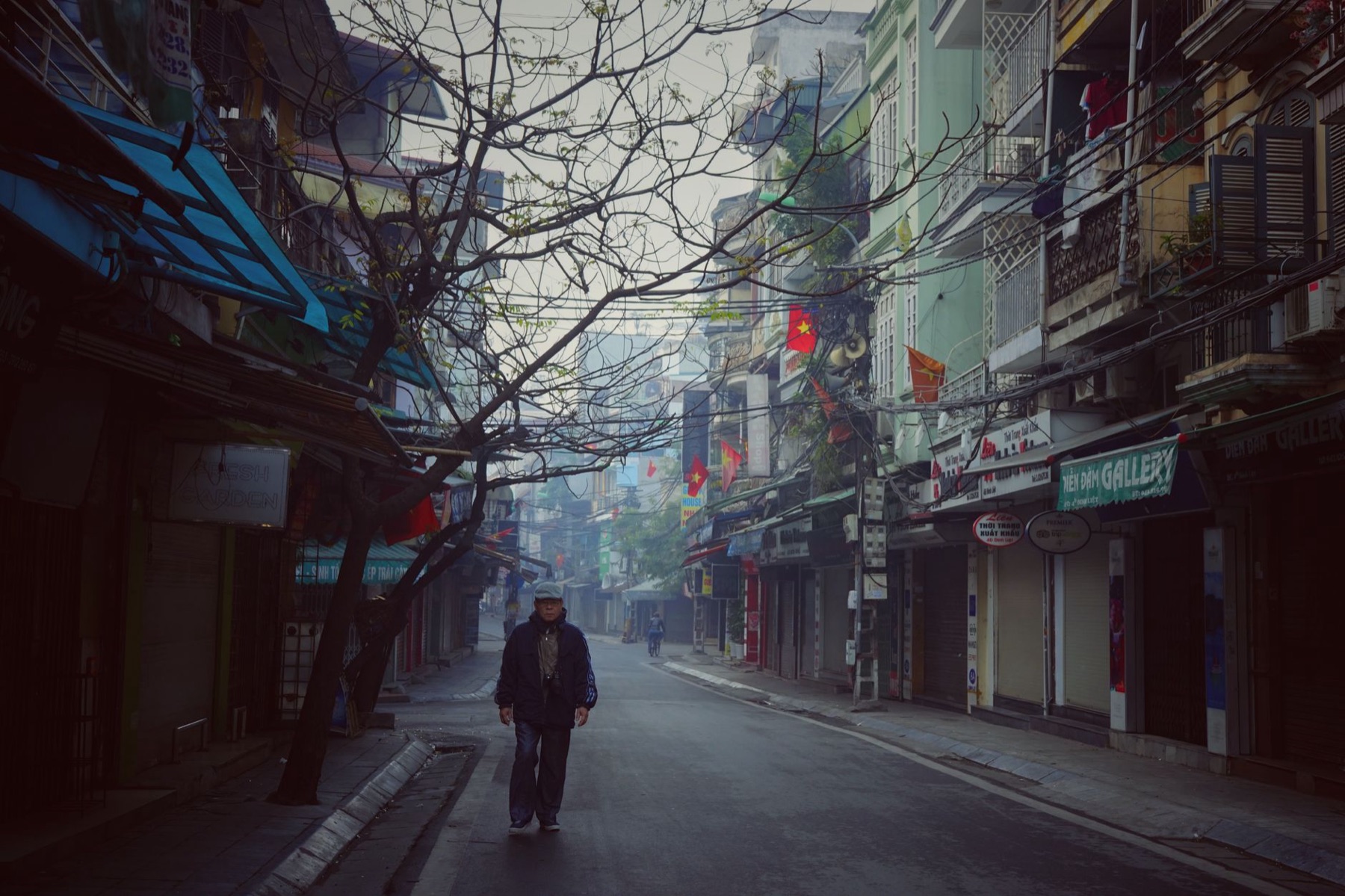
You won't find postcard moments. You'll find a vendor ladling broth at 5 a.m. while the city wakes, three-generation families cramped above a motorbike repair shop, and teenagers playing badminton under a highway overpass. If documentation and connection matter more to you than comfort, Hanoi justifies the trip.
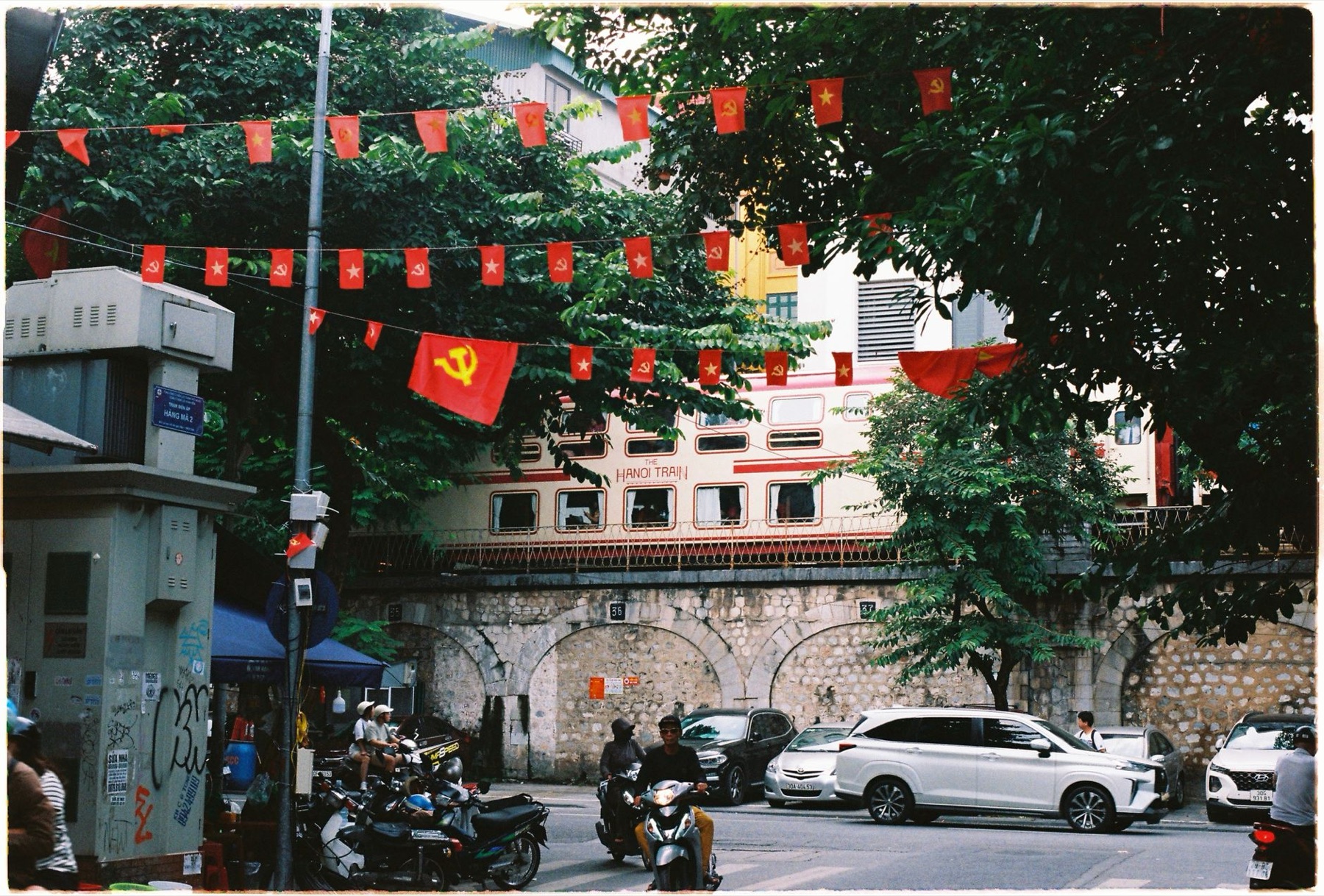
The temples—Trấn Quốc, Khánh Thiên, Thăng Long—predate most of Europe. Walk them at dawn before tour groups arrive. The lake districts (Hoan Kiem, Tây Hồ) offer peaceful breathing room. Train Street (Phường Phúc Tân, downtown), where passenger trains still roll through a residential neighborhood, shows urban evolution frozen in time. None of this costs entry fees.
Should You Actually Spend 5 Days Here?
Most travelers book 3 days and regret it—then book 5 and still leave feeling they've only scratched the surface. A realistic breakdown:
- Day 1: Old Quarter, Hoan Kiem Lake, Trấn Quốc temple, street food night.
- Day 2: Hoan Kiem morning walks, Khánh Thiên temple, water puppet theater, Night Bazaar (casual, 19:00–22:00 on weekends).
- Day 3: Day trip to nearby Ninh Binh (30km, 1 hour drive) or extended exploration of Tây Hồ district and West Lake neighborhoods.
- Days 4–5: Niche interests (photography tours, ao dai fittings, specific museum visits, neighborhood food crawls, or buffer for jet lag).
Skip if: You dislike crowds, need predictable schedules, or want "rest days" in a beach setting. Go to Hoi An instead for charm without the motorcycle noise, or plan Hanoi as part of a broader Vietnam itinerary where you allocate 2–3 days and accept you won't see everything.
🗺️ Plan your route: Vietnam itinerary
What Actually Goes Wrong (And How to Avoid It)
Scams in Hanoi are fewer than tourists expect—but real. Taxi trickery is common: refuse unmarked taxis. Use Grab (motorbike or car app; fair price locked in). Bar overcharging targets drunk foreigners in the Old Quarter late at night—stick to restaurants or peer-reviewed cafes. Fake silk shops in tourist areas sell synthetic cloth at silk prices.
The real friction isn't fraud; it's unmet expectations. Noise happens 24/7 (fireworks, construction, motorbikes at 2 a.m.—legal). The air quality is seasonal; winters (October–February) are clearest. Sidewalks are chaotic; walk deliberately and treat red lights as suggestions. Restaurants quote inflated prices to foreigners until you learn to ask locals or check menus posted outside.
What to check before you commit:
- Book accommodation in a quieter zone (Tây Hồ, Ba Đinh) if noise triggers you. Old Quarter is experience-rich but sleepless.
- Arrive with an eSIM or arrange data; mapping and Grab depend on it. Get details on Vietnam eSIM.
- Confirm visa requirements in advance. Check Vietnam visa options.
- Budget 100,000–300,000 VND (roughly $4–12 USD) per day for street food; 200,000–600,000 VND for casual restaurants.
How to Document and Remember Hanoi Properly
Hanoi demands a camera—but not a tourist one. Hire a photographer for a professional ao dai or candid street portrait session. Book an ao dai photoshoot in Hanoi via Cáo Studio, which includes period costume fitting, makeup, and shoots in Old Quarter light. A session runs 2–3 hours and costs roughly $80–150 USD for full editing. Many travelers skip this and regret it; the formal ao dai photographs capture Hanoi's elegance you won't feel amid the chaos.
Alternatively, carry a small gift or keepsake to anchor memories. We recommend:
| Item Type | Best For | Why It Works |
|---|---|---|
| Printed map (street-level) | Framing later | Remembers routes you walked; tactile. |
| Engraved keepsake box | Gifting home | Holds a Hanoi cafe receipt, temple rubbing, or handwritten note. |
| Star map print (Hanoi sky) | Couple or solo traveler | Marks the night you understood the city. |
| Photo book (street scenes) | Reflection | Flips through your own shots curated by neighborhood. |
Browse gift collections to find items you can personalize with dates, coordinates, or quotes from your trip. Many ship internationally within 5–10 days.
📸 Book an ao dai photoshoot in Hanoi or Saigon (Cáo Studio)
Hanoi as a Gateway: When to Combine It With Elsewhere
Hanoi alone is not a complete Vietnam trip. It's a 3–5 day anchor that unlocks everything north. From here:
- Ninh Binh (90 km south, 2 hours): limestone karsts, boat rides, temples. Day trip or overnight.
- Ha Long Bay (160 km east, 3–4 hours): UNESCO cruises, cave hikes. Overrated for tourists (crowded boats, photogenic but brief), but essential if you have time.
- Sapa (350 km northwest, 5–6 hours by bus overnight): mountain trekking, ethnic villages, rice terraces. Best May–September.
- Ho Chi Minh City (1640 km south, 2 hours by plane): opposite energy—busier, hotter, modern. Often preferred by travelers overwhelmed by Hanoi.
A solid two-week Vietnam trip: Hanoi (4 days) → Ninh Binh (2 days) → Ha Long Bay (2 days) → flights to Ho Chi Minh City (3 days) → Hoi An (3 days). Hanoi shines when positioned as the cultural deep-dive before faster-paced cities.
The Honest Verdict
Is Hanoi worth visiting? Yes—for specific travelers. Book it if:
- You thrive in density and complexity.
- You'll spend time on foot learning neighborhoods (not tours).
- You accept noise, humidity, and unpredictability as part of the deal.
- You care about food, history, and street-level culture.
Skip it if you want a "relaxing vacation." Hanoi is work—thrilling work, but work. You'll decode a city, not check boxes on a list.
Most travelers leave wishing they'd stayed longer and grateful they're leaving. That contradiction is Hanoi. If you're reading this and those feelings resonate, book the trip.
🎟️ Compare tours & tickets for this place | Start planning with Hanoi's detailed neighborhood guide
---
FAQ
How many days do I actually need in Hanoi?
Three days covers major sights and Old Quarter chaos; five days lets you slow down, take cooking classes, visit outlying temples, and breathe. Fewer than three feels rushed. More than six risks repetition unless you're doing focused activities (language study, art classes, neighborhood documentation).
Is it safe to walk around Hanoi alone at night?
Yes, mostly. Petty theft and drunk overcharging happen, but violent crime toward tourists is rare. Stay aware, avoid empty alleys after midnight, use Grab instead of random taxis, and keep valuables concealed. Women report more hassle (staring, unsolicited touches) than danger; firm refusals work.
What's the best time to visit Hanoi?
October–November (autumn) and March–April (spring) are ideal: 20–28°C, clear air, fewer tourists than December–January. Summer (May–September) is hot, humid, and rainy. Winter (December–February) is cold and grey but cheapest. Tet (Lunar New Year, late Jan–Feb) closes many shops; avoid unless experiencing Tet specifically.
Can I drink the tap water?
No. Use bottled or filtered water (widely available, around 5,000–20,000 VND per liter). Hotels and restaurants serve bottled water; ice from tourist areas is typically filtered, but stomach issues are common for new visitors regardless. Take probiotics.
Do I need to book accommodation in advance?
Yes, 2–3 weeks ahead for comfort and choice, especially October–November and January. Last-minute bookings work (many hostels have walk-in beds), but prices spike and choices shrink. Quiet neighborhoods fill faster than the chaotic Old Quarter, so book early if you value sleep.
FAQ
How many days do I actually need in Hanoi?
Three days covers major sights and Old Quarter chaos; five days lets you slow down, take cooking classes, visit outlying temples, and breathe. Fewer than three feels rushed. More than six risks repetition unless you're doing focused activities (language study, art classes, neighborhood documentation).
Is it safe to walk around Hanoi alone at night?
Yes, mostly. Petty theft and drunk overcharging happen, but violent crime toward tourists is rare. Stay aware, avoid empty alleys after midnight, use Grab instead of random taxis, and keep valuables concealed. Women report more hassle (staring, unsolicited touches) than danger; firm refusals work.
What's the best time to visit Hanoi?
October–November (autumn) and March–April (spring) are ideal: 20–28°C, clear air, fewer tourists than December–January. Summer (May–September) is hot, humid, and rainy. Winter (December–February) is cold and grey but cheapest. Tet (Lunar New Year, late Jan–Feb) closes many shops; avoid unless experiencing Tet specifically.
Can I drink the tap water?
No. Use bottled or filtered water (widely available, around 5,000–20,000 VND per liter). Hotels and restaurants serve bottled water; ice from tourist areas is typically filtered, but stomach issues are common for new visitors regardless. Take probiotics.
Do I need to book accommodation in advance?
Yes, 2–3 weeks ahead for comfort and choice, especially October–November and January. Last-minute bookings work (many hostels have walk-in beds), but prices spike and choices shrink. Quiet neighborhoods fill faster than the chaotic Old Quarter, so book early if you value sleep.