Ho Chi Minh City · Things to do
Is Ho Chi Minh City Worth Visiting? A Resident's Honest Guide
By Wander in Vietnam editorial team · Hanoi, Vietnam
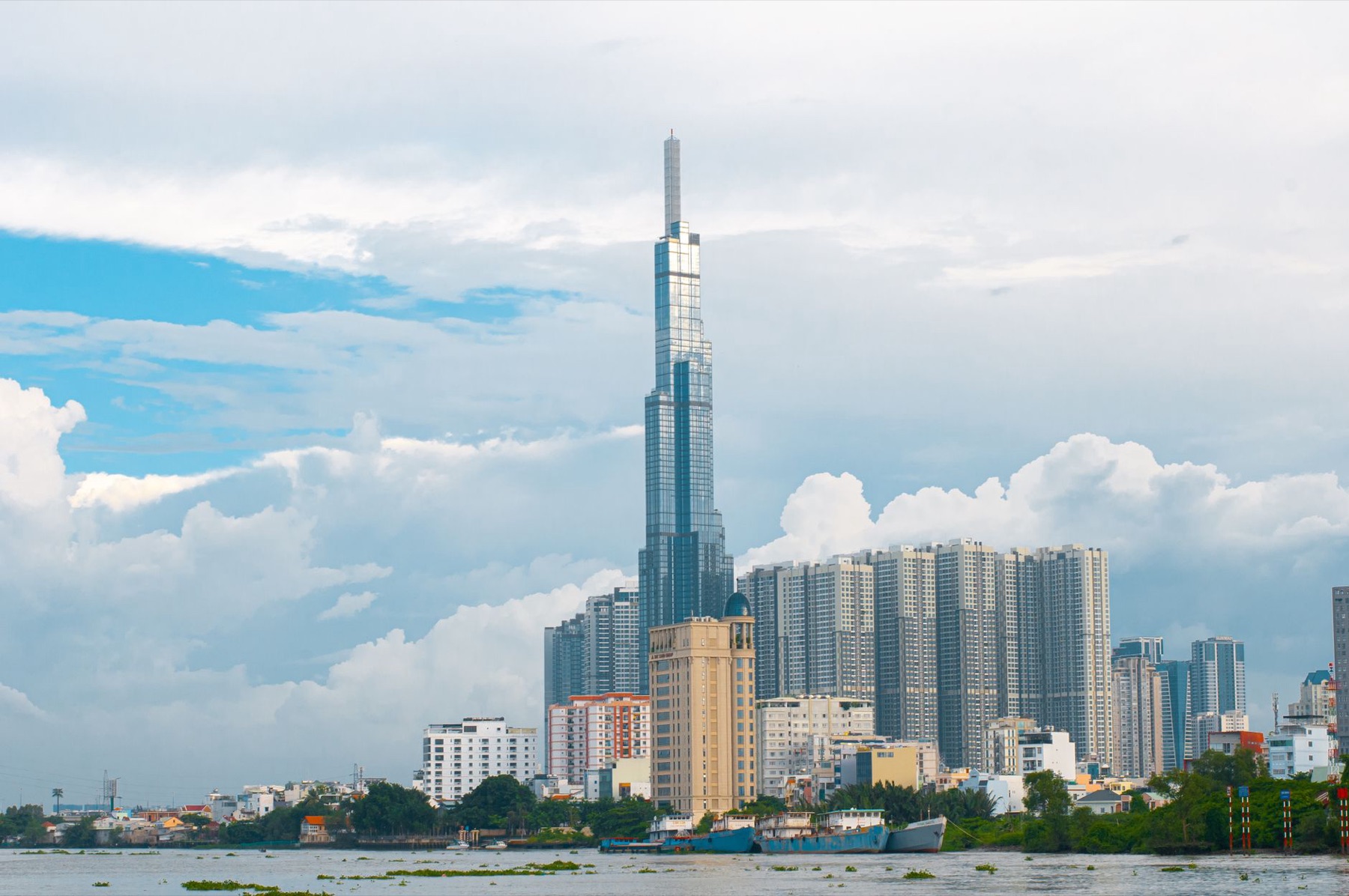
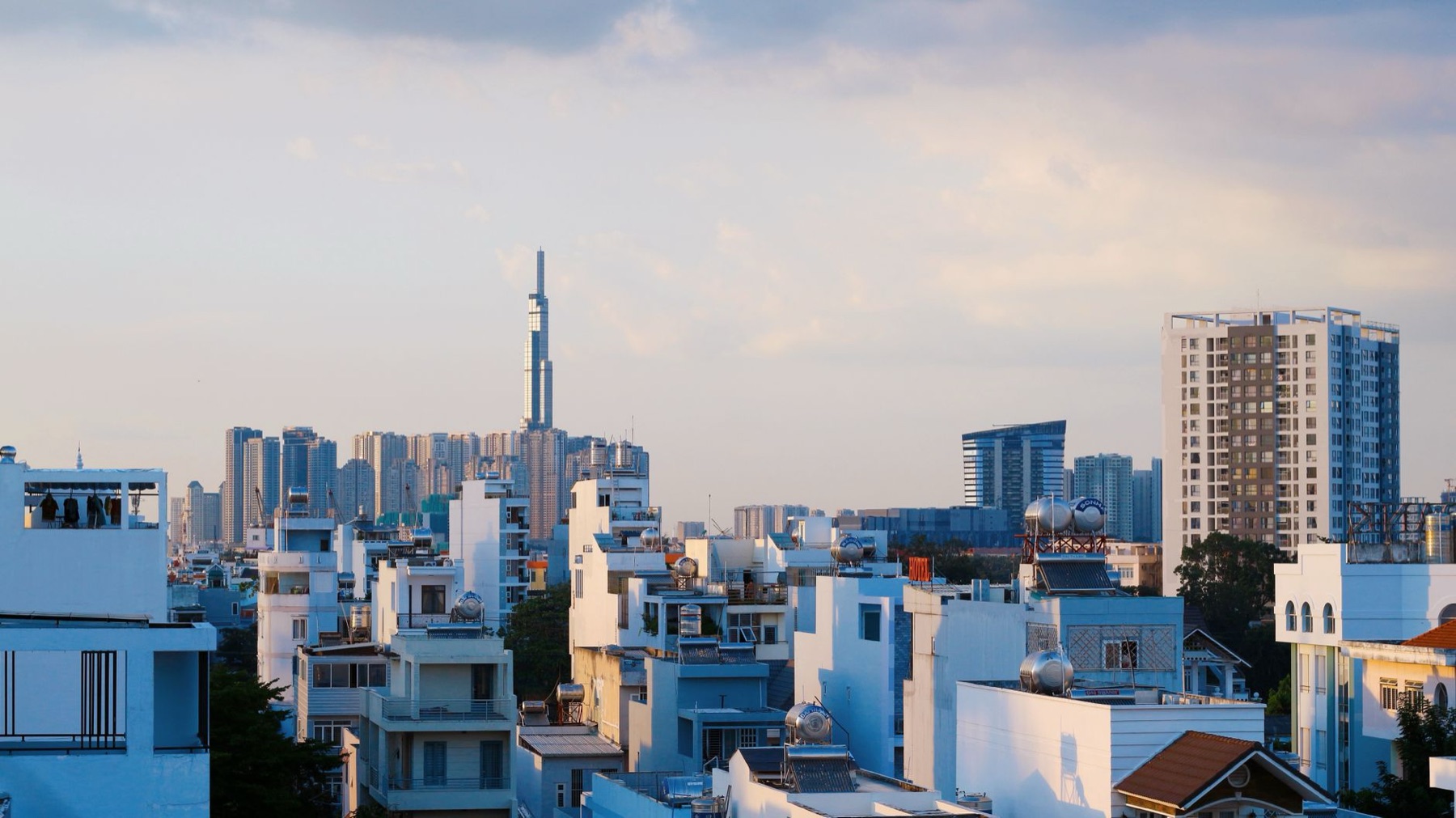
Ho Chi Minh City (still called Saigon by locals) is not a restful destination. It's a sprawling, traffic-soaked metropolis of 10 million people where motorbikes outnumber cars 10-to-1, where street vendors materialize at dusk, and where every corner café becomes a living room for a few hours. Whether that's worth your time depends entirely on what you actually want from Vietnam.
We've guided thousands through this city over years of living here, and the honest answer is: it's either a revelation or a sensory overload—rarely both.
Is Ho Chi Minh City better than Hanoi?
Hanoi is older, more atmospheric, and easier to navigate mentally. Ho Chi Minh City is faster, more commercial, more chaotic—and frankly, where money moves and energy never stops. Hanoi feels like a grandmother; Saigon feels like a loud, ambitious teenager. Hanoi has better walking neighborhoods and craft traditions; Saigon has bigger museums, more war history, and better street food diversity. Neither is objectively "better"—they're different cities for different travelers.
What can you actually do there in 3–4 days?
Day 1: War Remnants Museum (Bảo Tàng Chứng Tích Chiến Tranh), Ben Thanh Market's ground floor for energy and chaos, Reunification Palace exterior, dinner in District 1 walking streets.
Day 2: Cholon (District 5—Saigon's Chinatown): Binh Tay Market, Thien Hau Pagoda, street noodle shops, then return to central areas for cocktails or coffee.
Day 3: Mekong Delta day trip (Cu Chi Tunnels if you want history, or floating markets if you want scenery). Book through a hostel or local tour operator—around 400,000–600,000 VND ($16–$24 USD) including transport and lunch.
Day 4: Central Post Office architecture, Saigon Opera House exterior, neighborhood wandering in Binh Thanh or Phu Nhuan districts, final meals.
You'll spend at least 1–2 hours daily just sitting in traffic or motorbikes clogging streets. Factor that in.
🗺️ Plan your route: Vietnam itinerary
What makes the food actually worth traveling for?
Ho Chi Minh City has food that Hanoi cannot replicate because of southern ingredients and Chinese-Vietnamese fusion traditions from Cholon. You won't find this depth elsewhere in Vietnam.
Must-eat dishes:
- Bánh mì (toasted baguette): Corner stall, 25,000–40,000 VND ($1–$1.60 USD), warm and alive at 7 a.m.
- Húi tiếu (clear broth with pork, shrimp, offal): Cholon morning market, 35,000–50,000 VND ($1.40–$2 USD), best before 10 a.m.
- Cơm tấm (broken-rice bowl with grilled pork, egg, pickles): Lunch stalls everywhere, 40,000–60,000 VND ($1.60–$2.40 USD).
- Bánh canh (tapioca cake with seafood or pork): Street carts, 30,000–45,000 VND ($1.20–$1.80 USD).
- Cà phê đen đá (iced black coffee, made via drip filter): Everywhere, 15,000–25,000 VND ($0.60–$1 USD), ritual and culture in one cup.
The skill is going early (6–9 a.m. for breakfast spots) and asking locals which stall has been there longest. Tourist-facing pho shops in District 1 are mediocre and overpriced.
📸 Book an ao dai photoshoot in Hanoi or Saigon (Cáo Studio)
What are the real pitfalls travelers actually hit?
| Pitfall | What Happens | How to Avoid | Cost of Mistake |
|---|---|---|---|
| Taxis without meters | Driver quotes inflated fare or takes scenic route | Use Grab app (like Uber) or walk | 100,000–200,000 VND ($4–$8 USD) extra |
| Counterfeit goods in Ben Thanh | Fake branded bags, watches; seller swears authenticity | Don't buy electronics or designer items there; buy coffee, souvenirs only | $10–$50+ lost |
| Getting lost in Cholon | Narrow alleys, no English signs, identical streets | Go with a map or local guide; district is safe but confusing | 1–2 hours + frustration |
| Eating at tourist-trap restaurants | Mediocre food, inflated prices, hygiene concerns | Eat where locals eat (busy stalls at lunch, closed at 2 p.m.); follow foot traffic | 150,000–250,000 VND ($6–$10 USD) + upset stomach risk |
| Motorbike riding as tourist | Traffic is genuinely dangerous; no traffic rules enforced | Walk, use Grab, hire driver; don't rent a bike unless experienced | Injury risk |
| Street vendors overcharging tourists | Fruit, water, maps all double or triple price if you don't know rates | Ask a local the fair price first; carry small bills | 20,000–50,000 VND ($0.80–$2 USD) per transaction |
Real advice: Stick to lunch stalls (11 a.m.–1:30 p.m.), use Grab for transport, and learn the phrase "bao nhiêu tiền?" (how much money?).

How do you decide if it's actually right for you?
Ask yourself these questions honestly:
- Do I enjoy chaos? If perfect order and silence are non-negotiable, Ho Chi Minh City will frustrate you. Try Hoi An or Ha Long Bay instead.
- Can I eat street food safely? The city's magic is on the street. Resort dining is bland and expensive.
- Am I interested in recent history? The War Remnants Museum is carefully made and sobering. If that doesn't move you, you lose a major reason to stay.
- Do I want beach? Saigon isn't coastal. Mekong beaches are 3+ hours away. Better beaches exist elsewhere in Vietnam.
- Can I navigate with limited English? English is spoken in tourist areas, but you'll communicate better with a translation app or basic Vietnamese phrases.
- Do I have 3+ days? If you have only 1 day, skip it—you'll spend it adjusting, not experiencing.
If you answered "yes" to 3+ of the first four questions, and you have time, then yes: Ho Chi Minh City is worth visiting.
---
How to prepare your trip and remember it
To deepen and preserve your Ho Chi Minh City experience:
Before arrival:
- Get a Vietnam eSIM or local SIM card for Grab, maps, and translation.
- Arrange a Vietnam e-visa if required (US, UK, EU, etc. check beforehand).
- Wear loose, breathable clothing; you'll sweat in the heat and humidity.
During visit:
- Take an ao dai photoshoot to capture yourself in traditional southern Vietnamese dress against colonial or street-market backdrops. Book through Cáo Studio in Saigon—they handle makeup, hair, and locations so you look authentic.
- Commission or purchase a personalized travel map or star map print of your trip dates and locations. These make powerful, specific memories of exactly what you saw and when.
- Collect small printed postcards or handmade bookmarks from local artists in Binh Tay Market or art cafés.
🎟️ Compare tours & tickets for this place
We ship globally (US orders 5–10 days, free over $35 USD). Everything arrives gift-wrapped. 30-day smile guarantee: if it doesn't capture your trip the way you hoped, return it.
What to check before you book your trip
Seasonal weather:
- May–September: Rainy season; expect afternoon downpours, high humidity (80–95%), temperature 28–35°C. Fewer tourists, cheaper rates, but flood risk in low-lying areas.
- November–February: Dry, cooler (22–28°C), most pleasant. Peak tourist season—book hotels early, expect crowds.
- March–April: Hot and humid, fewer tourists than Nov–Feb, good for food-focused trips.
Budget reality check (per day):
- Budget traveler: 500,000–700,000 VND ($20–$28 USD) — hostels, street food, free walking tours.
- Mid-range: 1,000,000–1,500,000 VND ($40–$60 USD) — modest hotel, mix of cafés and restaurants, paid tours.
- Comfortable: 2,000,000+ VND ($80+ USD) — air-conditioned hotel, dining out regularly, private guides.
Exit strategy if it's not for you: From Ho Chi Minh City, fly or bus to Hoi An (3 hours by flight), Ha Long Bay (2 hours by flight), Sapa (2 hours by flight), or Ninh Binh (5 hours by coach) for completely different scenery and pace.
📸 Book an ao dai photoshoot in Hanoi or Saigon (Cáo Studio)
---
FAQ
Is Ho Chi Minh City safe for solo travelers?
Yes. It's safer than most major Asian cities. Use common sense: avoid displaying expensive electronics, use Grab rather than random taxis, and don't wander alone deep into back alleys at 2 a.m. Women travelers report feeling secure overall; petty theft is more common than violence.
How many days should I spend there?
Minimum 3 days to see War Remnants Museum, taste food diversity, and feel the neighborhood pulse without exhaustion. 4–5 days lets you add a Mekong day trip and actually relax. More than a week, and repeat travelers admit they're searching for something they've already found.
Should I take a guided tour or explore alone?
First-timers benefit from a 1-day guided tour (museum, markets, lunch) to get bearings and avoid peak-hour navigation stress. After that, walk neighborhoods and eat at street stalls alone—that's where the city reveals itself. Tours are around 600,000–1,000,000 VND ($24–$40 USD).
What's the best neighborhood to stay in?
District 1 (downtown, walking distance to everything, tourist-heavy, louder). District 3 (quieter, local cafés, still central, fewer backpackers). Binh Thanh or Phu Nhuan (residential, authentic, further from main sights). Avoid District 5 unless you want to focus on Cholon—it's isolated.
How much should I budget for food?
Street stalls: 30,000–60,000 VND ($1.20–$2.40 USD) per meal. Mid-range cafés: 80,000–150,000 VND ($3.20–$6 USD). Sit-down restaurants: 200,000–400,000 VND ($8–$16 USD). Daily food budget: 250,000–400,000 VND ($10–$16 USD) if eating street-focused, 600,000+ VND ($24+ USD) for mix of restaurants.
Is it worth visiting if I've already been to other Southeast Asian cities?
If you've done Bangkok and Chiang Mai: yes, different energy and food culture. If you've been to Hanoi and Hoi An: only if you have time and want the contrast—you'll get war history and Chinese-Vietnamese fusion you won't see elsewhere. If you want only beaches and temples: no, skip it and go to Hoi An or Ha Long Bay.
FAQ
Is Ho Chi Minh City safe for solo travelers?
Yes. It's safer than most major Asian cities. Use common sense: avoid displaying expensive electronics, use Grab rather than random taxis, and don't wander alone deep into back alleys at 2 a.m. Women travelers report feeling secure overall; petty theft is more common than violence.
How many days should I spend there?
Minimum 3 days to see War Remnants Museum, taste food diversity, and feel the neighborhood pulse without exhaustion. 4–5 days lets you add a Mekong day trip and actually relax. More than a week, and repeat travelers admit they're searching for something they've already found.
Should I take a guided tour or explore alone?
First-timers benefit from a 1-day guided tour (museum, markets, lunch) to get bearings and avoid peak-hour navigation stress. After that, walk neighborhoods and eat at street stalls alone—that's where the city reveals itself. Tours are around 600,000–1,000,000 VND ($24–$40 USD).
What's the best neighborhood to stay in?
District 1 (downtown, walking distance to everything, tourist-heavy, louder). District 3 (quieter, local cafés, still central, fewer backpackers). Binh Thanh or Phu Nhuan (residential, authentic, further from main sights). Avoid District 5 unless you want to focus on Cholon—it's isolated.
How much should I budget for food?
Street stalls: 30,000–60,000 VND ($1.20–$2.40 USD) per meal. Mid-range cafés: 80,000–150,000 VND ($3.20–$6 USD). Sit-down restaurants: 200,000–400,000 VND ($8–$16 USD). Daily food budget: 250,000–400,000 VND ($10–$16 USD) if eating street-focused, 600,000+ VND ($24+ USD) for mix of restaurants.
Is it worth visiting if I've already been to other Southeast Asian cities?
If you've done Bangkok and Chiang Mai: yes, different energy and food culture. If you've been to Hanoi and Hoi An: only if you have time and want the contrast—you'll get war history and Chinese-Vietnamese fusion you won't see elsewhere. If you want only beaches and temples: no, skip it and [go to Hoi An or Ha Long Bay](/ho-chi-minh-city).
More: Ho Chi Minh City guide · Things to do in Ho Chi Minh City