Hanoi · Things to do
Must Do in Hanoi: 10 Experiences Beyond the Tourist Trail
By Wander in Vietnam editorial team · Hanoi, Vietnam
What makes Hanoi unforgettable isn't the monuments—it's rhythm. The city breathes in cycles: dawn tai chi by the lake, mid-morning pho queues, afternoon coffee in shophouse shadows, evening beer gardens packed shoulder-to-shoulder. Most visitors chase the same three landmarks and miss the texture entirely.
We've spent enough time here to know where tourists cluster (and where to avoid them), what actually costs money versus what's free, and which "must-dos" genuinely reward your time. This isn't a checklist; it's a framework for moving like a resident.
Why early mornings change everything in Hanoi
Hanoi at 5:30 a.m. is a different city. Hoan Kiem Lake fills with tai chi practitioners, joggers, and locals doing morning routines. The light is soft. Air pollution is lowest. Cafes are still setting up. This window—before 7 a.m.—is non-negotiable if you want authentic Hanoi.
Start at the southern edge of Hoan Kiem Lake (Hang Dau side). Walk counterclockwise. Stop at any small pho stall that's already serving; they'll have been open since 5:30 a.m. A bowl costs around $1.50–2 USD. Sit on the plastic stool. Eat standing if you must. Watch the city wake.
By 7:30 a.m., crowds arrive. The spell breaks.
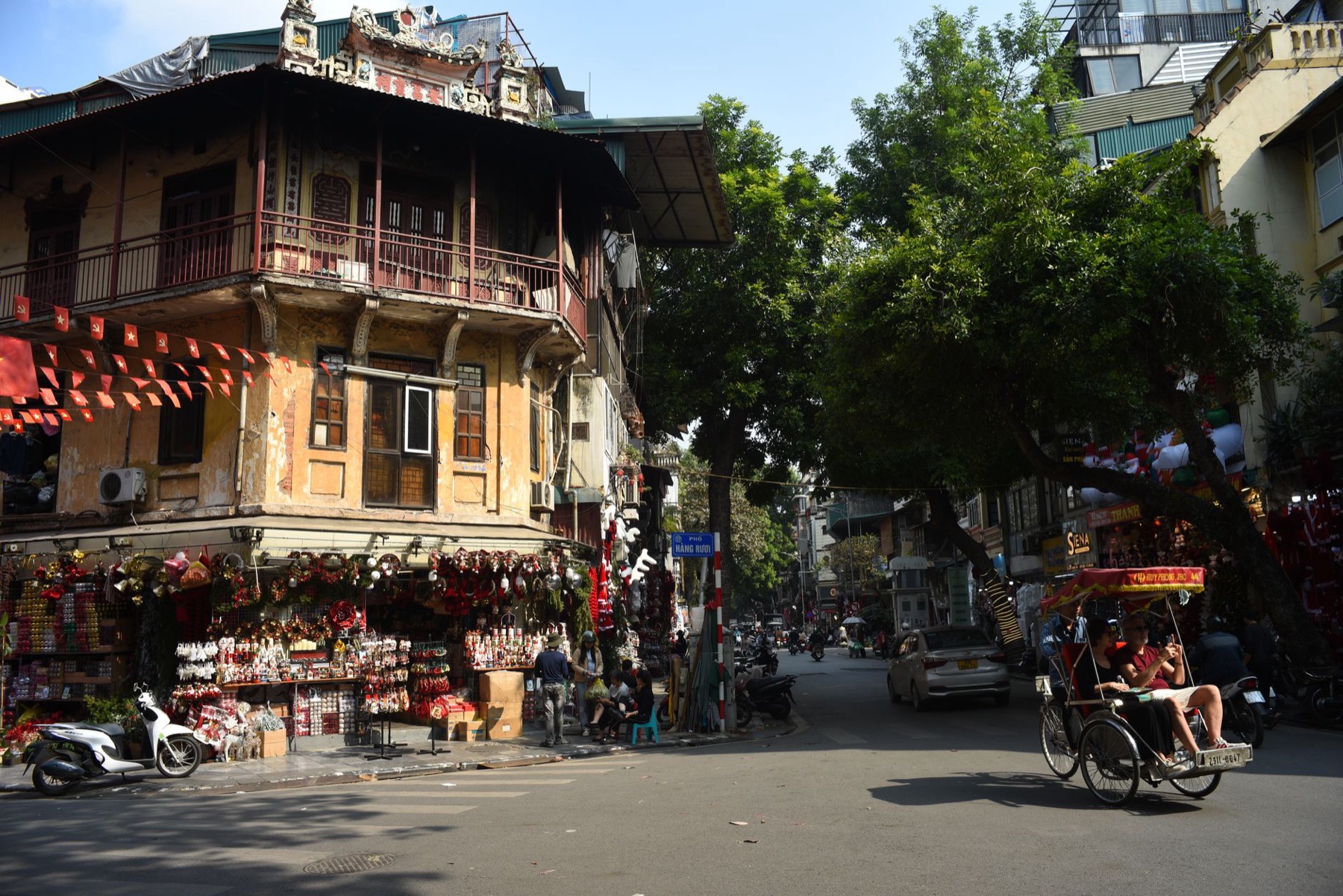
How to navigate the Old Quarter without getting completely lost
The Old Quarter (Hoan Kiem District, streets around Hang Ngang, Hang Ma, Ta Hien) is a 36-street grid, but every lane curves and intersects illogically. Google Maps works—barely. Scooters move fast. Walking is the only sane option for first-timers.
Don't try to "see" the Old Quarter in one morning. Pick one street. Spend two hours. Note what you missed. Return tomorrow to that specific block.
Key streets for first-timers:
- Hang Ma: Decorations, lanterns, paper goods (best late September through mid-January for Tet supplies).
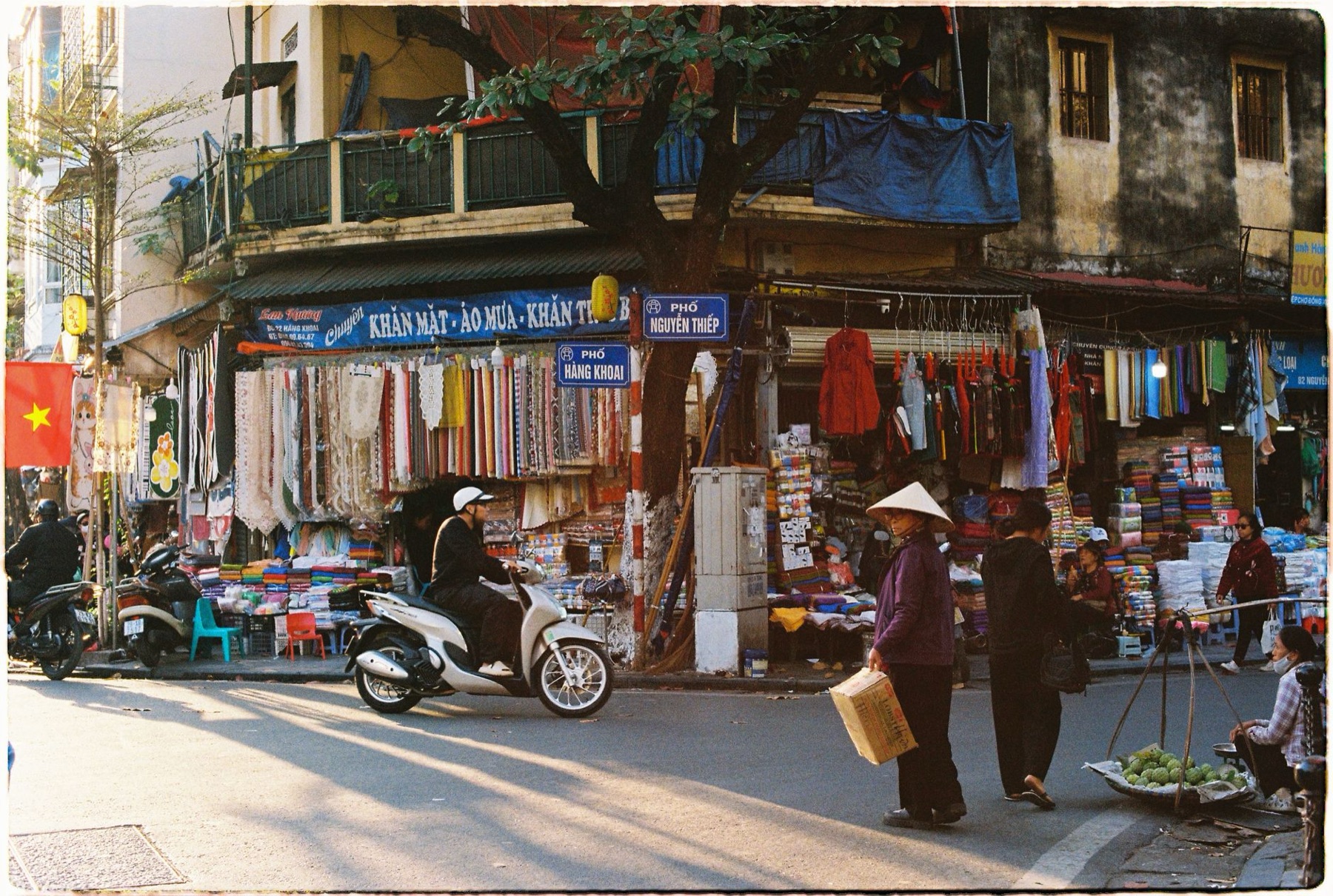
- Hang Ngang & Hang Dao: Fabric, tailors, vintage shop-houses; aim for 7–9 a.m. to see tailors measuring customers.
- Ta Hien: Tourist-dense by 9 a.m., but worth a quick 30-minute walk at 7:30 a.m. when actual traders work.
- Hang Buom: Less famous, more authentic; ceramics, kitchenware, locals buying household goods.
The scam risk is low here—it's haggling, not fraud. Prices on display are starting points. Expect to pay 60–70% of the first quote if you push back politely. Don't push hard; these vendors rely on thin margins.
🗺️ Plan your route: Vietnam itinerary
Street food crawls: The real education
Food tours exist. They're expensive ($30–60 USD) and herded. Instead, rent a scooter or walk specific alleys between 11 a.m. and 1:30 p.m.
Pho morning (5:30–7 a.m.): Find a pho stall in Hoan Kiem or Ba Dinh district. There's no signage; just locals sitting on plastic stools. A bowl (pho bo or pho ga) runs $1.50–2.50 USD. The beef is often added to warm broth, not boiled in it—a key texture difference from Southern pho.
Bun cha lunch (11 a.m.–1 p.m.): Bun cha is a Hanoi signature: grilled pork (cha) over rice vermicelli (bun), served with a dipping broth (nuoc mam). Hunt for it in Hoang Hoa Tham Street or any residential pocket of Hoan Kiem District. Expect $2–3 USD for a full plate. The smell—charred pork, fish sauce, fresh herbs—is unmistakable.
Egg coffee (3–5 p.m.): Invented in Hanoi, egg coffee is sweet, rich, and consumed in sitting-down culture. Giang Cafe (Hang Gai Street, Old Quarter) is famous and crowded; smaller shops in Hoan Kiem serve identical drinks without the wait. A cup is $2–3 USD. The foam hides a cold coffee base; don't stir, sip slowly.
Bia hơi (5–8 p.m.): Fresh beer, tapped that morning, served at plastic tables on sidewalks. Price: $0.50–1 USD per glass. Locations cluster around Ta Hien, Luong Ngoc Quyen, and Hang Manh streets. It's a social experience, not a drink—locals come in clusters, nurses arrive after shifts, office workers unwind. Avoid tourist-packed tables near Ta Hien; walk two blocks into residential streets instead.
| Experience | When | Cost (USD) | Why it works |
|---|---|---|---|
| Pho at dawn | 5:30–7 a.m. | $1.50–2.50 | Locals only, best taste window, sets mood |
| Bun cha lunch | 11 a.m.–1 p.m. | $2–3 | Hanoi-specific dish, authentic neighborhood feel |
| Egg coffee ritual | 3–5 p.m. | $2–3 | Cultural experience, slow pace, sweet memory |
| Bia hoi evening | 5–8 p.m. | $0.50–1 | Social fabric, cheap, photogenic, real Hanoi |
Temples and spiritual sites: Rules and respect
The Temple of Literature (Van Mieu-Quoc Tu Giam) in Ba Dinh District is Hanoi's oldest university and a Confucian temple. Entry is around $5–6 USD. Arrive by 7:30 a.m. if possible; it fills by 9 a.m. with tour groups.
Inside, rules matter:
- Remove shoes before entering certain halls; the attendant will direct you.
- Don't point at statues or monks.
- Women shouldn't touch monks; men shouldn't touch nuns.
- Photography is allowed in courtyards, often restricted in inner sanctums—ask first.
One Pillar Pagoda (Chua Mot Cot, Ba Dinh District) is a single stone pillar rising from a lotus pond, built in 1049. It's small, picturesque, and often overlooked. Entry is free. The site closes around 5 p.m.
Jade Island Temple (Thuc Tempel, Hoan Kiem Lake's north shore) is accessible by a red bridge. Entry is free. It's tighter, less crowded than main temples, and gives a sense of ritual stillness.
Respectful visitors—quiet, modest dress (shoulders and knees covered if entering main shrines)—will feel welcomed. Loud groups and costume photoshoots are resented, often politely asked to leave.
Water puppet theatre and why timing matters
Water puppetry is Hanoi's theatrical form. Puppets enact scenes of harvest, courtship, fishing, and myth—all in a water tank. Performances are 50 minutes.
Two main venues:
- Thang Long Water Puppet Theatre (Dinh Tien Hoang Street, Hoan Kiem District): The established, largest venue. Tickets $6–12 USD depending on seat. Shows at 3, 5, and 7 p.m. daily. Tourist-heavy but worth it; production is polished.
- Golden Mark Water Puppet Theatre (smaller, Tran Quoc Pagoda area): Less crowded, same quality, $8–10 USD.
Book online or in person same-day. Matinee (3 p.m.) has fewer tourists than evening slots. The dialogue is in Vietnamese, but the action is universal—you'll follow the plot through movement and music.
📸 Book an ao dai photoshoot in Hanoi or Saigon (Cáo Studio)
Dress up for the experience. We've seen travellers rent traditional ao dai (Vietnamese tunic dress) from tailors in the Old Quarter (around $3–5 USD for a same-day rental). It adds authenticity to the evening and gives you photos worth sharing. If you want professional shots, Cáo Studio offers ao dai styling, makeup, and photography in Hanoi—book ahead.
Cycling backstreet neighborhoods: The unmapped Hanoi
Rent a scooter (around $5–8 USD daily) or bicycle ($1–2 USD from hostels). Don't aim for landmarks. Pick a direction and get lost in Ba Dinh, Dong Da, or Hai Ba Trung districts.
What you'll find:
- Street-specific trades: One block does metal work, another sells only wedding decorations, another houses tailors and seamstresses. It's a living industrial ecosystem, not a mall.
- Family shops spanning three generations: Owners sit on stools outside. If you're friendly and curious, they'll invite you in, show you their work, offer tea.
- Hidden cafes: Small shophouse cafes, no signs, stools on the sidewalk. Ask a local or look for foot traffic. A coffee costs $0.70–1.50 USD.
- Sunset light: The low sun through narrow alleys creates photography moments that postcard pictures cannot capture.
Time commitment: 2–3 hours. Cost: $5–8 USD (rental) plus $3–5 for coffee/snacks.
Vietnam-wide context: How Hanoi fits your trip
If you're planning a multi-city Vietnam journey, Hanoi usually anchors the north. Plan your broader Vietnam itinerary here. Most visitors do 3–5 days in Hanoi, then move to Ha Long Bay, Ninh Binh, or Sapa for mountain/nature experiences.
For visa and travel logistics, check Vietnam e-visa requirements and eSIM mobile options before arrival.
Hanoi works best as a slow experience, not a speed run. Five days allows: two mornings for lake/early markets, one full day for Old Quarter/temples, one evening for water puppets and bia hoi, and one bonus day for cycling or day trips. Fewer days means choosing: Old Quarter + lake + one meal experience, minimum.
What to check before you plan
Monsoon seasons:
- May–September: Hot, humid, afternoon rain. Arrive prepared for wet clothes.
- October–April: Cooler, clearer. Best for visiting. December–February can be surprisingly chilly (10–15°C at dawn).
Scams to actually avoid:
- Cyclo touts at Hoan Kiem Lake quoting $20 USD for a tour; real cyclo rides cost $3–5 USD for 30 minutes. Agree on price before getting in.
- "Art students" or "needy children" asking you to buy their work or donate; this is organized beggarry, not genuine hardship.
- Fake metered taxis; use Grab (local ride app) instead. Cost is transparent, driver tracked, no negotiation.
- Overpriced tourist restaurants in Ta Hien Street; food is edible but $10–15 USD for pho when locals pay $2. Walk one block away and prices halve.
What to skip:
- Hoan Kiem Lake boat tours ($5–8 USD, 30 minutes); you get the lake best on foot at dawn.
- Tourist-trap museums (some are real, many are thin on content). The Temple of Literature and one or two small temples suffice.
- "Hanoi night markets" promoted heavily online; most are theme-park versions of old markets. Real night markets have vanished or shrunk due to city development.
How to move around: Grab (ride-hailing app, like Uber) is standard. A scooter ride across town is $1–2 USD. Cycles and electric bikes rent cheaply. Walking is often fastest in the Old Quarter. Public buses exist but are confusing for non-Vietnamese speakers; skip them unless you're staying weeks.
---
Hanoi Gift Ideas for People You're Meeting
If you're traveling to Hanoi to meet family or friends, or want to send something back home, consider these locally-rooted options:
- Lac lacquerware: Traditional hand-painted trays, boxes, or wall hangings. Buy from artisans in the Old Quarter or Ba Dinh. Prices range widely ($10–100+ USD depending on size and detail).
- Hanoi hand-embroidered goods: Scarves, pouches, or wall art. Support artisan collectives in Hoan Kiem or Dong Da districts.
- Silk scarves and fabric: Hanoi's silk tradition (especially from Ta Hien Street area) produces high-quality pieces. Budget $5–20 USD per scarf.
- Coffee or tea sets: Vietnamese coffee culture is iconic; buy locally roasted beans or a traditional coffee drip pot. Around $3–10 USD.
For keepsakes and personalized gifts (star maps, engraved boxes, custom artwork), browse our gift collections tailored to trip memories and recipient preferences.
🎟️ Compare tours & tickets for this place
---
At a Glance: Your Hanoi Checklist
- [ ] Day 1 morning: Hoan Kiem Lake sunrise, pho breakfast.
- [ ] Day 1 evening: Old Quarter walk, bia hoi on a side street.
- [ ] Day 2: Temple of Literature (morning), bun cha lunch, street cycling (afternoon).
- [ ] Day 2 evening: Water puppet theatre.
- [ ] Day 3: One Pillar Pagoda, Jade Island Temple, egg coffee ritual.
- [ ] Day 3 evening: Dinner in a neighborhood outside the Old Quarter; ride Grab to Ba Dinh or Hai Ba Trung and eat where locals eat.
- [ ] Day 4: Bonus day—cycling backstreets, visiting a local market not in guidebooks, or a day trip to Ninh Binh or Ha Long Bay.
---
Before You Arrive
Hanoi rewards preparation. Download Grab for transport, learn three Vietnamese phrases (xin, cam on, excuse me?), and set your phone to airplane mode + local eSIM or plan your Vietnam eSIM options in advance to avoid roaming shock.
If you're photographing your trip—especially in traditional dress—book an ao dai photoshoot in Hanoi with professional styling and makeup. Many travelers regret not having quality photos of themselves in Vietnam's iconic garment.
For flower delivery during your stay (birthday, apology, surprise), Hoa Lang Thang serves Hanoi with next-day arrangements.
Most importantly: Hanoi isn't a city to rush. Sit longer than feels necessary. Watch people. Eat without an itinerary. The real experience is in the rhythm, not the landmarks.
FAQ
How many days do I need in Hanoi to see the main sights?
Three full days covers Temple of Literature, Old Quarter, water puppets, lake walks, and street food. Five days lets you add cycling, smaller temples, and neighborhood exploration without rushing. Less than two days feels incomplete; more than a week risks repetition unless you're learning Vietnamese or deep-diving into art/history.
Is Hanoi safe for solo travelers?
Yes, very safe. Petty theft is rare; violent crime against tourists is rarer. Scooter traffic is chaotic but drivers avoid pedestrians. Women solo travelers report no specific gender-based issues beyond standard harassment-free streets. Use Grab instead of unmarked taxis, avoid flashing valuables, and trust your instincts on people—standard travel caution applies.
When is the best time to visit Hanoi?
October to November and March to April offer clear skies, mild temperatures, and low humidity. December to February is cool (10–15°C mornings) but dry. May to September is hot and wet; plan indoor activities (museums, water puppets, cafes) and expect afternoon rain. Avoid Tet (lunar new year, late January/early February) if you want shops and restaurants open; many close for one to two weeks.
Do I need to speak Vietnamese to get by in Hanoi?
No. English is spoken in hotels, tourist restaurants, and shops in Hoan Kiem District. Older generations speak less English. Learning "xin" (please), "cam on" (thank you), and "bao nhieu tien?" (how much?) earns smiles and slightly better prices. Download Google Translate's offline mode for emergencies. Younger people often speak enough English for basic directions.
What's the cheapest way to eat well in Hanoi?
Eat where locals eat: pho stalls ($1.50–2.50 USD), bun cha vendors ($2–3 USD), street-side banh mi ($1–1.50 USD), and bia hoi ($0.50–1 USD). Avoid restaurants with English menus in tourist areas. Point at dishes at local stalls if language is a barrier. Budget $8–15 USD per day for excellent, authentic food. Tourist restaurants cost $10–20 USD for mediocre versions of the same dishes.
Is it worth renting a scooter if I've never ridden one?
Not recommended. Hanoi traffic is dense and scooter-heavy. Pedestrians navigate by eye contact and rhythm—locals instinctively know when a bike will swerve. Cycling (pedal bike) is safer and slower. For longer distances, use Grab (ride-hailing). If you're experienced on a bike, rent a scooter and stay on side streets first to build confidence.
FAQ
How many days do I need in Hanoi to see the main sights?
Three full days covers Temple of Literature, Old Quarter, water puppets, lake walks, and street food. Five days lets you add cycling, smaller temples, and neighborhood exploration without rushing. Less than two days feels incomplete; more than a week risks repetition unless you're learning Vietnamese or deep-diving into art/history.
Is Hanoi safe for solo travelers?
Yes, very safe. Petty theft is rare; violent crime against tourists is rarer. Scooter traffic is chaotic but drivers avoid pedestrians. Women solo travelers report no specific gender-based issues beyond standard harassment-free streets. Use Grab instead of unmarked taxis, avoid flashing valuables, and trust your instincts on people—standard travel caution applies.
When is the best time to visit Hanoi?
October to November and March to April offer clear skies, mild temperatures, and low humidity. December to February is cool (10–15°C mornings) but dry. May to September is hot and wet; plan indoor activities (museums, water puppets, cafes) and expect afternoon rain. Avoid Tet (lunar new year, late January/early February) if you want shops and restaurants open; many close for one to two weeks.
Do I need to speak Vietnamese to get by in Hanoi?
No. English is spoken in hotels, tourist restaurants, and shops in Hoan Kiem District. Older generations speak less English. Learning "xin" (please), "cam on" (thank you), and "bao nhieu tien?" (how much?) earns smiles and slightly better prices. Download Google Translate's offline mode for emergencies. Younger people often speak enough English for basic directions.
What's the cheapest way to eat well in Hanoi?
Eat where locals eat: pho stalls ($1.50–2.50 USD), bun cha vendors ($2–3 USD), street-side banh mi ($1–1.50 USD), and bia hoi ($0.50–1 USD). Avoid restaurants with English menus in tourist areas. Point at dishes at local stalls if language is a barrier. Budget $8–15 USD per day for excellent, authentic food. Tourist restaurants cost $10–20 USD for mediocre versions of the same dishes.
Is it worth renting a scooter if I've never ridden one?
Not recommended. Hanoi traffic is dense and scooter-heavy. Pedestrians navigate by eye contact and rhythm—locals instinctively know when a bike will swerve. Cycling (pedal bike) is safer and slower. For longer distances, use Grab (ride-hailing). If you're experienced on a bike, rent a scooter and stay on side streets first to build confidence.
More: Hanoi guide · Things to do in Hanoi