Hanoi · Things to do
Must See in Hanoi: Experiences & Gifts to Remember
By Wander in Vietnam editorial team · Hanoi, Vietnam
Hanoi demands patience. Most first-time visitors rush the Old Quarter's tourist-packed lanes, snap photos at obvious landmarks, then leave. We've learned that the city reveals itself sideways—through conversations with cyclo drivers, lunch at unmarked street-food stalls, and quiet mornings at temples before tour groups arrive.
This guide separates the genuine must-sees from the overhyped experiences. We also show you how to choose gifts that actually reflect Hanoi's craft heritage instead of mass-produced trinkets.
What makes Hanoi different from other Vietnam destinations?
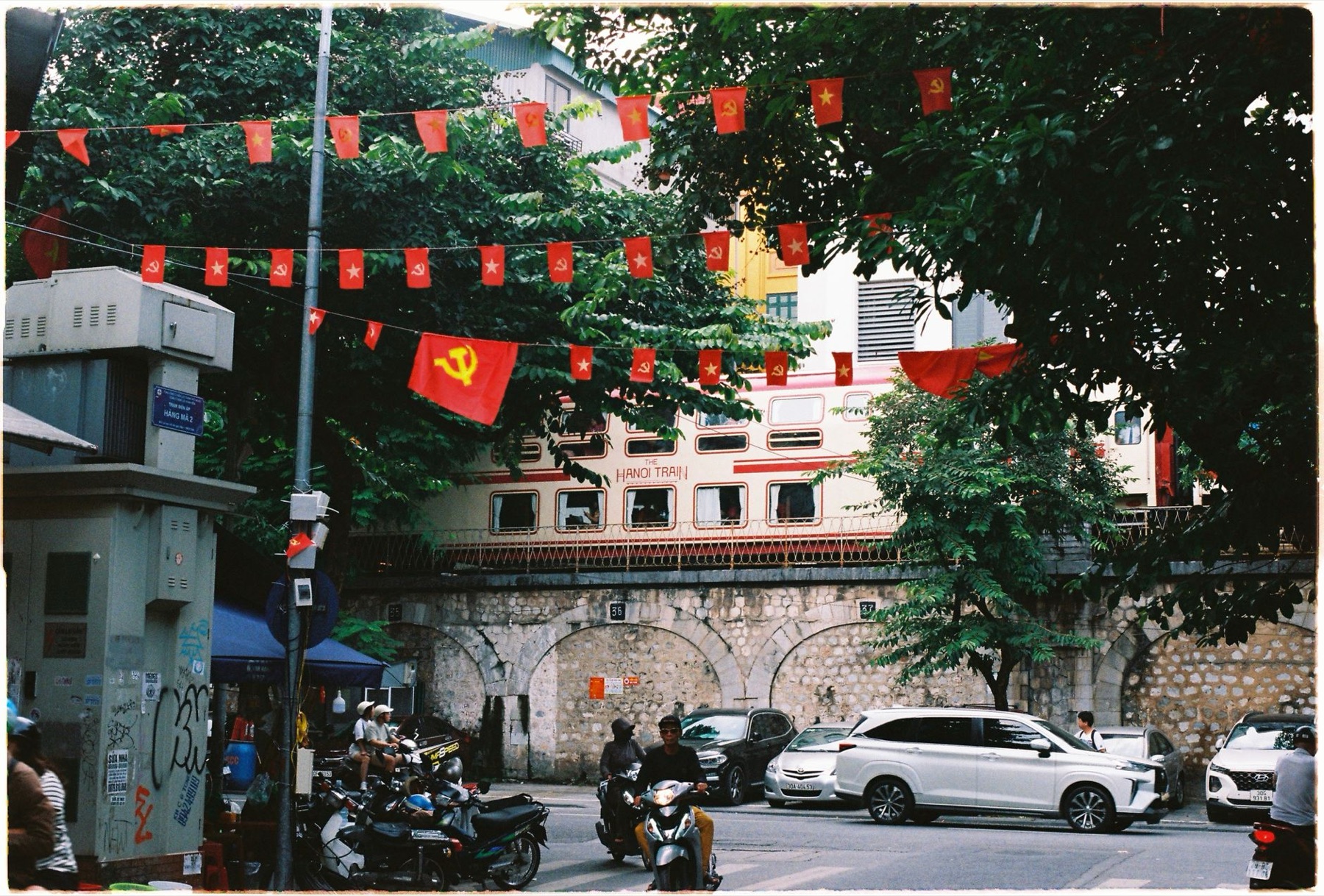
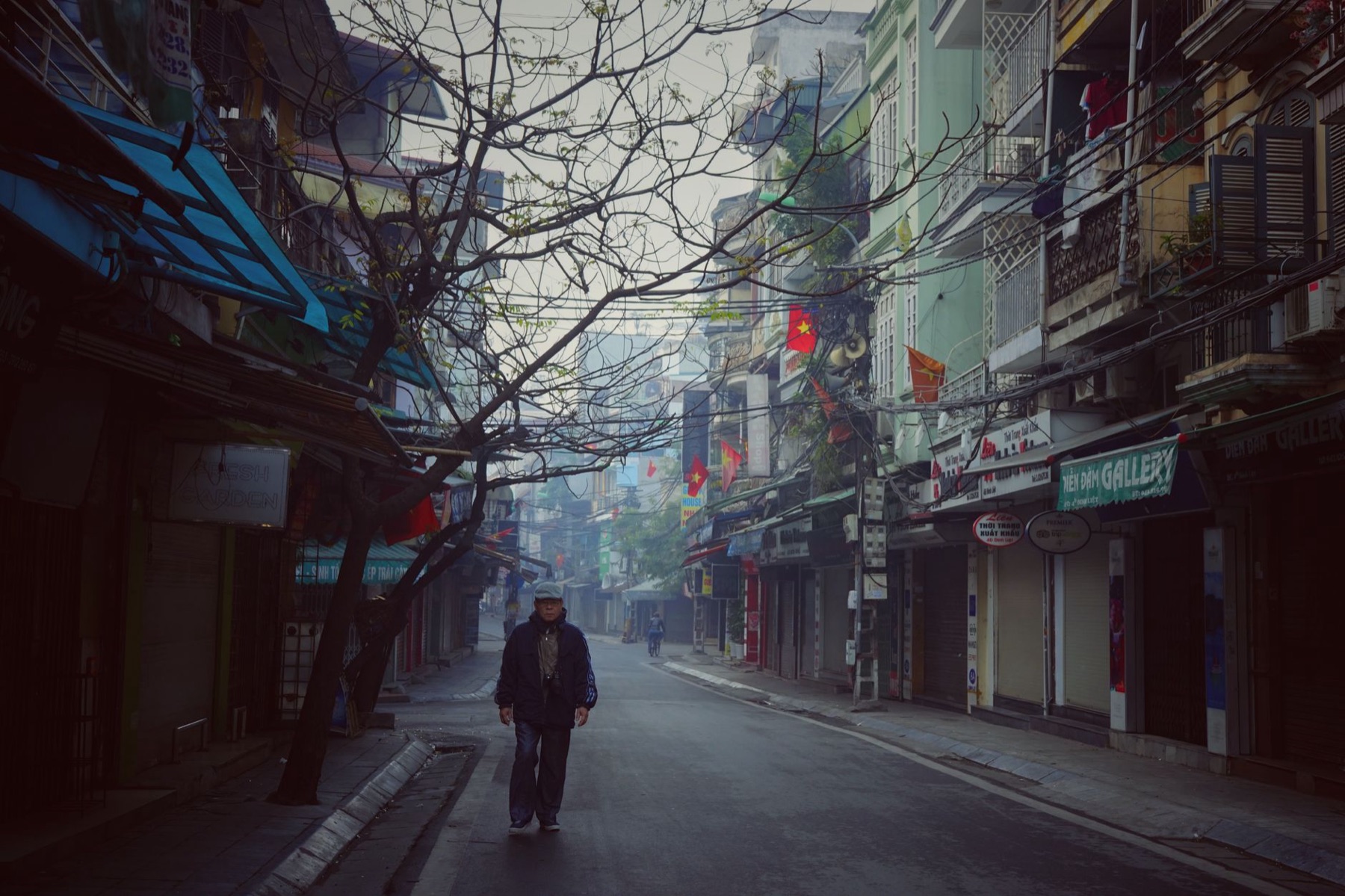
Hanoi is Vietnam's oldest capital (over 1,000 years) and feels it. Unlike Ho Chi Minh City, which is chaotic and business-driven, or the beach havens of Ha Long Bay and Hoi An, Hanoi blends imperial history, French colonial architecture, and hyperlocal street culture in compressed neighbourhoods. You'll find yourself walking a block that shifts from ancient temple to Soviet-era apartment blocks to hip young cafes. That contradiction is the point.
🗺️ Plan your route: Vietnam itinerary
Which temples and historical sites actually matter?
The Temple of Literature (Quốc Tử Giám), in Ba Dinh district, is genuine—it's Vietnam's first national university (founded 1070) and remains a working space for scholars and students, not just a museum. Arrive before 8 a.m. to avoid crowds. Entry is around 30,000 VND ($1.20 USD). The layout is methodical: courtyards, stone tortoise steles, and the central pond. Spend 1.5 hours here.
Hoan Kiem Lake (Hoan Kiem district) is where Hanoi begins and ends each day. The Turtle Tower (Thap Rua) sits in the centre—it's symbolic, not visitable, but the lakeside walk is essential early morning or sunset. Free to walk around. Skip the overpriced restaurants on the north shore.
One Pillar Pagoda (Chua Mot Cot), also in Ba Dinh, is tiny but historically significant: it's an 11th-century temple shaped like a lotus rising from a single concrete pillar. Around 10,000 VND ($0.40 USD). It's 5 minutes to see, often missed by tourists. Go midday when it's quieter.
Ignore the Hoan Kiem Lake opera house tour unless you actually have a ticket to a performance. The building is worth seeing from outside; the 45-minute "walking tour" is a waste.
Where do real locals eat, and how much should you spend?
Pho Bat Dan (in Hoan Kiem district, down the lane near Hoan Kiem Lake's east shore) is a thin alley lined with 6–8 pho vendors. Each bowl costs around 40,000–50,000 VND ($1.60–2 USD). Sit on a plastic stool. The broth has simmered overnight. This isn't Instagram-friendly, but it's authentic.
Bun Cha at a street corner in Hang Buom (Old Quarter) costs around 60,000 VND ($2.40 USD) for a full plate: grilled pork patties, rice vermicelli, pickled vegetables, and dipping sauce. Eat standing or crouched. Tourists often miss this because there's no signage.
Egg coffee (ca phe trung), invented in Hanoi in the 1940s, is unique here. Walk into any cafe in the Old Quarter and ask for it. Around 45,000–70,000 VND ($1.80–2.80 USD). The texture is silky, closer to mousse than coffee. Hanoi Gourmet cafes near the lake serve a polished version; street vendors near Hang Gai offer the same thing for half the price.
Budget tip: A full day of street-food meals (breakfast, lunch, street snack, dinner) costs around 180,000–250,000 VND ($7–10 USD) per person if you eat where locals do. Tourist restaurants charge 3–5× more for the same dish.
What gifts from Hanoi are worth buying versus skipping?
| Gift Type | Who It's For | Why It Works | What to Check |
|---|---|---|---|
| Silk scarves & fabric | Fashion-conscious friends; people who appreciate craft texture | Hanoi's silk villages (Hoa Binh Province) supply the city; scarves are lightweight, packable, useful year-round | Check the weave under light; true silk has an uneven sheen. Avoid synthetic "silk" at tourist stalls |
| Lacquerware items | Home decor lovers; gift-givers seeking "premium" feel | Handcrafted lacquer boxes, trays, or decorative bowls reflect Vietnamese artisanal tradition; durable; age beautifully | Inspect for chip-free surfaces. Real lacquer takes weeks to cure; cheap pieces peel within months |
| Water puppets (souvenir size) | Tourists collecting kitschy memorabilia; not serious collectors | Iconic to Hanoi; culturally meaningful; small versions fit suitcases | Buy from artisan makers, not stall vendors. A 10-inch figure should cost 150,000–300,000 VND ($6–12 USD); cheaper means mass-produced plastic |
| Conical hats (non la) | Photographers; adventure travelers; people buying "Vietnam experience" gifts | Lightweight; fold-flat; genuinely useful in tropical sun; worn in daily life, not just tourism | Inspect stitching (should be tight); check if woven by hand or machine. A real hand-woven non la costs 80,000–150,000 VND ($3.20–6 USD). Tourist versions cost 200,000+ VND and fall apart |
| Coffee (ground or beans) | Coffee enthusiasts; people wanting edible souvenirs | Hanoi's coffee culture is distinctive; beans from Central Highlands have international recognition; compact, portable | Buy from roasters, not airport shops. Prices in Hanoi range 120,000–250,000 VND per 250g ($4.80–10 USD); exported coffee costs 2× more |
| Embroidered clothing or wall hangings | Interior designers; textile collectors; people seeking "handmade authenticity" | Vietnamese embroidery has 1,000+ year history; each piece is unique if truly handmade; holds value | Ask the maker: "Is this hand-embroidered?" Expect 2–3 weeks for custom work. Prices start at 500,000 VND ($20 USD) for a small wall panel. Machine-embroidered items are 5× cheaper and obvious under close inspection |
🎟️ Compare tours & tickets for this place
The Old Quarter's souvenir rows (Hang Ngang, Hang Dao, Hang Gai streets) are curated for tourist traffic. Prices are inflated 3–5×. A silk scarf selling for 300,000 VND in a storefront costs 100,000 VND from the weaver's workshop outside the city.
For authentic craft gifts, visit Hang Trong (Old Quarter), where artisans still make woodblock prints and paper goods in cramped shophouses. Or travel 30 km to a silk village in Hoa Binh Province (take a shared minivan from Long Bien bus station, around 50,000 VND / $2 USD return). Spend a morning with a weaver, commission a scarf if you want, and pay workshop prices, not intermediary markups.
📸 Book an ao dai photoshoot in Hanoi or Saigon (Cáo Studio)
How many days should you actually spend in Hanoi?
Two days is bare minimum: Day 1 covers temples and Hoan Kiem Lake; Day 2 is Old Quarter and street food. You'll feel rushed and miss the rhythms.
Three days allows: morning at Temple of Literature, midday pho, afternoon walking Ha Noi's French Quarter (Hoang Dieu, Ngo Thi Nham area), evening street food in the Old Quarter. Day 2: cycle around Ho Tay (West Lake), visit a water-puppet show (Thang Long Water Puppet Theatre, nightly 8 p.m., around 100,000 VND / $4 USD per ticket), and browse night markets. Day 3: take a day trip to Ninh Binh (2 hours south, worth the ride) or rest and shop for gifts in smaller lanes.
Four to five days reveals Hanoi's real texture: you'll return to the same pho vendor, strike up conversations, catch sunsets, and move without a checklist.
What's overrated, what's a trap, and what requires an eSIM to navigate?
Overrated: The Red River tour (touristy boats, minimal views). The Hoan Kiem Lake "3-hour walking tour" (just walk it yourself). Any restaurant with a storefront on Nguyen Hue Walking Street (that's Ho Chi Minh City, not Hanoi)—but Hanoi's Old Quarter does have overly curated cafes charging 100,000+ VND for mediocre coffee.
Traps to avoid:
- Cyclo touts offering tours for "very cheap price." Agree on the fare (around 200,000–300,000 VND / $8–12 USD per hour) before climbing in, or use Grab (motorbike ride) instead.
- "Locals' silk shop" that happens to be on your walking tour's route. It's a commission trap. Go directly to a weaver if you want real silk.
- Jade and jewellery shops in the Old Quarter. Counterfeit goods are rife; unless you're an expert, skip it.
eSIM helps you: Grab rides without prepaid credit cards; Google Maps in areas without Wi-Fi; communicating with craft makers if you want custom work. A Vietnam eSIM (around $3–8 USD for 7–30 days) is cheaper and faster than airport SIM cards. You'll need it to navigate beyond the Old Quarter if you venture to suburbs or nearby towns.
What to check before you buy gifts or book tours
For gifts:
- Is it handmade or machine-produced? Ask directly.
- Are you buying from the maker or an intermediary? (Prices differ dramatically.)
- Can you inspect it closely for defects before paying?
- Does it fit your luggage weight allowance? (Lacquerware is heavy.)
- Is there a return/exchange policy if it arrives damaged during shipping (5–10 days to US/UK/Australia)?
For tours:
- Are you booking directly with the operator or through a third-party site? (Direct is often cheaper and clearer.)
- Does the price include transport, entrance fees, and meals? (Confirm in writing.)
- What's the group size? (Smaller groups = better experience.)
- What language is the guide? (Matters more in Hanoi than in beach towns.)
For street food:
- Watch the vendor's hygiene: are hands washed between customers? Is water from a clean source?
- Is the stall busy? (High turnover = fresh ingredients.)
- Is it operating during its regular hours? (Some close mid-afternoon.)
---
We recommend spending at least three days in Hanoi itself, then considering day trips to Ha Long Bay (4 hours), Ninh Binh (2 hours), or Sapa (5–6 hours north). Each adds a different layer to your Vietnam itinerary.
Before you book anything, ensure you have a Vietnam e-visa and reliable connectivity—an eSIM for Vietnam costs less than a single tourist meal and eliminates navigational stress. If you want professional photos of yourself in traditional ao dai, book a photoshoot with Cáo Studio in Hanoi a few days before your trip; the turnaround is quick and the results are shareable.
Hanoi rewards curiosity over itineraries. Sit longer, eat slower, and let small moments—a temple bell at dusk, a grandmother teaching her grandchild to roll spring rolls—become the memories you carry home.
FAQ
Do I need a tour guide for temples and historical sites?
No. Hanoi's major temples (Temple of Literature, One Pillar Pagoda) have printed or QR-code information. Self-guided is cheaper and lets you linger. Only book a guide if you want deep historical context or language is a barrier.
What's the real cost of a day in Hanoi?
Budget around 300,000–500,000 VND ($12–20 USD) per day: 50,000 VND breakfast pho, 60,000 lunch, 100,000 dinner, 50,000 cafe, 40,000 entrance fee. Hotels vary wildly (80,000 VND budget hostels to 2,000,000+ VND luxury). Grab rides across town cost 30,000–80,000 VND each.
Is it safe to eat street food in Hanoi?
Yes. Choose busy stalls with high turnover. Watch the vendor's hygiene. Avoid raw vegetables if your stomach is sensitive. Street food causes less illness than overpriced tourist restaurants. Locals eat it daily with no issue.
Should I haggle for gifts and souvenirs?
At night markets and smaller stalls, yes—expect to negotiate 10–20% off opening prices. In fixed-price shops and from artisans, no. Haggling at a craft workshop is disrespectful; pay the fair rate or walk.
How do I avoid buying fake silk or lacquerware?
Real silk has irregular sheen and feels heavy for its size. Lacquerware should have no chips or peeling; a genuine piece smells faintly of resin. Buy directly from makers in workshops (Hang Trong for wood items, Hoa Binh villages for silk) rather than tourist stalls. Prices are lower and you see the work firsthand.
What's the best time to visit Hanoi?
October to November and March to April offer cool, dry weather (15–25°C). December–February is coldest (5–15°C, occasional drizzle). May–September is hot and humid (30°C+, monsoon rain). Avoid Tet holidays (late January/early February) unless you want crowds and inflated prices.
Can I use my phone's payment apps in Hanoi?
Hanoi lags other Vietnamese cities in card acceptance. Carry cash (VND) for street food, small shops, and temples. Upscale restaurants, hotels, and Grab accept cards and international payment apps. A local bank card is useful but not essential for short trips.
Is West Lake (Ho Tay) worth visiting?
Yes, but differently than guidebooks suggest. Skip the restaurants. Instead, rent a bicycle (30,000–50,000 VND per day) and cycle the perimeter at dawn. You'll see local joggers, women swimming, and the lake's real texture—not the tourist version.
FAQ
Do I need a tour guide for temples and historical sites?
No. Hanoi's major temples (Temple of Literature, One Pillar Pagoda) have printed or QR-code information. Self-guided is cheaper and lets you linger. Only book a guide if you want deep historical context or language is a barrier.
What's the real cost of a day in Hanoi?
Budget around 300,000–500,000 VND ($12–20 USD) per day: 50,000 VND breakfast pho, 60,000 lunch, 100,000 dinner, 50,000 cafe, 40,000 entrance fee. Hotels vary wildly (80,000 VND budget hostels to 2,000,000+ VND luxury). Grab rides across town cost 30,000–80,000 VND each.
Is it safe to eat street food in Hanoi?
Yes. Choose busy stalls with high turnover. Watch the vendor's hygiene. Avoid raw vegetables if your stomach is sensitive. Street food causes less illness than overpriced tourist restaurants. Locals eat it daily with no issue.
Should I haggle for gifts and souvenirs?
At night markets and smaller stalls, yes—expect to negotiate 10–20% off opening prices. In fixed-price shops and from artisans, no. Haggling at a craft workshop is disrespectful; pay the fair rate or walk.
How do I avoid buying fake silk or lacquerware?
Real silk has irregular sheen and feels heavy for its size. Lacquerware should have no chips or peeling; a genuine piece smells faintly of resin. Buy directly from makers in workshops (Hang Trong for wood items, Hoa Binh villages for silk) rather than tourist stalls. Prices are lower and you see the work firsthand.
What's the best time to visit Hanoi?
October to November and March to April offer cool, dry weather (15–25°C). December–February is coldest (5–15°C, occasional drizzle). May–September is hot and humid (30°C+, monsoon rain). Avoid Tet holidays (late January/early February) unless you want crowds and inflated prices.
Can I use my phone's payment apps in Hanoi?
Hanoi lags other Vietnamese cities in card acceptance. Carry cash (VND) for street food, small shops, and temples. Upscale restaurants, hotels, and Grab accept cards and international payment apps. A local bank card is useful but not essential for short trips.
Is West Lake (Ho Tay) worth visiting?
Yes, but differently than guidebooks suggest. Skip the restaurants. Instead, rent a bicycle (30,000–50,000 VND per day) and cycle the perimeter at dawn. You'll see local joggers, women swimming, and the lake's real texture—not the tourist version.
More: Hanoi guide · Things to do in Hanoi