Hanoi · Things to do
Non-Touristy Things to Do in Hanoi: Local Neighborhoods & Real Experie
By Wander in Vietnam editorial team · Hanoi, Vietnam
Where do locals actually hang out in Hanoi?
Hanoi's real character lives in neighborhoods most travelers never see. The Old Quarter's pedestrianized Hoan Kiem Lake loop is crowded with camera phones; meanwhile, just three streets north in the quiet blocks near Hang Dao Market, residents browse fabric by lantern light and eat phở at 6 a.m. with construction workers. To find non-touristy Hanoi, stop asking hotels for "hidden gems" and instead follow where people are working, eating, and sitting without selfie sticks.
---
What makes Ba Đình District worth exploring over the tourist core?
Ba Đình is where government officials, students, and young professionals actually live. The neighborhood has no major tourist infrastructure, which is exactly why it matters. Walk the tree-lined streets near Ba Đình Square (Quảng trường Ba Đình) early morning—you'll see tai chi groups, grandmothers selling vegetables from baskets, and motorbike repair shops where the owner knows every regular by name. The Hoan Kiem Lake area, by contrast, is now 90% tourist-facing businesses; Ba Đình feels like Hanoi in 1995. Coffee shops here charge half what they do on Nguyen Hue (Ho Chi Minh City's equivalent). You won't find English menus, but you will find locals genuinely surprised to see you, which is refreshing.
---
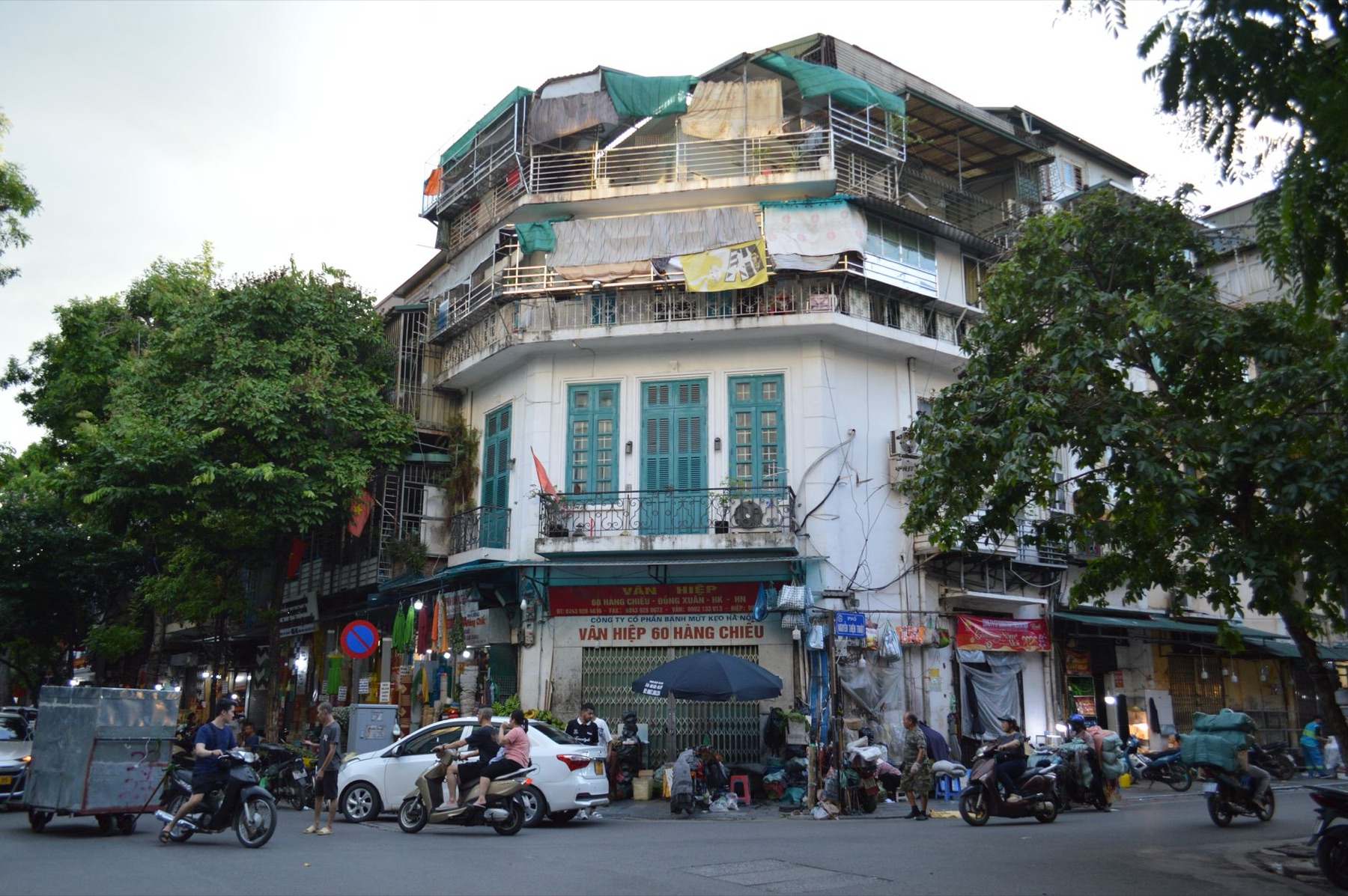
Which neighborhood markets let you shop like a resident?
Chợ Ngã Tư (Intersection Market) in Hoàn Kiếm District is where office workers and homemakers actually buy groceries. Open dawn to mid-morning, it's chaotic, loud, and entirely Vietnamese. Prices are real—around 20,000–40,000 VND ($0.79–$1.58 USD) per kilo for produce, half what tourist-facing shops charge. The wet market section has live poultry, fresh fish on ice, and meat stalls; the dry goods section sells rice, spices, and dried seafood. No English signage. Go with a translator app open and a willingness to ask questions. Chợ Bến Thành nearby operates the same way. Both close by 10 a.m., so arrive early. Avoid weekends if you hate crowds, but any weekday morning reveals how Hanoians feed themselves without paying tourist premiums.
🗺️ Plan your route: Vietnam itinerary
---
How do you find underground art scenes and independent galleries?
Hanoi's contemporary art world exists in renovated French villas and shophouses in Tây Hồ District and along the banks near Hoan Kiem. Spaces like artist collectives and independent studios—often unmarked, with no website—host openings Thursday through Sunday evenings. The catch: they're not advertised to tourists. Ask at independent coffee shops (not the Starbucks-style chains) if anyone's showing work nearby. Many Tây Hồ gallery owners are also artists; visiting their studios mid-afternoon on a Tuesday means conversations, not crowds. Street art also thrives in industrial zones around Thái Hà Road and Hàng Bông, where muralists work legally on building facades. Photography is encouraged; joining a street-art walking tour run by locals (not international operators) costs around 200,000–300,000 VND ($7.87–$11.81 USD) and supports the community directly.
---
What's the difference between eating where tourists eat and where locals eat?
| Dining Type | Tourist Version | Local Version | Price (VND) | When to Go |
|---|---|---|---|---|
| Phở | Hanoi Phở Company, English menu, 80,000–120,000 | Bowl at neighborhood stall, no signage, cash only | 30,000–50,000 | 6–8 a.m. |
| Bánh mì | Bánh mì shop with Instagram lighting, 60,000–80,000 | Pushcart on residential street, owner's been there 15 years | 25,000–35,000 | 7–10 a.m. |
| Street snacks | Night market food stalls on Hoan Kiem perimeter | Chợ Đêm (night market) in Ba Đình, same stalls, no tours | 15,000–30,000 | 7–10 p.m. |
| Com tam | Upscale "authentic" restaurant | Tiny stall in apartment courtyard, plastic stools, no AC | 35,000–50,000 | 11 a.m.–2 p.m. |
The rule is simple: if there's a menu in English and Instagram shots on the wall, you're paying tourist prices. The real meal happens at 6 a.m., on a plastic stool, with no English speaker in sight. Hanoians eat by neighborhood, not by cuisine type—there's a com tam stall, a phở place, a bánh mì cart, and a cơm chiên (fried rice) shop within 500 meters of every residential block. Ask your guesthouse (or download Google Maps offline) which stalls are closest, arrive before 8 a.m., and expect to spend 50,000–80,000 VND ($1.97–$3.15 USD) for a full breakfast.
---
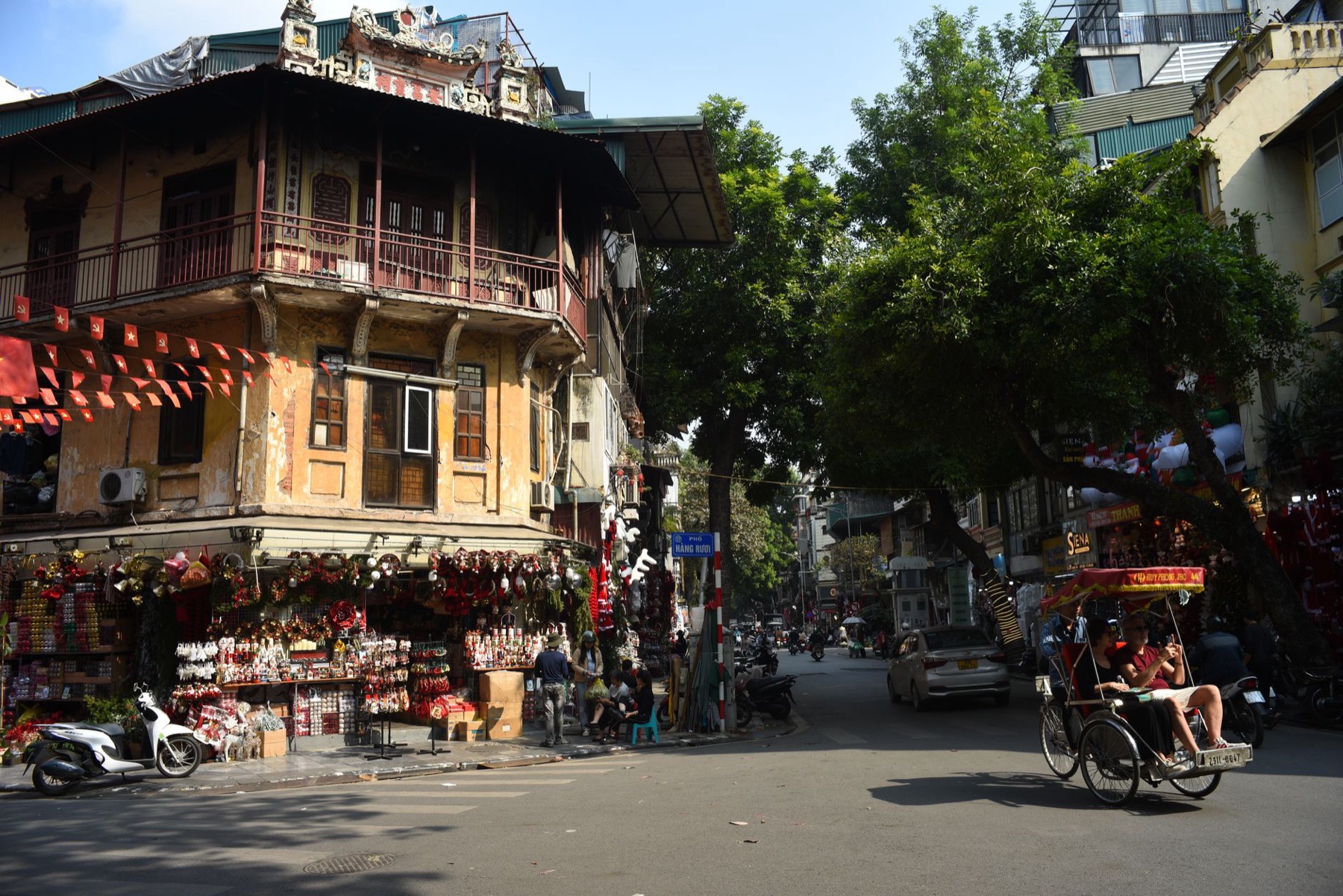
Which neighborhoods should you skip, and which are worth a half-day?
Skip entirely: The Old Quarter's central lanes (Hang One, Hang Buom, Nguyen Hue Walking Street equivalent is in Ho Chi Minh City, not here—but the Old Quarter's main pedestrian zones are equally overdone). They've been hollowed out into souvenir shops and beer bars. One block north or south of these streets, it's completely different.
Worth half a day:
- Tây Hồ (West Lake): Expensive residential area, but the lakeside walk is free and reveals how Hanoi's wealthy live. Stop at a local café overlooking the water (not the tourist-facing restaurant chains). Around 20,000–40,000 VND ($0.79–$1.58 USD) for coffee.
- Ba Đình & Phúc Tân: Government district with tree-lined streets, old French apartment buildings, and zero tour groups. Walk here at dusk; the light is perfect for photography.
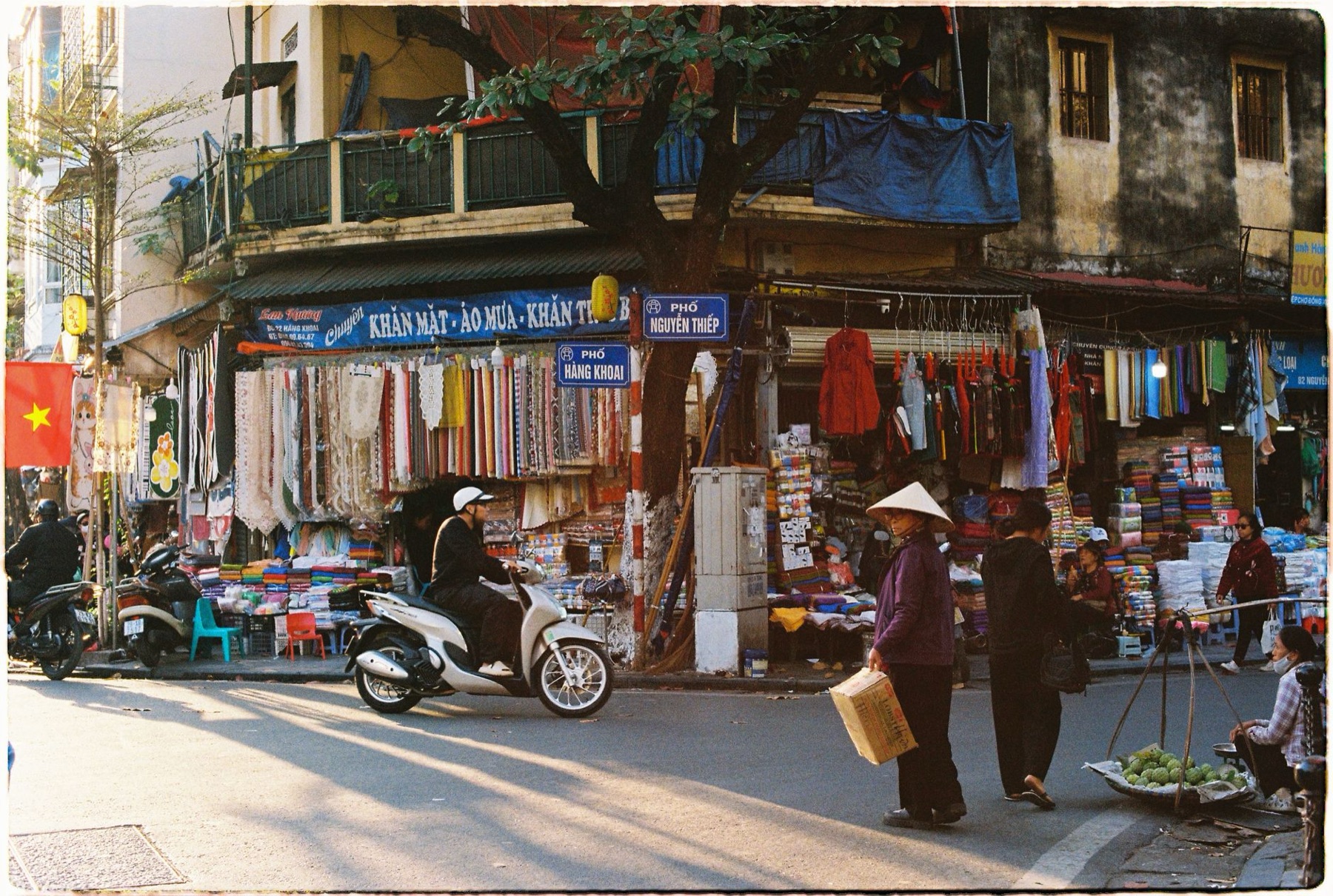
- Hoàn Kiếm back alleys: Three streets behind the main lake drag, traditional Vietnamese shophouses, mechanics' workshops, fabric sellers. Feels like stepping back 20 years.
- Hàng Bông & Thái Hà: Industrial/residential mix with street art, independent coffee roasters, and working-class energy. No major landmarks, but authentic.
📸 Book an ao dai photoshoot in Hanoi or Saigon (Cáo Studio)
---
How do you navigate Hanoi safely and avoid common tourist scams?
Hanoi is safe for walking solo, but know the traps. Tuk-tuk drivers sometimes claim meters are "broken" and quote inflated fares; use Grab (ride-hailing app) instead—around 30,000–80,000 VND ($1.18–$3.15 USD) for in-city rides. Avoid money changers near the Old Quarter; exchange at banks or ATMs. Don't buy tickets from street vendors claiming "the museum is closed today, but I have access"; it's always a scam. Fake tour guides approach foreigners offering "free" walking tours; real guides are booked in advance. Restaurants near Hoan Kiem Lake that aggressively call you in usually overcharge; local spots never recruit from the street.
When visiting local markets, bring small bills and a calculator app to verify prices. Pickpocketing is rare but happens on crowded buses and at night markets; keep a small crossbody bag, not a backpack. Most importantly: asking locals for directions or recommendations in broken Vietnamese opens doors. Hanoians are generous to people who try.
---
🎟️ Compare tours & tickets for this place
What to check before you visit
- Timing: Most local markets close by 10 a.m. Arrive before 8 a.m. for the full experience and best produce selection.
- Language: Download Google Translate offline. "Phở ngon nhất ở đâu?" (Where is the best phở?) starts conversations.
- Cash: Many neighborhood stalls don't take card. Bring 500,000 VND ($19.69 USD) minimum.
- Footwear: These neighborhoods mean walking 5+ km. Comfortable shoes matter more than in the tourist core.
- Phone battery: Keep your phone charged for Google Maps and translation. Getting "lost" is part of the experience, but knowing where you are matters.
- Weather: Hanoi's humid; visit markets early morning. Late afternoon in Tây Hồ is also pleasant.
---
For deeper Hanoi planning, see our full Hanoi neighborhood guide and explore things to do across Vietnam. If you're building a longer trip, check our Vietnam itinerary planner for how to balance Hanoi with Ho Chi Minh City, Hoi An, Ha Long Bay, Ninh Binh, and Sapa. For digital access, grab an eSIM for Vietnam and handle your Vietnam e-visa before you arrive.
---
If you want to commemorate your time in local Hanoi, consider personalized keepsakes and prints from our collections—star maps from the date you arrived, custom neighborhood maps, or engraved keepsake boxes. These make meaningful gifts because they're tied to your Hanoi, not the postcard version. Browse home and travel collections or explore gift ideas for travelers that reflect authentic experiences.
For photos in traditional áo dài that capture your Hanoi adventure, Cáo Studio offers professional ao dai photoshoots in Hanoi with hair, makeup, and styling—memories of how you felt walking those quiet streets, not a costume moment.
---
FAQ
How long should I spend in non-touristy Hanoi?
One full day minimum to walk neighborhoods and eat with locals. Three days lets you hit markets, galleries, and quiet afternoons by Tây Hồ. Many visitors spend two weeks here and never feel they've seen it all.
Do I need a guide for neighborhood walks?
No. Walking solo with Google Maps and a phrasebook is half the point. Book a guided tour only if you want historical context; local guides (not international tour operators) know stories tourists miss.
Is it rude to photograph people in markets?
Ask first, always. Most vendors don't mind; some prefer you don't. A smile and a simple "photo okay?" in Vietnamese builds goodwill and often leads to conversations and lunch invitations.
What's the best time of year to explore neighborhoods?
October through April. May through September is hot (32–38°C), humid, and markets are less crowded because locals stay indoors. Spring and autumn feel alive.
Can I do a neighborhood walk from my hotel near Hoan Kiem Lake?
Yes, absolutely. Ba Đình, Hoàn Kiếm alleys, and Phúc Tân are all within 2–3 km. A taxi or Grab ride is 30,000–50,000 VND; walking takes 30–45 minutes but you'll miss nothing.
Which neighborhoods are safe to walk alone at night?
Ba Đình, Tây Hồ, and Hoàn Kiếm (the quiet parts) are safe solo, well-lit, and busy with locals. Avoid deserted industrial zones after dark. Trust your instincts; most danger is pickpocketing, not assault.
FAQ
How long should I spend in non-touristy Hanoi?
One full day minimum to walk neighborhoods and eat with locals. Three days lets you hit markets, galleries, and quiet afternoons by Tây Hồ. Many visitors spend two weeks here and never feel they've seen it all.
Do I need a guide for neighborhood walks?
No. Walking solo with Google Maps and a phrasebook is half the point. Book a guided tour only if you want historical context; local guides (not international tour operators) know stories tourists miss.
Is it rude to photograph people in markets?
Ask first, always. Most vendors don't mind; some prefer you don't. A smile and a simple "photo okay?" in Vietnamese builds goodwill and often leads to conversations and lunch invitations.
What's the best time of year to explore neighborhoods?
October through April. May through September is hot (32–38°C), humid, and markets are less crowded because locals stay indoors. Spring and autumn feel alive.
Can I do a neighborhood walk from my hotel near Hoan Kiem Lake?
Yes, absolutely. Ba Đình, Hoàn Kiếm alleys, and Phúc Tân are all within 2–3 km. A taxi or Grab ride is 30,000–50,000 VND; walking takes 30–45 minutes but you'll miss nothing.
Which neighborhoods are safe to walk alone at night?
Ba Đình, Tây Hồ, and Hoàn Kiếm (the quiet parts) are safe solo, well-lit, and busy with locals. Avoid deserted industrial zones after dark. Trust your instincts; most danger is pickpocketing, not assault.
More: Hanoi guide · Things to do in Hanoi