Phong Nha
Phong Nha itinerary for first-timers: 2–3 days in Vietnam's cave kingd
By Wander in Vietnam editorial team · Hanoi, Vietnam
Phong Nha is a limestone karst landscape in central Vietnam (Quang Binh province) roughly 400 km south of Hanoi. First-timers usually spend 2–3 days: one full day caving (Son Doong, Paradise or Phong Nha Cave via tour operators), one day exploring the park on foot or by bike, and a third day recovering or visiting Dong Hoi town for logistics and meals. All major caves require licensed guides; Son Doong (the world's largest cave by volume) is a 2-day trek costing around 3–4 million VND (~$120–160 USD) per person. Phong Nha Cave itself costs around 100,000 VND (~$4 USD) entry plus 200,000–400,000 VND (~$8–16 USD) for a boat tour inside. The park sits 50 km from Dong Hoi airport; many travelers fly in or take an overnight bus from Hanoi. Pack sturdy shoes, rain gear, and a waterproof bag—caves are wet and slippery year-round. Wander in Vietnam recommends visiting May–September for the best weather and avoid December–February when cave access is sometimes limited by flooding. ---
What are the top cave tours in Phong Nha, and how do they differ?
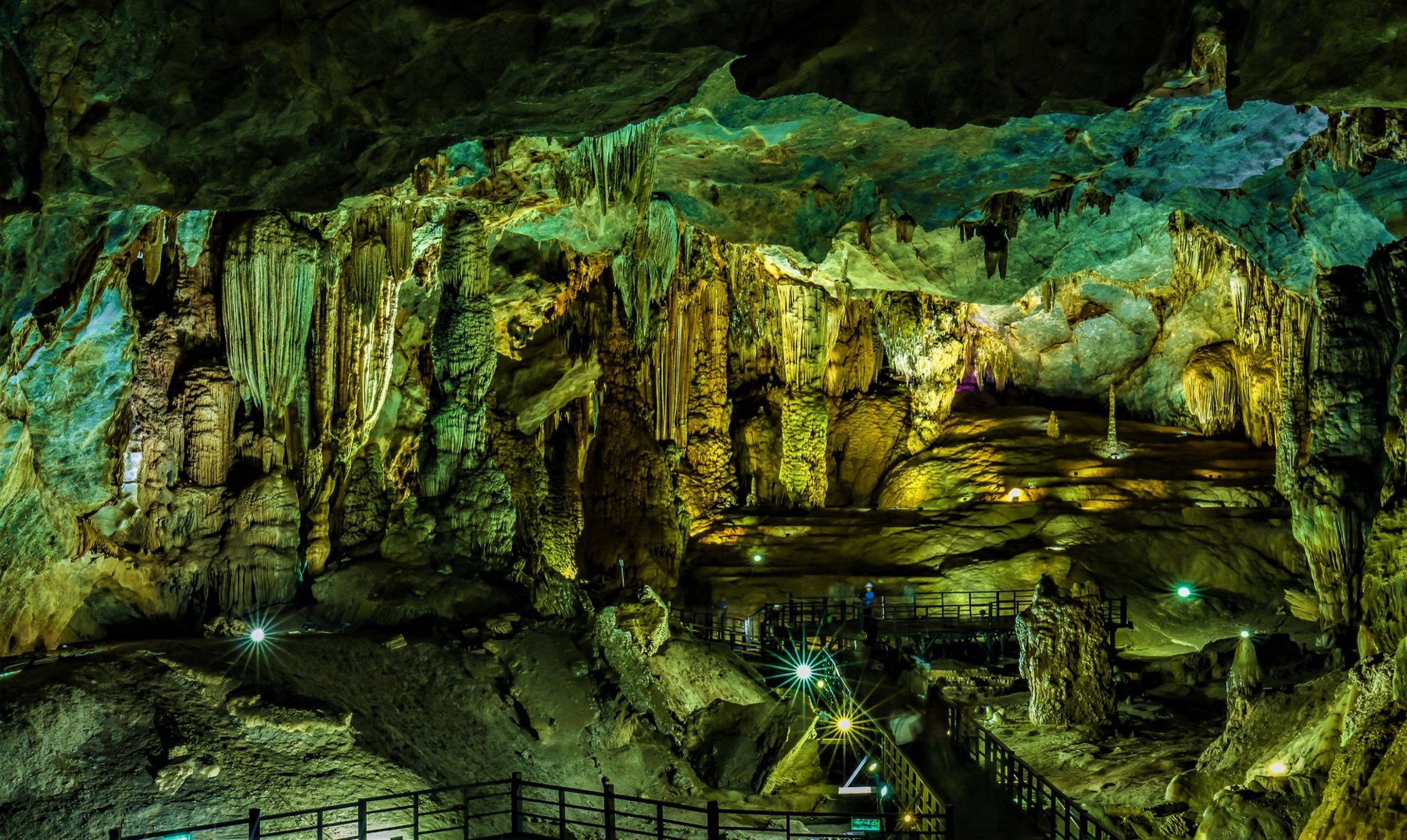
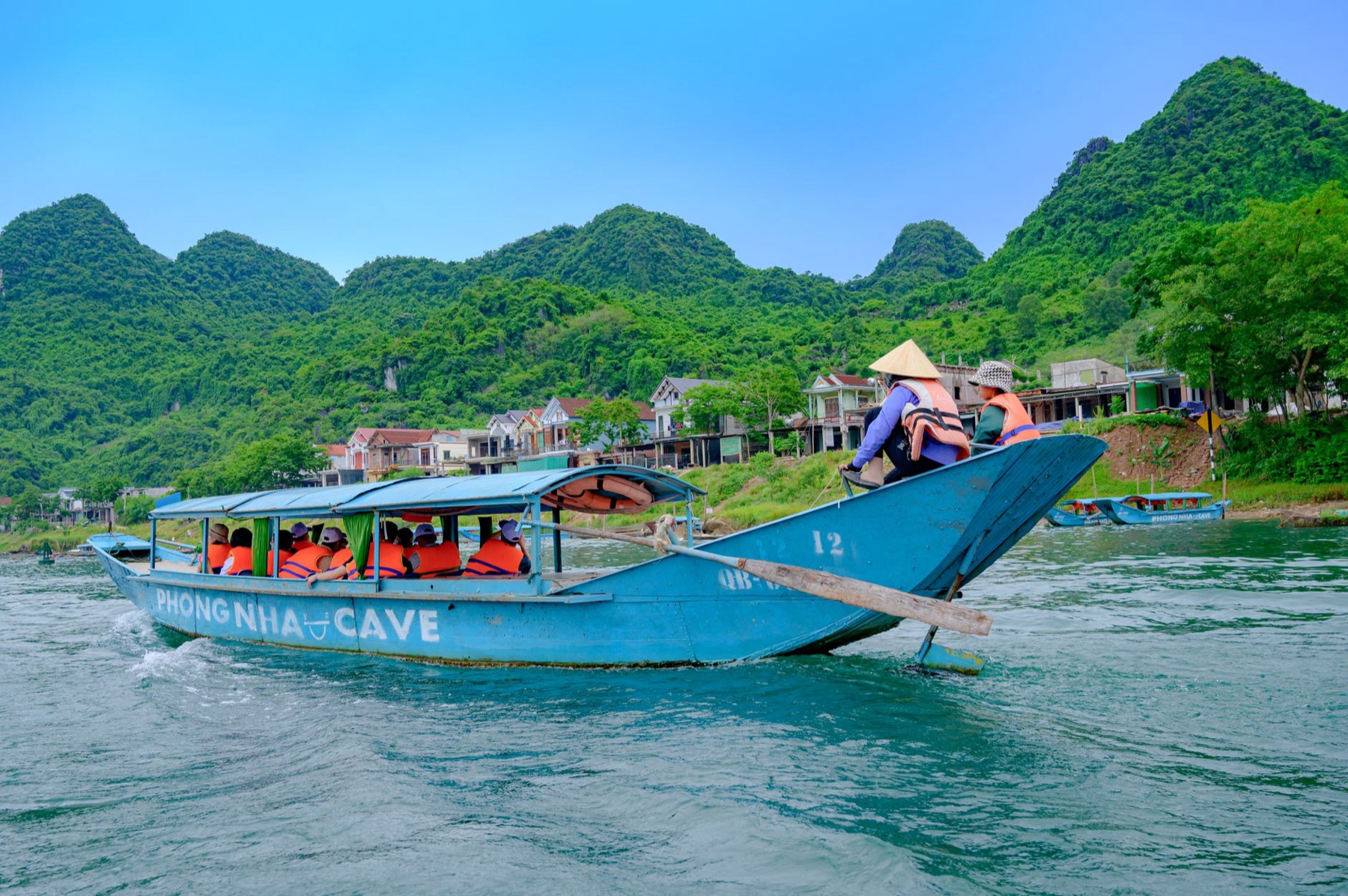
Three main caves dominate first-timer itineraries. Son Doong Cave is the largest: a 2-day expedition requiring moderate fitness, costing 3–4 million VND (~$120–160 USD), and involving 5–7 hours of walking plus a night in the cave. Paradise Cave (Tien Son) is easier—a 1-day tour with 2 hours of climbing and crawling, around 1.5–2 million VND (~$60–80 USD), best for families with older children. Phong Nha Cave itself is the most accessible: 30 minutes by boat into a chamber with a sand beach, around 300,000 VND (~$12 USD) total. Book tours through operators in Dong Hoi town (Truong Son Road or near the central market) rather than from hotels; direct booking saves 10–15% on markup. Check operators' safety records—ask to see helmets, life vests and headlamps before committing.
How many days do you really need in Phong Nha?
Two days is the minimum for a meaningful visit; three is ideal. Day 1: arrive in Dong Hoi, acclimate, book a cave tour. Day 2: full-day cave expedition (Son Doong or Paradise). Day 3: recovery walk, bike ride through villages, or a half-day trip to Phong Nha Cave before heading to your next destination. If you only have one day, skip Phong Nha entirely and save it for your next trip—rushing a cave expedition is unsafe and defeats the point. Most first-timers underestimate the physical toll; cave floors are uneven, water is cold year-round, and headlamps strain your neck. Plan a rest day afterward if continuing south to Ninh Binh or Hoi An.
Where should you stay, and is the town walkable?
Dong Hoi is a laid-back coastal town 50 km from the national park entrance. Most visitors stay near Truong Son Road (the main business strip) or the beachfront; both are walkable on foot. Budget guesthouses cluster around the market (Cho Ben market, central district); mid-range hotels are scattered along Truong Son. Avoid places more than 2 km from the town center unless you have a scooter—taxis or Grab are cheap (40,000–80,000 VND / ~$1.60–3.20 USD per ride) but slow in evening traffic. Restaurants and tour operators line Truong Son; English speakers are common in tourism-facing establishments. The beach itself is mediocre for swimming (water is cool and sometimes murky) but pleasant for sunset walks. Book accommodation 2–3 days ahead during peak season (July–August) to avoid inflated last-minute rates.
🗺️ Plan your route: Vietnam itinerary
What should a packing and safety checklist include?
Caves are wet, cold and dark. Bring: sturdy waterproof hiking boots (not sandals—rocks are sharp and slippery); a light rain jacket and waterproof bag for your phone and documents; a dry change of clothes for after the tour; quick-dry shorts and a moisture-wicking shirt; sun protection (SPF 50+) for surface hikes; a reusable water bottle (tap water in Dong Hoi is safe; refill points are common). Operators provide helmets and headlamps, but bring your own if you prefer a better fit. Never go caving without a licensed guide—people get injured or lost attempting solo exploration. Check cave conditions the day before: flash floods happen, especially June–September. If you have a heart condition or fear of enclosed spaces, book Phong Nha Cave (boat-based, open-air entrance) instead of Son Doong or Paradise. Insurance (medical and evacuation) is wise; most travel policies cover adventure activities but confirm before departure.
How does Phong Nha fit into a broader Vietnam itinerary?
Phong Nha sits on the Hanoi–Ho Chi Minh axis but often gets skipped by time-pressed travelers. From Hanoi, it's 12–14 hours by bus or a 2-hour flight to Dong Hoi. From Ha Long Bay (north), allow 8–10 hours by car. To the south, Hoi An is 6–8 hours away (scenic coastal route via Thua Thien-Hue) and Ninh Binh is 5–6 hours north. The best itinerary slots Phong Nha as a 2–3 day stopover between north-central and central Vietnam, breaking up long bus journeys and providing genuine adventure. If you're combining Phong Nha with nearby sites, consider adding Quang Binh Province's Ve Cave, Tiger Spring (hot spring near the park) or a motorbike tour through karst villages. Realistically, a national itinerary that includes both Ha Long Bay and Phong Nha requires 2–3 weeks; don't sacrifice either for rushing.
---
Comparison: Cave tours at a glance
| Tour | Duration | Fitness level | Cost (approx.) | Best for | Main drawback |
|---|---|---|---|---|---|
| Son Doong Cave | 2 days / 1 night | High | 3–4M VND (~$120–160 USD) | Adventure seekers, photographers | Expensive; remote; requires overnight camping |
| Paradise Cave | 1 day (4–5 hrs) | Medium | 1.5–2M VND (~$60–80 USD) | Families, solo travelers | Crowded in peak season; limited cave size vs. Son Doong |
| Phong Nha Cave | 1 day (2–3 hrs) | Low | 300K–400K VND (~$12–16 USD) | First-timers, mobility-limited visitors | Very touristy; shallow exploration; noisy boat traffic |
| Hang En Cave | 2 days / 1 night | High | 2.5–3.5M VND (~$100–140 USD) | Budget adventurers; less crowded than Son Doong | Strenuous; requires swimming; guide quality varies |
---
What to check before you book a cave tour
- Operator legitimacy: Ask the operator for a business registration number (ĐKKD) and check it online if you read Vietnamese. Confirm they hold a license from the national park authority (not all guides do).
- Group size: Smaller groups (≤6 people) are safer and less disruptive to the cave environment. Tours over 12 people are red flags.
- Equipment condition: Inspect helmets, headlamps and carabiners for wear. Bring your own if you're uncomfortable with theirs.
- Weather: Check local forecasts 24 hours before. Cancel Son Doong tours if heavy rain is forecast (cave water levels rise rapidly). Phong Nha tours rarely cancel but are less enjoyable in storms.
- Guide credentials: Ask if guides have CPR training and how many years they've worked in the park. A good guide speaks clear English or your language and stops to explain geology.
- Price transparency: Confirm what's included (lunch, snacks, photos, transport from Dong Hoi) before paying. "Hidden" fees (park entry, guide tip, equipment rental) often appear after booking.
- Insurance: Ask if the operator holds liability insurance. Standard travel policies may not cover adventure activities.
- Reviews from independent sources: Avoid trust-gaming review sites; ask for references from recent visitors or check expat forums specific to Vietnam. Word-of-mouth through guesthouses is often honest.
---
📸 Book an ao dai photoshoot in Hanoi or Saigon (Cáo Studio) (capture your adventure in traditional Vietnamese dress, with Hanoi or Saigon as a backdrop, then return home with keepsakes framed or printed)
🎟️ Compare tours & tickets for this place
Suggested keepsakes to mark your Phong Nha trip
Consider bringing home a tangible reminder beyond photos. Look for star map prints that mark the night sky above Phong Nha on your arrival date—a meaningful way to anchor your memories to a specific moment. Engraved keepsake boxes work well for collecting small mementos (cave maps, park tickets, pebbles). If you love journaling, personalized notepads let you document cave details and reflections immediately. For gifts to people back home who supported your trip, custom map prints of the Phong Nha-Ke Bang region paired with your travel dates are honest, personal and conversation-starters. None of these replace the experience—they simply help you hold it.
---
FAQ
Is Son Doong Cave really worth the expense and physical effort?
If you have good fitness and 2 days free, yes—it's genuinely the world's largest cave and the experience is unforgettable. Skip it if you have knee problems, fear of tight spaces, or less than 48 hours in the region; Paradise or Phong Nha Cave are accessible alternatives.
What's the best time of year to visit Phong Nha?
May–September offers stable weather and lower flood risk. October–November is also good. Avoid December–February (cave access closes periodically due to flooding) and March–April (heat and humidity are punishing).
Do I need to book cave tours in advance or on arrival?
Both work, but booking 1–2 days ahead gives you choice of group and time. Booking from abroad is unnecessary and often overpriced; arrive in Dong Hoi, visit a tour operator directly, negotiate and book same-day or next-day.
Can I hire a private guide instead of joining a group tour?
Yes, but it costs 20–30% more (expect 3.5–5M VND / ~$140–200 USD per day). Private guides are worthwhile if you have mobility limitations, travel with very young children, or want a customized pace and route.
What's the scam risk in Dong Hoi, and how do I avoid it?
The main risk is overpaying for tours by booking through hotels or commission-driven agents. Book directly with operators on Truong Son Road or via guesthouses with transparent pricing. Avoid "free" coffee or tea offers that lead to sales pitches.
How difficult is it to reach Phong Nha from other major cities?
From Hanoi: 12–14 hours by night bus, or 2 hours by flight (~$40–80 USD). From Ho Chi Minh City: 20+ hours (not recommended). The bus is cheaper but slow; flying adds cost but saves time and fatigue.
FAQ
Is Son Doong Cave really worth the expense and physical effort?
If you have good fitness and 2 days free, yes—it's genuinely the world's largest cave and the experience is unforgettable. Skip it if you have knee problems, fear of tight spaces, or less than 48 hours in the region; Paradise or Phong Nha Cave are accessible alternatives.
What's the best time of year to visit Phong Nha?
May–September offers stable weather and lower flood risk. October–November is also good. Avoid December–February (cave access closes periodically due to flooding) and March–April (heat and humidity are punishing).
Do I need to book cave tours in advance or on arrival?
Both work, but booking 1–2 days ahead gives you choice of group and time. Booking from abroad is unnecessary and often overpriced; arrive in Dong Hoi, visit a tour operator directly, negotiate and book same-day or next-day.
Can I hire a private guide instead of joining a group tour?
Yes, but it costs 20–30% more (expect 3.5–5M VND / ~$140–200 USD per day). Private guides are worthwhile if you have mobility limitations, travel with very young children, or want a customized pace and route.
What's the scam risk in Dong Hoi, and how do I avoid it?
The main risk is overpaying for tours by booking through hotels or commission-driven agents. Book directly with operators on Truong Son Road or via guesthouses with transparent pricing. Avoid "free" coffee or tea offers that lead to sales pitches.
How difficult is it to reach Phong Nha from other major cities?
From Hanoi: 12–14 hours by night bus, or 2 hours by flight (~$40–80 USD). From Ho Chi Minh City: 20+ hours (not recommended). The bus is cheaper but slow; flying adds cost but saves time and fatigue.
More: Phong Nha travel guide