Phong Nha
Phong Nha Travel Guide: Cave Hikes, Stays & Local Tips
By Wander in Vietnam editorial team · Hanoi, Vietnam
Phong Nha, in Quang Binh province, sits 450 km south of Hanoi near the Laos border—roughly 6–7 hours' drive or overnight bus. The core village clusters around Son Trach (the commercial center) and Ban Doong (the kayaking launch point). Most travelers spend 2–4 days here: sunrise cave hikes to Hang Son Doong or Hang Tieu, river kayaking to spot monkeys, and limestone walks. Local guesthouses run around 200,000–400,000 VND per night ($8–16 USD); organized cave tours cost from 900,000 VND ($36 USD) for a half-day to 3,500,000+ VND ($140+ USD) for multi-day expeditions. Skip overcrowded midday hikes and tour-operator scams (always book direct with Oxalis or a trusted local guide). Wander in Vietnam recommends timing your visit April–May or September–November for cooler, drier weather. 🗺️ Plan your route: Vietnam itinerary
When Should You Visit Phong Nha?
Dry season (May, Sept–Nov) offers stable weather, clear cave views, and safe river conditions—the sweet spot for all activities. Rainy season (June–Aug) brings lush landscapes but flooded rivers and muddy trails; cave tours still run but cave swimming is limited. Avoid Lunar New Year crowds (late Jan–early Feb). Book 2–3 weeks ahead for popular tours; last-minute bookings often mean higher prices or long waits.
Which Cave Tour Matches Your Fitness Level?
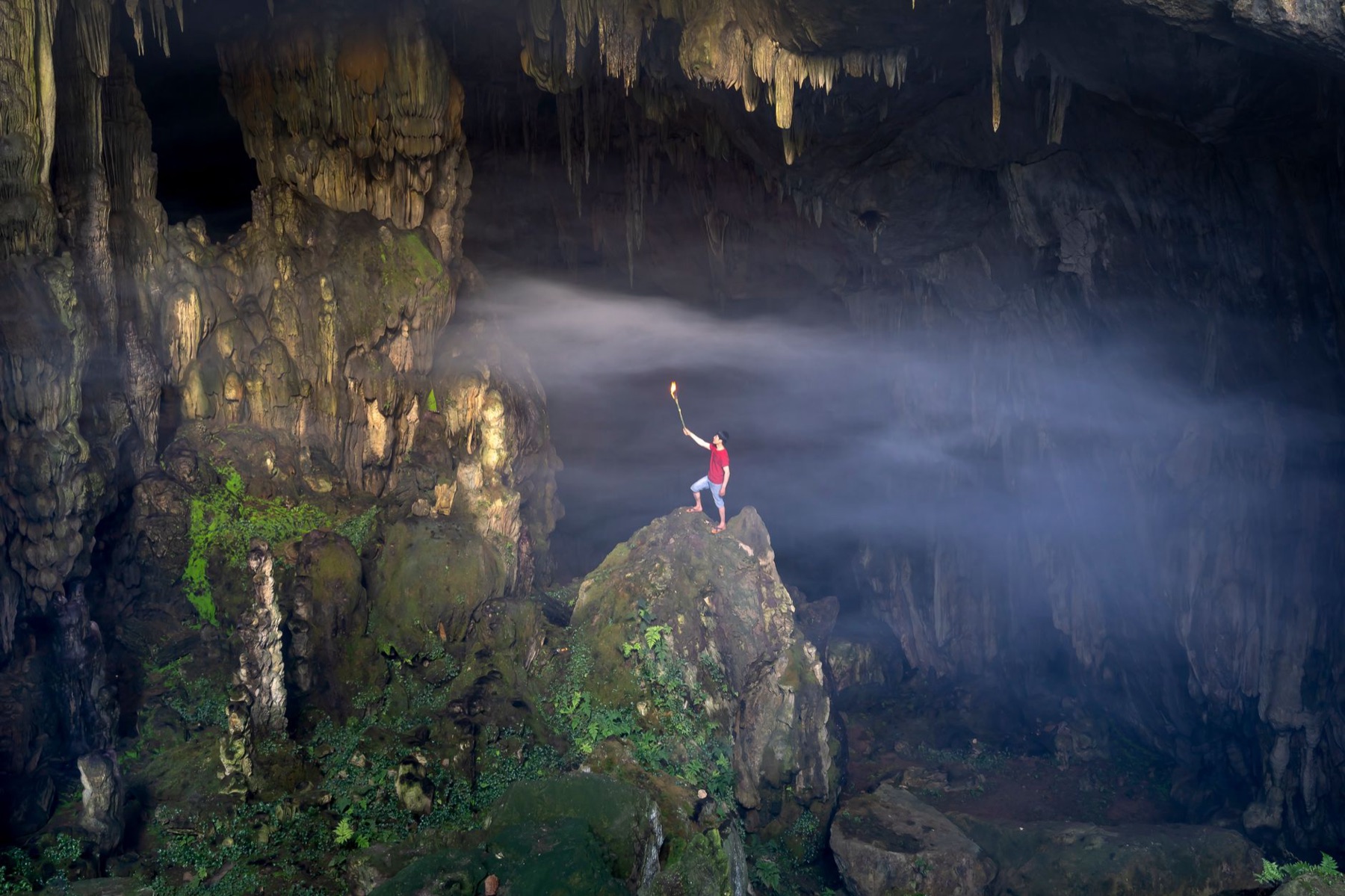
Half-day (3–4 hours): Easy cave walks at Hang Tieu or Hang Mua; no climbing experience needed; cost around 500,000–900,000 VND ($20–36 USD). Full-day Son Doong (1–2 days): Moderate fitness; includes a short jungle trek, cave camping (if overnight), river crossing; from 2,500,000 VND ($100+ USD). Extreme (multi-day Hang Son Doong trek): Steep rock scrambles, river wades, camping; reserved for experienced hikers; 3,500,000–5,000,000+ VND ($140–200+ USD). Beginners often underestimate difficulty; hire a private guide if you're unsure—never push beyond your comfort on cave floors.
| Cave Type | Best For | Typical Cost (VND) | Duration | Fitness Level |
|---|---|---|---|---|
| Hang Tieu | Photos, no crowds | 500k–700k | 2–3 hrs | Low |
| Hang Son Doong (day trip) | Bucket-list moment | 2.5m–3m | 8–10 hrs | Moderate–High |
| Hang Paradise (Hang Tien) | Underground river | 700k–1m | 3–4 hrs | Low–Mod |
| Hang Tham Khuong (night-flooded) | Unique experience | 600k–900k | 2–3 hrs | Low |
| Multi-day Oxalis expeditions | Deep adventure | 4m+ | 2–3 days | High |
🎟️ Compare tours & tickets for this place
Where Should You Stay?
Son Trach village has most hotels and guesthouses; Ban Doong (3 km east) is quieter for kayaking access. Mid-range (150,000–350,000 VND / $6–14 USD): local family-run guesthouses with fan rooms, basic WiFi, included breakfast. Boutique eco-lodges (500,000–1,200,000 VND / $20–48 USD): riverside huts, hot showers, tour desk, restaurant. Budget hostels (200,000–300,000 VND / $8–12 USD): dorm beds, communal kitchen, social vibe. Airbnb and local homestays (250,000–600,000 VND / $10–24 USD) offer authentic rural stays but book ahead during peak season. Avoid riverside hotels immediately after heavy rain (flash-flood risk). Verify tour-package bundling: some lodges push commissions on overpriced tours.
What Activities Beyond Caving Should You Prioritize?
Boat and kayak tours (600,000–1,200,000 VND / $24–48 USD, 2–3 hours) let you spot macaques, langurs, and water monitors on the Gianh or Ngu Dong rivers. Jungle trekking to waterfalls (400,000–700,000 VND / $16–28 USD) introduces you to local farming villages. Motorbike hire (80,000–120,000 VND / $3.20–4.80 USD per day) for independent exploration of limestone hills is cheap but demands caution on narrow roads. Visit local markets in the early morning to see authentic rural trade; avoid peak tourist hours (9am–11am). A half-day cooking class or fish-trap demonstration with a homestay family (300,000–600,000 VND / $12–24 USD) adds cultural depth. These sideline activities pack less hype but richer memory.
What Common Scams and Mistakes Should You Avoid?
Inflated tour prices via middlemen: Book directly with tour operators (Oxalis, local guides) rather than through hotels or street touts; you'll save 20–40%. "Combo deals" with hidden costs: Fixed price includes entry and guide—confirm what's excluded (meals, transportation, equipment rental). Overbooked cave tours: Popular tours hit capacity; arriving without reservation means joining a queue-like, impersonal group. Unsafe motorbike rentals: Check brakes and tires before paying; helmet is non-negotiable. Misleading difficulty ratings: Operators downplay steepness to fill spots; read recent traveler reviews on independent sites, not operator sites. Weather cancellations: Rainy weather can close cave tours with no refund; book refundable or flexible dates. Daytime cave visits in heat: Midday cave hikes are packed and hot; dawn (6am–7am start) is cooler, quieter, and better-lit for photos.
📸 Book an ao dai photoshoot in Hanoi or Saigon (Cáo Studio)
How Does Phong Nha Compare to Other Cave Destinations in Vietnam?
Ha Long Bay (northeast, 3.5 hours from Hanoi) offers limestone islands and UNESCO heritage but crowds are overwhelming year-round; boats feel industrial. Ninh Binh (south of Hanoi, 2 hours) has karst scenery and pagodas, good for a day trip, not a multi-day base. Phong Nha stands apart: smaller, adventure-focused, untouristed villages, technical cave routes that rival Thailand's, and lower prices. If you want "postcard limestone" with minimal effort, Ha Long works; if you want authentic hiking and exploration, Phong Nha wins. Most travelers fit Phong Nha into a broader itinerary—plan a Vietnam route that links it to Hanoi, Hoi An, or Sapa to maximize diversity.
What Should You Pack and Prepare Before Arrival?
Essentials: Sturdy hiking shoes with ankle support (limestone is sharp; flip-flops invite injuries), lightweight quick-dry clothes, sun screen (UV is intense in caves), a headlamp or flashlight, a dry bag for electronics, insect repellent (mosquitoes thrive near water). Permits and docs: Ensure your visa is valid; if you need one, apply online at Vietnam e-visa. Connectivity: A local eSIM for Vietnam keeps you online; many tour guides communicate via WhatsApp. Money: ATMs exist in Son Trach but aren't always reliable; bring cash (VND) for small vendors and tips. Physical prep: Train your legs 2–4 weeks before; cave stairs and scrambles demand calf and quad strength. Acclimatization: Arrive a day early to adjust to humidity before strenuous hikes.
---
What to Check Before You Book a Tour
- Operator reviews: Search recent posts (past 6 months) on independent travel forums, not just the operator's site.
- Group size cap: Confirm max group size (small = better pacing and photos).
- Inclusions: Does the price cover entrance, guide, meals, equipment (helmet, harness), pickup/drop-off?
- Fitness descriptor: Ask the operator to define "moderate" or "advanced"—ask for a sample itinerary.
- Cancellation policy: Confirm refund terms if weather closes the tour or you need to cancel.
- Guide credentials: Multi-day cave guides should hold rescue or mountaineering certification.
- Insurance: Check if your travel policy covers adventure activities; some tours offer optional add-ons.
---
FAQ
How many days should I spend in Phong Nha?
2–3 days suffice for a cave tour and river kayak; 4–5 days allow a multi-day expedition plus cultural activities. Day trips from Hanoi (12+ hours of travel) aren't worthwhile; stay overnight.
Is Phong Nha safe for solo travelers?
Yes. Guesthouses are welcoming, tours are group-based (easy to meet people), and petty theft is rare. Women solo travelers report feeling secure; inform someone of your itinerary and share location pins with lodges.
Can I visit Phong Nha without booking tours in advance?
Possible in low season (June–Aug) but risky in peak season (Sept–Nov); you risk overbooking or waiting 1–2 days. Book tours 2–3 weeks ahead online, or contact lodges once you arrive to confirm availability.
What's the cheapest way to reach Phong Nha from Hanoi?
Overnight sleeper bus (around 300,000–500,000 VND / $12–20 USD, 7–8 hours) beats flights and car rental. Book via Futa or Thanh Huong; budget flights via Vietjet or Bamboo exist but with baggage fees offset savings.
Do cave tours include meals?
Half-day tours rarely include food; full-day and multi-day expeditions often provide packed lunch or village meals. Confirm with the operator; carry snacks regardless (energy bars, water purification tablets).
Is Phong Nha affected by rainy season flooding?
Yes, June–August sees river swells that close or limit cave swimming and certain boat routes. Tours still run but are less scenic; plan your visit May or September–October for optimal conditions.
Can beginners really do Son Doong cave without experience?
Technically yes, if fitness is reasonable (hike 5+ km weekly). It's mentally taxing—tight squeezes, scrambling in darkness—so manage expectations; talk to your guide honestly about fears.
Should I hire a private guide or join a group tour?
Group tours (less cost, social) suit most visitors; private guides (higher cost, tailored pace, more flexibility) suit families, fitness concerns, or photography focus. First visit, try a group to gauge interest.
FAQ
How many days should I spend in Phong Nha?
2–3 days suffice for a cave tour and river kayak; 4–5 days allow a multi-day expedition plus cultural activities. Day trips from Hanoi (12+ hours of travel) aren't worthwhile; stay overnight.
Is Phong Nha safe for solo travelers?
Yes. Guesthouses are welcoming, tours are group-based (easy to meet people), and petty theft is rare. Women solo travelers report feeling secure; inform someone of your itinerary and share location pins with lodges.
Can I visit Phong Nha without booking tours in advance?
Possible in low season (June–Aug) but risky in peak season (Sept–Nov); you risk overbooking or waiting 1–2 days. Book tours 2–3 weeks ahead online, or contact lodges once you arrive to confirm availability.
What's the cheapest way to reach Phong Nha from Hanoi?
Overnight sleeper bus (around 300,000–500,000 VND / $12–20 USD, 7–8 hours) beats flights and car rental. Book via Futa or Thanh Huong; budget flights via Vietjet or Bamboo exist but with baggage fees offset savings.
Do cave tours include meals?
Half-day tours rarely include food; full-day and multi-day expeditions often provide packed lunch or village meals. Confirm with the operator; carry snacks regardless (energy bars, water purification tablets).
Is Phong Nha affected by rainy season flooding?
Yes, June–August sees river swells that close or limit cave swimming and certain boat routes. Tours still run but are less scenic; plan your visit May or September–October for optimal conditions.
Can beginners really do Son Doong cave without experience?
Technically yes, if fitness is reasonable (hike 5+ km weekly). It's mentally taxing—tight squeezes, scrambling in darkness—so manage expectations; talk to your guide honestly about fears.
Should I hire a private guide or join a group tour?
Group tours (less cost, social) suit most visitors; private guides (higher cost, tailored pace, more flexibility) suit families, fitness concerns, or photography focus. First visit, try a group to gauge interest.
More: Phong Nha travel guide