Hanoi · Where to stay
Places to Eat in Hanoi: Best Neighbourhoods & Real Prices 2026
By Wander in Vietnam editorial team · Hanoi, Vietnam
Hanoi's eating landscape shifts block by block. New visitors often land in the Old Quarter, spot a crowded phở stall, and assume it's "the best"—then overpay $3 when locals pay $1.20. The real map isn't written on TripAdvisor; it's in timing, neighbourhood, and knowing what "going local" actually looks like.
We've tested hundreds of meals across Hanoi's districts. Here's what genuinely works, where to eat it, rough costs, and which traps drain wallets without delivering flavour.
Where do most visitors eat their first meal in Hanoi?
Old Quarter (Hoàn Kiếm) dominates arrival meals. Visitors stumble out of hotels near Hoan Kiem Lake at 8am, find a corner stall with a queue, order phở, and pay $1.50–2.50 (35,000–60,000 VND). Locals eat the same bowl three streets over for 25,000–30,000 VND ($1–1.20). The difference: no English menu, no tourists visible, opening at 6:30am sharp. If a stall advertises "famous" or has laminated photos, margins are already marked up.
🗺️ Plan your route: Vietnam itinerary
Best Old Quarter move: walk past the lake into the narrow lanes north of Hoan Kiem, hit a phở spot at 7am, order simply ("một bát phở gà"—one bowl chicken phở). Cost: around 25,000–35,000 VND ($1–1.40). Sit 15 minutes, eat fast, leave.
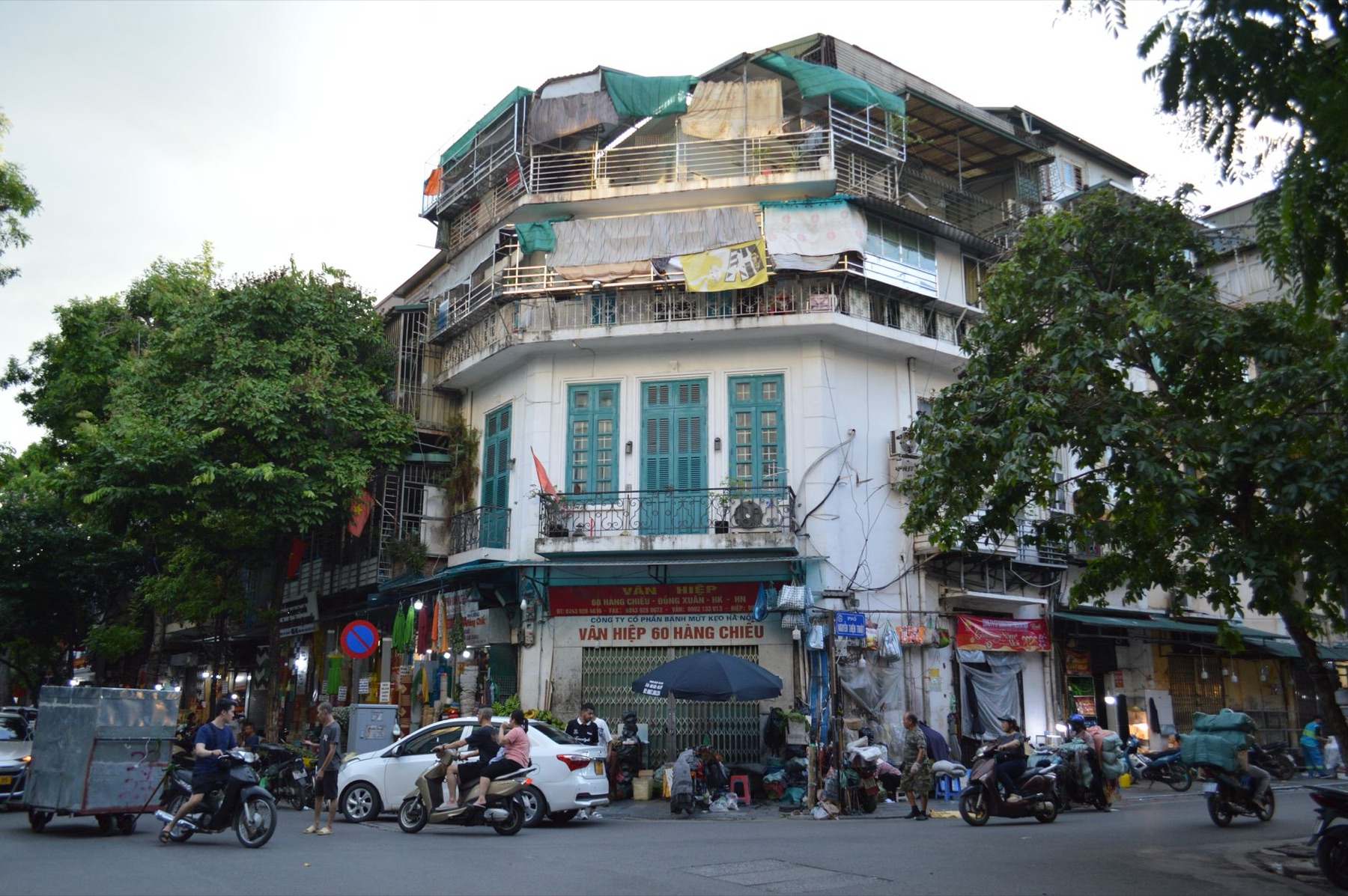
Which Hanoi neighbourhood has the most affordable breakfast scene?
Long Bien Market (Long Biên) runs along the Red River on the eastern bank. It opens before 6am; by 8am it's chaos—vendors selling toad, organ meat, rice noodles, and bánh cuốn (rolled dumplings). A full breakfast here: bánh cuốn (3–4 rolls) + cà phê đen (black coffee) costs around 35,000–50,000 VND ($1.40–2). The trade: no air-con, standing room, raw meat stalls adjacent to food. But price and authenticity are unbeatable.
Getting there: motorbike taxi from Old Quarter, around 20,000 VND ($0.80). Walk the bridge at dawn if you want photos; arrive by 7am or vendors start packing.
Skip: Dong Xuan Market (the large covered one in Old Quarter). Tourist prices doubled, stalls cramped, pickpocket risk real during peak morning hours.
What's the honest difference between Tay Ho and Ba Dinh restaurant prices?
| Neighbourhood | Meal Type | Avg Price (VND) | USD Equiv. | Crowd Type | Best For |
|---|---|---|---|---|---|
| Tay Ho (West Lake) | Upscale Vietnamese | 180,000–300,000 | $7–12 | Expats, affluent locals | Dates, business lunches, sit-down quality |
| Tay Ho | Fusion/Modern | 250,000–400,000 | $10–16 | Tourists, young professionals | Instagram-worthy meals, cocktails |
| Ba Dinh (near govt district) | Casual Vietnamese | 60,000–100,000 | $2.40–4 | Office workers, lunch crowds | Speed, value, no frills |
| Ba Dinh | Com tam (broken-rice plates) | 40,000–70,000 | $1.60–2.80 | Manual labourers, locals | Rock-bottom price, real labour food |
| French Quarter (Hoàn Kiếm) | Colonial Cafés | 80,000–150,000 | $3.20–6 | Tourists, freelancers | Pastries, coffee, ambience |
| French Quarter | Modern Bistro | 200,000–350,000 | $8–14 | Mixed | Pho remixes, wine pairing |
Honest take: Tay Ho charges 5–8× the price of Ba Dinh for similar quality Vietnamese dishes. You're paying for location, decor, and tables (not a plastic stool). For authentic flavour at fair price, Ba Dinh wins every time.
📸 Book an ao dai photoshoot in Hanoi or Saigon (Cáo Studio)
Which restaurant districts should you skip or approach cautiously?
Tourist-heavy Old Quarter near Hoan Kiem Lake: Prices climb 40–80% above streets two blocks away. A phở here runs 40,000–50,000 VND; two lanes over it's 25,000. Staff push you to order drinks, sides, "special" meat—watch bills balloon fast.
Scam pattern to watch: Menus with no prices. You order, eat, server quotes a number ("200,000 for phở"—double normal). Polite refusal usually halves the bill, but it's stressful. Always ask price beforehand if no menu exists or menu is unclear.
False premium zones: Some streets market themselves as "food tourism" routes (e.g., "Bà Triệu Street Famous Breakfast"). Reality: same stalls, same food, but positioned for visitors. Eat here if you like company; don't expect revelation.
Genuinely solid neighbourhoods:
- Ba Dinh: Office-worker hangouts, lunch-heavy 11:30am–1:30pm. Empty by 2pm. Quality doesn't drop; just fewer tourists.
- Tran Hung Dao: Mixed workers and expats, good mid-range pho and broken rice. Less Instagram hype, better value.
- Thanh Cong (near Red River): Residential area, Sunday morning bánh mì, authentic com tam spots. Locals-only vibe.
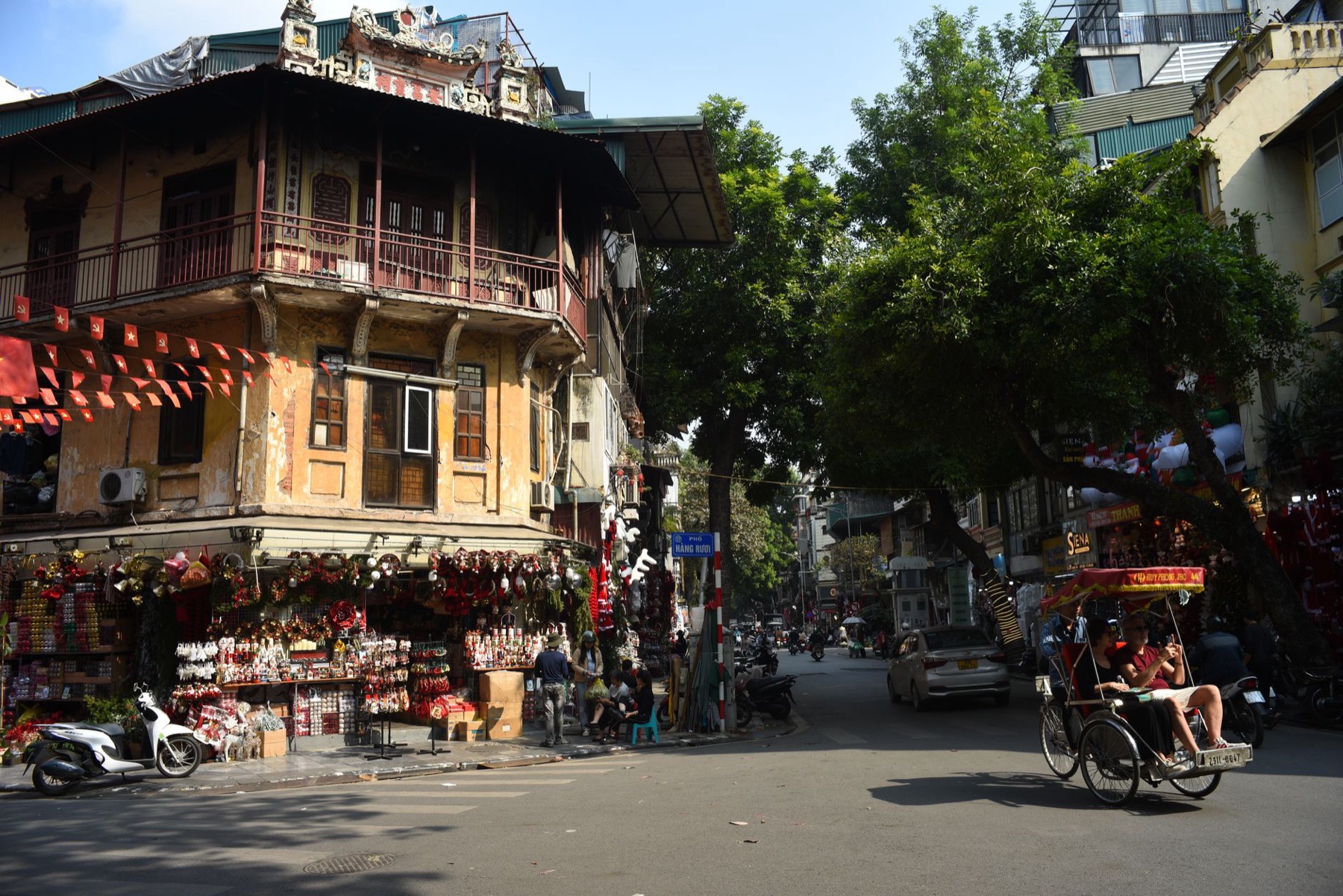
What does a realistic food budget look like for different travel styles?
Budget traveller (street-only): 60,000–100,000 VND/day ($2.40–4). Breakfast phở, lunch bánh mì, dinner bún chả. You eat well, taste real Hanoi, accept plastic stools and standing.
Mid-range (mix of street and casual restaurants): 150,000–250,000 VND/day ($6–10). Breakfast cafés, lunch sit-down spots (no air-con or basic), dinner at Ba Dinh restaurants. More comfort, less squeeze.
Comfort traveller (sit-down only, Tay Ho included): 400,000–700,000 VND/day ($16–28). Brunch at Western cafés, lunch/dinner at full-service places. Air-con, English menus, no bargaining. Food quality mixed—paying for setting.
Reality check: Don't assume higher price = better taste. A 25,000 VND phở from a 40-year-old vendor tastes objectively better than a 50,000 VND bowl from a tourist stall three blocks away. Hanoi's best meals cost least.
🎟️ Compare tours & tickets for this place
What should you check before ordering at an unfamiliar stall?
Do this every time:
- Watch locals eat first. If 10 locals are there at lunch, it's safe. Empty at noon = skip it.
- Ask the price aloud in Vietnamese or point to another customer's bowl: "Bát này bao nhiêu tiền?" (How much is that bowl?) Hearing a number prevents arguments.
- Observe cleanliness, not décor. Plastic stool ≠ unhygienic. Check if meat is covered, water is boiled, hands are washed.
- Time your visit. Breakfast: 6–8am (freshest ingredients). Lunch: 11:30am–1pm (high turnover, food doesn't sit). Dinner: 6–8pm. Mid-afternoon (3–5pm) = leftover inventory risk.
- Order one dish, eat, decide on seconds. First taste confirms quality before committing to a full meal.
- Carry small bills. Pay in 10,000–20,000 VND notes. Vendors appreciate it; tip rarely expected but 1,000–2,000 VND is polite.
What to avoid:
- Stalls with no visible kitchen or prep area.
- Meat that's been left uncovered in afternoon heat.
- Places that refuse to state prices (negotiation often ends in overcharge).
- Bottled water marked up 3–5× retail (buy at 7-Eleven beforehand; 10,000 VND per bottle there vs. 35,000 at a restaurant).
How do you stay safe eating street food in Hanoi?
Street food carries legitimate risk if hygiene is poor, but most Hanoians eat it daily without incident. Traveller stomach usually results from dehydration, irregular eating times, or mixing unfamiliar ingredients—not bacteria.
Practical steps:
- Eat cooked food (phở, bánh cuốn, com tam), not raw salads at roadside stalls.
- Stick to busy times when food is prepared fresh.
- Bring hand sanitiser; wash hands if you can't before eating.
- Avoid ice in drinks (should be made from boiled water, but assume otherwise).
- If your stomach reacts, rest a day, drink electrolyte solution (7-Eleven sells sachets, around 10,000 VND), and resume eating plain rice and broth.
Genuine risk: None of the food itself causes illness in 99% of cases. The culprit is usually fatigue, jet lag, or eating too fast on an empty stomach. Eat slowly, chew, enjoy.
---
Related guides for your Hanoi trip
Before you lock in dining plans, check our Hanoi hotel guide—location shapes eating options more than you'd think. Hotels in Ba Dinh put you near affordable lunch zones; Tay Ho hotels isolate you in premium restaurant neighborhoods.
Also consider:
- Hanoi city guide—general logistics, transport, what else to do.
- Vietnam itinerary planner—how Hanoi's food scene fits your overall trip.
- Vietnam e-visa and eSIM for Vietnam—practicalities before you arrive.
If you're capturing meals for memory, book an ao dai photoshoot in Hanoi with Cáo Studio—professional photos in traditional dress at breakfast spots is a unique keepsake.
For gifts post-trip, consider personalized travel collections—engraved keepsake boxes or custom prints of Hanoi's market scenes make lasting souvenirs.
🌸 Send flowers to your Hanoi friends (Hoa Lang Thang)
FAQ
Is it safe to eat street food in Hanoi?
Yes, if you follow basics: eat during busy times, choose cooked dishes, watch locals queue first, verify price beforehand. Most traveller illness stems from dehydration or rushing, not food. Avoid raw vegetables at roadside stalls. Hand sanitiser + eating slowly = confidence.
How much should I budget daily for meals in Hanoi?
$2.40–4/day (street-only), $6–10/day (mix of street and casual restaurants), or $16–28/day (sit-down only). Quality doesn't correlate with price—a 25,000 VND phở tastes better than a tourist-marked 50,000 VND version. Locals spend $3–6/day on three meals.
What's the biggest food scam in Hanoi Old Quarter?
Menus with no prices. Server quotes inflated amounts after you've eaten. Counter: ask "Bát phở bao nhiêu tiền?" before ordering, or point to another bowl and ask its price. Polite pushback halves most overcharges. Avoid stalls with laminated picture menus in English—margins are built in.
Where do locals actually eat breakfast in Hanoi?
Long Bien Market (6–8am), Ba Dinh stalls (7–8am), or alleyways off Tran Hung Dao. Avoid tourist-facing Old Quarter after 8:30am. Breakfast: phở, bánh cuốn, or com tam runs 25,000–50,000 VND ($1–2). Arrive early, order simply, eat fast.
Should I eat at highly-rated restaurant chains in Hanoi?
Only if location or convenience matter. Chains standardize taste but lose character. A family-run phở stall in Ba Dinh tastes more interesting and costs 1/3 the price. Chains work for reliable Western meals or when you need predictability, not for "real Hanoi flavour."
How do I know if a vendor's water is safe?
You can't verify on-site. Assume ice and tap water aren't boiled. Drink bottled or order hot tea/coffee (boiled water). 7-Eleven bottled water: 10,000 VND. Restaurants charge 35,000 VND for the same bottle—buy beforehand. Carry electrolyte sachets (10,000 VND at 7-Eleven) in case of stomach upset.
FAQ
Is it safe to eat street food in Hanoi?
Yes, if you follow basics: eat during busy times, choose cooked dishes, watch locals queue first, verify price beforehand. Most traveller illness stems from dehydration or rushing, not food. Avoid raw vegetables at roadside stalls. Hand sanitiser + eating slowly = confidence.
How much should I budget daily for meals in Hanoi?
$2.40–4/day (street-only), $6–10/day (mix of street and casual restaurants), or $16–28/day (sit-down only). Quality doesn't correlate with price—a 25,000 VND phở tastes better than a tourist-marked 50,000 VND version. Locals spend $3–6/day on three meals.
What's the biggest food scam in Hanoi Old Quarter?
Menus with no prices. Server quotes inflated amounts after you've eaten. Counter: ask "Bát phở bao nhiêu tiền?" before ordering, or point to another bowl and ask its price. Polite pushback halves most overcharges. Avoid stalls with laminated picture menus in English—margins are built in.
Where do locals actually eat breakfast in Hanoi?
Long Bien Market (6–8am), Ba Dinh stalls (7–8am), or alleyways off Tran Hung Dao. Avoid tourist-facing Old Quarter after 8:30am. Breakfast: phở, bánh cuốn, or com tam runs 25,000–50,000 VND ($1–2). Arrive early, order simply, eat fast.
Should I eat at highly-rated restaurant chains in Hanoi?
Only if location or convenience matter. Chains standardize taste but lose character. A family-run phở stall in Ba Dinh tastes more interesting and costs 1/3 the price. Chains work for reliable Western meals or when you need predictability, not for "real Hanoi flavour."
How do I know if a vendor's water is safe?
You can't verify on-site. Assume ice and tap water aren't boiled. Drink bottled or order hot tea/coffee (boiled water). 7-Eleven bottled water: 10,000 VND. Restaurants charge 35,000 VND for the same bottle—buy beforehand. Carry electrolyte sachets (10,000 VND at 7-Eleven) in case of stomach upset.
More: Hanoi guide · Where to stay in Hanoi