Ho Chi Minh City · Things to do
Places to Visit in Ho Chi Minh City: 17 Must-See Spots 2026
By Wander in Vietnam editorial team · Hanoi, Vietnam
Ho Chi Minh City rewards slow, district-by-district exploration more than landmark-chasing. The city spreads wide: traffic is heavy, distances deceptive. Most visitors waste a day zigzagging randomly. We've mapped the real geography so you spend money and time on what matters.
Which war and history museums are actually worth paying to enter?
The War Remnants Museum (23 Vo Van Tan, District 1) costs around 100,000 VND ($4 USD) and opens 07:30–17:30 daily. It's the most visited paid site and justified: three floors of photographs, ordnance, aircraft, and testimony. Expect crowds (especially mid-morning). Go early or late. The Reunification Palace (135 Nguyen Hue, District 1) runs 50-minute guided tours only, around 75,000 VND ($3 USD), 07:30–11:00 and 13:00–16:00 daily. Tours are rushed but the architecture (1960s modernist) and gardens merit 90 minutes.
The Ho Chi Minh City Museum (65 Ly Tu Trong, District 1) is quieter, costs 80,000 VND ($3 USD), and covers pre-war merchant history well—skip if you're short on time. Avoid the "War Remnants" tourist shops outside museums; they upsell inflated prints and fake brass.
🗺️ Plan your route: Vietnam itinerary
Should you spend money on a Saigon River sunset cruise?
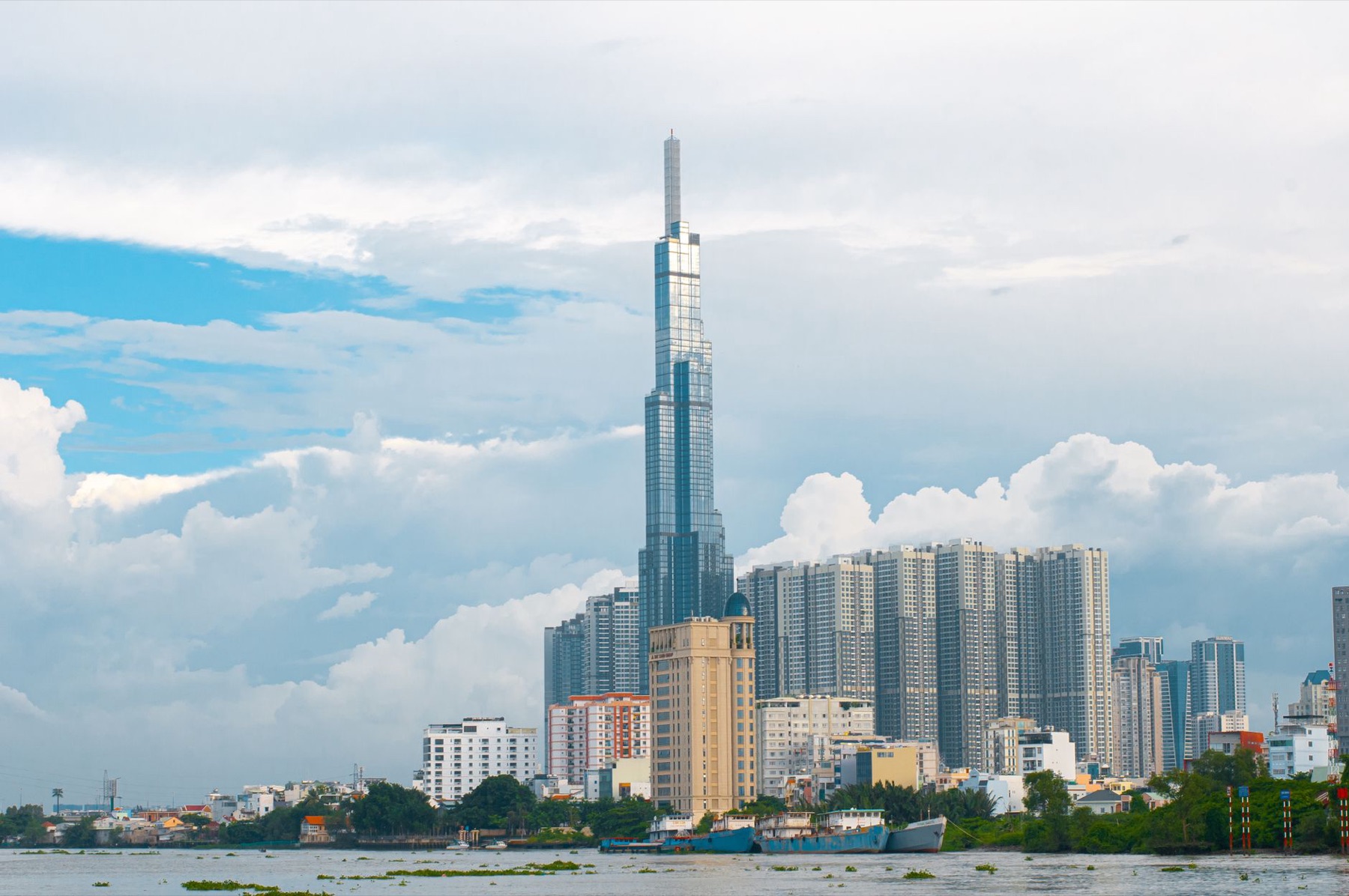
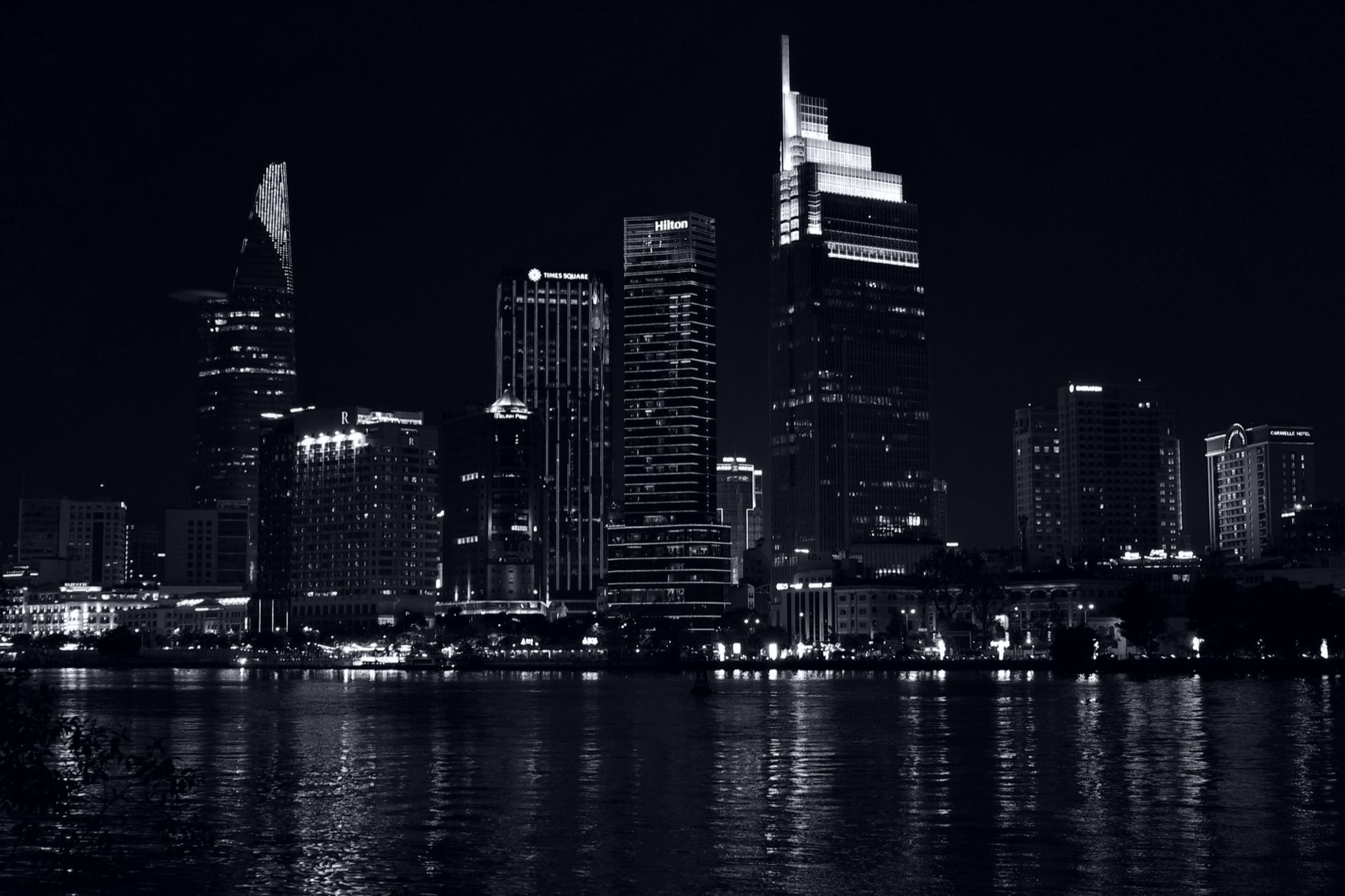
Sunset cruises run 18:00–20:00 and cost around 300,000–500,000 VND ($12–20 USD) per person via Saigon Tourist or Viet Travel (booth at Ben Thanh Market, District 1). Food and drinks are included but mediocre. The river itself is narrow, banks industrial. Most travelers regret it. Better: sit at a free riverfront café or bar in District 1 (Nguyen Hue Walking Street, Ton Duc Thang), order a beer, watch the light change for 50,000 VND ($2 USD). The view is the same; the money stays in your pocket.
What makes District 5 (Chinatown) different from downtown District 1?
District 5 (Cho Lon in Vietnamese) is chaotic, narrow, and authentically lived-in—no tourists, no English, no colonial buildings. Markets like Binh Tay (Thap Muoi Street, open 06:00–18:00) and Tay Do (open 06:00–18:00) are old wholesale hubs where locals actually shop. Prices are lower; haggling expected. Streets are crammed with Chinese herbal shops, fabric stalls, and street food. It's 20 minutes by Grab from District 1 (cost around 30,000–50,000 VND, $1.20–2 USD). Spend 3–4 hours here if you enjoy immersion without comfort. Many guidebooks oversell the "cultural richness"; it's really just the working Cholon locals use daily. Not Instagram-friendly. Worth seeing once.
🎟️ Compare tours & tickets for this place
Are the pagodas free, and which ones actually reward a visit?
Yes, almost all pagodas are free or donation-based. Jade Emperor Pagoda (73 Mai Thi Luu, District 1, 06:00–17:00) is tiny, dim, fragrant with incense, and packed with green jade and wood statues. It's genuinely atmospheric and takes 30 minutes. Vinh Nghiem Pagoda (339 Nguyen Trai, District 3, 06:00–17:30) is larger and newer (1960s), quieter, with a nine-tier tower you can climb free. The view from the roof overlooks District 3. Both cost nothing; donations welcomed. Thien Hau Pagoda (710 Nguyen Trai, District 5, 06:00–17:30) is Chinatown's temple hub—ornate, smoky, full of worshippers. These three give a real sense of local devotion. Skip "tourist pagoda" tours sold at hotels; walk in yourself.
How do you compare a market visit vs. museum time by actual value?
Use this simple framework: time available × cost ÷ immersion level = bang-for-buck ranking.
| Activity | Time | Cost (USD) | Immersion | Who it's for | Skip if |
|---|---|---|---|---|---|
| Ben Thanh Market | 1.5–2 hrs | Free | High | First-time visitors, street food lovers | Tired, low energy |
| War Remnants Museum | 2–3 hrs | $4 | Medium | War history focus | Conflict-sensitive |
| Jade Emperor Pagoda | 0.5 hr | Free | High | Spiritual interest, quick stop | Rushed schedule |
| Reunification Palace tour | 1.5 hrs | $3 | Medium | Architecture fans, guided groups | Independent travelers |
| Bitexco (observation deck) | 1 hr | $5 | Low | Instagram, skyline view | Already seen from street |
| Binh Tay Market (District 5) | 3–4 hrs | Free | Very high | Adventurous, love markets | Need guidance or translations |
| Saigon River cruise | 2 hrs | $12–20 | Low | Romantic intention only | Budget-conscious |
Best value: Free walking routes (Ben Thanh → Nguyen Hue Walking Street → Dong Khoi Street → riverside), then one paid museum. Total: 4 hours, around $4–5.
What are the real costs, crowds, and opening hours you need to know before booking?
Downtown (District 1) core circuit:
- Ben Thanh Market: Free, 06:00–21:00 daily, peak 08:00–11:00 (heaving). Counterfeit goods everywhere; don't believe "authentic" silk or lacquer at stall prices.
- Dong Khoi Street: Free to walk, vintage shops, cafés, galleries. No museums. Dinner 17:30–23:00.
- Bitexco Financial Tower (observation deck): 120,000 VND ($5 USD), 09:30–21:30 daily. Skip: view is identical from street level or from district 1 hotel rooftops.
District 3 (Art, young locals):
- Nguyen Hue Walking Street: Free, 18:00–22:00 weekends (closed weekdays). Street food, live performance, locals. Avoid 19:00–20:00 (shoulder-to-shoulder).
- Local galleries (coffee shops with art): Free, 10:00–18:00. No famous names; real emerging artists.
District 5 (Chinatown):
- Binh Tay + Tay Do Markets: Free, 05:30–18:00. Bargain hard; first quote is 2–3× retail. Peak crowds 06:00–08:00. Go 10:00–16:00 if you want calm.
District 7 (Modern, expensive):
- Crescent Moon Lake: Free, 06:00–21:00 daily. Walking/jogging hub. Safe, clean, local feel. No paid attractions.
Transport note: Grab motorbike rides: around 20,000–60,000 VND ($0.80–2.40 USD) within districts; Grab car: 50,000–150,000 VND ($2–6 USD). No Uber. Buses exist but routes confusing for tourists.
Scams to avoid:
- "Friendly" cyclo drivers offering tours → quotes balloon mid-ride; use Grab or walk.
- Silk/lacquer stall owners telling you they're closing early and offering "special prices" → sell counterfeit goods; ignore.
- "Unofficial" tour guides at museums → overcharge; buy tickets at gate.
- Fake bus tickets sold to visitors → buy from marked booths only.
What to check before you book or visit:
- Weather & monsoon. May–September is hot and wet; March–April is sticky and crowded. November–January is ideal (cool, 20–25°C).
- One day or two? One day = Ben Thanh Market, Nguyen Hue, War Remnants Museum, riverside dinner. Two days = add District 5, District 3, a pagoda, Bitexco at sunset (if you must).
- Motorbike or no? Grab rides cost less than a hotel tour but require patience; walking + metro (one line only) or car Grab if you hate traffic.
- Book museum tickets online? War Remnants doesn't offer online booking; arrive early or go 14:00–16:00 for smaller crowds.
- Cash or card? ATMs abundant (Vietcombank, ACB), but street vendors and stall markets accept only VND. Carry 500,000 VND (~$20 USD) in small bills.
📸 Book an ao dai photoshoot in Hanoi or Saigon (Cáo Studio)
Consider pairing a Ho Chi Minh City visit with Hoi An's lantern town (35 km south, 1 hour by bus), Ninh Binh's limestone karsts (200 km north, 3 hours), or Ha Long Bay (600 km northeast, 1.5-hour flight + 2 hours by car) to break up city fatigue. If heading to Hanoi afterward, check our Hanoi guide for similar district-by-district advice.
For seamless travel, grab a Vietnam eSIM before you land (local data, no roaming fees). Already booked your flights? Verify your Vietnam e-visa status if required.
🎟️ Compare tours & tickets for this place
FAQ
Is the War Remnants Museum propaganda or worth seeing?
It's a partisan Vietnamese government museum, yes. But the photography, ordnance, and architecture are historically significant. See it skeptically; read captions carefully. Not propaganda in the sense of pure fabrication—contextualize it alongside other histories. 3-star, not 5-star.
Should I hire a guide for a day in Ho Chi Minh City?
Only if you speak no Vietnamese and want deep storytelling about architecture or war history. Otherwise, walking freely with Google Maps and Grab rides gives you more control and costs half as much. Guides run 300,000–600,000 VND ($12–24 USD) for 4 hours.
What's the best street food in District 1, and how much does it cost?
Pho (noodle soup) bowls at streetside stalls: 30,000–50,000 VND ($1.20–2 USD). Banh mi (sandwiches): 25,000–40,000 VND ($1–1.60 USD). Cao lau (Hoi An specialty found in District 1 tourist cafés): 60,000–100,000 VND ($2.40–4 USD). Ben Thanh Market has a whole food court upstairs; budget 100,000 VND ($4 USD) per person for a multi-dish meal. Eating standing at a stall is safer (higher turnover) than sitting at plastic tables on sidewalks.
Can I visit Ho Chi Minh City in one day, or is two days necessary?
One day is enough for War Remnants Museum, Ben Thanh Market, Nguyen Hue Walking Street, and riverside dinner. You'll feel rushed. Two days lets you breathe, add a pagoda, District 5, or District 3 art scene. Three days is ideal: museums, markets, relaxation, neighborhoods. One day works if you're transiting; two days is honest.
Are pagodas and temples active places of worship, or tourist attractions?
Both. Jade Emperor and Vinh Nghiem are active (you'll see worshippers). Thien Hau is very active (incense, prayers, donation boxes). Dress respectfully (shoulders and knees covered). Don't photograph people praying without permission. Donation (10,000–50,000 VND) is optional but polite. They're not museums; you're a guest in a lived space.
FAQ
Is the War Remnants Museum propaganda or worth seeing?
It's a partisan Vietnamese government museum, yes. But the photography, ordnance, and architecture are historically significant. See it skeptically; read captions carefully. Not propaganda in the sense of pure fabrication—contextualize it alongside other histories. 3-star, not 5-star.
Should I hire a guide for a day in Ho Chi Minh City?
Only if you speak no Vietnamese and want deep storytelling about architecture or war history. Otherwise, walking freely with Google Maps and Grab rides gives you more control and costs half as much. Guides run 300,000–600,000 VND ($12–24 USD) for 4 hours.
What's the best street food in District 1, and how much does it cost?
Pho (noodle soup) bowls at streetside stalls: 30,000–50,000 VND ($1.20–2 USD). Banh mi (sandwiches): 25,000–40,000 VND ($1–1.60 USD). Cao lau (Hoi An specialty found in District 1 tourist cafés): 60,000–100,000 VND ($2.40–4 USD). Ben Thanh Market has a whole food court upstairs; budget 100,000 VND ($4 USD) per person for a multi-dish meal. Eating standing at a stall is safer (higher turnover) than sitting at plastic tables on sidewalks.
Can I visit Ho Chi Minh City in one day, or is two days necessary?
One day is enough for War Remnants Museum, Ben Thanh Market, Nguyen Hue Walking Street, and riverside dinner. You'll feel rushed. Two days lets you breathe, add a pagoda, District 5, or District 3 art scene. Three days is ideal: museums, markets, relaxation, neighborhoods. One day works if you're transiting; two days is honest.
Are pagodas and temples active places of worship, or tourist attractions?
Both. Jade Emperor and Vinh Nghiem are active (you'll see worshippers). Thien Hau is very active (incense, prayers, donation boxes). Dress respectfully (shoulders and knees covered). Don't photograph people praying without permission. Donation (10,000–50,000 VND) is optional but polite. They're not museums; you're a guest in a lived space.
More: Ho Chi Minh City guide · Things to do in Ho Chi Minh City