Ho Chi Minh City · Things to do
Saigon things to do: 2026 honest guide for visitors
By Wander in Vietnam editorial team · Hanoi, Vietnam
Ho Chi Minh City (still called Saigon by locals) is not Hanoi's slower cousin—it's louder, grittier, more relentlessly commerce-driven, and frankly more chaotic. That's exactly why people come back. Unlike packaged "bucket-list" guides, we're showing you how locals actually spend time here, where tourists genuinely overpay or waste afternoons, and what decisions matter most.
What history museums actually teach you here?
The War Remnants Museum in District 1 is confronting, necessary, and unavoidable if you want context for modern Vietnam. Expect graphic photography, unexploded ordnance, and American aircraft wreckage. It takes 2–3 hours. Independence Palace (Reunification Palace) is architecturally striking and politically symbolic—the 1968 tank breakthrough moment happened here—but the interior tour is roped-off and rushed. Many visitors skip it after 45 minutes. The Museum of Vietnamese History, on Nguyen Binh Khiem, is smaller and less overwhelming; good if you want chronology without trauma. Budget around 500,000–800,000 VND (USD 20–32) total museum entry for a full day; many close midday (12–1 p.m.).
Which neighborhood walkabouts beat the tourist trail?
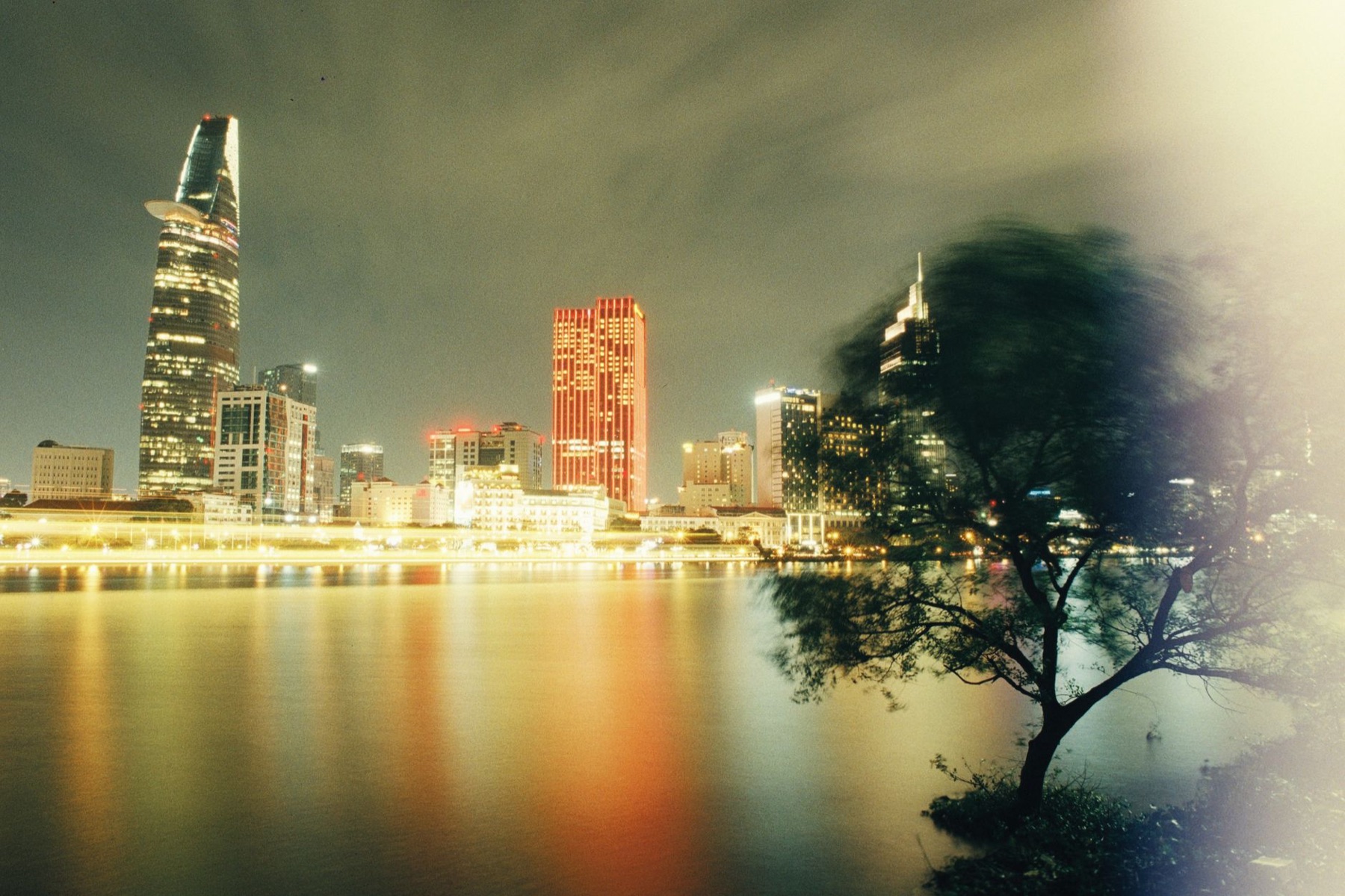
District 1 riverfront (Dong Khoi to Nguyen Hue): Colonnaded French villas, tailor shops, overpriced restaurants. Walk it at 7 a.m. before crowds. Skip the hotel lobbies pretending to be museums.
Cholon (District 5): Actual Saigon. Narrow alleys, gold-leaf temples, fabric wholesalers, no English signs. Thien Hau Temple is the real draw—thousands of red lanterns, incense smoke, locals actually worshiping. Go early, wear long pants, no photography inside prayer halls without asking.
Tan Dinh (District 1, south of Dong Khoi): Residents' market, cheap pho, no tourists. Tan Dinh Church is photogenic but unremarkable inside.
District 3 cafés (Vo Van Tan, Nguyen Trai): Young Vietnamese, local coffee culture, zero backpackers. Spend 50,000 VND (USD 2) for a flat white. Sit for hours.
Honestly? You don't need a "best neighborhoods" checklist. Pick one direction, walk for 90 minutes, eat what smells good, ask directions from shopkeepers (not tuk-tuk drivers). That's Saigon.
How to decide: night market or rooftop bar evening?
| Evening type | Best for | Cost (person) | Vibe | Reality check |
|---|---|---|---|---|
| Ben Thanh night market (Saturdays–Sundays, 6 p.m.–11 p.m.) | Street food, bargains, chaos | 200k–400k VND (~USD 8–16) | Cramped, loud, electric | Tourist-heavy now; locals go District 7 night markets instead |
| Rooftop bar (Nguyen Hue, District 1) | Sunset drinks, city views, Instagram | 250k–600k VND (~USD 10–24 per drink) | Air-con, design-forward, calm | Pricey but worth 1–2 visits; book ahead weekends |
| Street-level beer club (District 1, Bui Vien) | Traveler scene, cheap beer, music | 100k–150k VND (~USD 4–6 per beer) | Sweaty, social, backpacker-heavy | Fun but forgettable; same crowds everywhere |
| Riverside walk + food stall dinner | Authentic pace, breeze, locals | 150k–250k VND (~USD 6–10) | Slow, real, photograph-free | Best value and least marketed option |
The honest call: Do the rooftop bar once for the view and a drink (around 5–6 p.m., before it gets packed). Spend the rest of your evenings walking neighborhoods and eating at unmarked food stalls. You'll see the actual city.
🗺️ Plan your route: Vietnam itinerary
What day trips actually justify leaving the city?
Cu Chi Tunnels (1.5 hours northwest): A network where Viet Cong fighters lived underground during the war. Most organized tours include rifle shooting, which feels wrong. The tunnels themselves are claustrophobic, uncomfortable, and repetitive. Many visitors regret it. Go only if war history is your main reason for visiting Vietnam. Around 400,000–700,000 VND (USD 16–28) including transport.
Mekong Delta (2–3 hours south): Boat rides, fruit orchards, floating markets, noodle factories. Genuinely beautiful if you go early (6 a.m., not 10 a.m.) and skip the "traditional" homestay meals with staged performances. Private boatmen beat tour groups. Around 600,000–1,200,000 VND (USD 24–48) for a half-day.
Binh Quoi Village (30 minutes northeast, District 2): Bike rides, rural atmosphere, temple visits, no war tourism. Quieter than Mekong, less hyped. Around 300,000–500,000 VND (USD 12–20).
Vung Tau (2 hours south, beach town): Windy, gray-water beach, but strong Vietnamese weekend scene. Local energy beats tourist beaches. Go on a weekday to avoid crowds.
Skip the Nutella café memes, the fake orphanage tours, and the "floating market at dawn" packages sold in hostels. They're either scams or soul-crushing.
Why street food tours beat restaurants for your budget?
A sit-down restaurant meal costs 300,000–800,000 VND (USD 12–32) and delivers exactly what you'd find in Hanoi or Bangkok. A street food morning—banh mi, pho, coffee, spring rolls—costs 100,000–150,000 VND (USD 4–6) and teaches you how Saigon actually eats.
Breakfast: Find a pho stall (Ben Thanh market area, 6–8 a.m.) or banh mi cart in District 1. Around 40,000–60,000 VND (USD 1.60–2.40).
Mid-morning: Egg coffee or coconut coffee in a local café. 30,000–50,000 VND (USD 1.20–2).
Lunch: Com tam (broken rice) or hu tieu (tapioca noodle soup) at a standing counter. 50,000–80,000 VND (USD 2–3.20).
Afternoon: Banh hoai (Hoi An-style cargo-boat noodles, sold in District 1) or che (sweet bean pudding). 30,000–50,000 VND (USD 1.20–2).
The learning curve is real—you'll order wrong, sit at plastic stools, deal with language gaps. That's the point. Tour operators charge 800,000–1,500,000 VND (USD 32–60) for the "same" experience; the difference is you're not in a group.
📸 Book an ao dai photoshoot in Hanoi or Saigon (Cáo Studio)
What to check before you book tours or tickets
Transportation & connection: Does your phone plan cover Saigon? Get an eSIM for Vietnam before arrival so maps, Grab (taxi app), and messaging work instantly. Roaming delays cost hours.
Timing: Museums close 11:30 a.m.–1 p.m. War Remnants has crowds after 2 p.m. Markets peak 6–8 a.m. Plan backward from these windows.
Vendor trust: If a "tour guide" approaches you on Bui Vien or Dong Khoi, they're selling overpriced or fake tickets. Book direct with museums or use Grab to reach official offices.
Weather: May–September is hot and wet. June–August midday (11 a.m.–3 p.m.) is genuinely dangerous for walking. Go early, rest at cafés, go out again at 5 p.m.
Distances: Saigon sprawls. A "short ride" in District 1 might be 20–30 minutes by Grab (around 80,000–150,000 VND / USD 3.20–6). Factor it in.
🎟️ Compare tours & tickets for this place
For keepsakes or gifts, consider a personalized star map print marking the date you visit Saigon, or an engraved keepsake box to hold receipts, tickets, or notes from your trip. These beat generic souvenir shops and ship internationally within 5–10 days.
If you're combining Saigon with other regions, explore Ha Long Bay, Ninh Binh, Hoi An, or Sapa for contrast. Check the main Ho Chi Minh City guide for logistics (visa, transport, neighborhoods).
A genuine Saigon visit isn't about checking boxes. It's about accepting that the city moves fast, smells unfamiliar, doesn't cater to you, and that's exactly why it matters.

FAQ
Is Ben Thanh Market worth visiting, or is it just for tourists now?
It's both. The outer night market (weekends, 6 p.m.–11 p.m.) is genuinely chaotic and fun; the main indoor market is overpriced and crowded. Go at 6–7 a.m. instead for street food and locals, or skip it entirely and visit Cho Tan Dinh (District 1) where you'll actually see Saigon residents shopping.
How much does a typical Saigon day actually cost?
Budget 300,000–600,000 VND (USD 12–24) for a day with breakfast, lunch, street snacks, one museum, and local transport. Add 200,000–400,000 VND (USD 8–16) if you book a guide or half-day tour. Rooftop bars and restaurants double that easily.
Should I take a tour or explore solo?
Solo walking works best for Districts 1, 3, and Cholon. Hire a guide only for Cu Chi Tunnels (safety, context) or Mekong Delta (logistical complexity). Avoid tour-group breakfasts and "home-cooked meals"—they're theatrical and expensive.
What's the actual difference between "morning" and "afternoon" in Saigon?
Morning (6–10 a.m.) is cooler, markets are full, locals are out. Afternoon (12–4 p.m.) is 35–38°C, businesses close, tourists dominate. Evening (5–9 p.m.) cools down and comes alive again. Plan your day around this rhythm, not arbitrary tourist schedules.
Are scams in Saigon really as bad as people say?
Taxi meter fraud (taxis outside airports) is common; use Grab instead. Tuk-tuk drivers quoting inflated prices happen; agree beforehand or walk. Fake jewelers and tailor shops prey on tourists; ignore street approaches. The city isn't dangerous, but it's mercenary. Stay alert, ask locals, and move on if something feels off.
FAQ
Is Ben Thanh Market worth visiting, or is it just for tourists now?
It's both. The outer night market (weekends, 6 p.m.–11 p.m.) is genuinely chaotic and fun; the main indoor market is overpriced and crowded. Go at 6–7 a.m. instead for street food and locals, or skip it entirely and visit Cho Tan Dinh (District 1) where you'll actually see Saigon residents shopping.
How much does a typical Saigon day actually cost?
Budget 300,000–600,000 VND (USD 12–24) for a day with breakfast, lunch, street snacks, one museum, and local transport. Add 200,000–400,000 VND (USD 8–16) if you book a guide or half-day tour. Rooftop bars and restaurants double that easily.
Should I take a tour or explore solo?
Solo walking works best for Districts 1, 3, and Cholon. Hire a guide only for Cu Chi Tunnels (safety, context) or Mekong Delta (logistical complexity). Avoid tour-group breakfasts and "home-cooked meals"—they're theatrical and expensive.
What's the actual difference between "morning" and "afternoon" in Saigon?
Morning (6–10 a.m.) is cooler, markets are full, locals are out. Afternoon (12–4 p.m.) is 35–38°C, businesses close, tourists dominate. Evening (5–9 p.m.) cools down and comes alive again. Plan your day around this rhythm, not arbitrary tourist schedules.
Are scams in Saigon really as bad as people say?
Taxi meter fraud (taxis outside airports) is common; use Grab instead. Tuk-tuk drivers quoting inflated prices happen; agree beforehand or walk. Fake jewelers and tailor shops prey on tourists; ignore street approaches. The city isn't dangerous, but it's mercenary. Stay alert, ask locals, and move on if something feels off.
More: Ho Chi Minh City guide · Things to do in Ho Chi Minh City